


Shenzhen, China

Find manufacturing processes, materials, finishes, applications and engineering guidance.
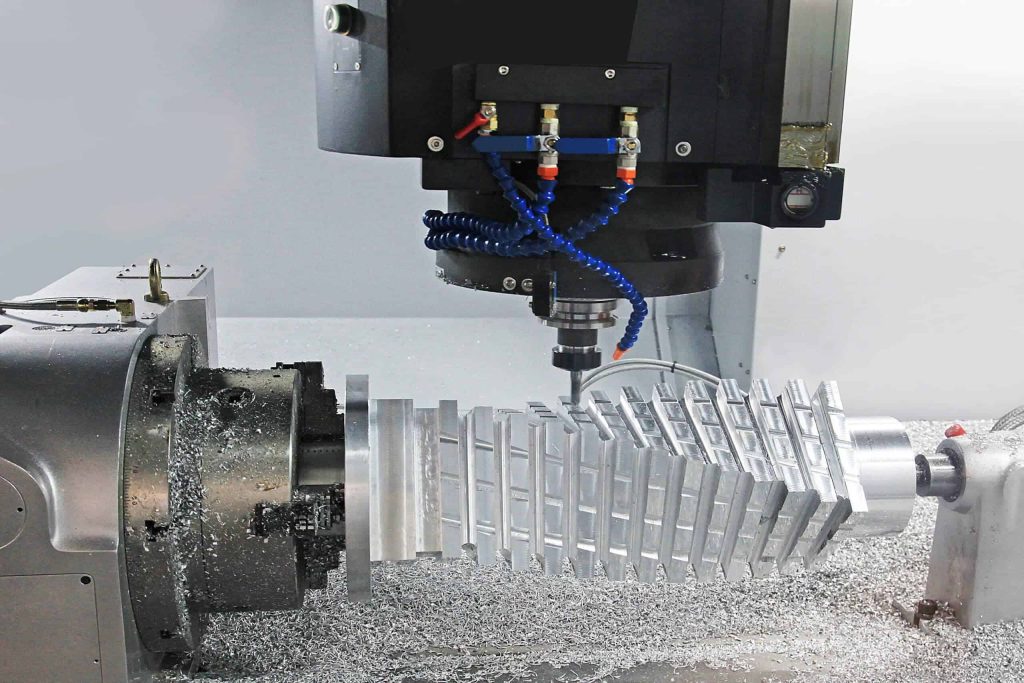
Review milling or turning through setup, material, surface intent and critical interfaces.
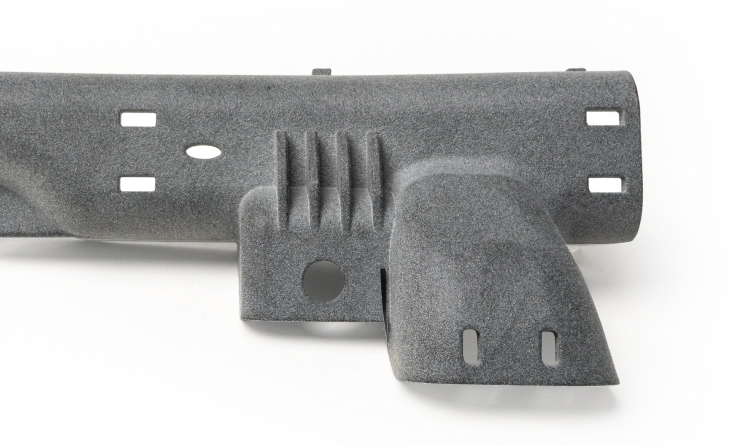
Connect process, orientation, wall, support and post-processing to the part intent.
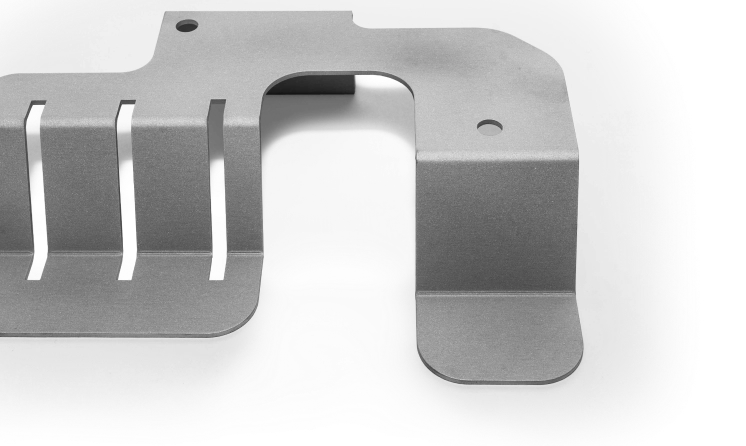
Keep gauge, bend strategy, assembly and finish decisions in one review path.
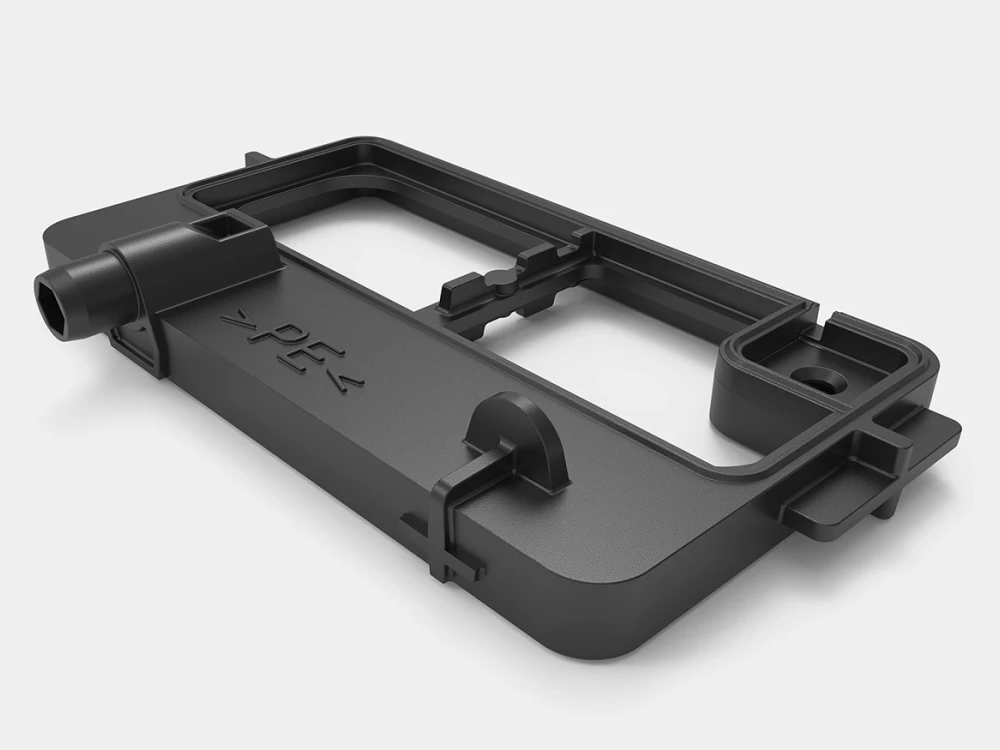
Link part geometry, polymer choice, tooling intent and repeat-production context.

Compare strength, stability, conductivity, machinability and finish relationships.
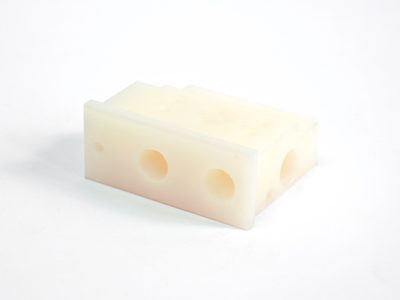
Review moisture, stability, temperature, fit and production-route implications.
Select through process, orientation, geometry and post-processing rather than a name alone.
Material choice stays connected to bend behavior, hardware, assembly and coating.
Compare surface-finishing options by material, function and manufacturing process.
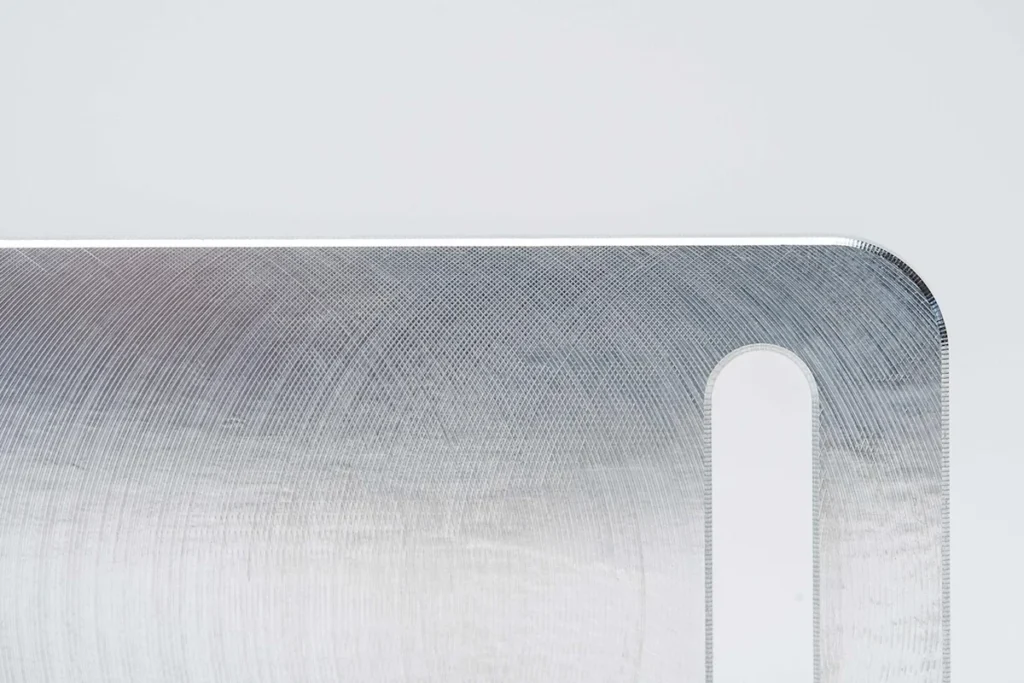
Compare surface goals, material compatibility and process requirements before choosing a finish.
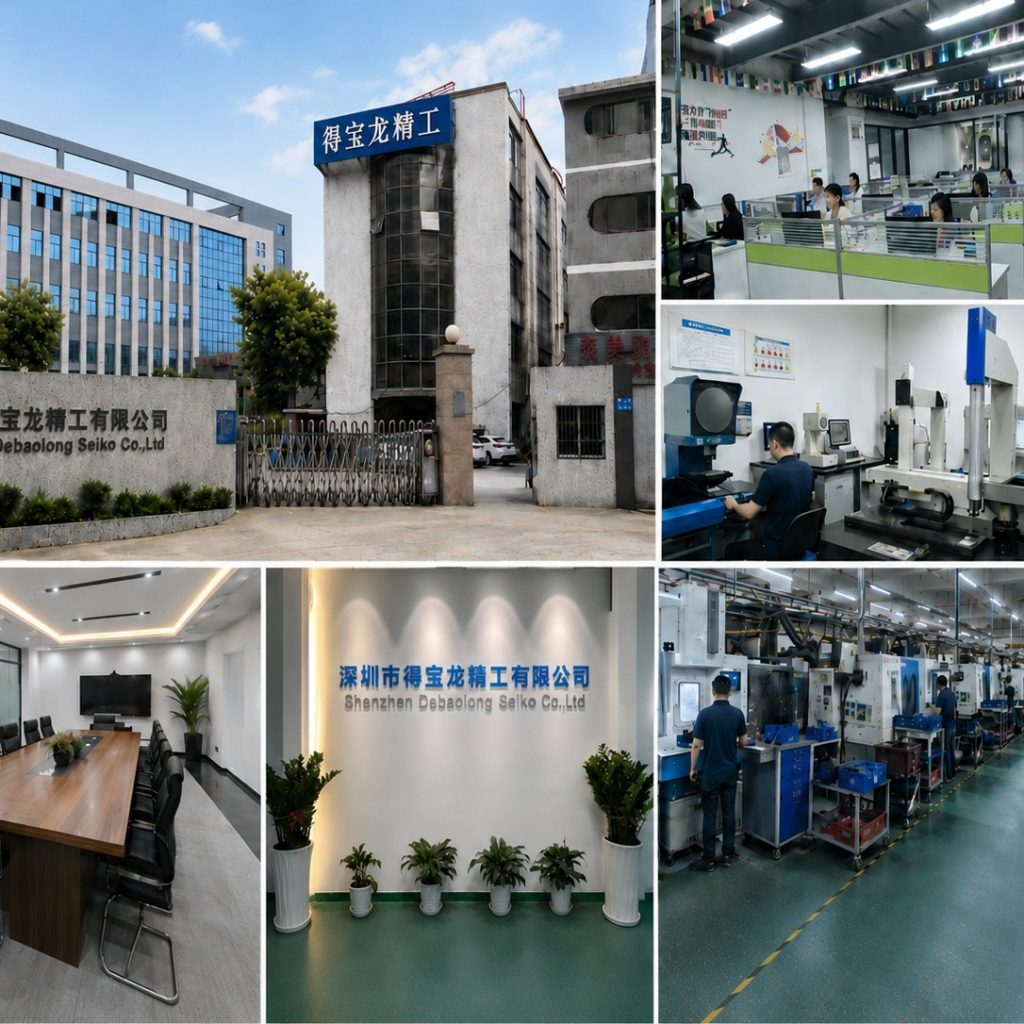
A practical manufacturing partner connecting process, materials, applications and review.
Explore factory context connected to manufacturing routes.
The factory collage shows building, workshop and manufacturing context.
Explore inspection planning connected to manufacturing decisions and engineering review.

An illustrative planning graphic connects critical features, manufacturing decisions and engineering review. It is not a production inspection record.

Use Contact for general conversation or Engineering Review for a project-specific brief.
MANUFACTURING KNOWLEDGE
Explore process, material, finish, design and procurement guidance without losing the path to a project-specific review.
CURATED ENGINEERING ARTICLES
Find process, material, finish, design and procurement guidance organized around real manufacturing decisions.
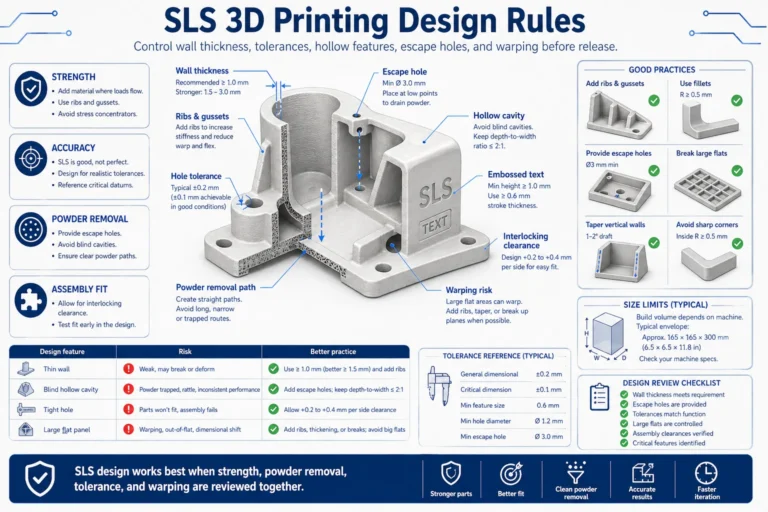
Learn SLS 3D printing design rules for build size, tolerances, hollow parts, interlocking components, engraving, embossing, warpage and functional nylon parts.
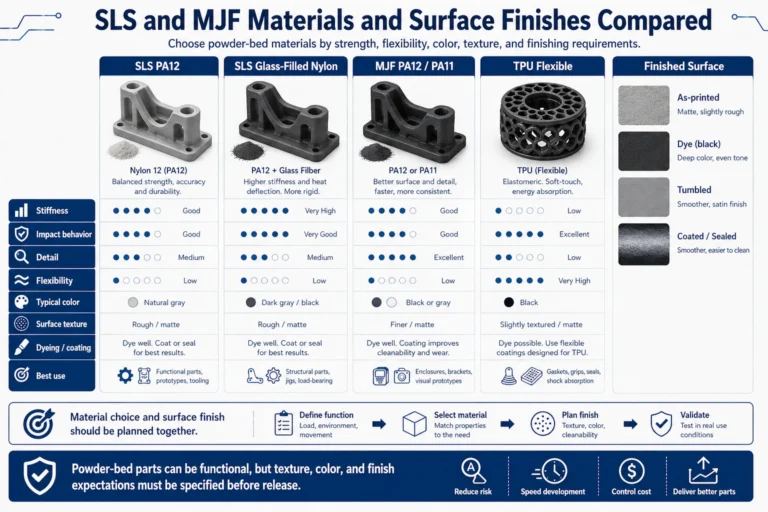
Compare SLS and MJF 3D printing materials, including PA12, glass-filled nylon, PA11, TPU, color options and surface finishing expectations.
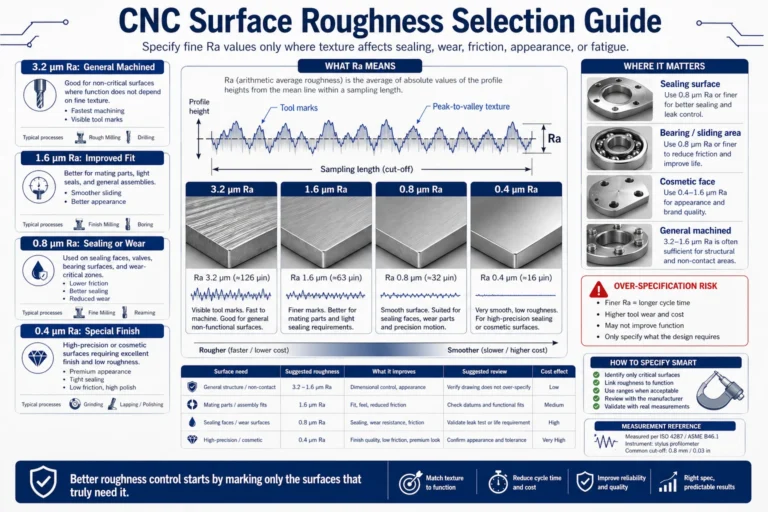
A CNC surface roughness guide explaining Ra values, machining marks, 3.2 um Ra, 1.6 um Ra, 0.8 um Ra and 0.4 um Ra selection for functional parts.
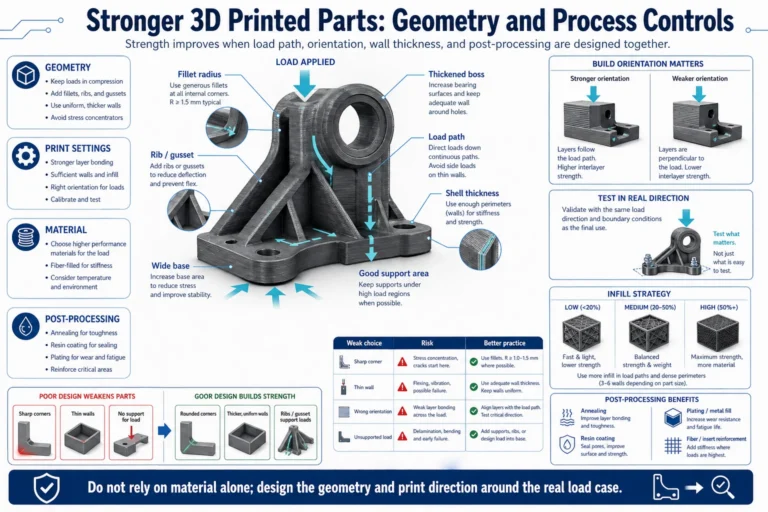
Improve 3D printed part strength with better geometry, fillets, ribs, infill, build orientation, shell thickness, annealing, plating, resin coating and reinforcement.
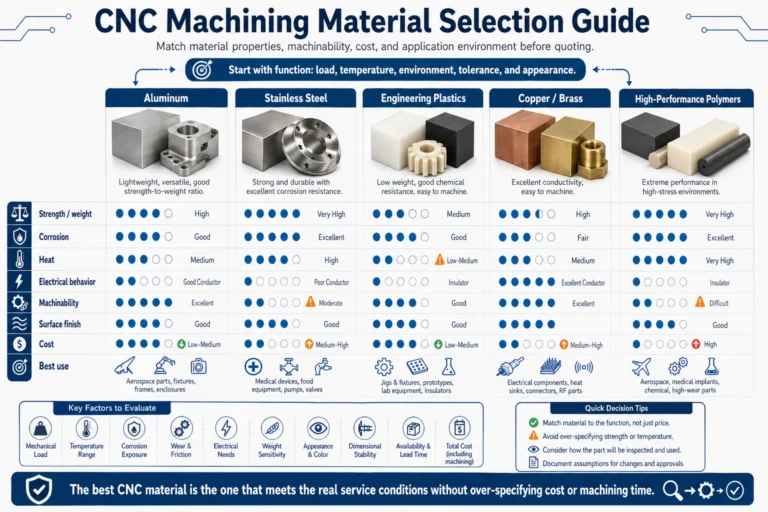
A CNC machining material selection guide covering application requirements, environment, dimensional stability, conductivity, machinability, appearance, cost and availability.
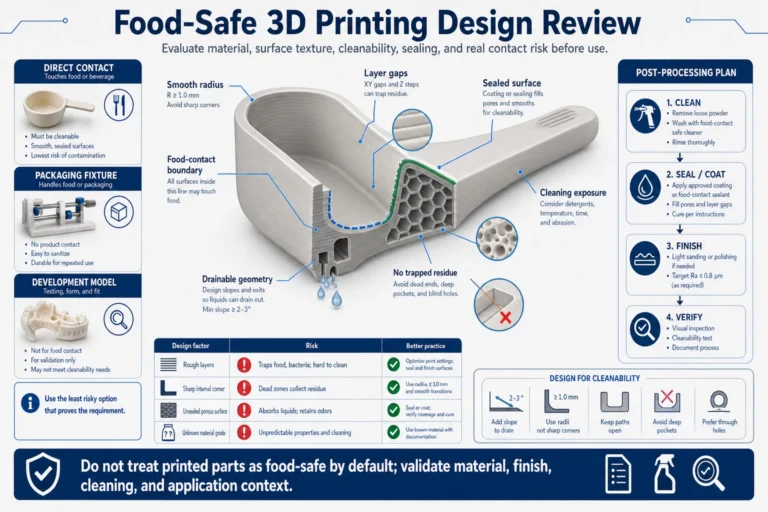
Learn food-safe 3D printing design considerations, material choices, sanitation risks, printing processes, coatings and post-processing methods for safer functional parts.
Choose an electronics prototype around a defined decision: board clearance, connector access, cable routing or fixture use. Record the print process, material and revision, and separate assembly feedback from the heat, flame or electrostatic evidence required for the final application.
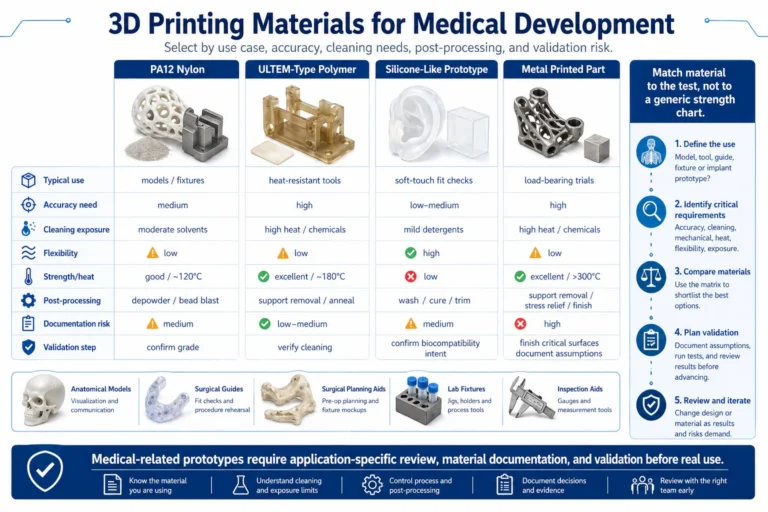
Review 3D printing material considerations for medical prototypes, anatomical models, surgical guides, fixtures and application-specific engineering validation.
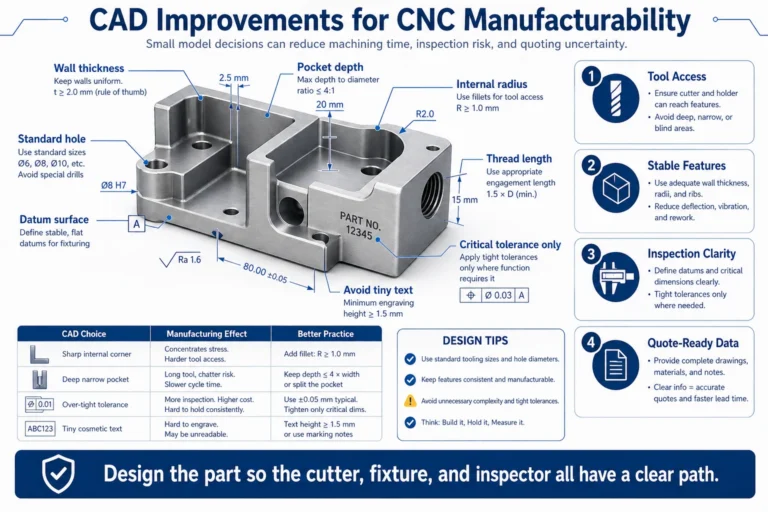
Improve CNC machined part designs with better radii, tolerances, wall thickness, pocket depth, threads, datum planning and manufacturing drawings.
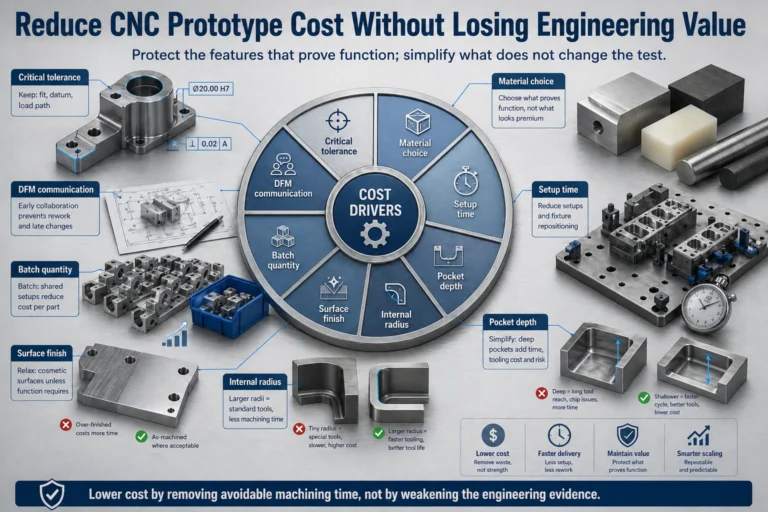
Learn practical ways to reduce CNC prototype cost through material choice, tolerance control, setup planning, feature simplification and DFM review.
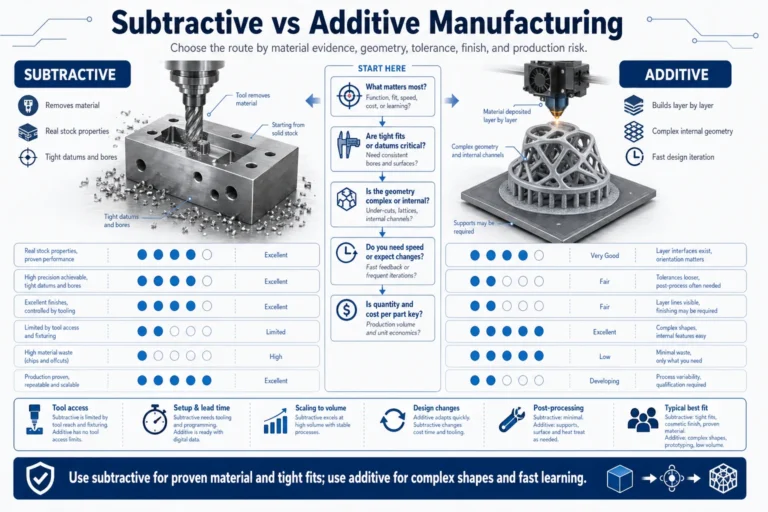
Compare subtractive and additive manufacturing by geometry, material behavior, tolerance, surface finish, cost, waste and production readiness.
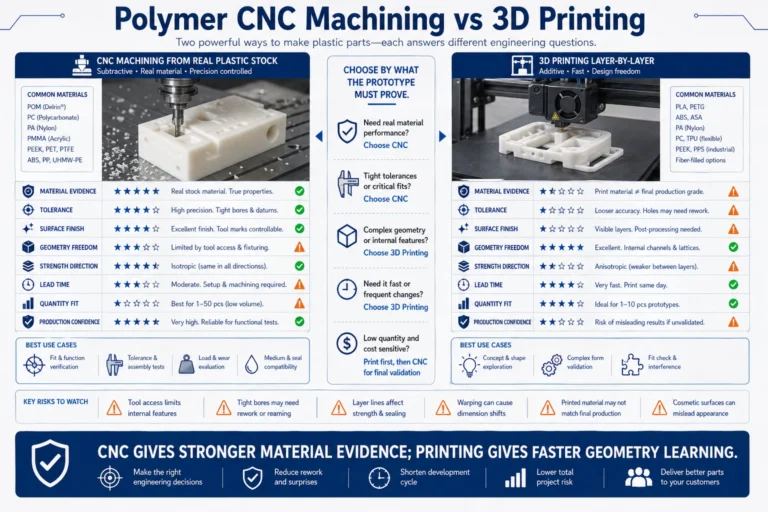
Use this checklist to compare polymer CNC machining and 3D printing for plastic prototypes, functional parts, tolerances, materials and production risk.
Use Knowledge to frame the decision, then share CAD, quantity, material, finish and inspection context.