Engineering review for every RFQ
CNC · 3D Printing · Sheet Metal · Injection Molding
Prototype · Low Volume · Production
Process, material, finish and inspection decisions connected

Shenzhen, China

Search
Menu

A practical manufacturing partner connecting process, materials, applications and review.

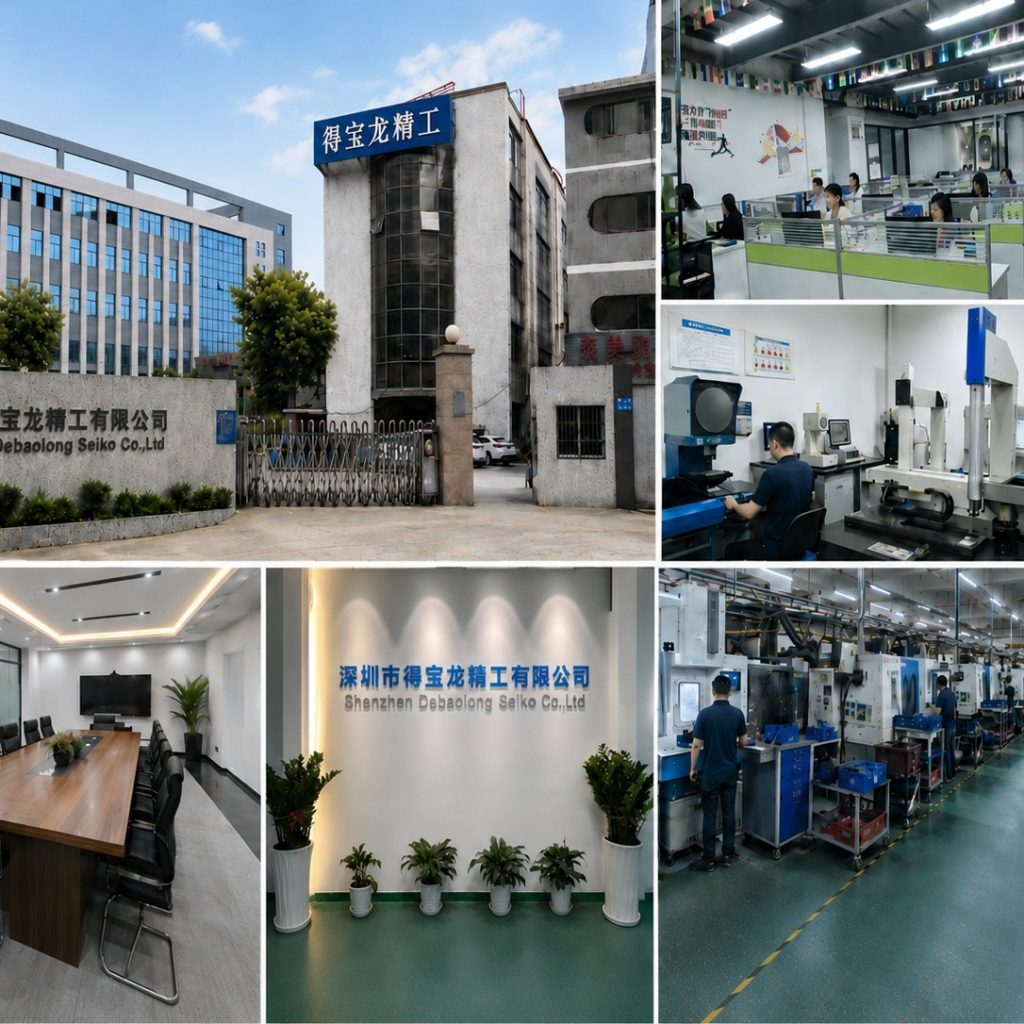
The factory collage shows building, workshop and manufacturing context.

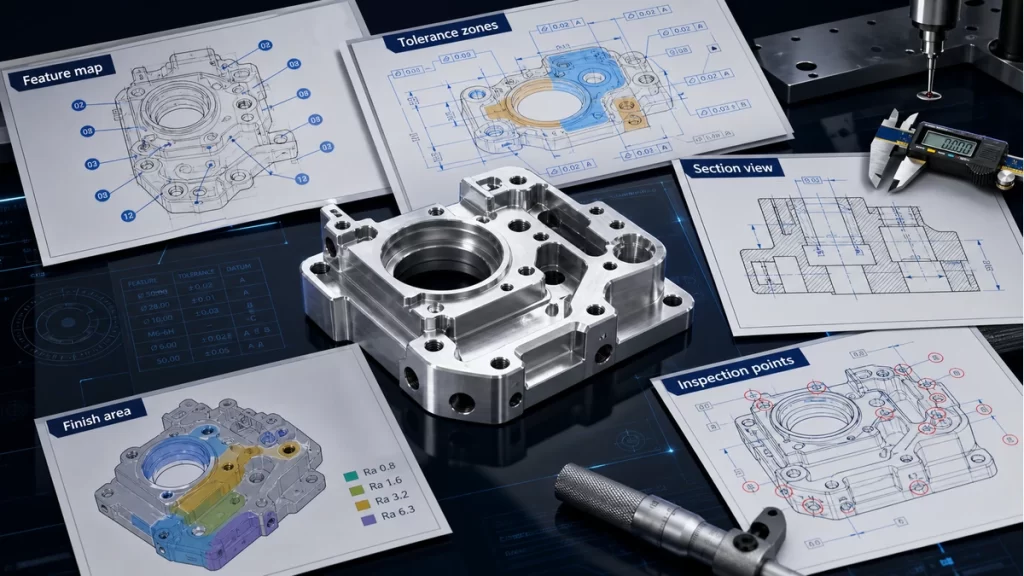
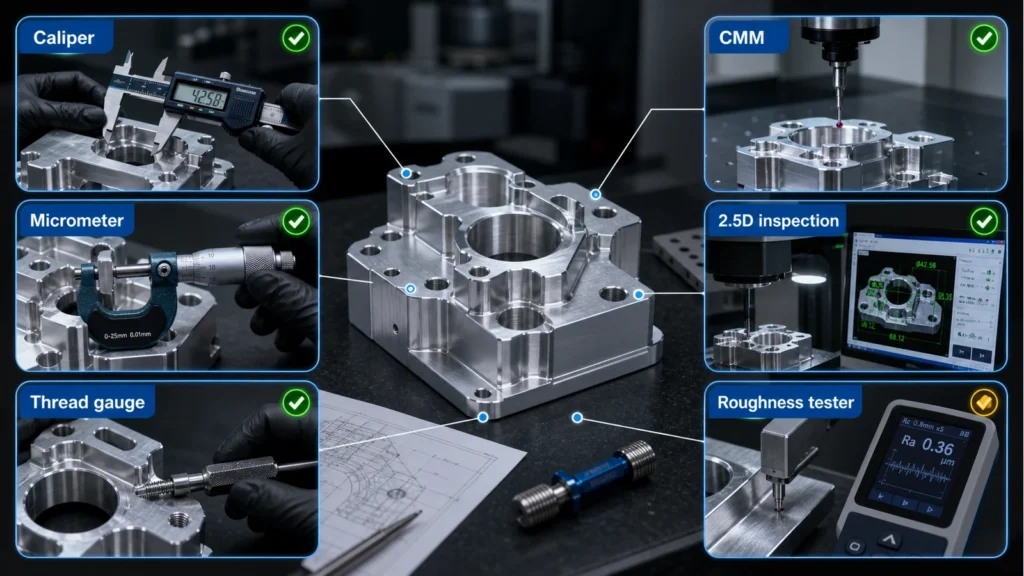
An illustrative planning graphic connects critical features, manufacturing decisions and engineering review. It is not a production inspection record.

Use Contact for general conversation or Engineering Review for a project-specific brief.

PLASTIC

ABS

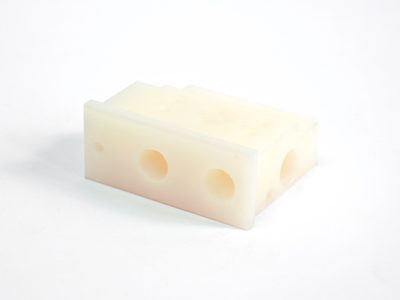
Common Thermoplastic, Impact Resistant, Easily Machined ABS is a common thermoplastic with a full range of good mechanical properties, excellent impact strength, good heat resistance, and good machinability.
debaolong (1)
ENGINEERING DOSSIER

Use ABS as a named grade and process decision, not a generic plastic label

Thermoplastic identity and project fit

ABS is commonly selected for impact-tolerant housings, prototypes and functional parts when its actual grade and environment fit the requirement.

Machining and edge behavior

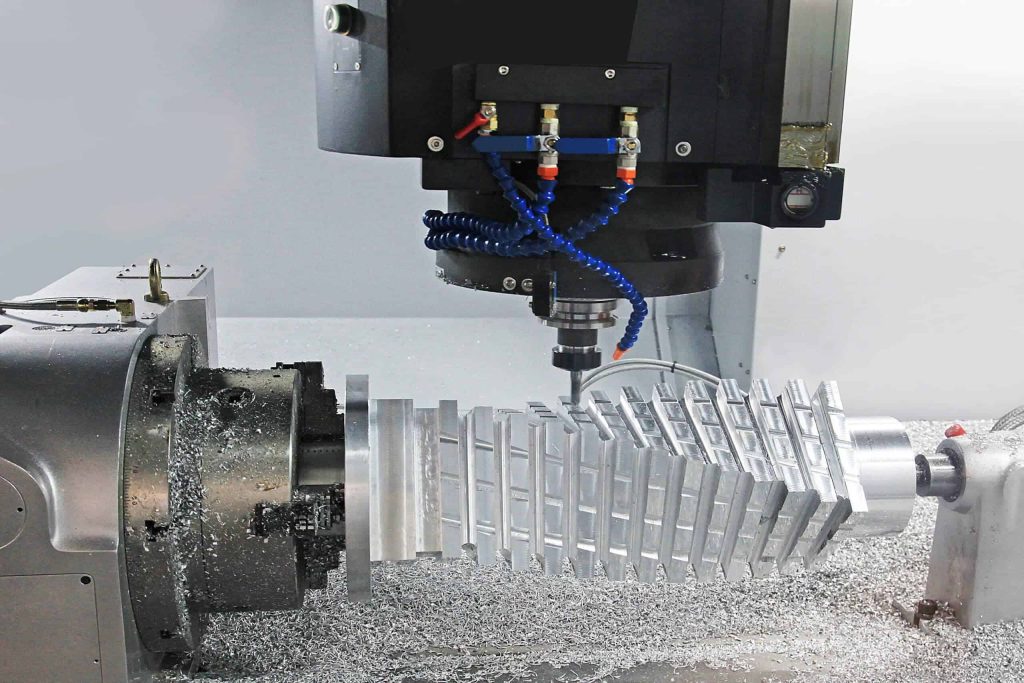
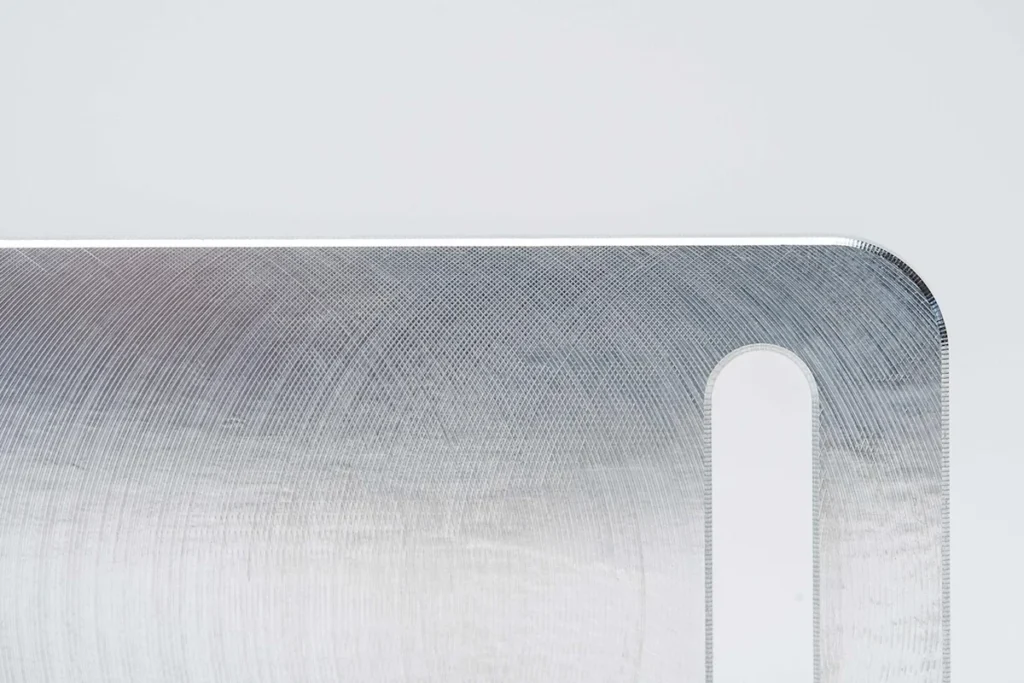
Support thin walls and clips, manage heat at the cut and review sharp internal corners, bosses and snap features against the intended part function.

Limits to resolve

Heat, chemical exposure, UV context and flame requirements cannot be inferred from the generic material name; confirm the grade.

Surface and joining

Machined appearance, vapor or abrasive smoothing, paint, bonding and fasteners each require a compatible grade and surface plan.
debaolong (1)
MATERIAL IDENTITY

Identity, supplied condition and route fit for ABS

ABS is commonly selected for impact-tolerant housings, prototypes and functional parts when its actual grade and environment fit the requirement.
Specify the exact ABS grade, supplied form, condition and any certification requirement. The family name alone is not a purchase specification.
DECISION CONTROLS

What the ABS decision must keep visible

Machining and edge behavior

Support thin walls and clips, manage heat at the cut and review sharp internal corners, bosses and snap features against the intended part function.

Limits to resolve

Heat, chemical exposure, UV context and flame requirements cannot be inferred from the generic material name; confirm the grade.

Surface and joining

Machined appearance, vapor or abrasive smoothing, paint, bonding and fasteners each require a compatible grade and surface plan.
PROJECT-SPECIFIC DECISION DATA

Material dossier before ABS release

Confirm exact grade, form, environment and manufacturing route; a family label alone is not a released specification.
Decision itemWhat must be resolvedEvidence at release
Thermoplastic identity and project fitABS is commonly selected for impact-tolerant housings, prototypes and functional parts when its actual grade and environment fit the requirement.Exact grade, form and condition
Machining and edge behaviorSupport thin walls and clips, manage heat at the cut and review sharp internal corners, bosses and snap features against the intended part function.Process, geometry and interfaces
Limits to resolveHeat, chemical exposure, UV context and flame requirements cannot be inferred from the generic material name; confirm the grade.Drawing, finish and critical checks
Surface and joiningMachined appearance, vapor or abrasive smoothing, paint, bonding and fasteners each require a compatible grade and surface plan.Drawing, finish and critical checks
APPLICATION BOUNDARY

Match ABS evidence to the real component and environment

Evaluate ABS against load, temperature, chemical exposure, wear, electrical/thermal role, appearance and documentation needs of the actual component.
Confirm stock availability, section changes, wall thickness, threads, inserts, joining, dimensional stability and finish compatibility before releasing a ABS design.
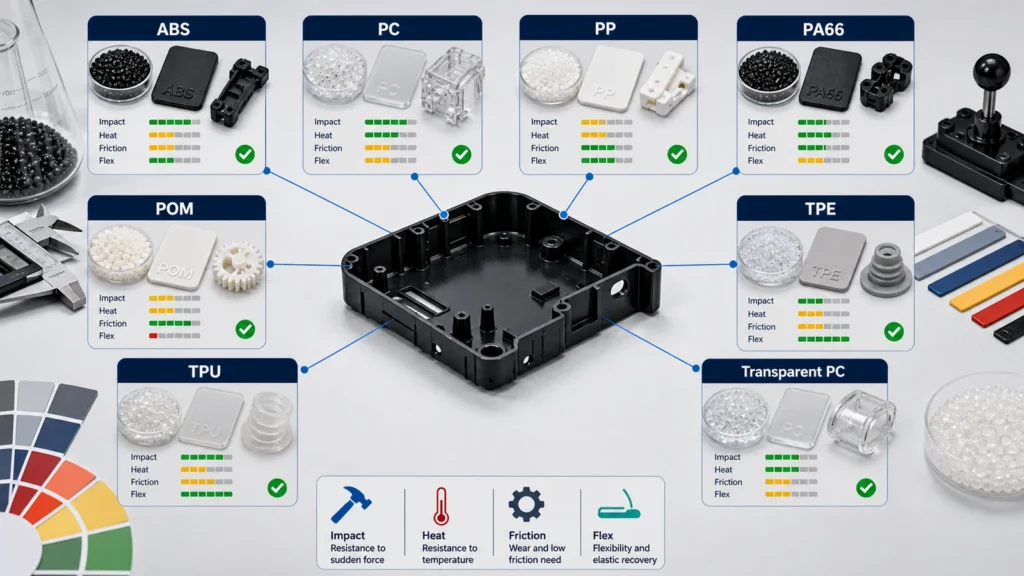
Plastic material selection map for injection molding showing ABS, PC, PP, PA66, POM, TPE, TPU and transparent PC options
PART AND PROCESS EVIDENCE

ABS identity, process and application evidence

debaolong (1)
debaolong (1)
Plastic material selection map for injection molding showing ABS, PC, PP, PA66, POM, TPE, TPU and transparent PC options
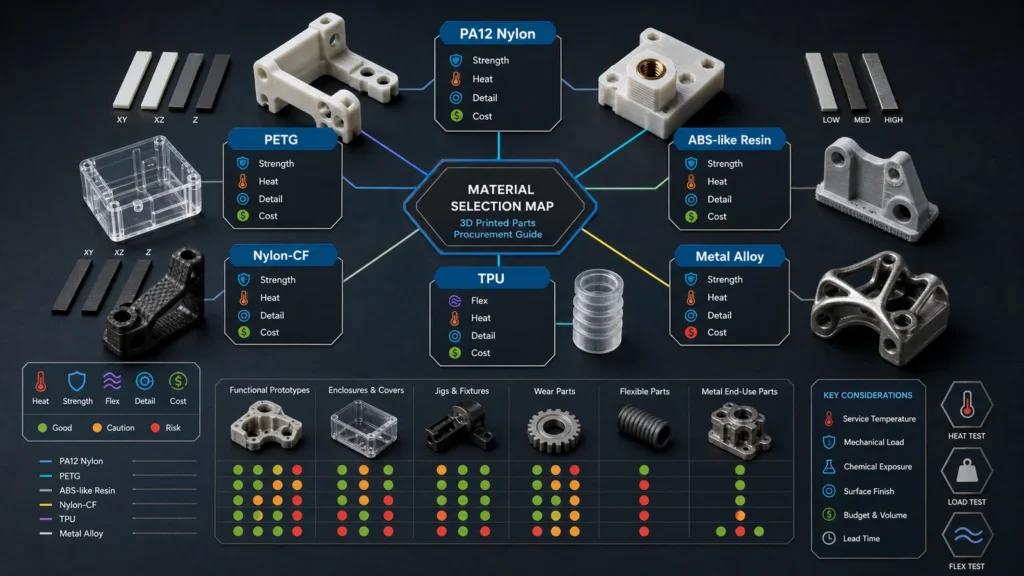
Material selection map for 3D printed parts covering nylon, PETG, resin, TPU and metal options for engineering applications
DECISION QUESTIONS

ABS selection and documentation questions

What must be defined before reviewing ABS?

ABS is commonly selected for impact-tolerant housings, prototypes and functional parts when its actual grade and environment fit the requirement. Support thin walls and clips, manage heat at the cut and review sharp internal corners, bosses and snap features against the intended part function.

Which interfaces need project-specific confirmation?

Heat, chemical exposure, UV context and flame requirements cannot be inferred from the generic material name; confirm the grade. Do not generalize performance from the material-family label. Confirm grade, condition, environment and acceptance requirements before release.

What should accompany release?

Machined appearance, vapor or abrasive smoothing, paint, bonding and fasteners each require a compatible grade and surface plan. Drawing, finish and critical checks
PROJECT BRIEF

ABS material brief and evidence checklist

Use these page-specific checks to confirm the exact ABS identity, supplied condition, manufacturing route and inspection evidence. A family label alone is not a released material specification.

Grade and condition — Thermoplastic identity and project fit

ABS is commonly selected for impact-tolerant housings, prototypes and functional parts when its actual grade and environment fit the requirement. State exact grade, form and supplied condition on the controlled drawing.

Functional behavior — Machining and edge behavior

Support thin walls and clips, manage heat at the cut and review sharp internal corners, bosses and snap features against the intended part function. Name the environment, interfaces and functional evidence that must be protected.

Finish and inspection — Limits to resolve

Heat, chemical exposure, UV context and flame requirements cannot be inferred from the generic material name; confirm the grade. Define finish compatibility and the inspection record required at release.