


What powder coating adds to a metal part
Powder coating is a dry finishing process. In a typical electrostatic application, charged powder is deposited on a metal substrate and heated to form the coating. Thermoset powders cure through a chemical reaction. The Powder Coating Institute’s process overview explains this sequence and the distinction from fluidized-bed application.
For a machined housing, sheet-metal enclosure or display component, start with the job the finish must do: appearance, handling protection or exposure to a specified environment. Do not treat a powder-coating label as a promise of universal corrosion, chemical or UV resistance. Ask which exact coating system is proposed and how the finished part will be accepted.
Preparation, application and cure: three separate checks
Confirm the substrate and preparation
Record the metal grade, existing surface condition and any prior treatment. Ask the finisher to identify the preparation route and how cleanliness will be checked. The Powder Coating Institute FAQ links adhesion to substrate cleanliness, appropriate pretreatment and correct melting and curing. Blasting or a particular chemical treatment should not be assumed suitable for every part.
Mark visible faces, machined fits, sealing lands and areas that must remain conductive. Show masked areas on the drawing rather than relying on a verbal instruction. Discuss hanging or contact points before coating; an agreed noncritical location is preferable to discovering an unwanted witness mark on a cosmetic face.
Review access and coverage
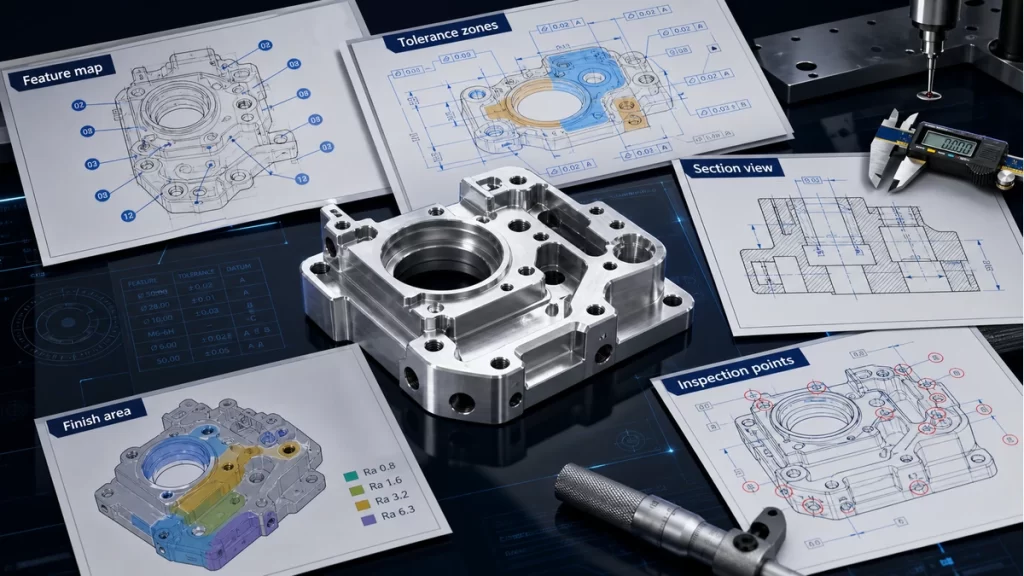
Ask how the selected application route will cover corners, recesses and internal features. Provide section views where the geometry is difficult to understand from an external rendering. Define which surfaces need a coating and which need inspection access after coating. A photograph of an evenly colored exterior does not prove coverage inside a channel.
Compare the proposed film requirement with the drawing’s finished dimensions. For threads, bores and mating surfaces, make the masking or allowance explicit. If the drawing specifies a dimension before coating, distinguish it from the final acceptance dimension to avoid conflicting instructions.
Use the powder supplier’s cure requirements
The PCI FAQ distinguishes the part reaching the required temperature from its time at that temperature. Confirm the powder product’s time-temperature requirements and how the actual part’s cure will be checked. A generic oven setting or a single cure schedule copied from an article is not a release criterion for every material and geometry.
Specify appearance with a physical reference
Provide the requested color reference, gloss, texture and the faces that will be viewed together. Agree on a physical sample and viewing conditions where appearance is important. A screen image or color name is useful for discussion but is not a substitute for the agreed reference sample.

For repeat orders, keep the approved reference, part revision and finish specification together. State whether a new color or a change of powder supplier requires another sample review. Define acceptable variation between adjacent components before ordering them from different production batches.
Match the finish to the operating environment
| Part or application | Information to provide | Evidence to request |
|---|---|---|
| Outdoor enclosure or frame | Exposure, appearance requirements and expected maintenance | Suitability of the proposed coating system for those conditions |
| Machine guard or equipment housing | Cleaning products, handling and likely impact areas | Agreed chemical, adhesion or impact evaluation where required |
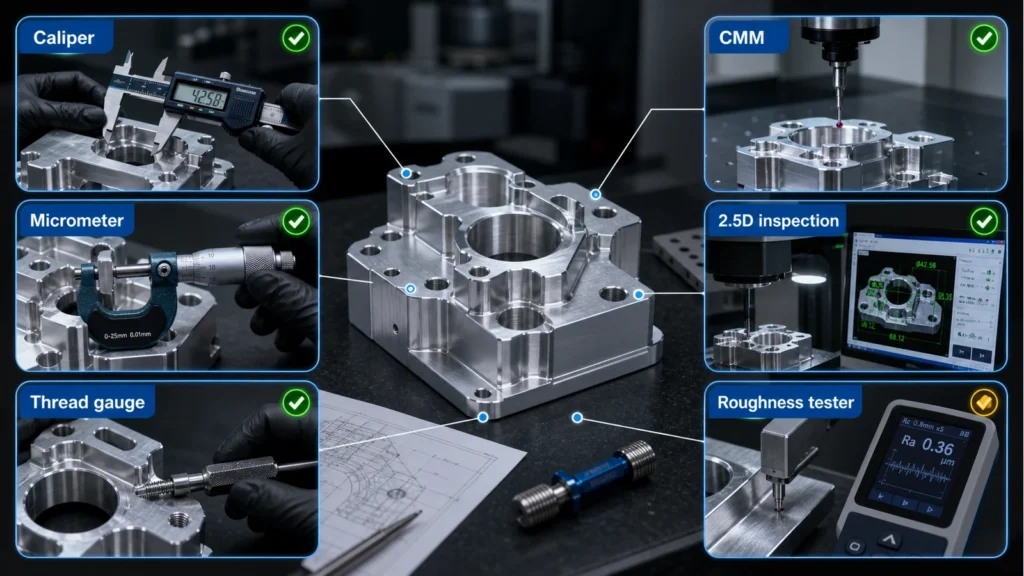
| Assembly with fits or electrical contacts | Finished dimensions, masked zones and contact locations | Inspection of the specified interfaces after finishing |
| Regulated or safety-critical component | Applicable requirements, use conditions and traceability needs | Application-specific qualification, not a generic industry claim |
Medical, aerospace or food-contact use needs its own requirements and evidence. A coating’s appearance, a supplier’s general brochure or this guide does not establish antimicrobial performance, regulatory approval or suitability for a safety-critical part. Confirm those requirements with the responsible project team before accepting a finish proposal.
Compare alternatives against the same drawing
Powder coating, liquid coating, anodizing and conversion coating are not interchangeable labels. Ask each proposed route to address the same substrate, appearance, dimensions, electrical requirements and service conditions. Avoid comparing a bare process name with another supplier’s fully specified coating system.
Request the complete finishing sequence and identify any secondary preparation, masking, inspection and rework that is included. Consider how a damaged finish would be repaired and whether the repaired appearance would remain acceptable. Claims of lower cost, lower waste or better durability need evidence for the actual route and order; they are not guaranteed by the process name alone.
Prepare a finish review package
Send the current CAD model and drawing revision, substrate, quantity, cosmetic faces, masked areas, color and texture reference, service conditions and required inspection records. Separate must-have requirements from preferences that can be adjusted after a sample review. Record the agreed finish and acceptance criteria with the released drawing.
Contact Debaolong about the finish requirements, or upload CAD and the matching drawing for a manufacturing review. Include the coating specification with the files so the quotation discussion covers the finished part, not just its uncoated shape.