
Learn practical ways to reduce CNC prototype cost through material choice, tolerance control, setup planning, feature simplification and DFM review.
Needs vs Wants in CNC Prototypes
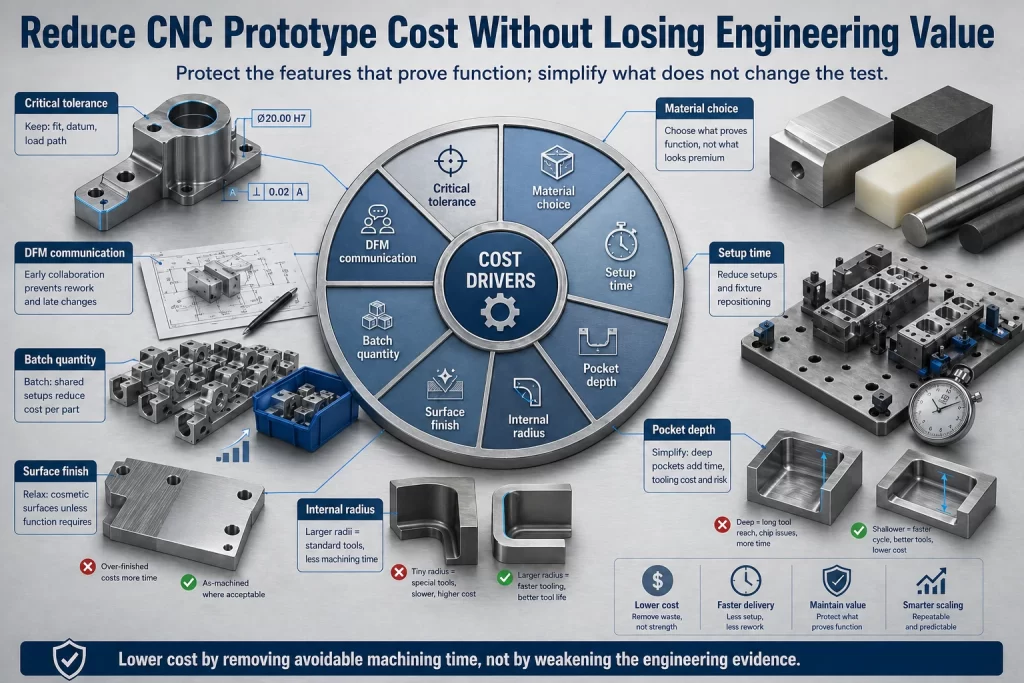
Start with a practical question: is the feature a requirement or a preference? CNC prototype cost rises when every cosmetic detail, tolerance and material choice is treated as critical.
A prototype should preserve the features that answer the engineering question while relaxing non-functional details where possible.
Simplify Geometry Where It Does Not Affect the Test
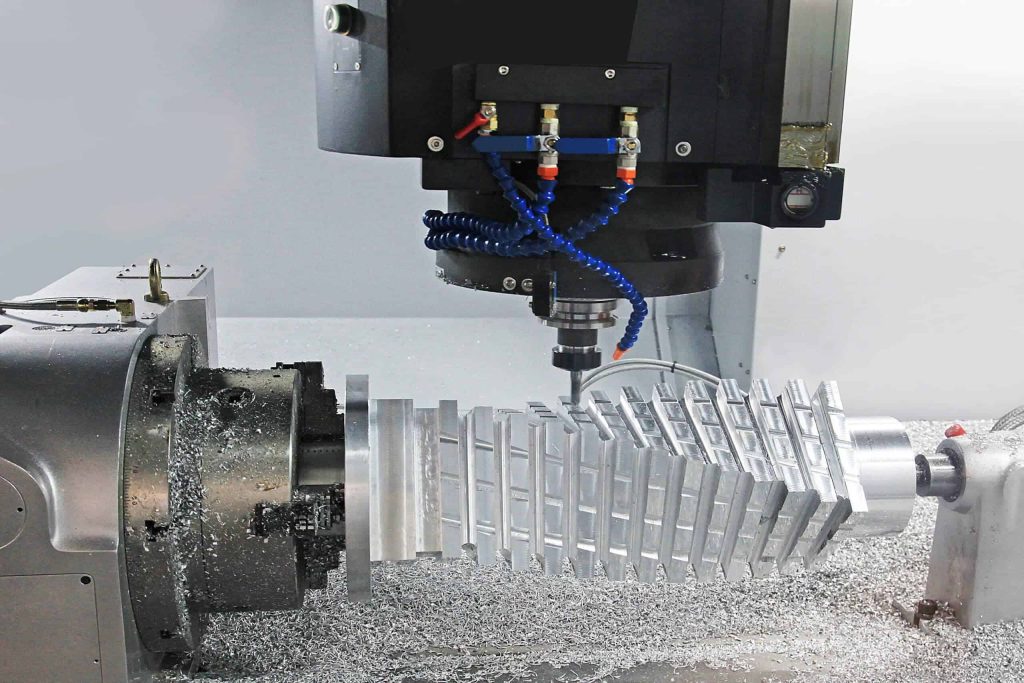
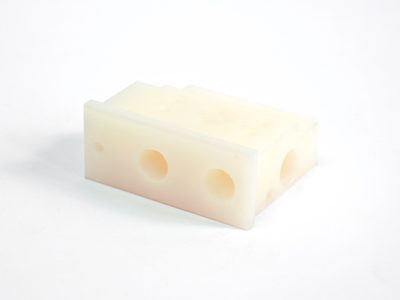
Deep pockets, tiny internal radii, thin walls, curved holes and excessive detail can increase CNC time. Simplifying these features often reduces cost without reducing engineering value.
Designers should review tool access and setup direction before ordering the prototype.
Batch Planning and Setup Cost
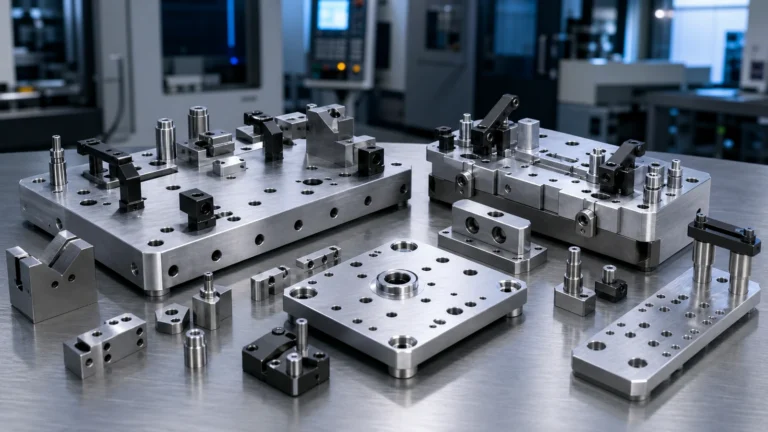
If several related prototypes are needed, grouping them can spread setup effort and reduce cost per part. This is useful when the team needs multiple variants or test samples.
Batch planning should still protect revision control so old and new designs do not become mixed.
Cost Control Through DFM Communication
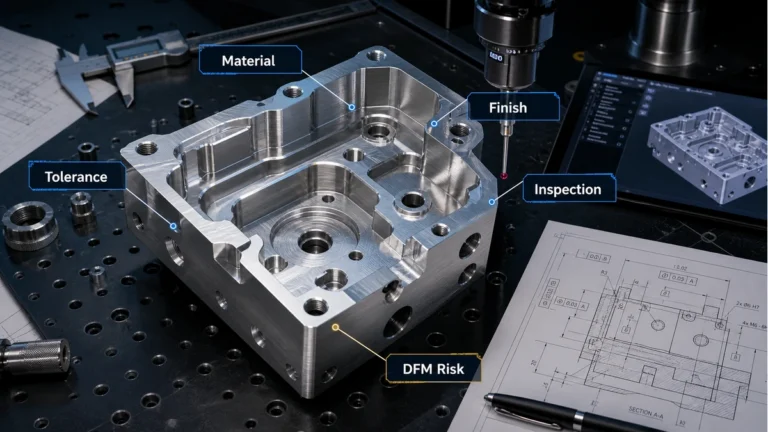
A short DFM note explaining critical and flexible features gives the manufacturer room to suggest practical savings. This often works better than asking for cost reduction after a design is already fixed.
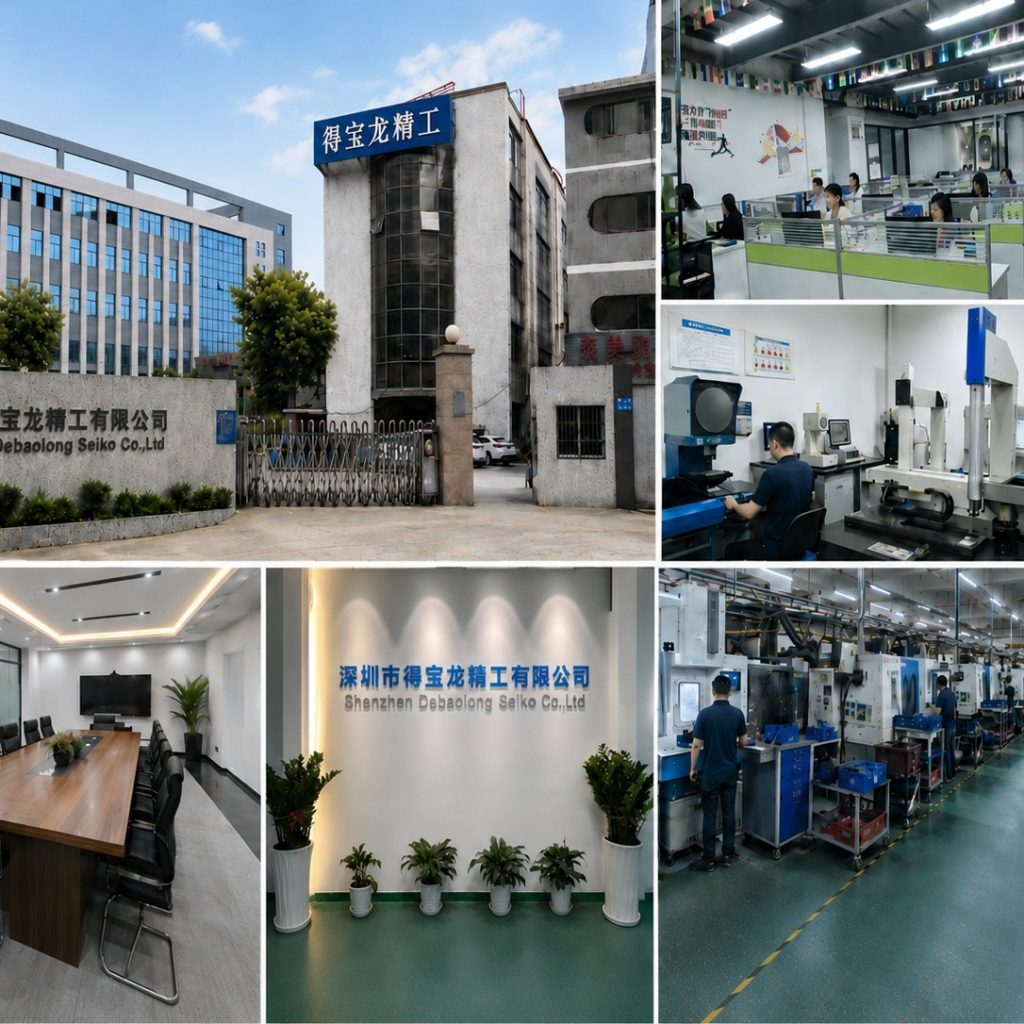
DEBAOLONG reviews CNC prototypes for cost drivers before manufacturing starts.
A Practical Checklist Before Ordering CNC Prototypes
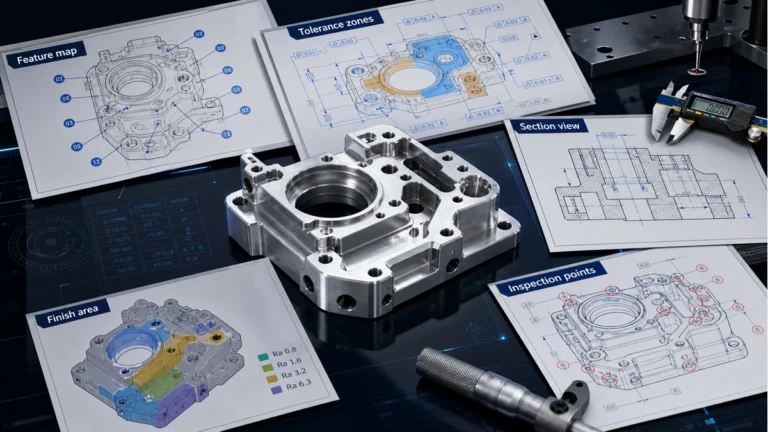
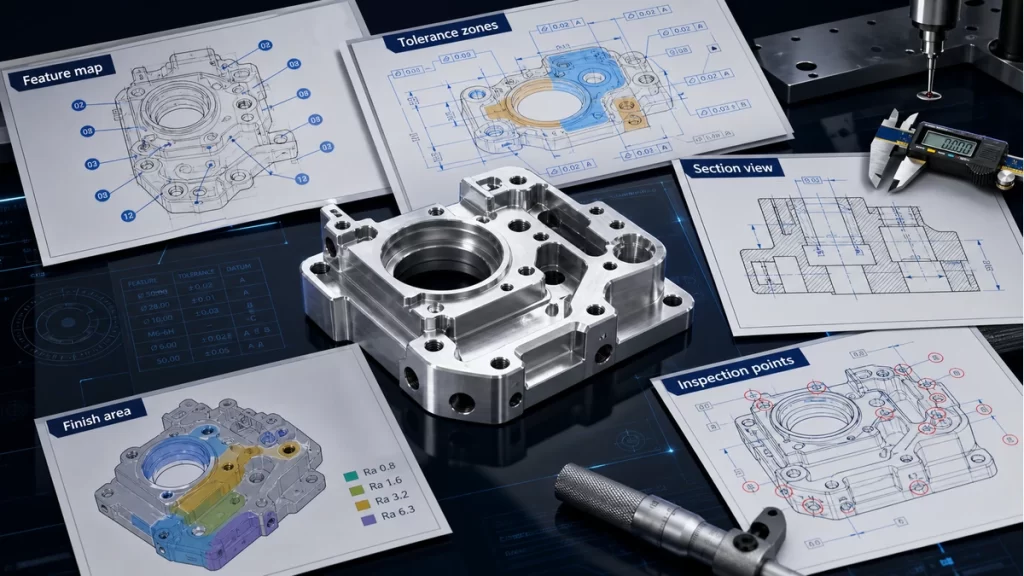
An ordering checklist helps connect prototype cost to the intended test. Before releasing a CNC prototype, the team should identify which features are functional, which tolerances are critical, which surfaces matter cosmetically, and which areas can be simplified without harming the test.
That checklist helps DEBAOLONG reduce cost while preserving engineering value. Grouped setups, simpler geometry, smarter tolerance choices and early DFM communication often save more than late negotiation after the design has already locked in unnecessary machining complexity.
DEBAOLONG Engineering Review
Mark the features essential to the prototype test and separate them from preferences that can change. Provide the revision and quantity for each variant, plus acceptable material or finish alternatives. Ask for cost-saving suggestions against those boundaries so a lower price does not remove the evidence the prototype was ordered to obtain.
For broader manufacturing planning, review Knowledge Center, compare major manufacturing process options, or use DFM for prototyping to connect early design decisions with production-ready parts.