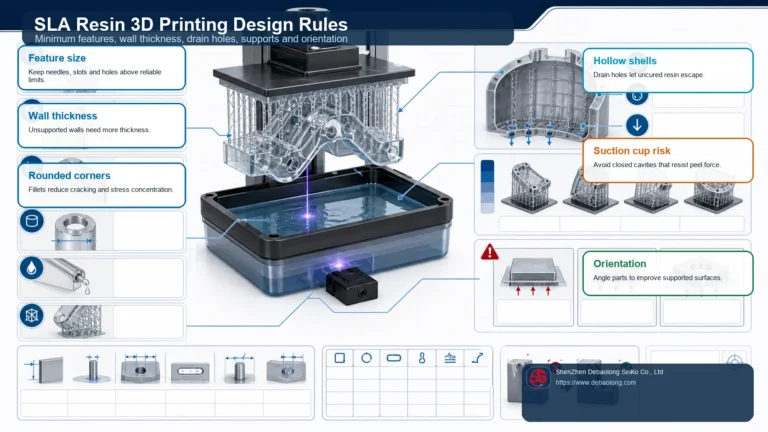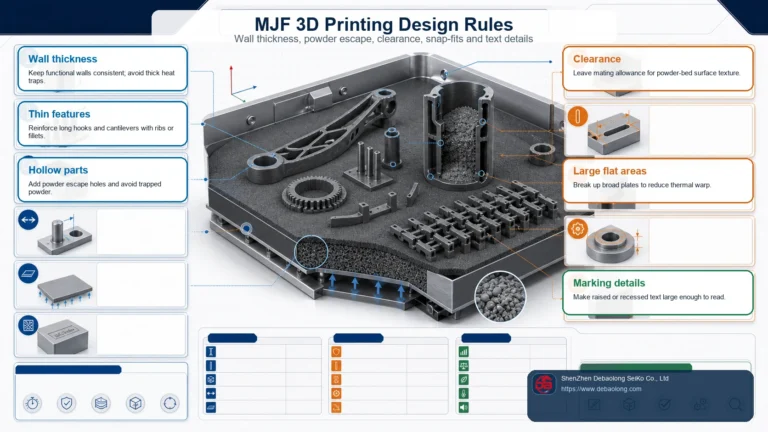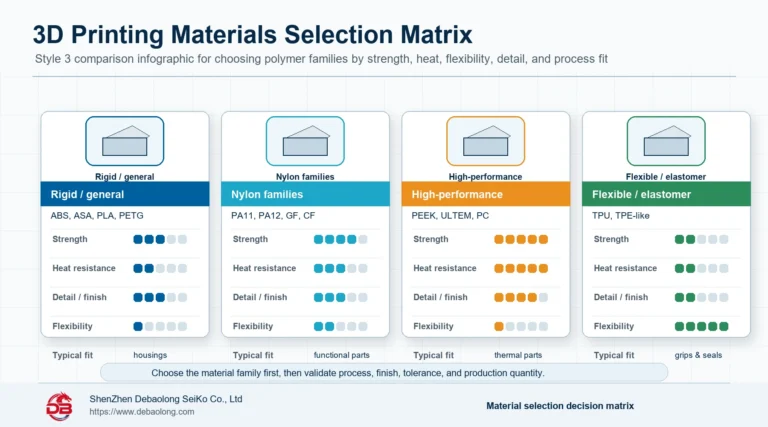
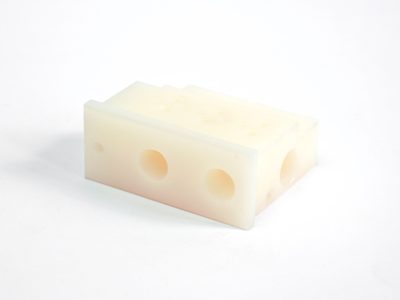

Before printing an electronics part, state what the prototype must help the team decide. Board clearance, connector access, cable routing, fastening and assembly sequence are different review tasks. Select the process, material and inspection approach around that task, then record the part revision and findings. A useful prototype can support a manufacturing decision without establishing the final application’s heat, flame, electrical or long-term performance.
When Electronics Teams Should Consider 3D Printing
Electronics projects often move quickly from circuit layout to enclosure, connector, fixture and assembly review. Additive manufacturing is useful when teams need physical feedback before hard tooling, machining or molded production is justified.
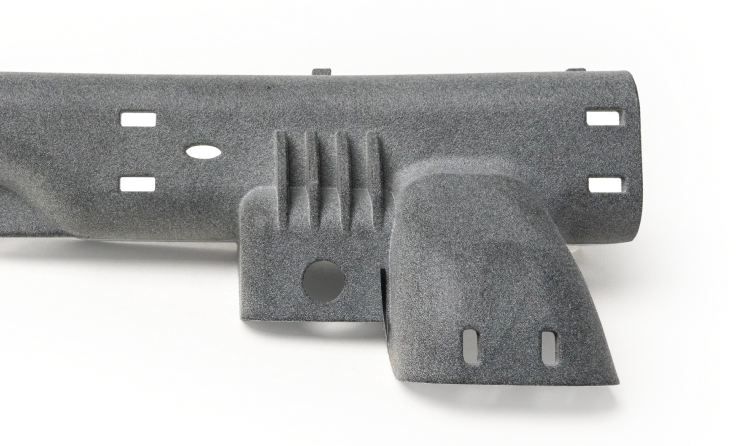
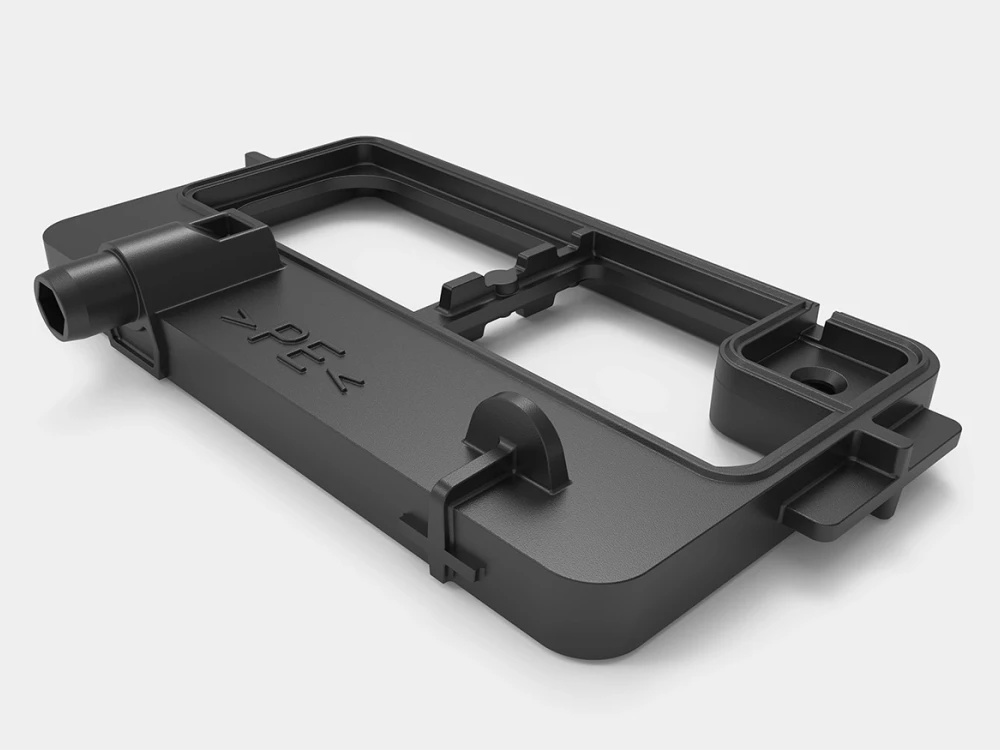
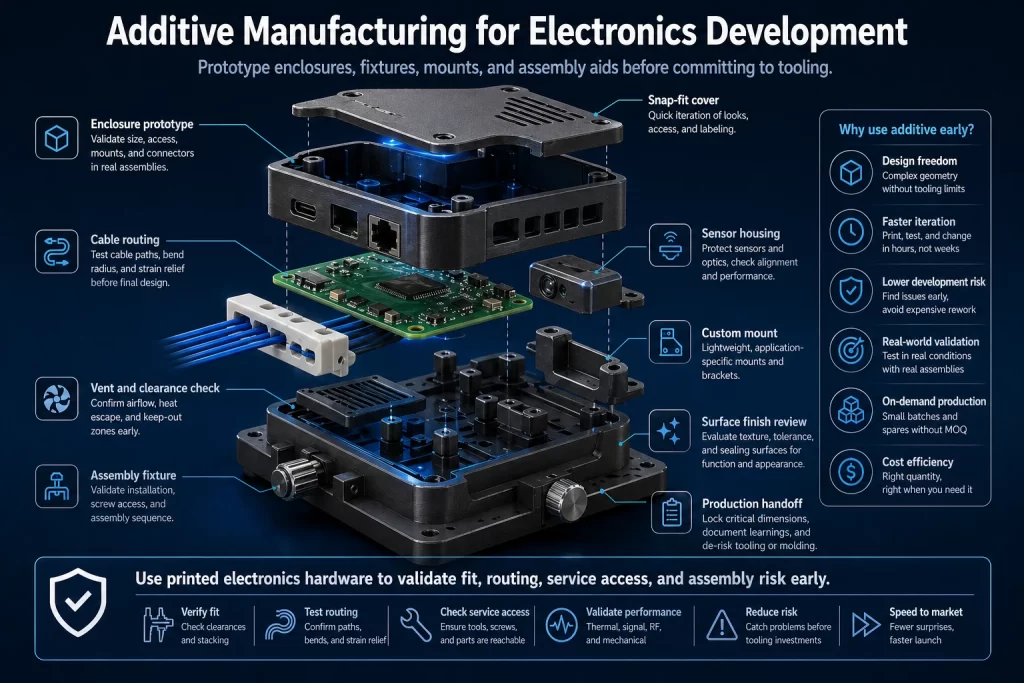
The strongest use cases include enclosure prototypes, cable routing samples, sensor housings, custom mounts, test fixtures and assembly aids. The printed part should always be tied to a specific engineering question rather than treated as a generic sample.
Use the printed part to answer a defined question: board clearance, connector access, cable routing, button feel, fixture repeatability or assembly sequence. A prototype that is not tied to a decision can create visual confidence without reducing production risk.
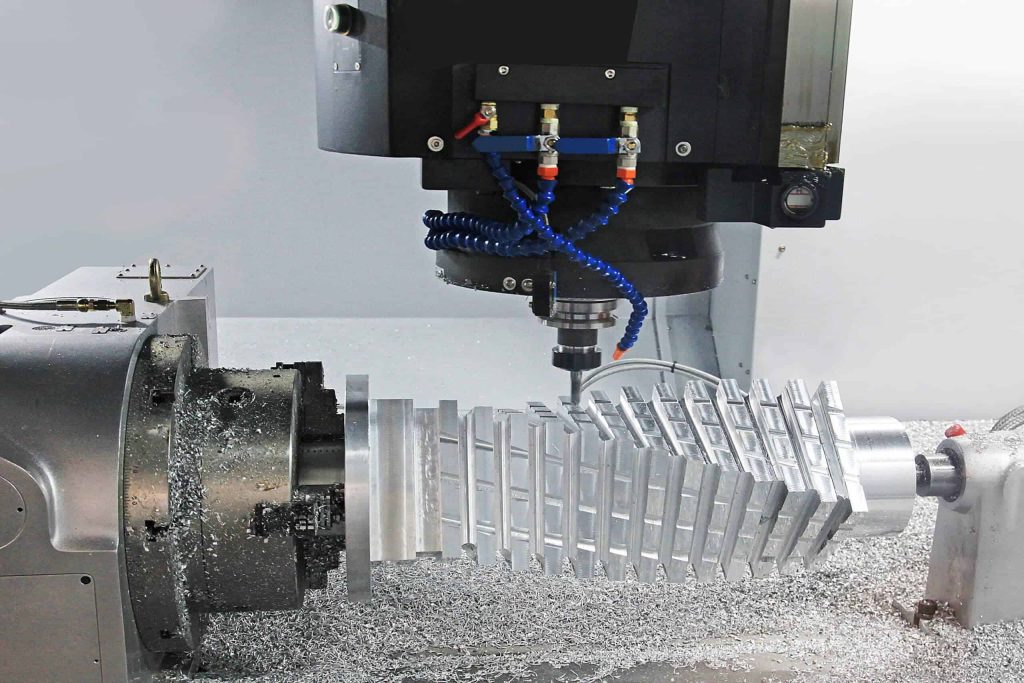
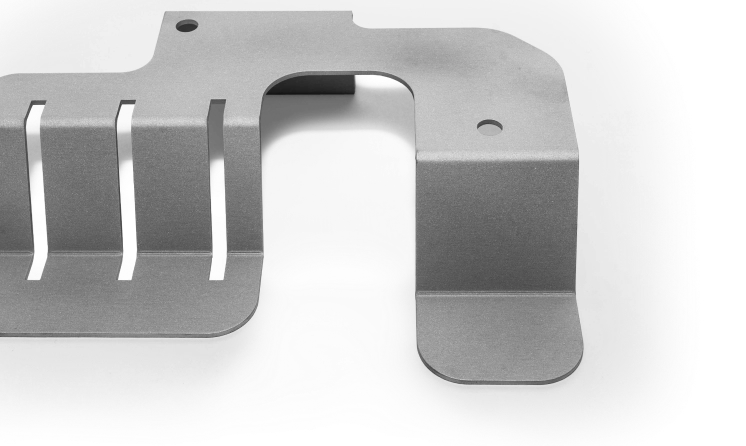
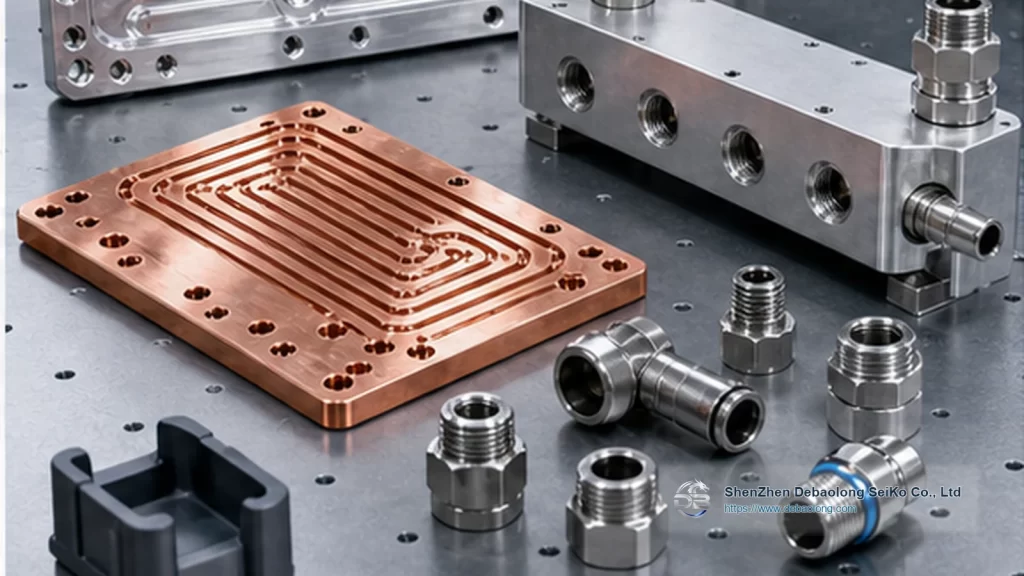
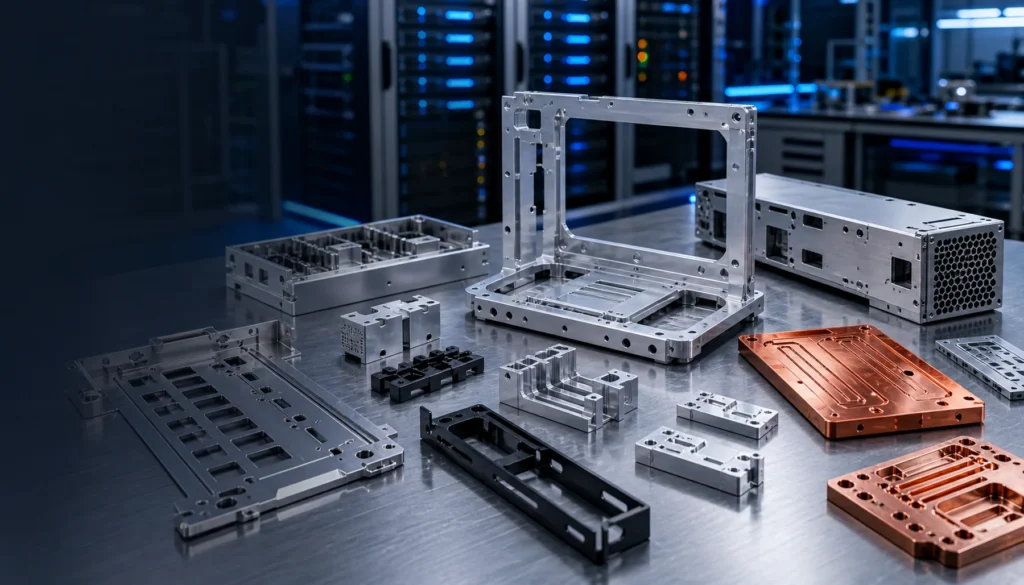
Electronics parts also need early review for heat, flame behavior, electrostatic sensitivity, insert strategy and enclosure stiffness. Those requirements decide whether the printed part is only a development aid or a realistic bridge toward CNC machining, sheet metal or molding.
On-Demand Production and Faster Prototyping
Use an on-demand print build to collect feedback on a controlled design revision before committing to production tooling. Confirm the material, build route, inspection needs and agreed schedule for that iteration. Printing availability or a successful assembly check does not establish a guaranteed lead time, minimum order policy or the final application’s qualification.
This supports faster innovation because the team can test more enclosure shapes, board supports, button layouts, mounting points and connector openings while the design is still flexible.
Short build cycles are especially valuable when the PCB outline, connector position or display opening is still changing. Printing lets mechanical and electrical teams test the same revision quickly instead of waiting for a full production route.
For small batches, on-demand production can also support test jigs, programming fixtures, protective covers and low-volume accessories. The design still needs version control, clear material notes and inspection expectations so each iteration teaches something useful.
Innovation, Customization and Experimental Materials
Additive manufacturing gives engineers more room to explore custom geometry, low-volume variants and experimental material ideas. It can support housings with unusual shapes, lightweight supports, conformal fixtures and short-run accessories.
However, experimental materials must be reviewed carefully. Heat, flame behavior, electrical insulation, surface finish and long-term stability matter in electronics applications.
Customization is useful for device variants, cable exits, mounting layouts and region-specific accessory designs. Additive manufacturing can support these differences without new tooling, but every variant should still be checked against fastening, assembly and service requirements.
Experimental materials should be used carefully. A material that prints well may not survive heat cycling, cleaning chemicals, screw loads or repeated handling inside an electronics program.
Surface Finish, Lightweight Design and Waste Reduction
Surface quality, lightweight design and material use also affect the process choice. Printed parts can reduce material removal compared with machining, and some processes can produce acceptable surfaces for internal device prototypes or fixtures.
Designers should still plan post-processing when cosmetic appearance, tactile quality or assembly interfaces matter. A printed electronics housing may need sanding, coating, inserts or machining on critical features.
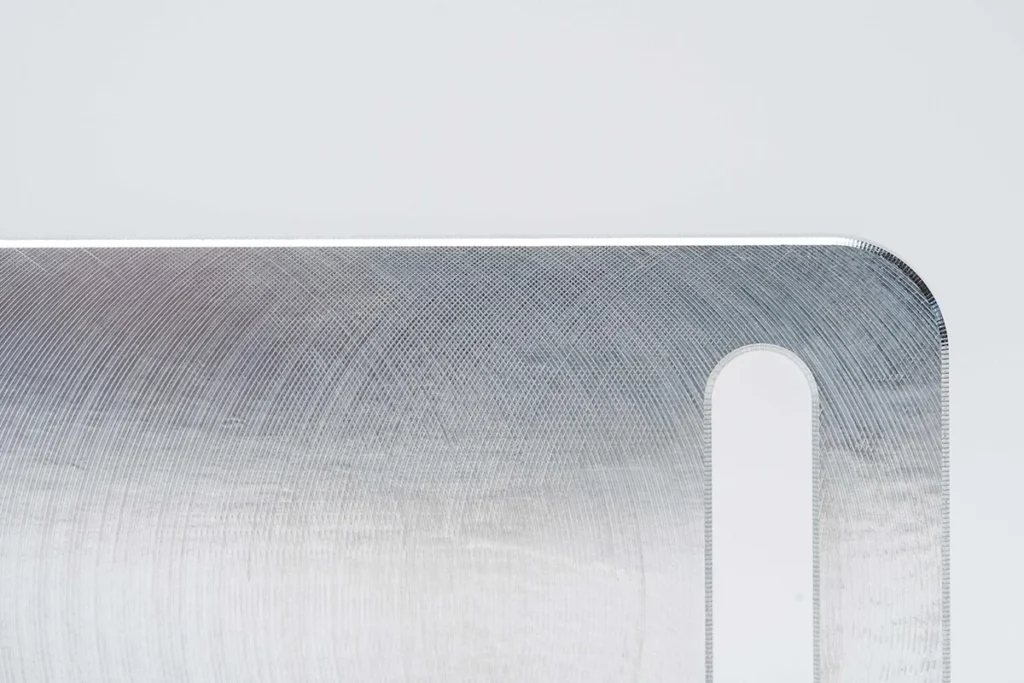
Surface finish affects more than appearance. It can change button travel, gasket contact, label adhesion, dirt retention and how a customer-facing enclosure feels in the hand.
Lightweight design should protect stiffness around fasteners, clips and PCB supports. Removing material is only valuable when the remaining geometry still controls vibration, assembly force and impact risk.
Engineering Review for Electronics Applications
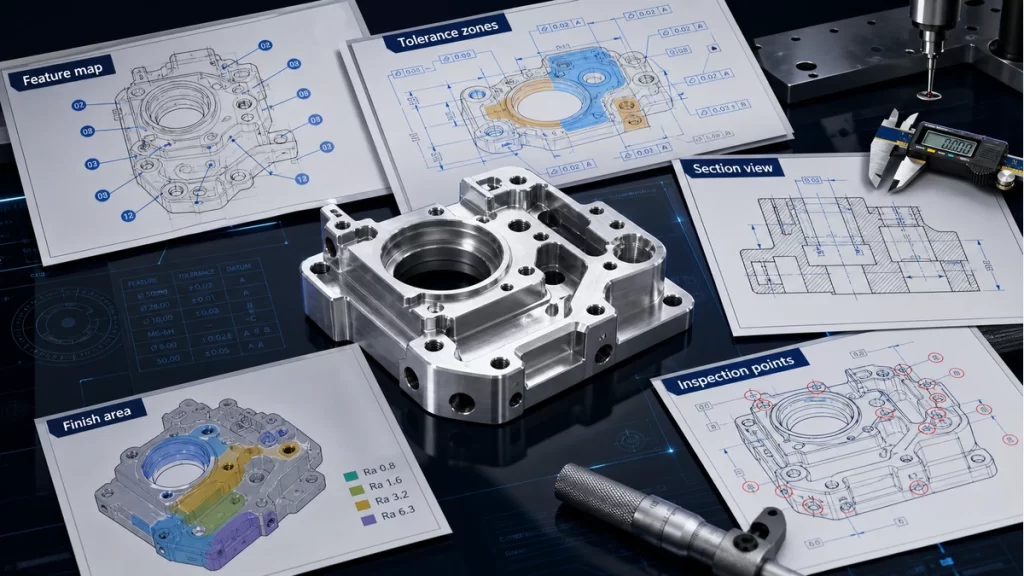
For a project review, send the controlled CAD and drawing with board keep-out zones, fastening strategy, connector interfaces, material intent, operating exposure and production stage. Identify what the printed prototype will demonstrate and what needs separate material or application validation. Review the transition to CNC machining, sheet metal or molding against the same functional requirements. Keep unresolved items visible in the brief rather than treating a visual prototype as production approval.
A practical release review should include PCB keep-out zones, screw boss dimensions, insert pull-out risk, connector tolerance stack-up, thermal exposure and the planned transition to production manufacturing.
DEBAOLONG can use the printed prototype as evidence, but the final process choice should be based on functional duty, quantity, material behavior and the customer-facing finish requirement.
Practical Release Checklist
Before releasing a design for quotation or production, confirm the intended application, annual or batch quantity, material requirement, critical dimensions, cosmetic expectations, operating environment, inspection method and acceptable lead time. These inputs make the manufacturing recommendation more reliable and prevent the article’s guidance from being used as a generic rule without project context.
For related planning, review Knowledge Center, compare major manufacturing process options, or use DFM for prototyping before production release.