
A professional DFM guide covering process choice, realistic tolerances, material selection, assembly simplification, supplier feedback, analysis tools and production risk reduction.
Why DFM Matters Before Release
Design for Manufacturing is the discipline of shaping a product so it can be made repeatedly, economically and with predictable quality. It is not only a cost-cutting exercise. Good DFM reduces late redesign, improves yield, shortens supplier communication and makes the drawing easier to quote, machine, mold, form, print and inspect.
The expensive moment is usually not the first prototype. It is the point where the design is frozen, purchase orders are issued and a small manufacturability issue suddenly affects tooling, fixtures, assembly labor or delivery. DFM moves those issues forward into the design phase, where they are cheaper to solve.
Simplicity, Standardization and Assembly
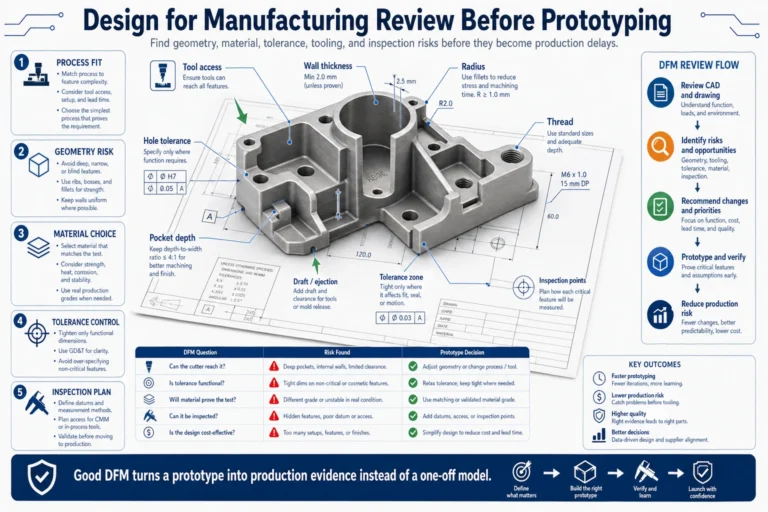
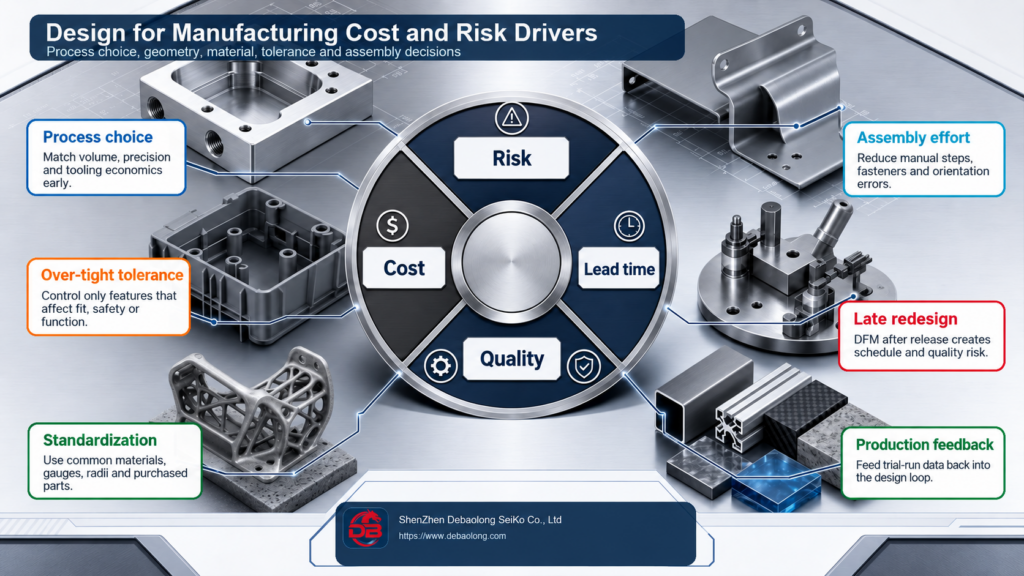
The first principle is simplicity. Fewer unique features, fewer custom fasteners, fewer hidden surfaces and fewer special setups usually mean lower production risk. A simple design is not a weak design; it is one where each feature earns its place by supporting function, assembly, inspection or service.
Standardization gives purchasing and production more stable options. Standard materials, radii, hole sizes, threads, sheet thicknesses and fasteners reduce custom tooling and special handling. Assembly also needs DFM attention. If a part can be oriented only one way, reached only by a long tool or assembled only with manual alignment skill, the design contains hidden production cost.
Process Choice Comes Early
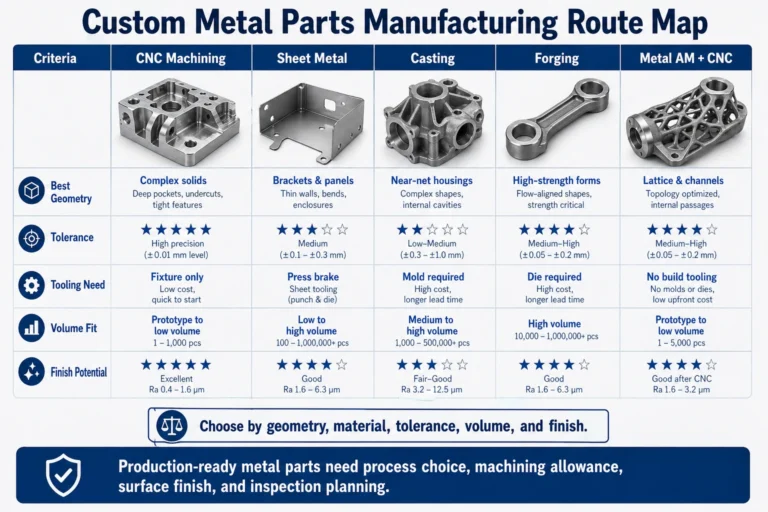
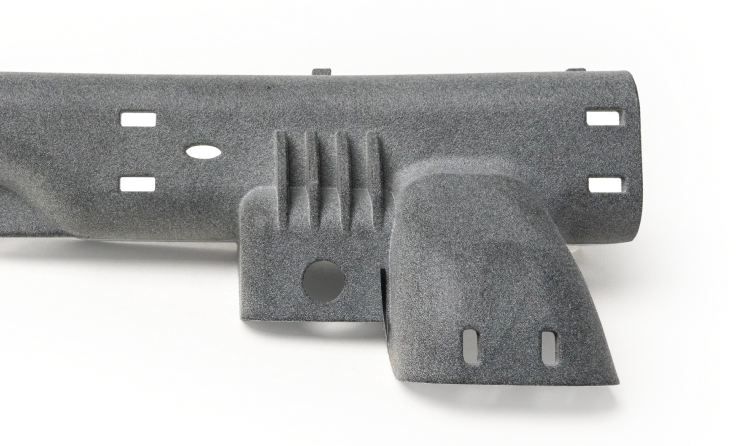
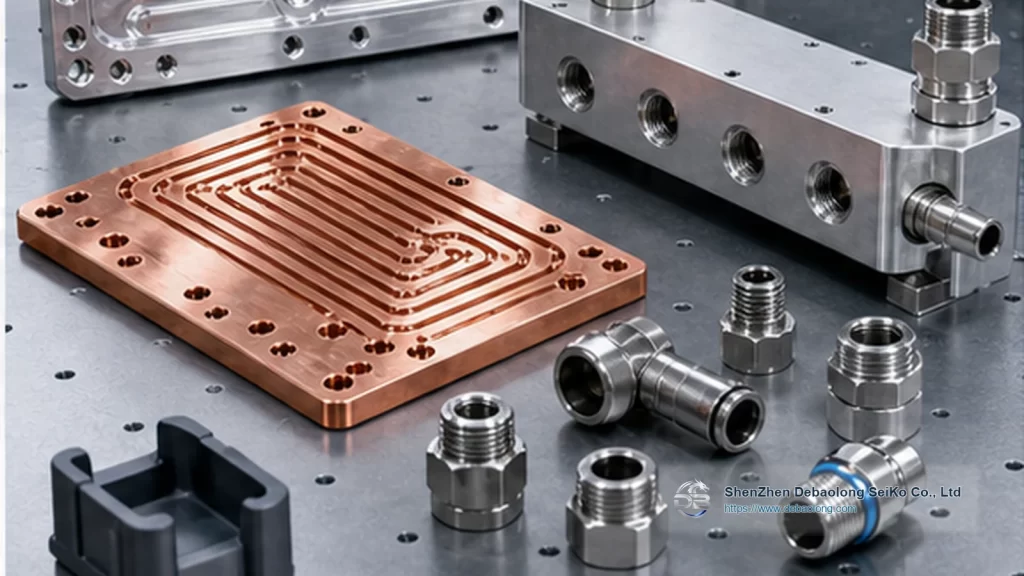
DFM starts with process choice. CNC machining, sheet metal fabrication, injection molding, die casting, waterjet cutting and 3D printing each reward different geometry. A rib that is excellent in molding may be unnecessary in machining. A sharp inside corner that looks harmless in CAD may force a smaller tool, longer cycle time or an EDM operation. DEBAOLONG’s guide to CNC CAD mistakes shows how these details become real cost drivers.
Volume matters as much as geometry. A design optimized for ten prototype units may not be economical at ten thousand units. Tooling, fixturing, nesting, cycle time, inspection sampling and secondary operations should be considered before the design is locked.
Realistic Tolerances and Material Decisions
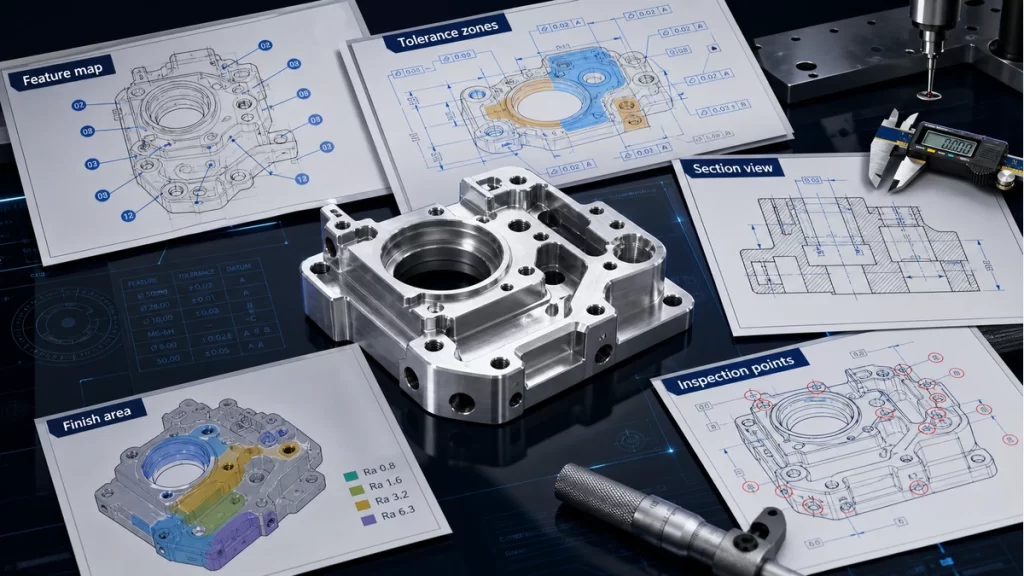
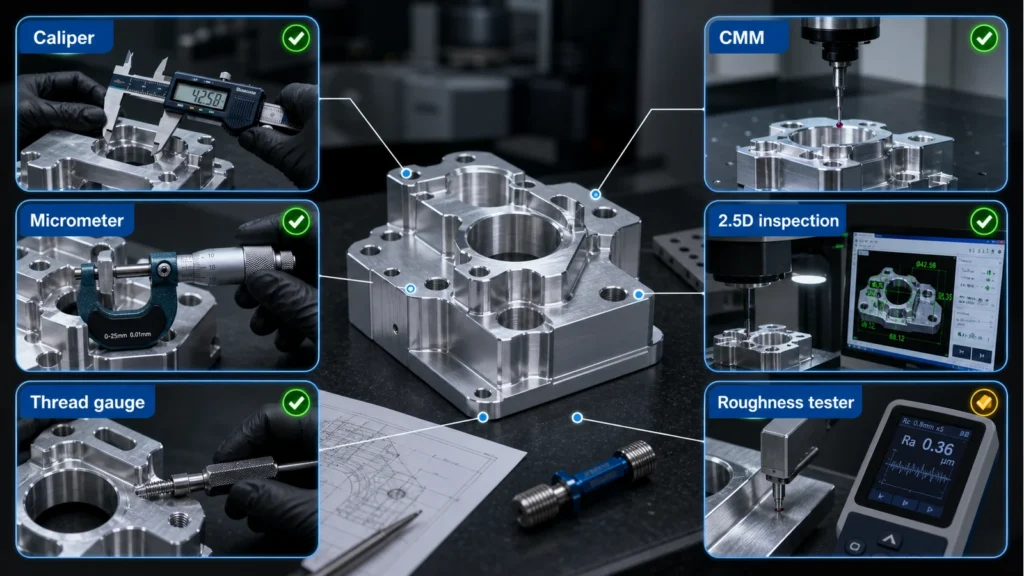
Tolerance discipline is one of the highest-value DFM habits. Tight tolerances should be reserved for features that affect fit, safety, sealing, motion, optics or controlled assembly. Applying precision everywhere increases inspection burden and may create scrap without improving function.
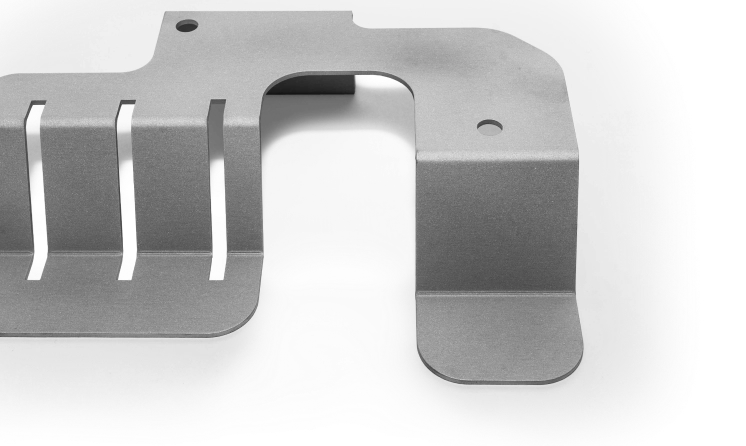
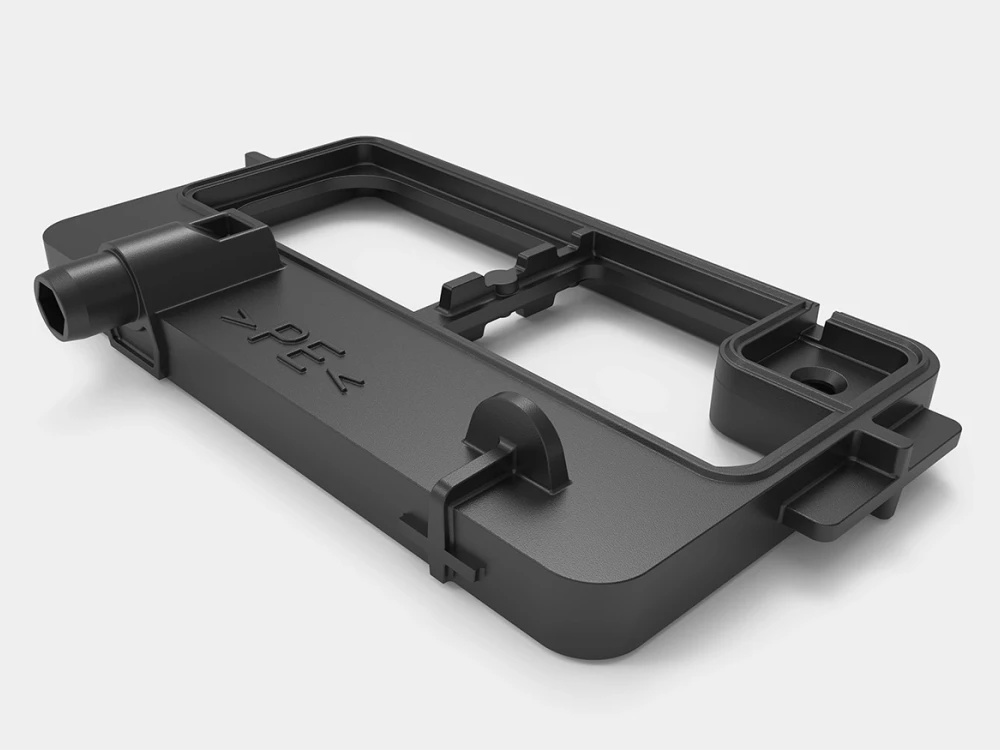
Materials should be selected for the process, environment and finishing route together. Heat treatment, plating, anodizing, welding, bending, shrinkage, moisture absorption and post-machining stress all influence final dimensions. For molded parts, injection molding tolerance behavior depends heavily on shrinkage, wall thickness and tool control. For sheet metal, the bend radius and flange layout can determine whether a clean forming operation is possible; see DEBAOLONG’s sheet metal bending design guide for related rules.
DFM Workflow and Team Integration
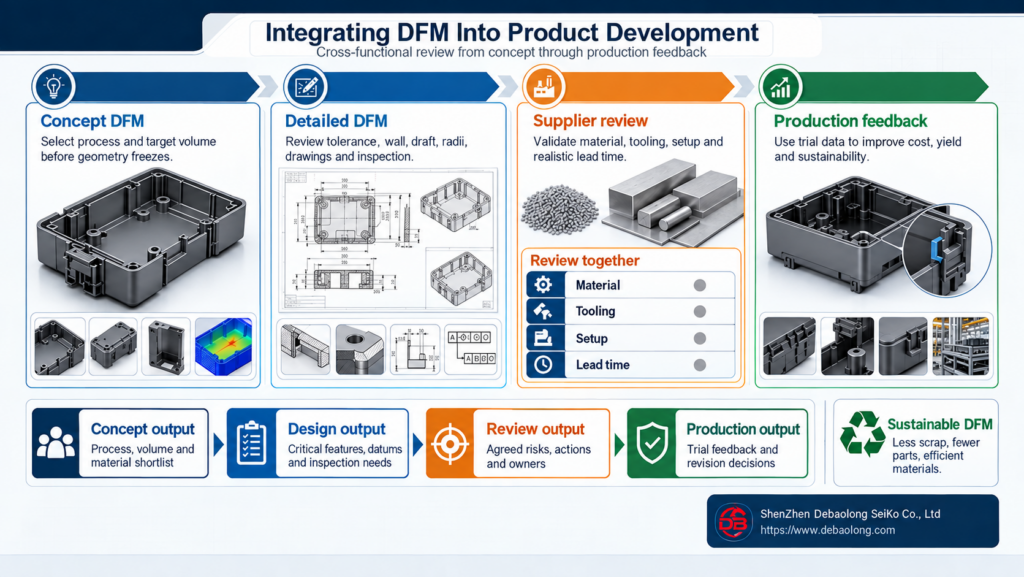
A strong DFM workflow begins at concept review, not after procurement. Engineering should identify critical features, likely manufacturing processes, expected volumes and candidate materials early. During detailed design, the team checks wall thickness, tool access, radii, draft, tolerances, datums, parting lines, supports, nesting and inspection strategy.
Supplier review is not a formality. The manufacturer sees machine limits, fixture constraints, operator access, surface finish tradeoffs and inspection realities that may not appear in CAD. Production feedback then closes the loop: scrap reports, rework data, cycle time and assembly notes should feed the next design revision.
Tools, Sustainability and Business Impact
DFM analysis can use checklists, CAD manufacturability tools, tolerance stack-up analysis, mold-flow simulation, finite element analysis, nesting software, CAM review and prototype inspection data. The tool is less important than the discipline: every flagged issue needs an engineering decision, not a vague note to be solved later.
Good DFM also supports sustainability. Fewer setups, less scrap, lighter parts, standard stock, efficient nesting and repairable assemblies reduce material waste and energy use. The business result is practical: fewer late changes, more reliable quotes, better launch timing and products that can move from prototype to production without unpleasant surprises.