Engineering review for every RFQ
CNC · 3D Printing · Sheet Metal · Injection Molding
Prototype · Low Volume · Production
Process, material, finish and inspection decisions connected

Shenzhen, China

Search
Menu

A practical manufacturing partner connecting process, materials, applications and review.

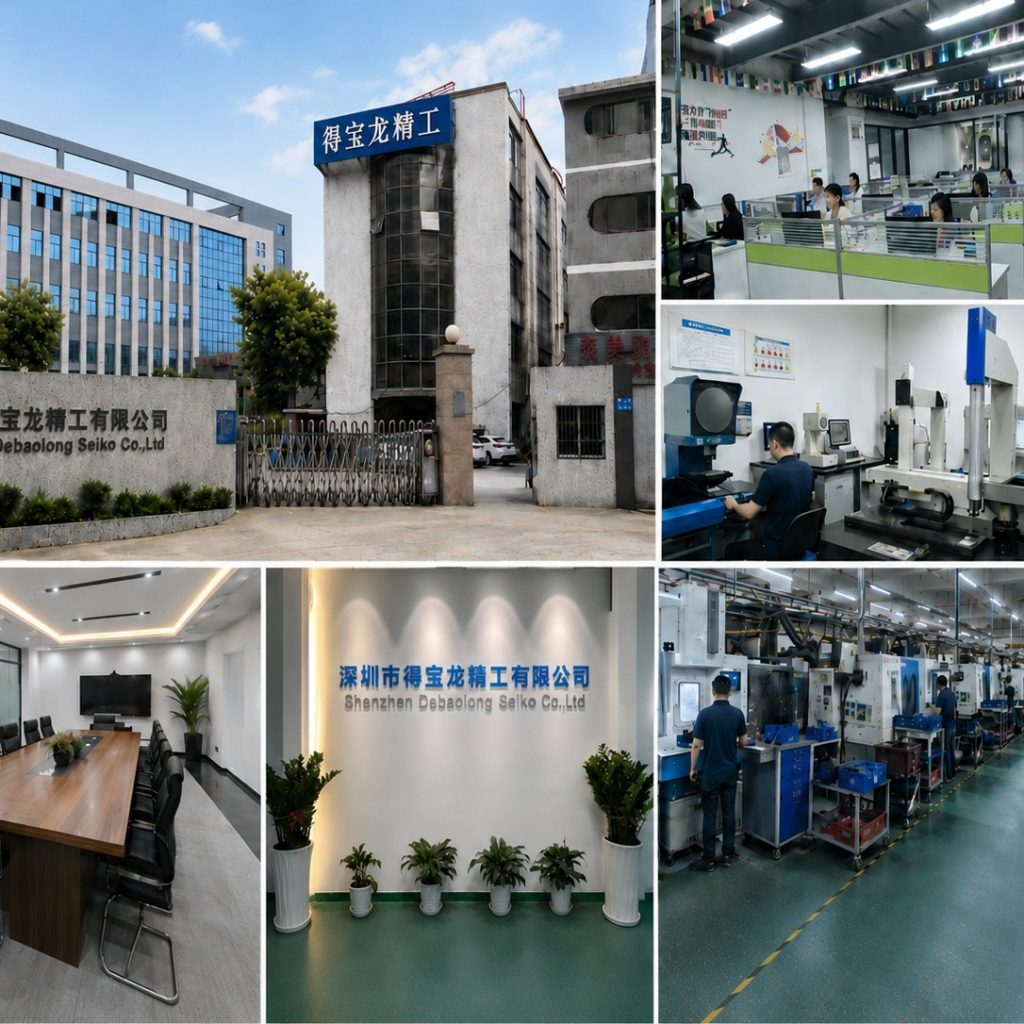
The factory collage shows building, workshop and manufacturing context.

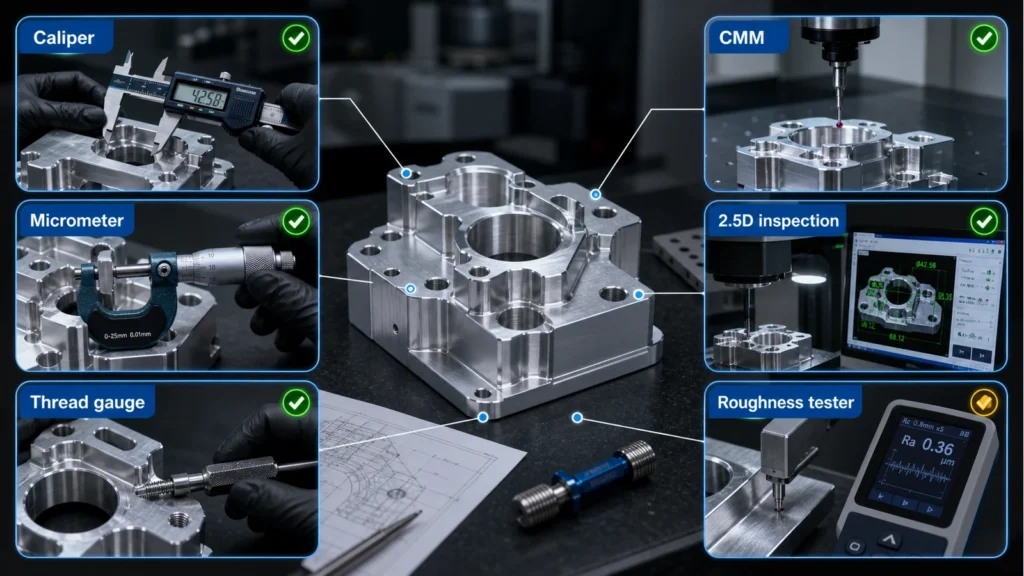
An illustrative planning graphic connects critical features, manufacturing decisions and engineering review. It is not a production inspection record.

Use Contact for general conversation or Engineering Review for a project-specific brief.

SURFACE FINISHES

Choose surface treatment by function, material and inspection

Silver machined plate with triangular openings and visible tool paths
Representative as-machined and Type II anodized surface — explore the finish.

Compare appearance, corrosion, wear, texture, dimensional change, masking and acceptance needs before specifying the finish route.

FINISH FAMILIES

Move from required outcome to a compatible process

Select a finish family to compare surface examples, compatible routes and the requirements to confirm for your part.

Swipe the finish tabs on smaller screens.

01 / FINISH FAMILY

Mechanical / as-produced

Distinguish the as-machined, as-molded or as-cast condition from a separate deburring or tumbling operation. Describe the edge and surface condition the assembly needs.

Confirm for your part: Identify burr-sensitive passages, sharp-edge limits, visible tool marks, datums and surfaces that must retain their specified dimensions.

Machined metal component with a circular bore, two smaller holes and visible tool marks
Representative as-machined surface. Confirm the required material and finish during engineering review.
02 / FINISH FAMILY

Texture / blasting / brushing

Choose the intended texture and visual direction first. State whether the request is bead blasting, sand blasting or directional brushing, rather than treating these names as interchangeable.

Confirm for your part: Confirm the substrate, texture reference, exposed cosmetic faces, masked interfaces and how the appearance will be accepted.

Matte silver metal plate with cutouts and a countersunk hole
Representative bead-blasted surface. Confirm the required material and finish during engineering review.
03 / FINISH FAMILY

Polishing / electropolishing

Separate a cosmetic appearance request from a measurable surface-finish requirement. Specify whether polishing alone or a combined brushing and electropolishing route is being considered.

Confirm for your part: Identify the critical faces, internal access, edge-detail restrictions and inspection method; review the sequence against the supplied material.

Close-up of a reflective polished metal corner
Representative polished surface. Confirm the required material and finish during engineering review.
04 / FINISH FAMILY

Anodizing / hardcoat

State the aluminum alloy and whether the drawing calls for Type II or Type III hardcoat. Define the required purpose, color and any preparatory texture as separate requirements.

Confirm for your part: Confirm the applicable specification, masking, threads, mating dimensions and appearance reference before accepting a combined finish sequence.

Red anodized enclosure with ventilation holes held in a blue-gloved hand
Representative brushed and Type II anodized surface. Confirm the required material and finish during engineering review.
05 / FINISH FAMILY

Conversion / passivation / black oxide

Keep conversion coating, stainless-steel passivation and black oxide as distinct requests. Start with the exact substrate and the drawing requirement, then review the relevant process.

Confirm for your part: For passivation, identify the stainless grade, prior operations and required verification. For every route, confirm the specification and any electrical-contact or masked areas.

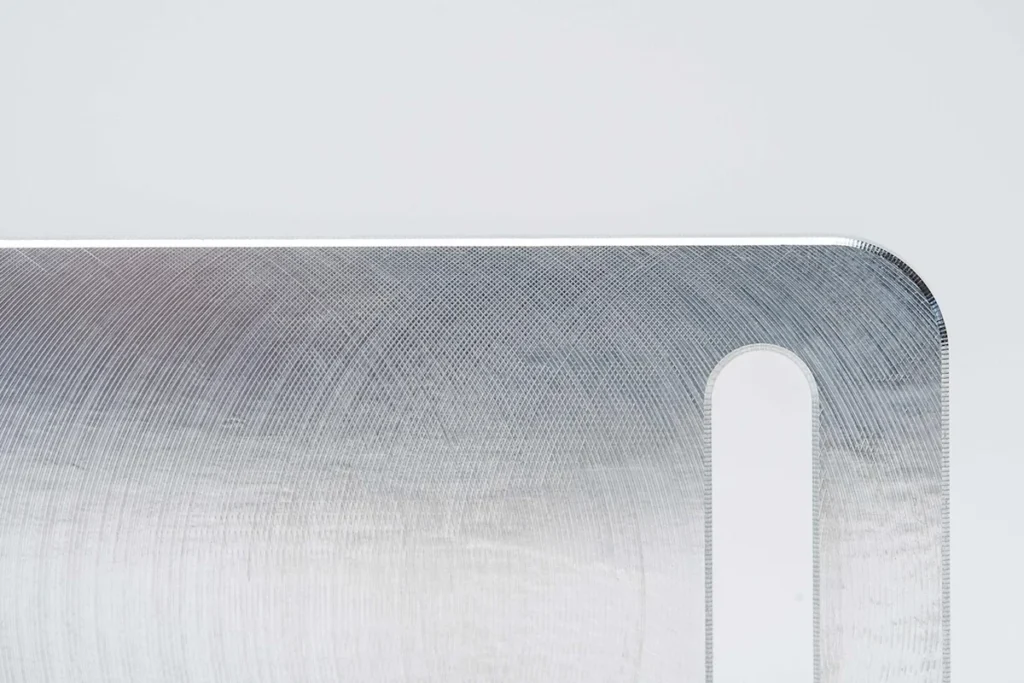
Silver surface-finish sample with a rounded corner and a vertical slot
Representative chromate-conversion surface. Confirm the required material and finish during engineering review.
06 / FINISH FAMILY

Plating

Name the requested plated system, such as electroless nickel, and the purpose it must serve. A generic request for electroplating does not define the substrate preparation or finished condition.

Confirm for your part: Review the base material, coverage, critical fits, masked areas and any drawing-defined thickness or test requirements with engineering.

Reflective metal surface-finish sample with a rounded corner and a vertical slot
Representative electroless nickel plated surface. Confirm the required material and finish during engineering review.
07 / FINISH FAMILY

Powder / E-coating / galvanizing

Specify powder coating, E-coating, galvanizing or another named coating as a project requirement. Compare the required environment, appearance and base material before choosing a route.

Confirm for your part: Provide the coating specification, color or texture reference, protected contacts, threaded features and acceptance requirements; confirm route availability during review.

Blue textured coated enclosure surface with mounting holes
Representative powder-coated surface. Confirm the required material and finish during engineering review.
08 / FINISH FAMILY

Marking

Define what the mark must communicate: part identity, traceability, orientation or branding. Provide the actual artwork or text and its location on the drawing.

Confirm for your part: Confirm legibility, contrast, orientation, marking area and the sequence relative to any surface treatment.

Illustrative marking layout
PART-001
REV A
09 / FINISH FAMILY

Additive post-processing

Distinguish the as-printed condition from support removal, depowdering, dyeing or smoothing. Identify the printing process and material so the proposed post-processing route can be reviewed.

Confirm for your part: Call out enclosed spaces, trapped-powder or support access, delicate features, fit surfaces and appearance references; confirm cleaning and final inspection needs.

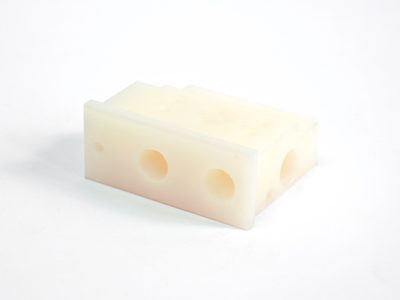
White polymer part with a circular flange and recessed geometric features
Representative SLS polymer part surface. Confirm the required material and finish during engineering review.

Review material, process, masking, fit and acceptance context together before specifying the finish route.

ENGINEERING SELECTION

Specify the finish around the feature that must survive it

Confirm these four requirements before releasing the finish specification.

01

Functional purpose

Corrosion, wear, conductivity, friction, cleanability and marking each lead to different finish families.

02

Material and process

Confirm substrate, heat treatment, additive or fabricated condition, and any combination finish before release.

03

Interfaces and masking

Call out threads, sealing faces, contacts, datums and fit surfaces that require masking or post-finish verification.

04

Acceptance

Define color or texture references, coating zones, critical dimensions and inspection evidence at project review.

Finish planning matrix

DecisionConfirm before quoteConfirm before production
OutcomeFunctional, cosmetic or bothReference standard and acceptance boundary
CompatibilityBase material and manufacturing routePre-treatment and combination sequence
GeometryThreads, pockets, contacts and fit surfacesMasking, buildup and measurement method
EvidenceCritical surfaces and customer referencesInspection record appropriate to the requirement

PROJECT-SPECIFIC FINISH REVIEW

Share the drawing and the surface outcome the part must achieve.

Debaolong can review material, process, masking, fit and acceptance context together.