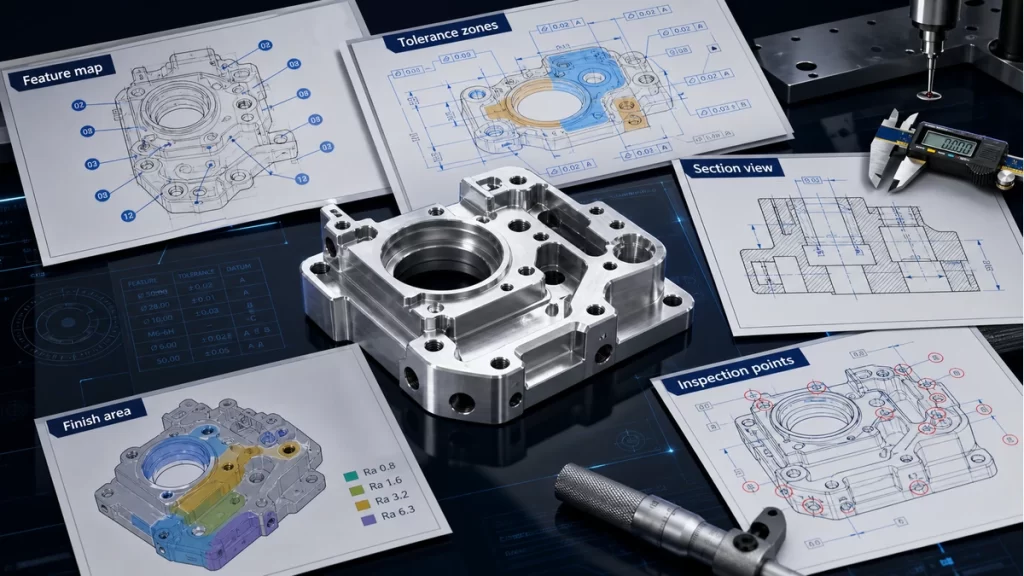
What CNC Machining Diagrams Procurement Engineers Want to See Before Sending an RFQ
See the CNC machining diagrams procurement engineers need before RFQ, from feature maps and tolerance zones to DFM risks and inspection methods.

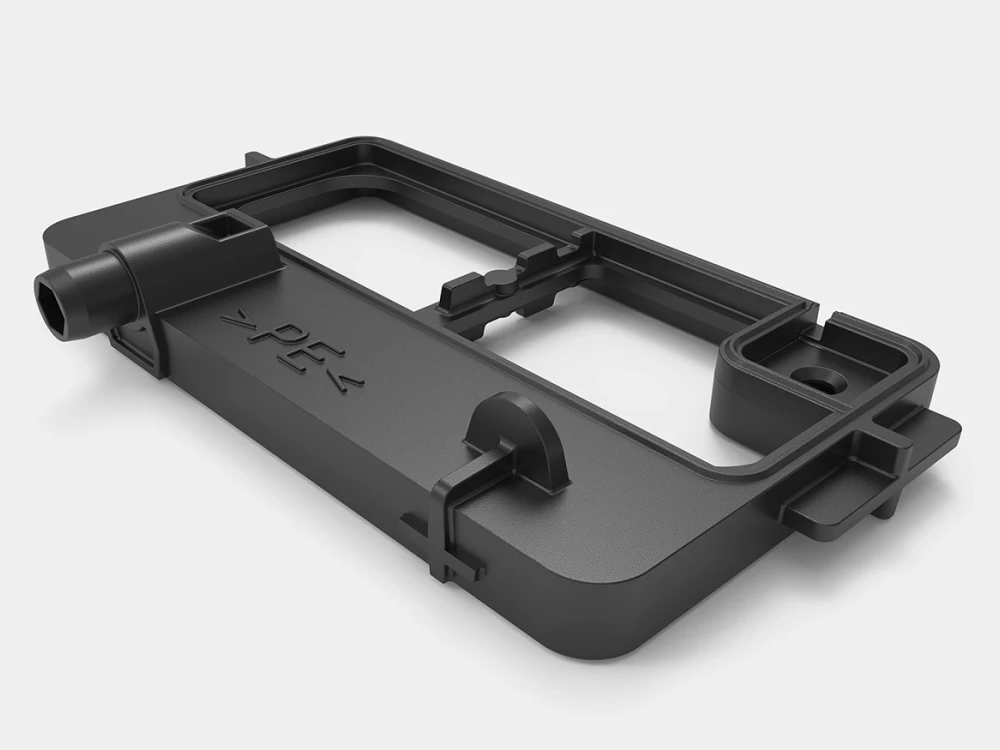

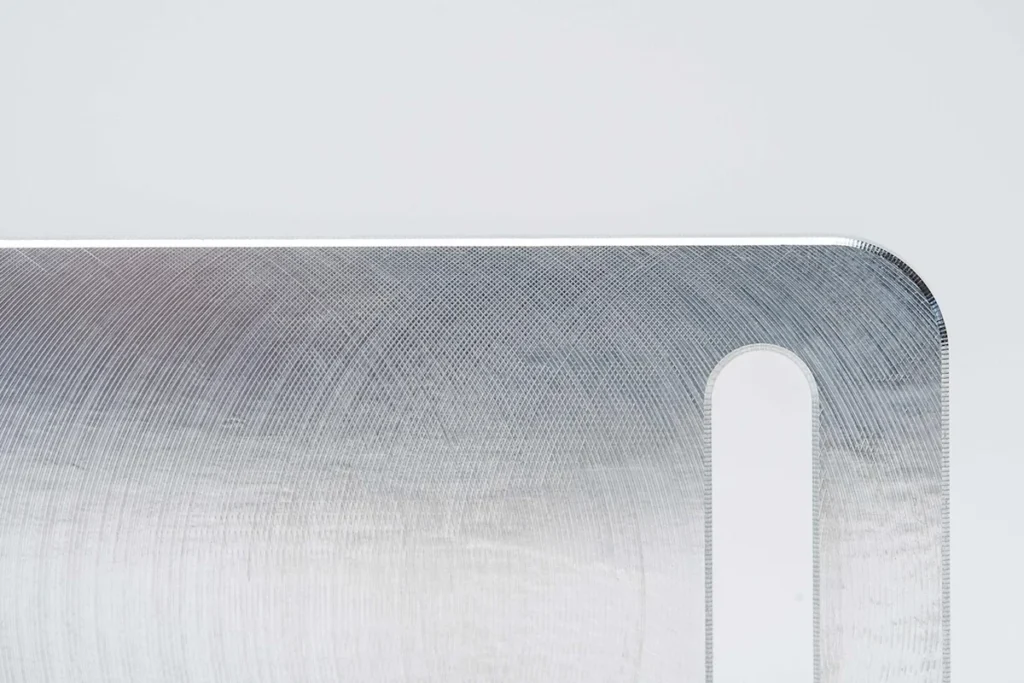




See the CNC machining diagrams procurement engineers need before RFQ, from feature maps and tolerance zones to DFM risks and inspection methods.

Learn what procurement engineers check before ordering CNC machined parts, including drawings, materials, tolerances, finishes, DFM and inspection.
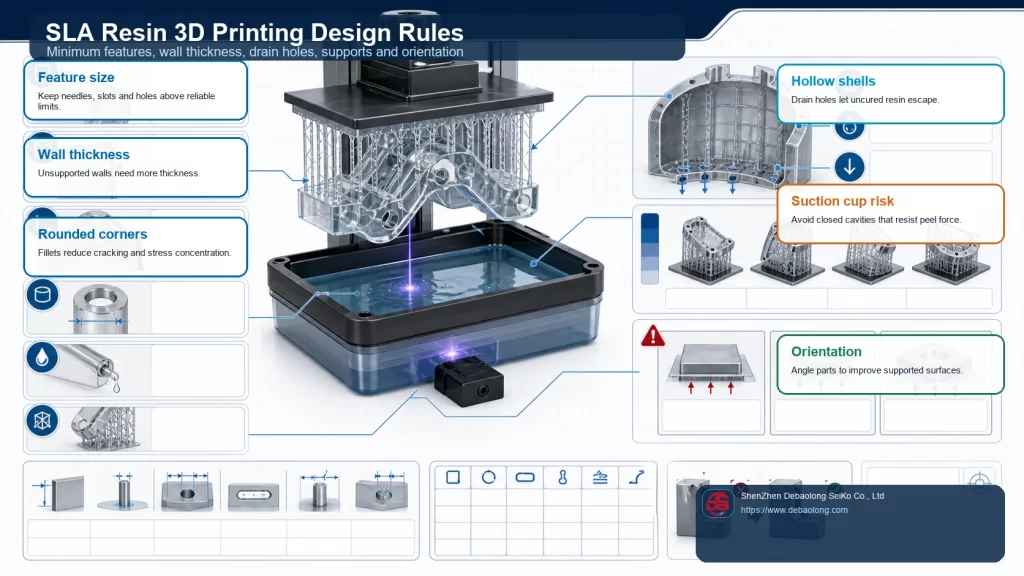
A detailed SLA resin 3D printing guide covering feature size, wall thickness, tolerances, hollowing, drain holes, fillets, markings, supports, orientation and suction-cup risk.
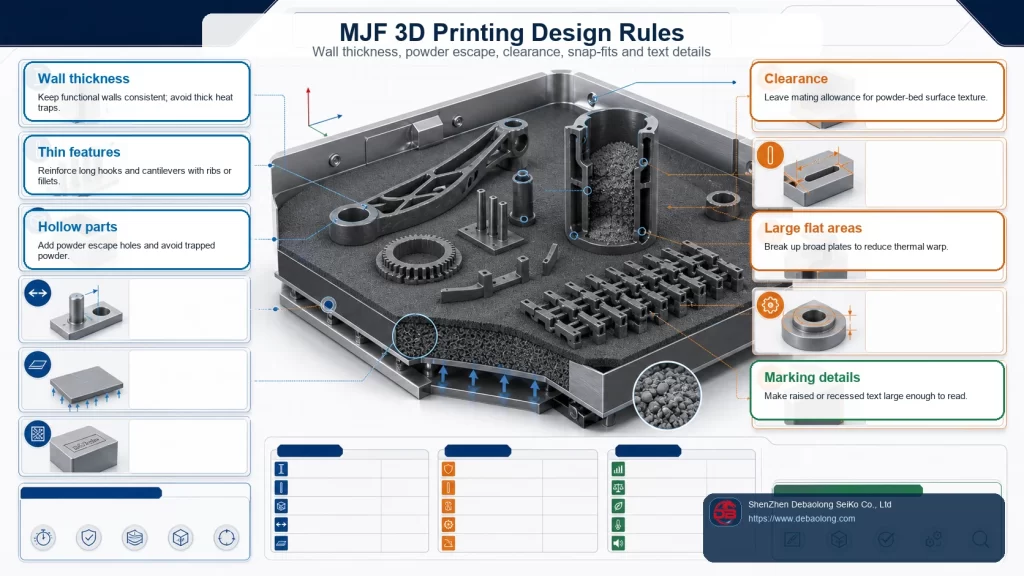
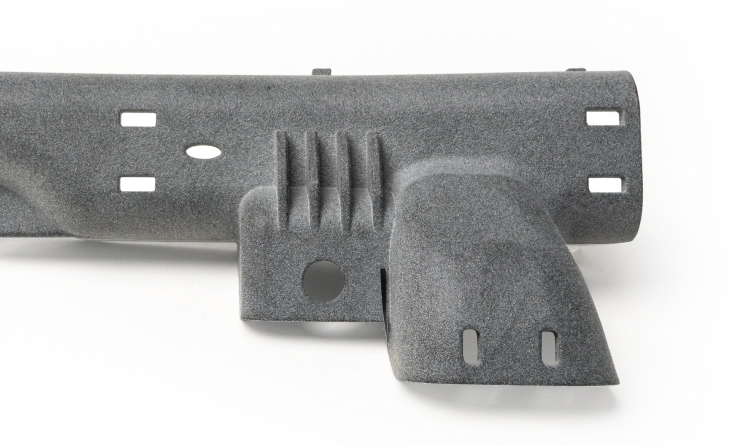
A practical MJF 3D printing design guide covering wall thickness, thin features, hollowing, powder escape, clearances, flat surfaces, snap-fits, deep holes and markings.
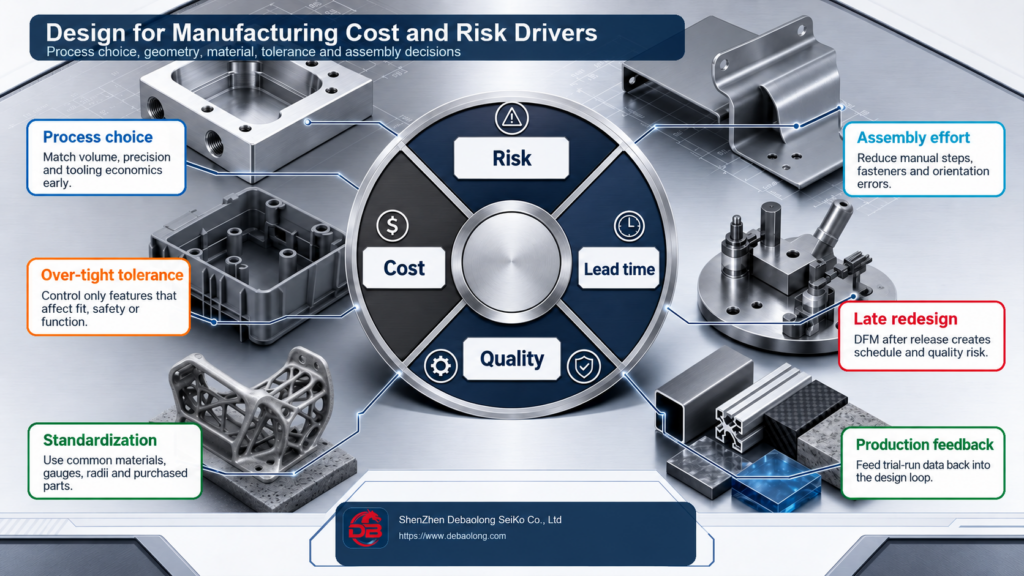
A professional DFM guide covering process choice, realistic tolerances, material selection, assembly simplification, supplier feedback, analysis tools and production risk reduction.

A practical GD&T straightness guide explaining surface straightness, axis straightness, tolerance zones, drawing callouts, material modifiers and inspection methods for machined parts.
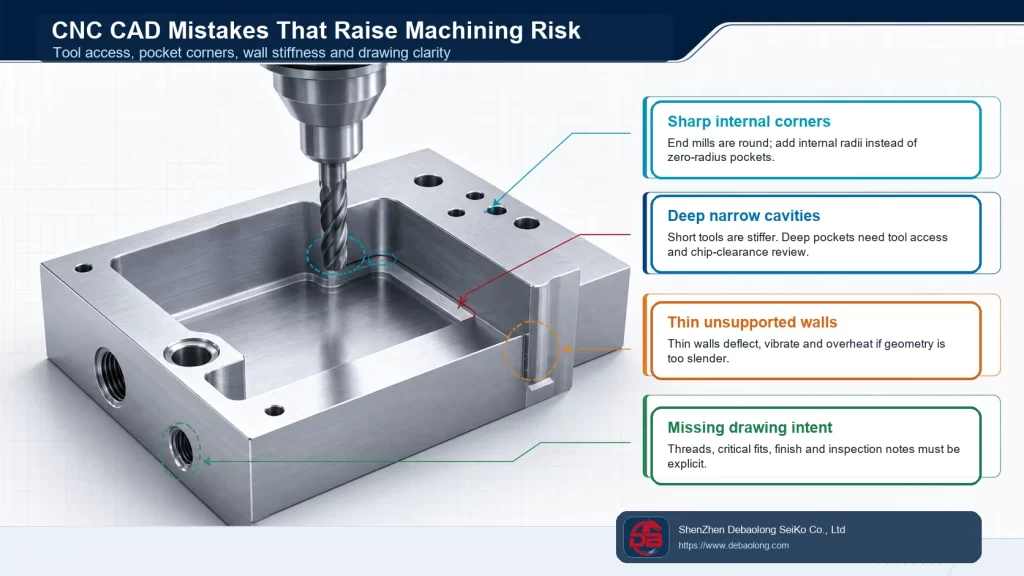
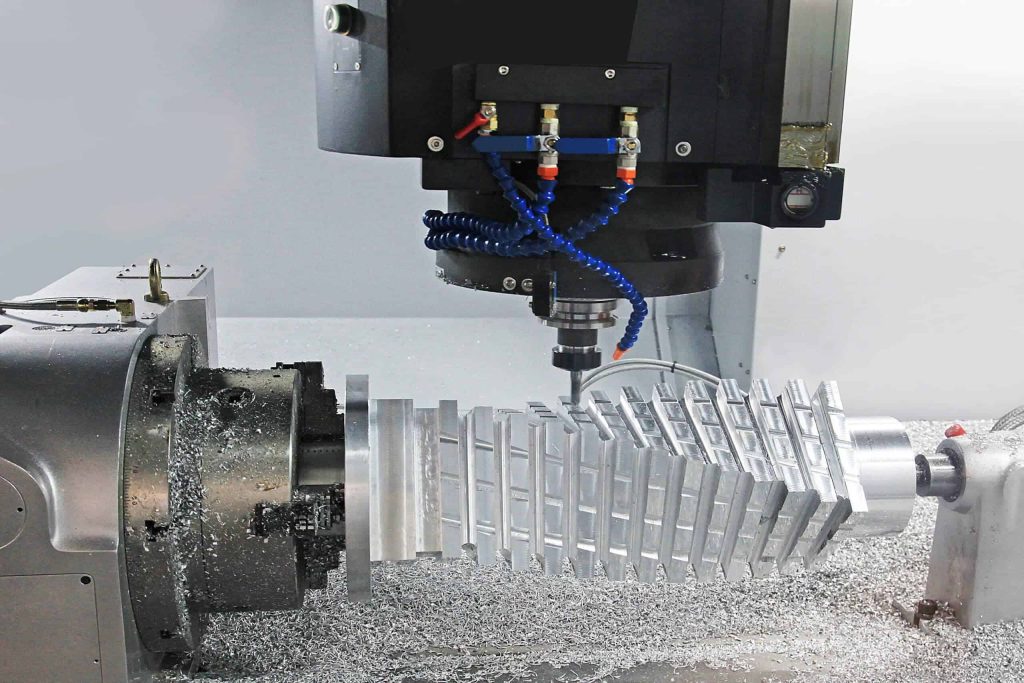
A professional CNC design guide covering sharp internal corners, deep pockets, thin walls, small holes, over-tight tolerances, material behavior and incomplete drawings.
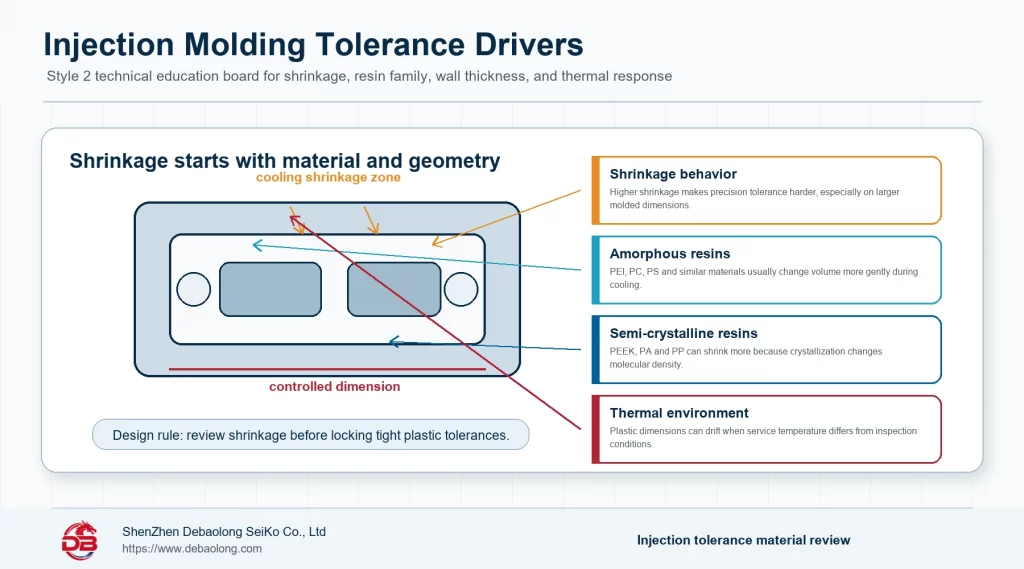
A professional guide to injection molding tolerances, covering material shrinkage, warpage, thermal expansion, wall thickness, part complexity, tooling type, mold cooling and process control.
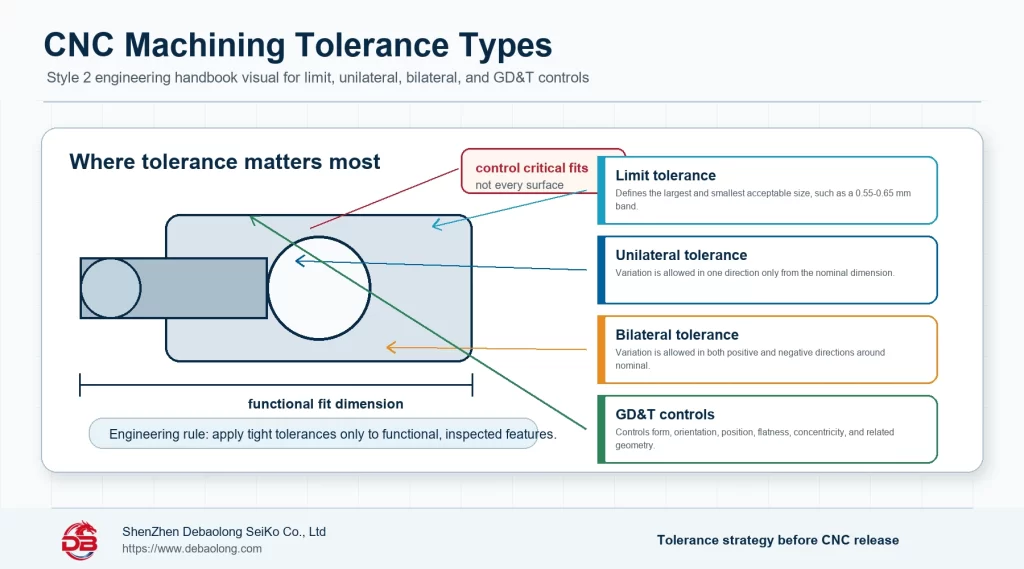
A practical engineering guide to CNC machining tolerances, including machine capability, design tolerance, limit, unilateral and bilateral tolerances, GD&T, material effects, inspection planning and cost control.
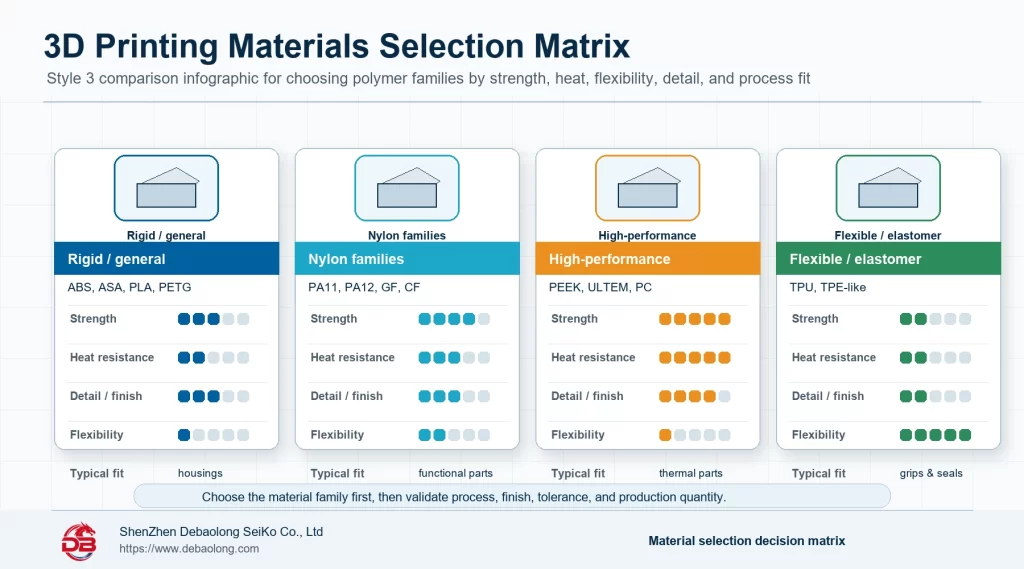
A professional 3D printing material selection guide covering rigid plastics, nylon families, high-performance polymers, SLA resins, flexible TPU materials, and process fit.
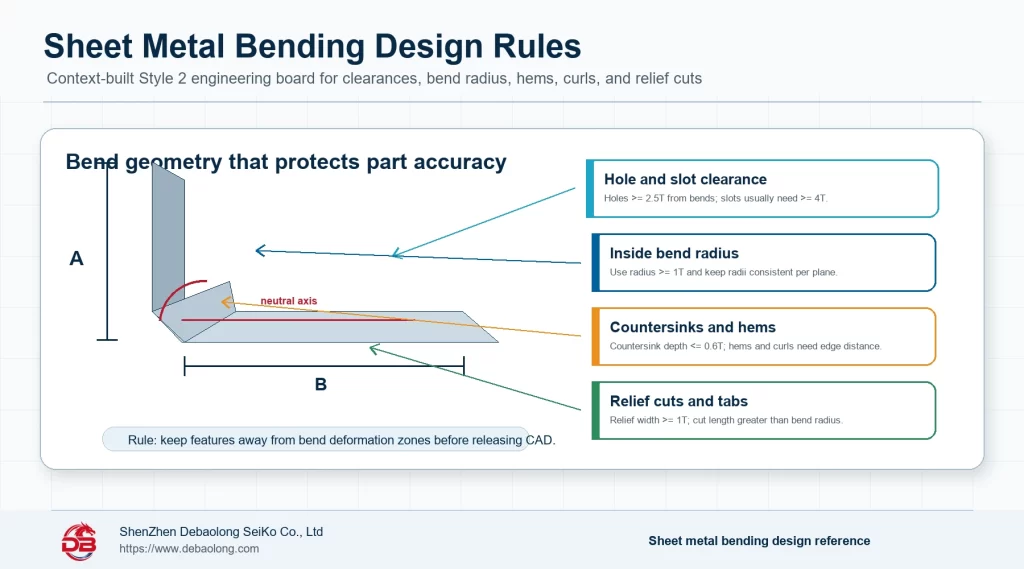
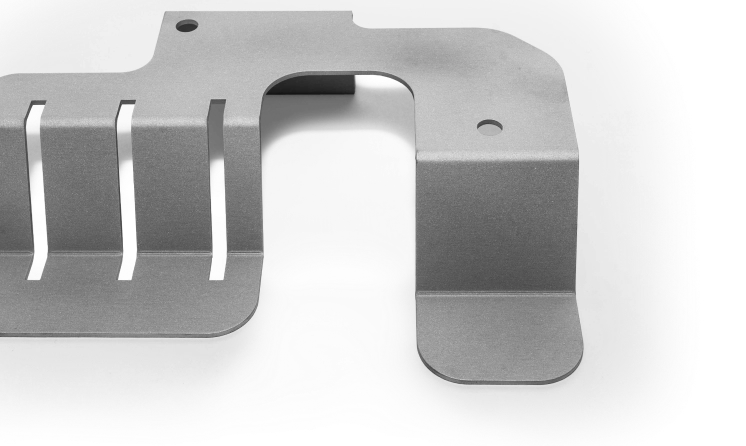
A practical engineering guide to sheet metal bending methods, bend radius rules, hole and slot clearance, hems, countersinks, relief cuts, and bend-force planning.
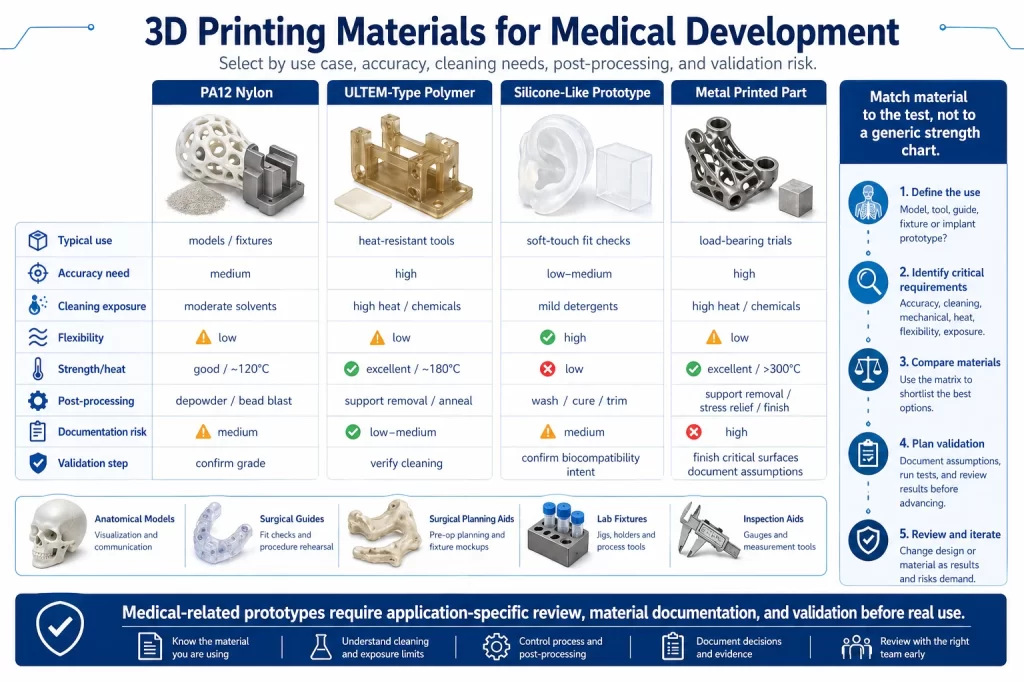
Review 3D printing material considerations for medical prototypes, anatomical models, surgical guides, fixtures and application-specific engineering validation.