
For service inquiries, contact us at Phone: +86 13652345309 | Email: info@debaolong.com

Home » 3D Printing » Subtractive vs Additive Manufacturing: Engineering Differences That Matter

Blog

Subtractive vs Additive Manufacturing: Engineering Differences That Matter

Compare subtractive and additive manufacturing by geometry, material behavior, tolerance, surface finish, cost, waste and production readiness.
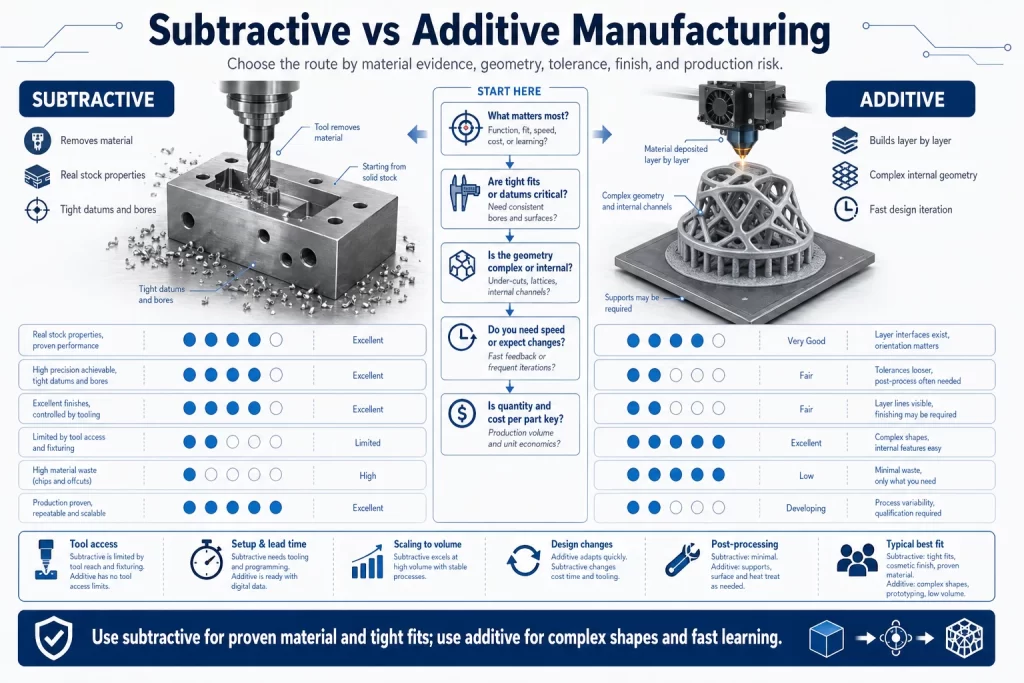
Table of Contents

Compare subtractive and additive manufacturing by geometry, material behavior, tolerance, surface finish, cost, waste and production readiness.

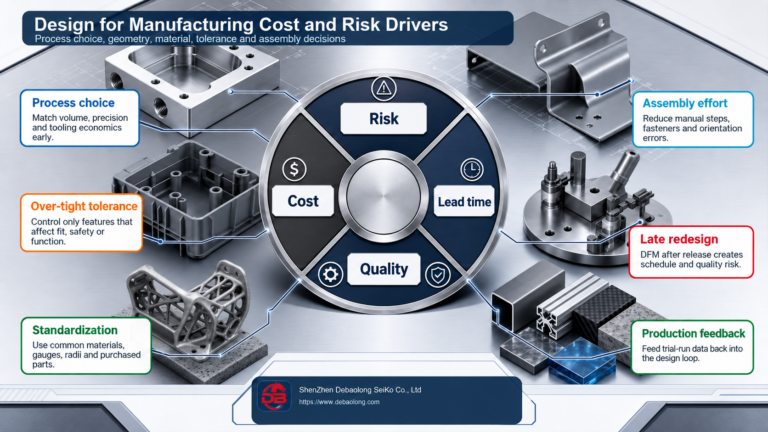
Subtractive versus additive manufacturing comparison infographic showing CNC material removal, additive layer building, material evidence, geometry freedom, tolerance, surface finish, waste, lead time, and production readiness.

What Subtractive Manufacturing Does Well

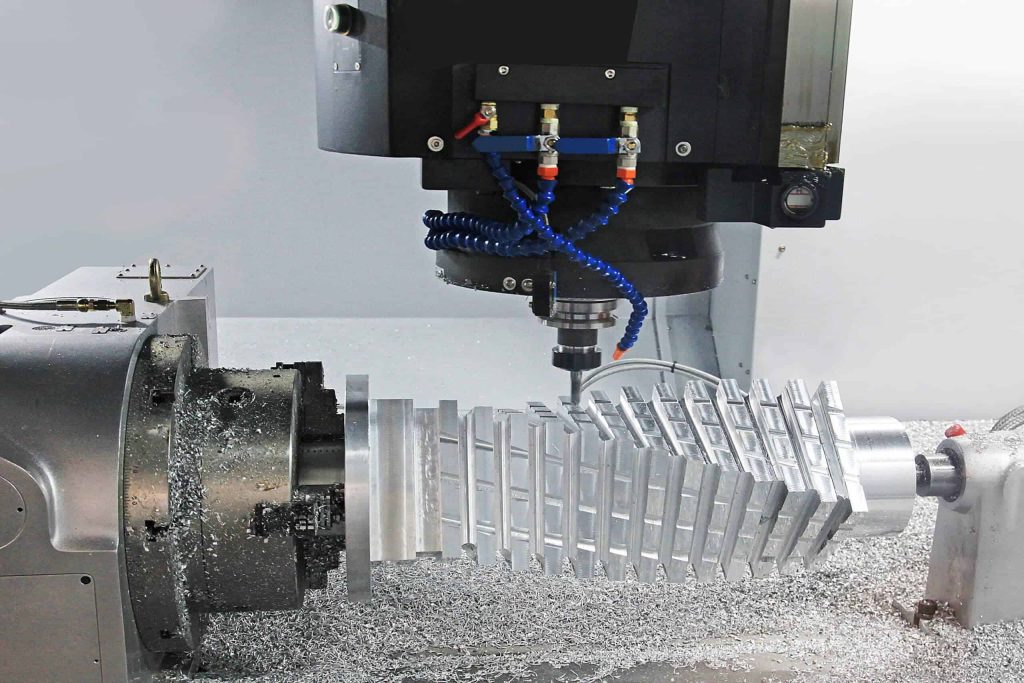
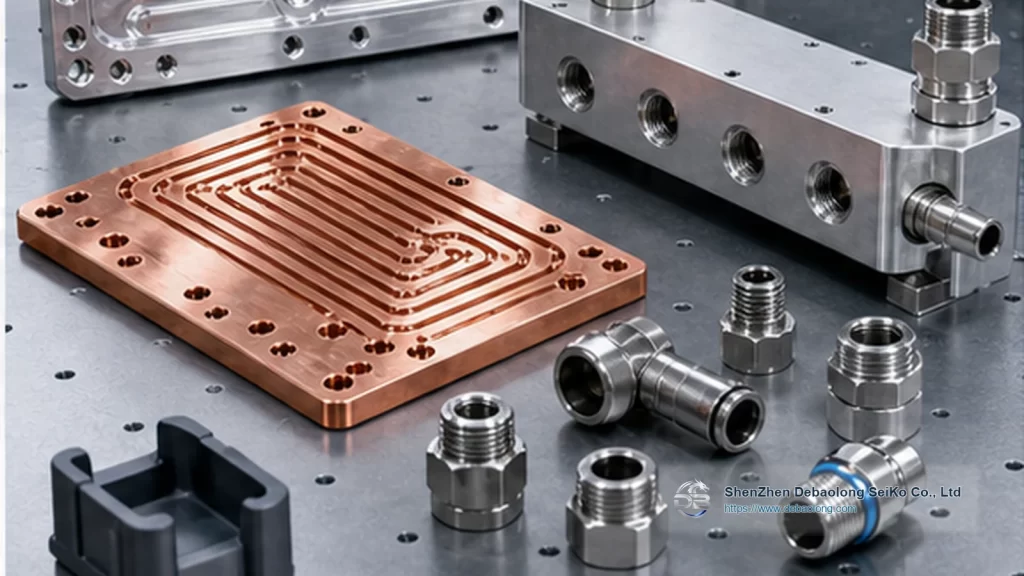
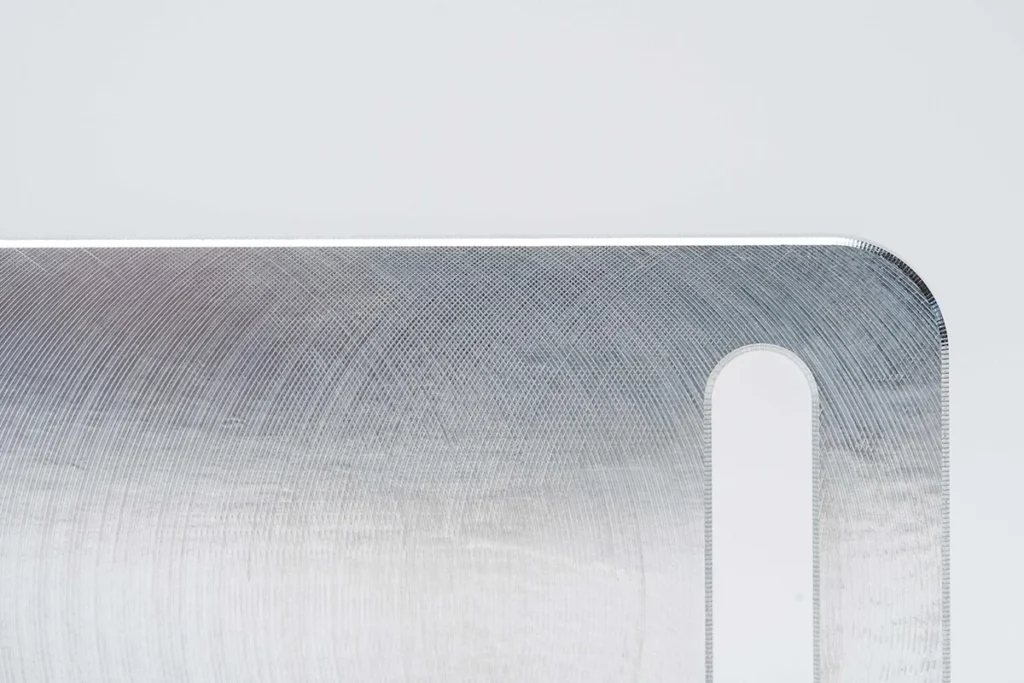
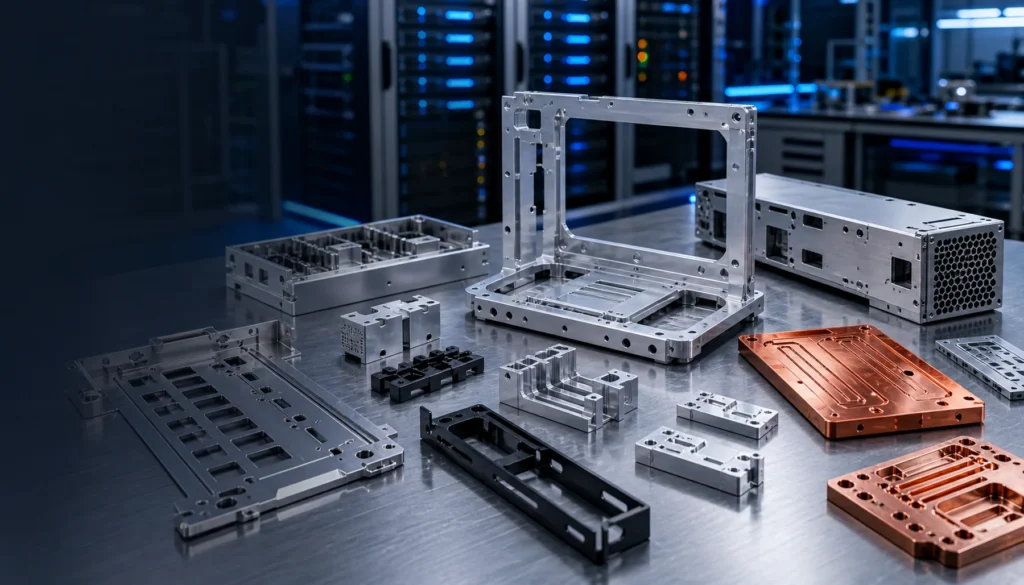
Subtractive manufacturing removes material from stock through machining, cutting or grinding. It is strong for production-grade materials, controlled tolerances, datum surfaces and precision interfaces.

Its limitations include tool access, workholding, material waste and setup complexity.

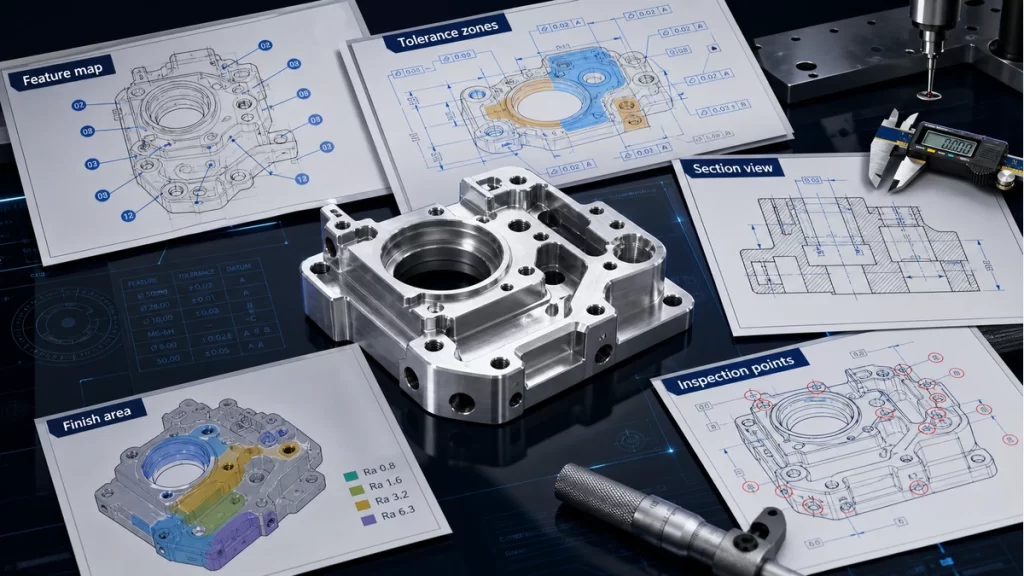
In practical terms, what subtractive manufacturing does well should be translated into drawing notes, process limits, material choices, tolerance expectations, finish requirements and inspection points before the design is released. For subtractive vs additive manufacturing: engineering differences that matter, the useful result is not just a general comparison, but a manufacturing decision that buyers, engineers and suppliers can apply consistently during quoting, prototyping and production planning. This is where a topic moves from educational guidance into a real release standard.

What Additive Manufacturing Does Well

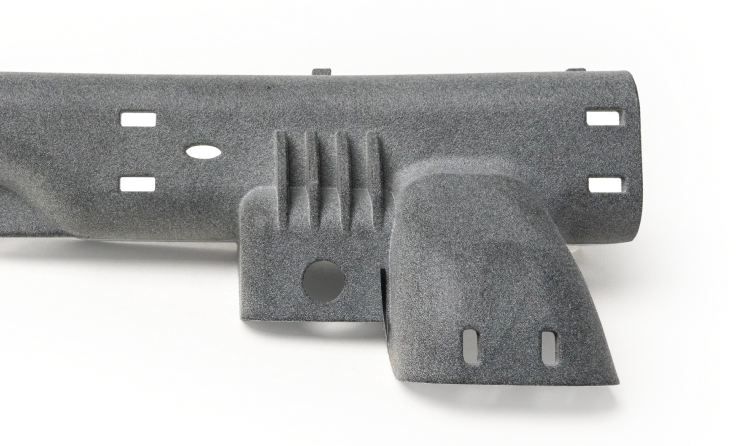
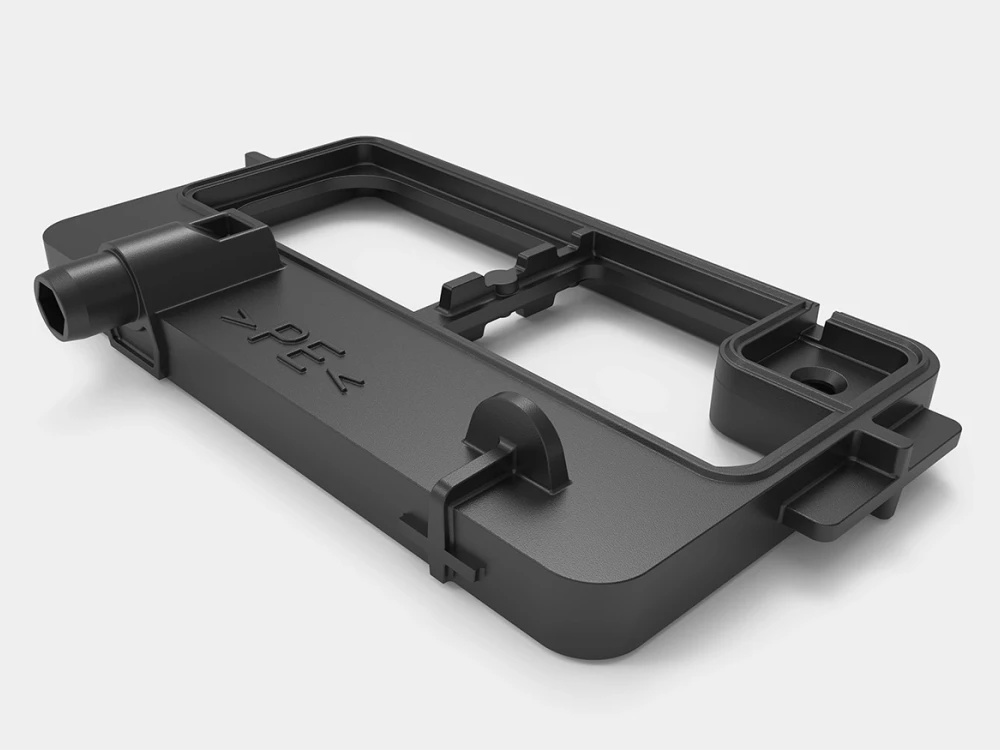
Additive manufacturing builds parts layer by layer, making it useful for complex internal features, organic shapes and fast iteration. It can reduce tooling needs and help teams explore geometry early.

Its limitations include surface finish, material behavior, layer orientation, support removal and post-processing.

In practical terms, what additive manufacturing does well should be translated into drawing notes, process limits, material choices, tolerance expectations, finish requirements and inspection points before the design is released. For subtractive vs additive manufacturing: engineering differences that matter, the useful result is not just a general comparison, but a manufacturing decision that buyers, engineers and suppliers can apply consistently during quoting, prototyping and production planning. This is where a topic moves from educational guidance into a real release standard.

Advantages, Limits and Comparison Criteria

A fair comparison includes geometry freedom, material evidence, tolerance, finish, cost, lead time and production intent. Additive may be better for concept learning, while subtractive may be better for final material and dimensional evidence.

The route should be chosen based on the engineering question the part must answer.

In practical terms, advantages, limits and comparison criteria should be translated into drawing notes, process limits, material choices, tolerance expectations, finish requirements and inspection points before the design is released. For subtractive vs additive manufacturing: engineering differences that matter, the useful result is not just a general comparison, but a manufacturing decision that buyers, engineers and suppliers can apply consistently during quoting, prototyping and production planning. This is where a topic moves from educational guidance into a real release standard.

Choosing Between the Two Routes

Some projects use both routes. A printed concept can become a machined functional prototype, and a machined test part can later become a molded or cast production part.

DEBAOLONG helps teams keep these transitions intentional so prototype constraints do not accidentally become production problems.

In practical terms, choosing between the two routes should be translated into drawing notes, process limits, material choices, tolerance expectations, finish requirements and inspection points before the design is released. For subtractive vs additive manufacturing: engineering differences that matter, the useful result is not just a general comparison, but a manufacturing decision that buyers, engineers and suppliers can apply consistently during quoting, prototyping and production planning. This is where a topic moves from educational guidance into a real release standard.

A Practical Selection Workflow

The source article compares subtractive and additive manufacturing as two different engineering logics. In practice, the selection should start with the question the part must answer: geometric exploration, material evidence, tolerance evidence, customer-facing finish, production economics or assembly learning.

DEBAOLONG uses this workflow to avoid technology bias. A printed concept, machined prototype and molded production part can all belong to the same project, but each one should be chosen because it supports the next decision with the least risk and the clearest manufacturing evidence. This also keeps process selection tied to inspection strategy, downstream finishing and realistic production handoff requirements.

In practical terms, a practical selection workflow should be translated into drawing notes, process limits, material choices, tolerance expectations, finish requirements and inspection points before the design is released. For subtractive vs additive manufacturing: engineering differences that matter, the useful result is not just a general comparison, but a manufacturing decision that buyers, engineers and suppliers can apply consistently during quoting, prototyping and production planning. This is where a topic moves from educational guidance into a real release standard.

DEBAOLONG Engineering Review

This article has been rebuilt around the source article’s actual engineering logic instead of being treated as a short summary. The purpose is to preserve the useful decision sequence: process capability, material fit, tolerance impact, finish expectations, production risk, validation steps and how the next manufacturing decision should be made.

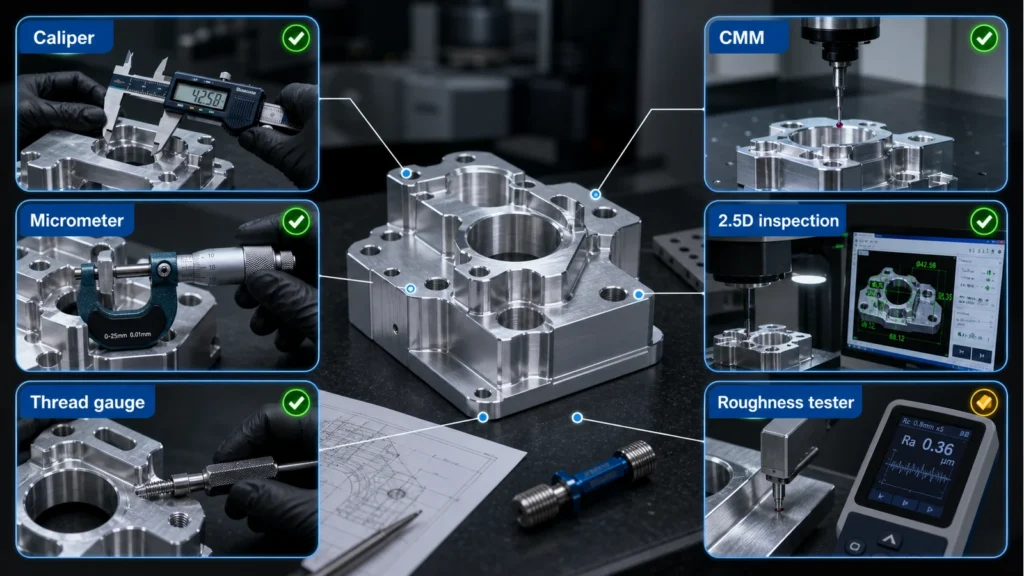
Before release, the design team should confirm the intended application, required quantity, critical dimensions, operating environment, acceptable finish, cleaning requirements where relevant, and the inspection method that will be used to validate the part. These details turn a manufacturing article into a production-ready review standard and reduce late changes after prototyping or tooling work has already started.

For broader manufacturing planning, review the DEBAOLONG Manufacturing Engineering Knowledge Center, compare major manufacturing process options, or use DFM for prototyping to connect early design decisions with production-ready parts.
FAQ

How should engineers use this subtractive vs additive manufacturing: engineering differences that matter guide?

Use it as a practical release checklist before quoting, prototyping or production handoff. The best result is a clearer manufacturing decision, not simply a longer list of process facts.

Why does source-aligned structure matter in this topic?

Because each source section answers a different engineering question. Keeping those questions separate makes it easier to review geometry, material, cost, finish, quantity and production risk without silently collapsing useful detail.

Can DEBAOLONG help turn the review into a manufacturable plan?

Yes. DEBAOLONG can review geometry, materials, tolerances, finish requirements, visual expectations and production intent before the project moves into manufacturing.

author avatar
Debaolong

Related Articles

Supports

Please enable JavaScript in your browser to complete this form.