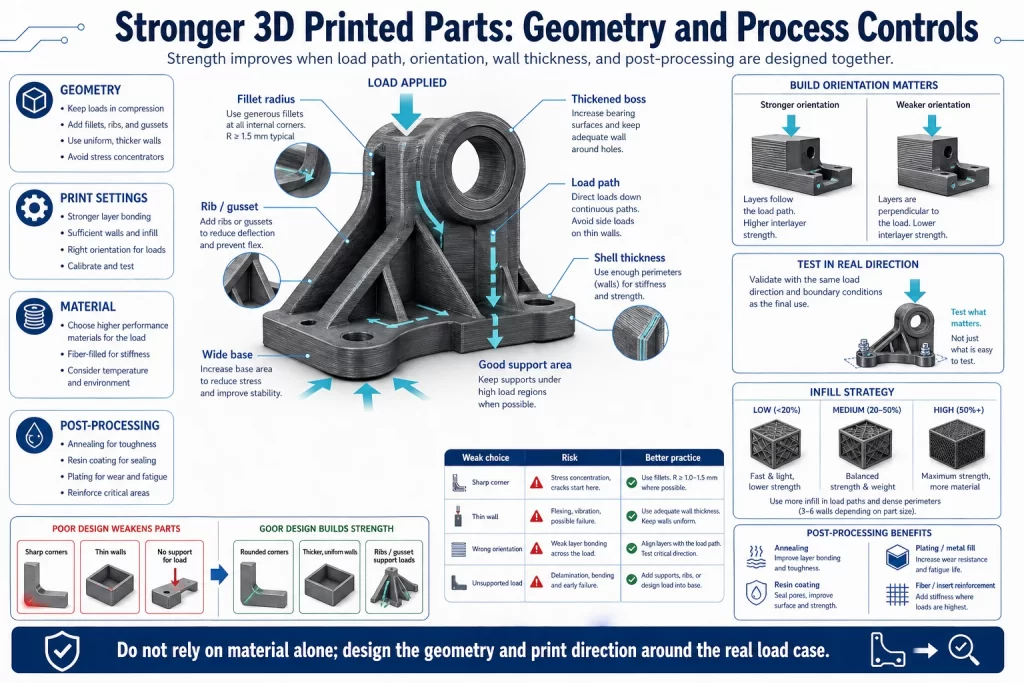
How to Make Stronger 3D Printed Parts: Geometry, Settings and Post-Processing
Improve 3D printed part strength with better geometry, fillets, ribs, infill, build orientation, shell thickness, annealing, plating, resin coating and reinforcement.

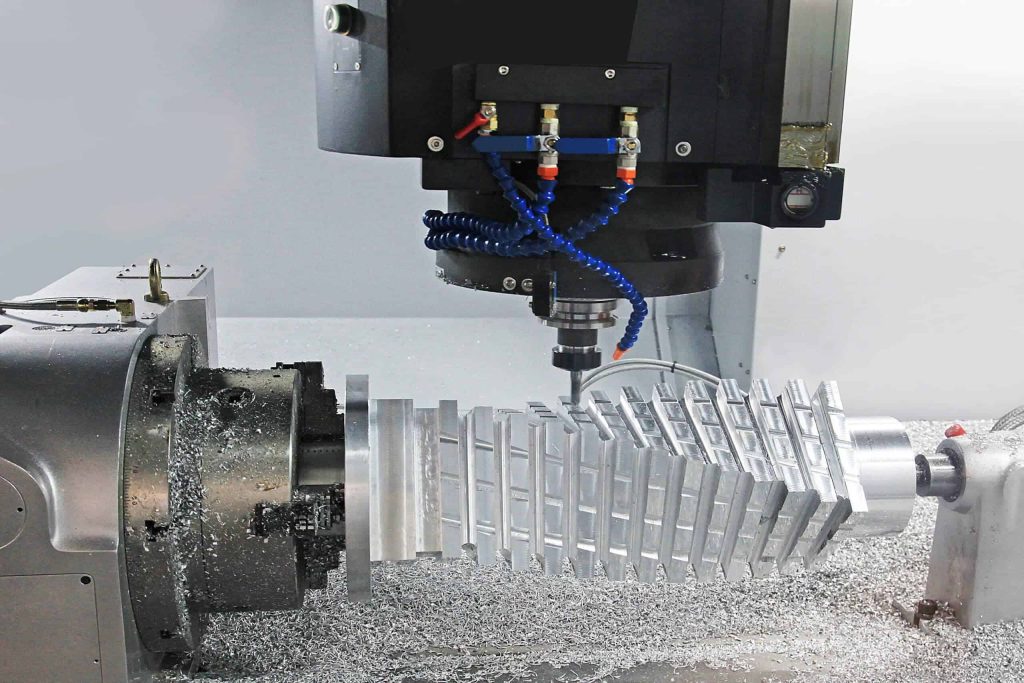
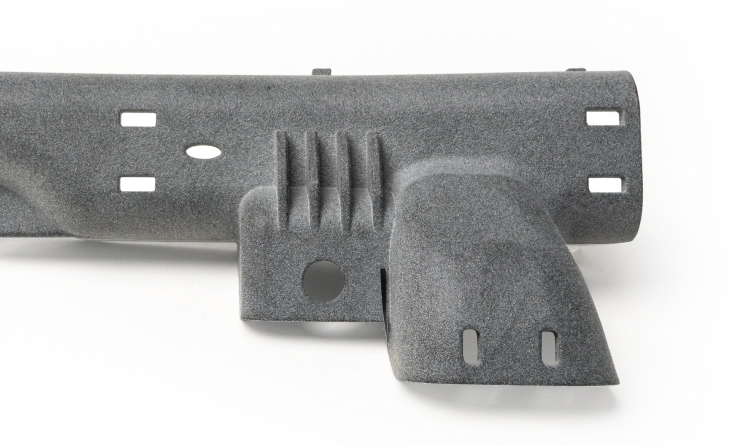
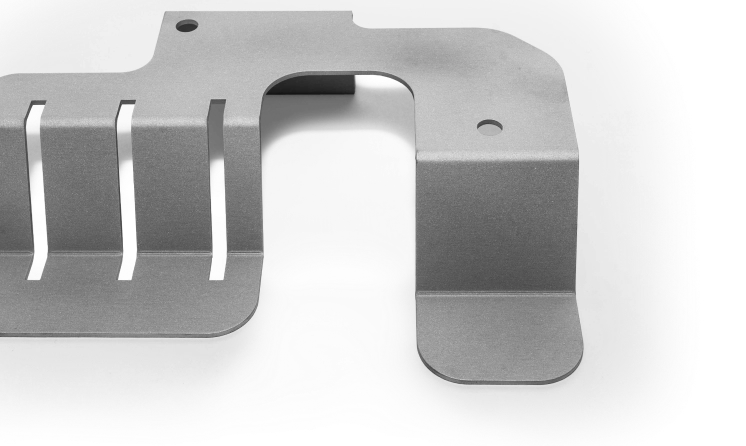


Improve 3D printed part strength with better geometry, fillets, ribs, infill, build orientation, shell thickness, annealing, plating, resin coating and reinforcement.
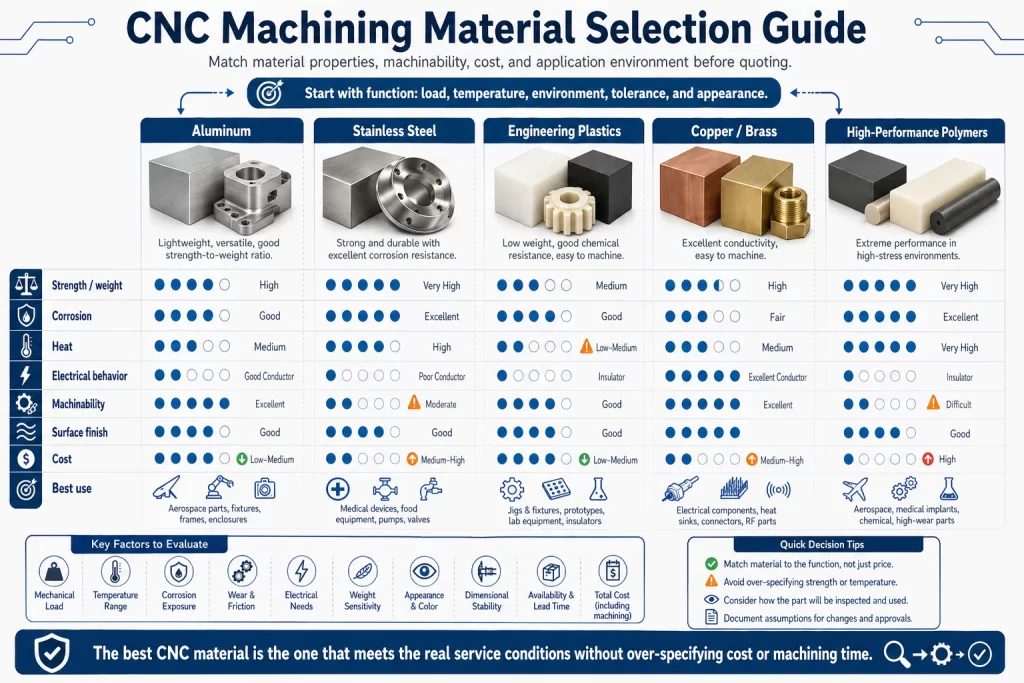
A CNC machining material selection guide covering application requirements, environment, dimensional stability, conductivity, machinability, appearance, cost and availability.
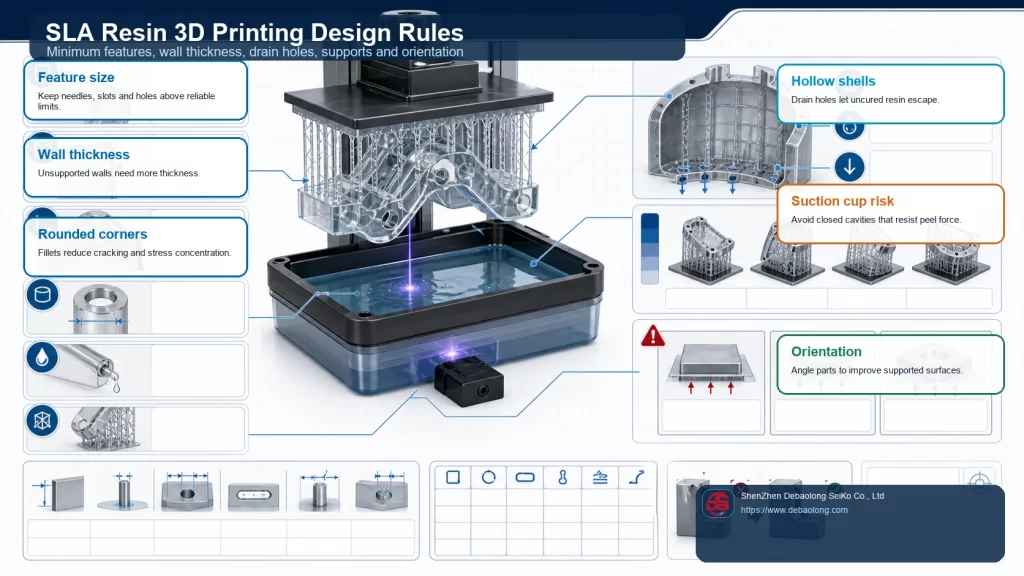
Learn practical SLA 3D printing design tips for resin parts, including wall thickness, holes, overhangs, assembly clearance, embossed details, tolerances, and prototype planning.
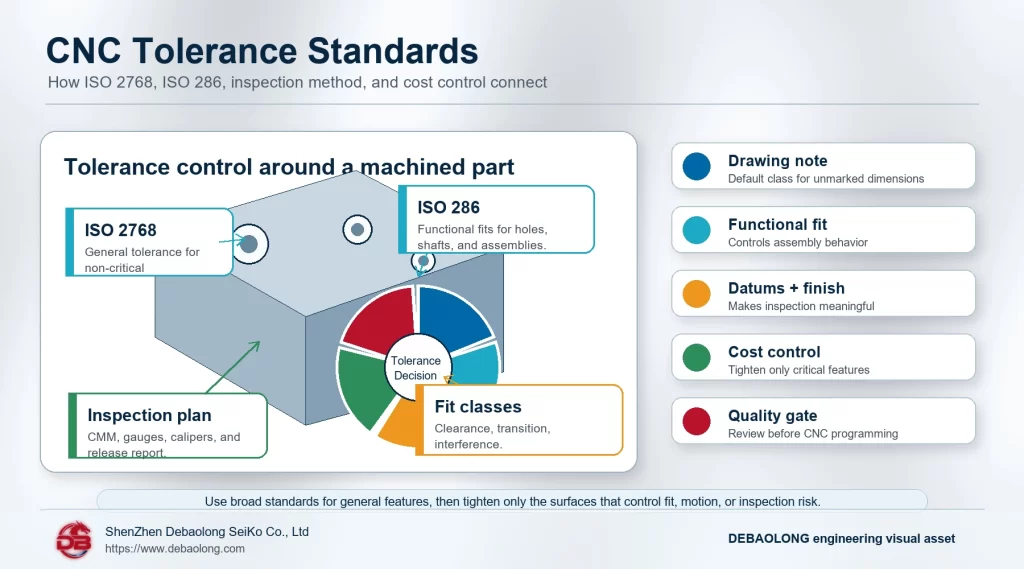
Understand how ISO 2768 and ISO 286 tolerance standards apply to CNC machining drawings, unmarked dimensions, holes, shafts, fits, and inspection planning.
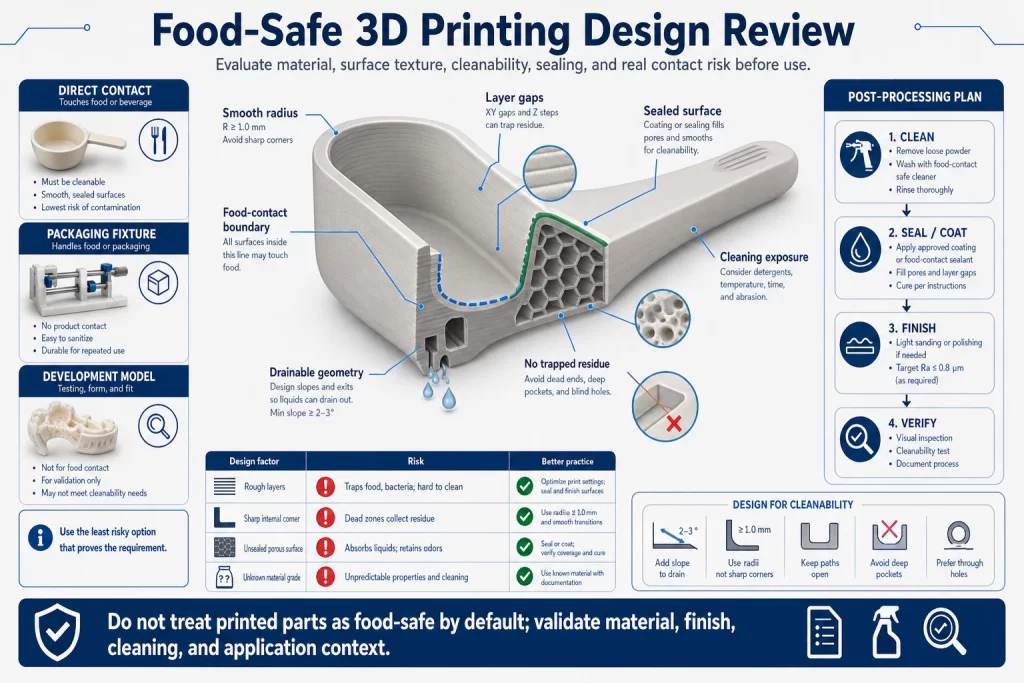
Learn food-safe 3D printing design considerations, material choices, sanitation risks, printing processes, coatings and post-processing methods for safer functional parts.

Choose an electronics prototype around a defined decision: board clearance, connector access, cable routing or fixture use. Record the print process, material and revision, and separate assembly feedback from the heat, flame or electrostatic evidence required for the final application.
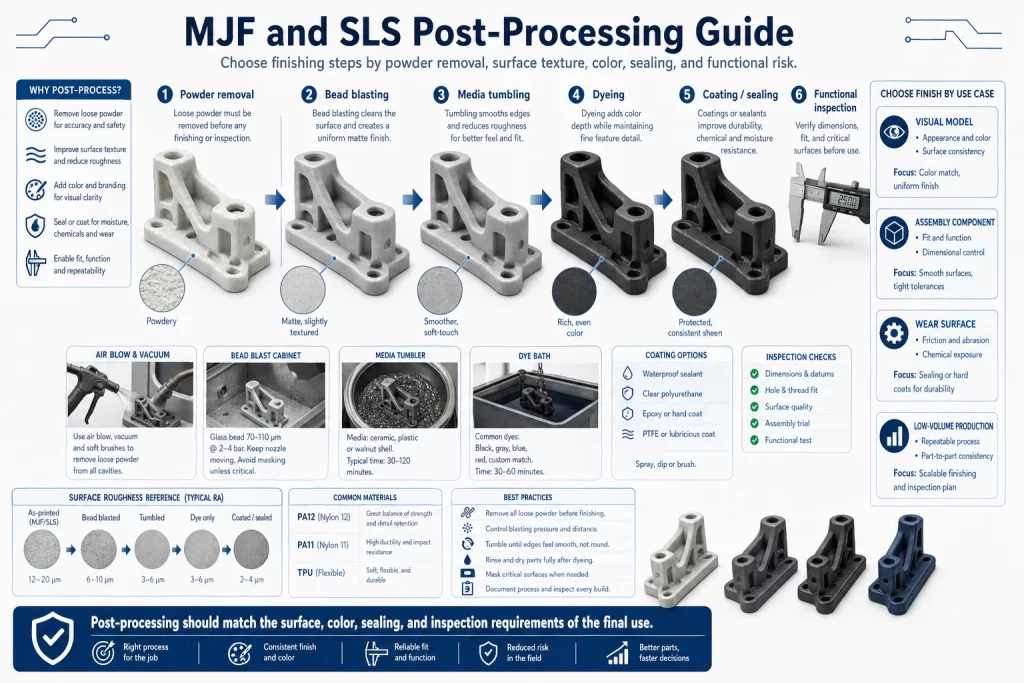
Compare MJF and SLS post-processing methods including bead blasting, media tumbling, dyeing, painting, waterproofing and metal plating for functional nylon parts.

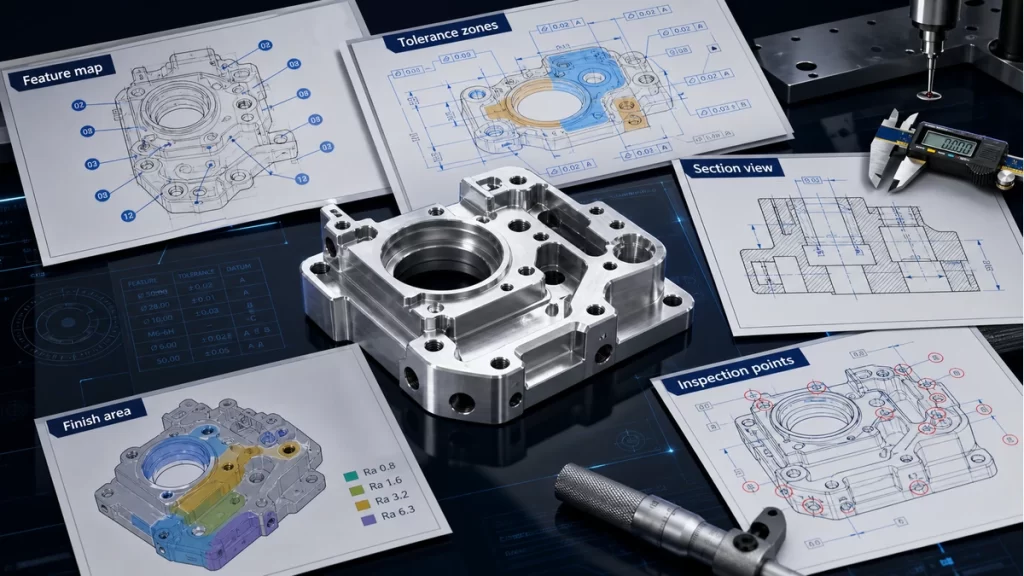
A complete guide to technical drawings for CNC manufacturing, covering title blocks, views, dimensions, datums, notes, tolerances, revision control and clear supplier communication.
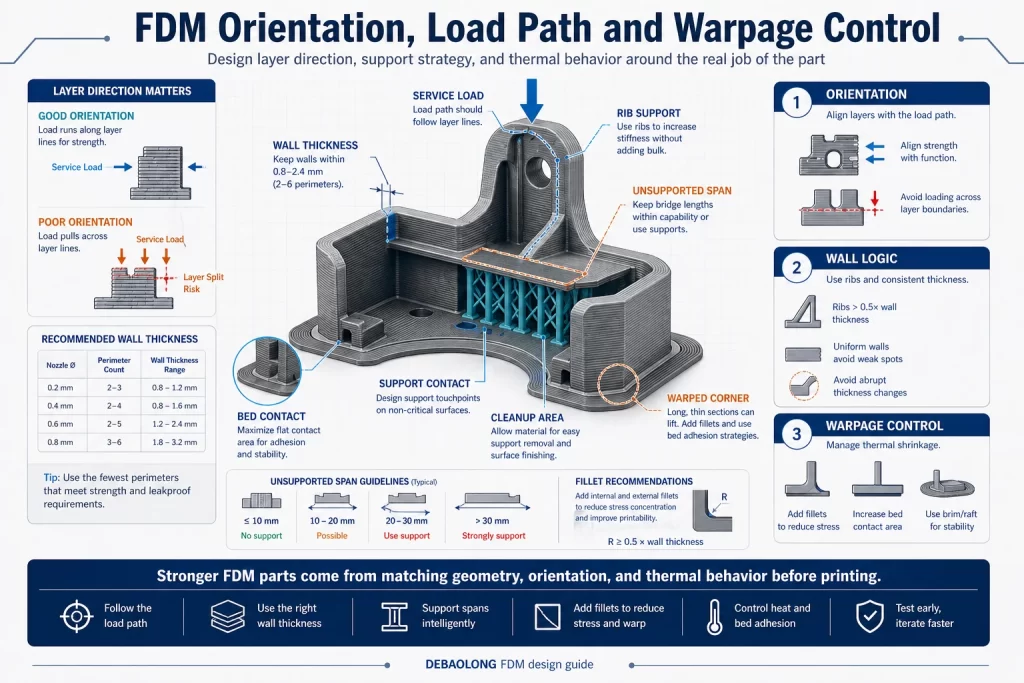
A complete FDM engineering guide covering orientation, wall thickness, overhangs, support strategy, warpage control, clearances, embossed details and stronger printed parts.
A complete engineering guide to complex CNC parts, covering geometry review, tool access, setup reduction, tolerance strategy, supplier communication and when another process should help.
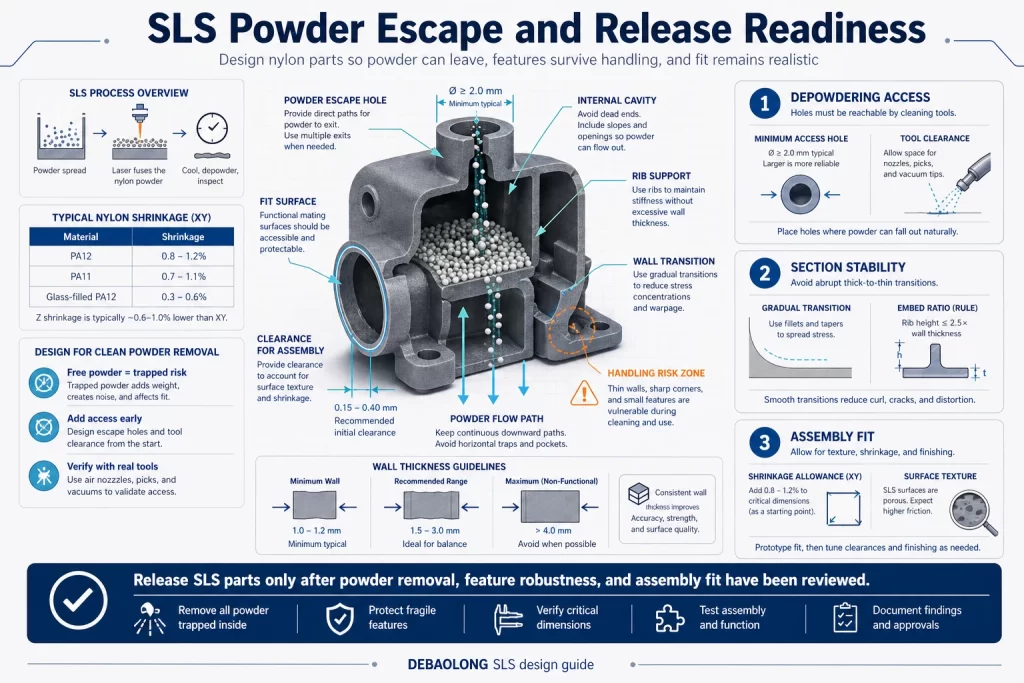
A full SLS engineering guide covering wall thickness, powder removal, channels, clearances, delicate features, shrinkage, nylon part strength and production-ready design choices.

A full engineering guide to vacuum casting design, covering wall thickness, bosses, ribs, undercuts, embossed details, draft angles, resin behavior and prototype-quality part planning.