Design for Manufacturing, or DFM, helps engineering teams make better decisions before a prototype ever reaches the shop floor. Instead of waiting until production problems appear, DFM brings manufacturability into the design process early. That often means fewer redesign loops, more realistic lead times, and a smoother path from concept to functional prototype.
For companies developing custom parts, this matters because prototyping is not only about proving an idea. It is also about proving that the idea can be built efficiently, repeatedly, and at a sensible cost. A strong DFM workflow helps bridge the gap between design intent and manufacturing reality.
Why DFM improves prototyping
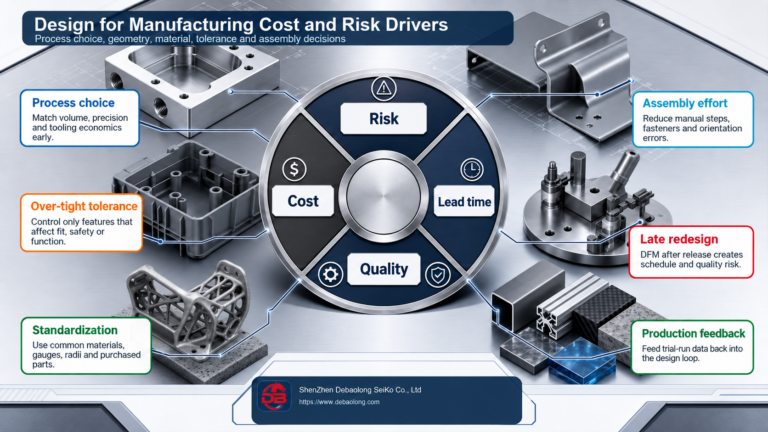
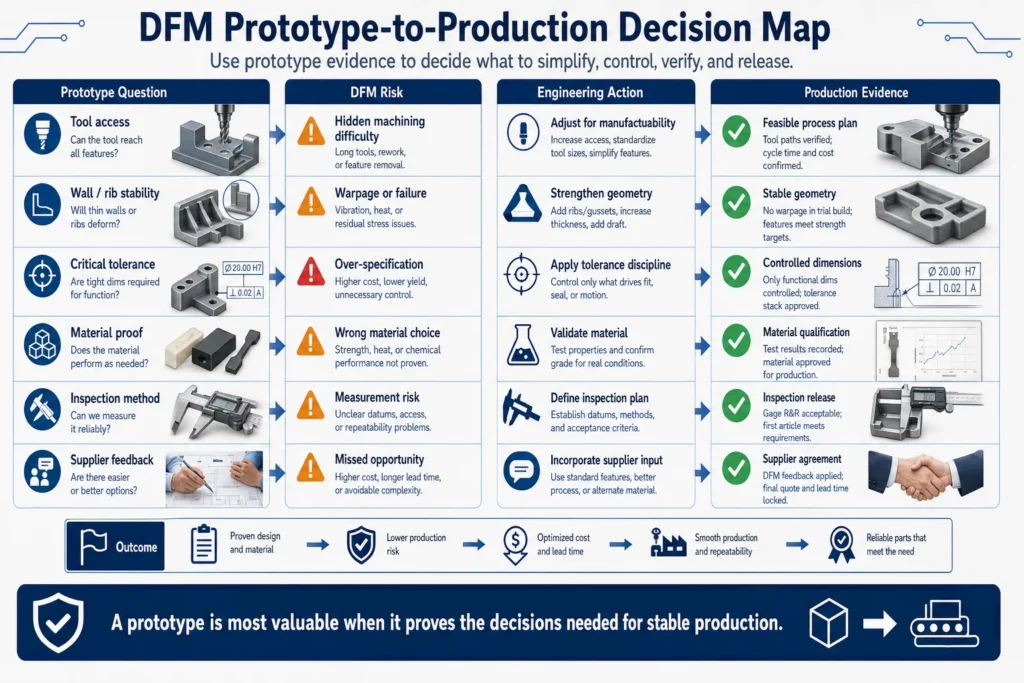
Many prototype issues are not caused by product function alone. They come from material mismatches, unrealistic tolerances, unnecessary complexity, or process choices that do not match the part’s geometry. DFM helps teams identify these issues earlier, when changes are cheaper and easier to manage.
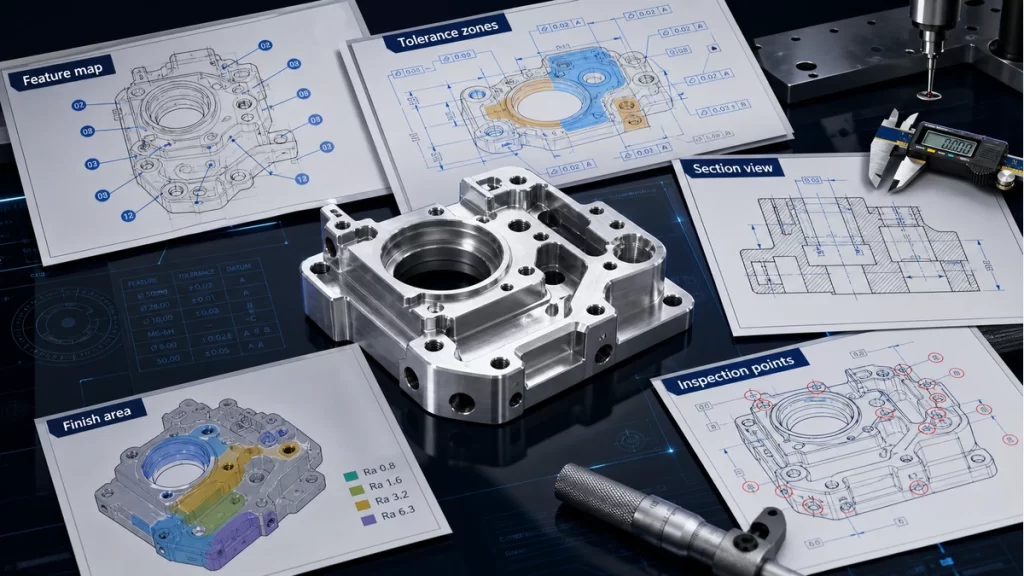
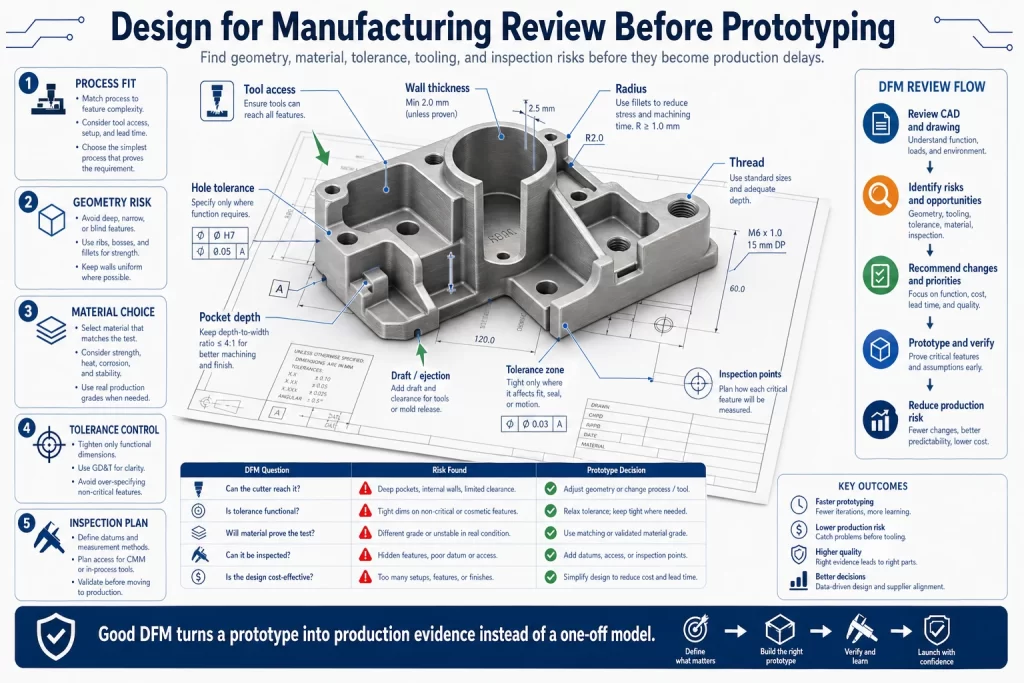
In practical terms, that means evaluating how a part will actually be made. The design team may need to review material options, surface finish expectations, feature accessibility, wall thickness, internal radii, or the need for support structures in additive manufacturing. Each of these choices affects prototype cost, quality, and speed.
Core DFM considerations for prototype development
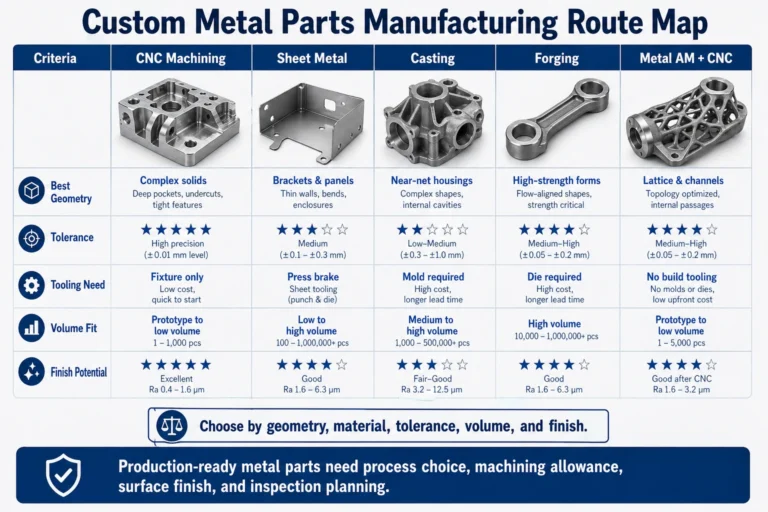
A useful DFM review usually starts with the manufacturing process itself. The best process depends on the part’s purpose, geometry, material, required tolerances, and production outlook. A prototype intended for visual review may have different requirements than one intended for mechanical testing or low-volume bridge production.
Material selection is equally important. Engineers need to think about strength, heat resistance, surface behavior, weight, machinability, and how the part will perform in its intended environment. When material and process decisions align, the prototype is more likely to reflect the real-world product it is meant to validate.
DFM also helps reduce avoidable complexity. Fewer unnecessary features, cleaner geometry, and more realistic tolerance choices can make a prototype easier to produce and easier to scale later. That often leads to better quality and lower manufacturing risk.
How DFM supports different manufacturing methods
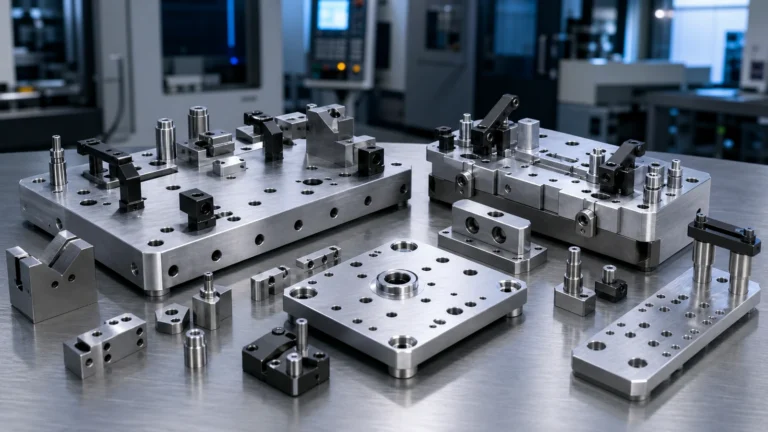
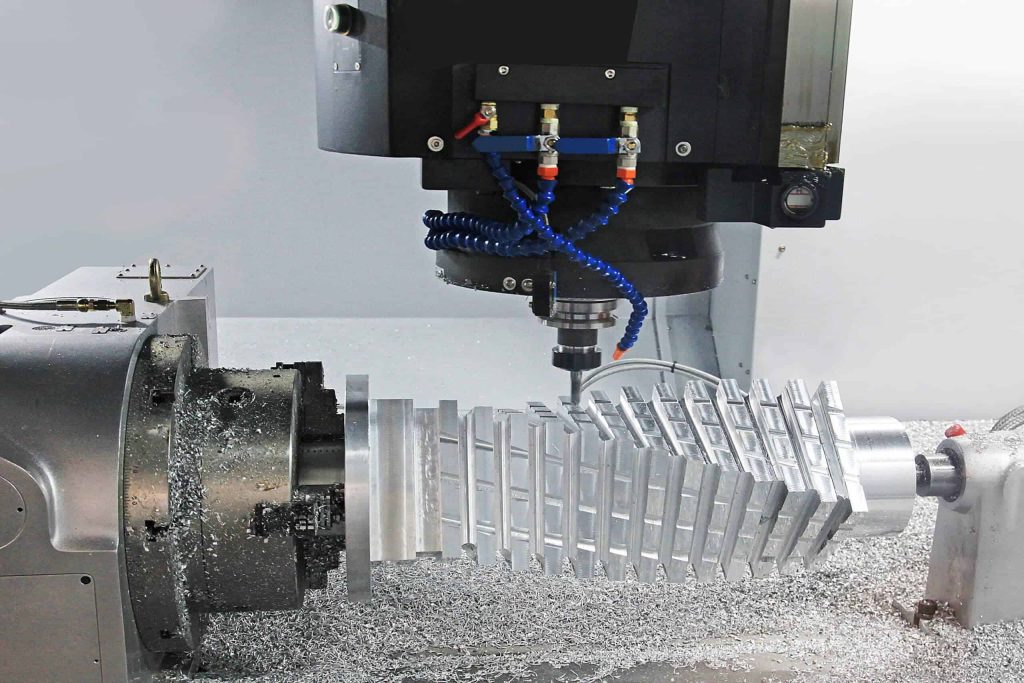
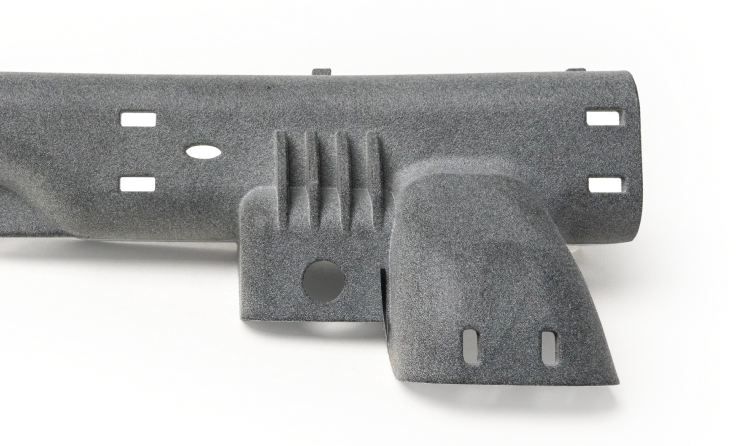
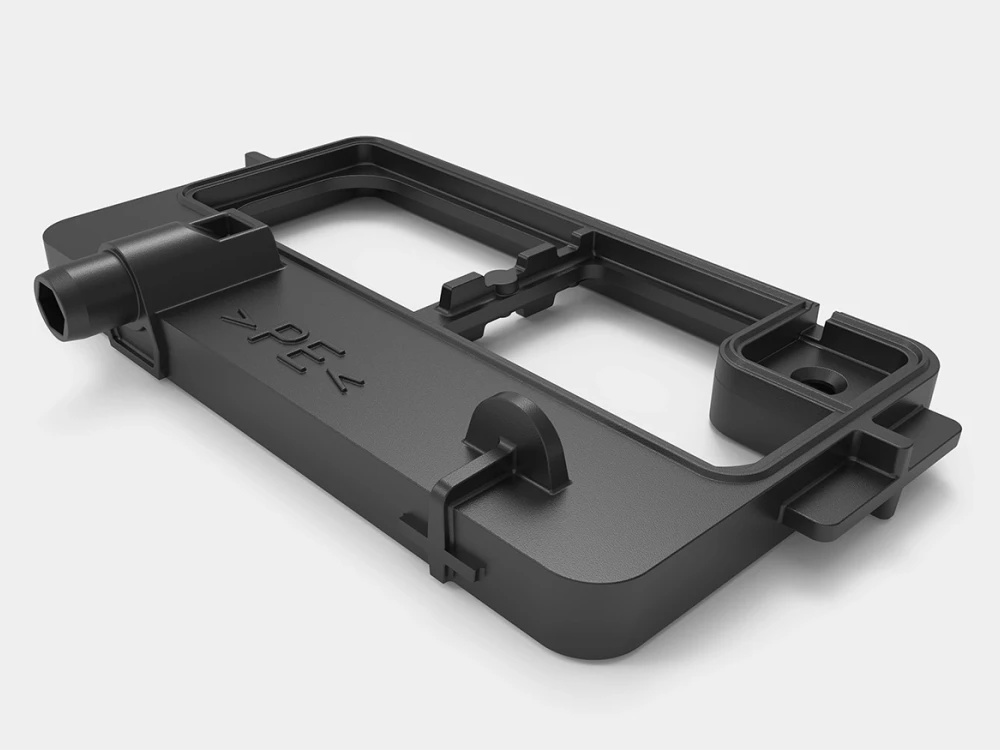
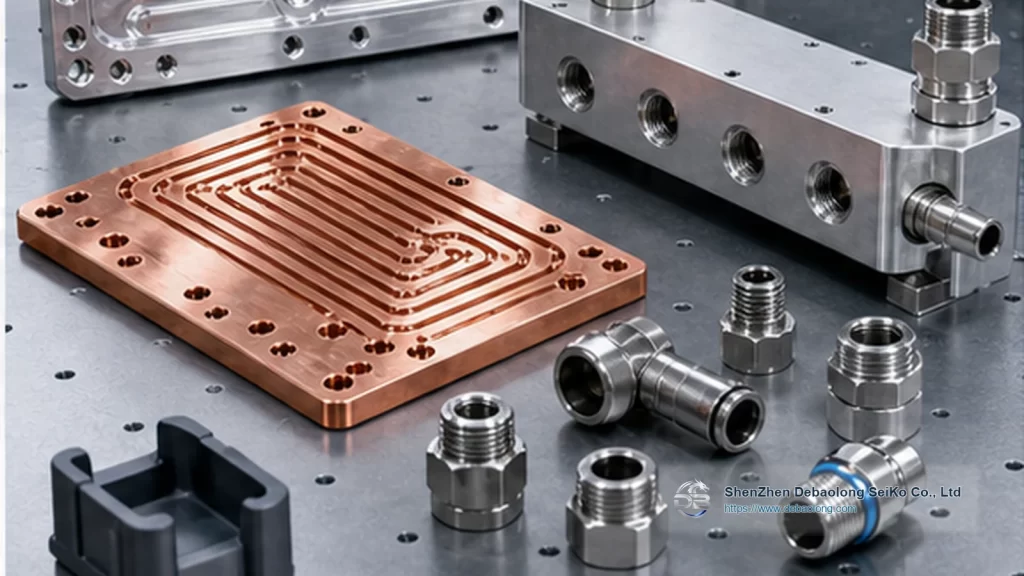
Different prototype methods need different DFM priorities. In CNC machining, designers need to consider tool access, internal corner limitations, thin walls, and cavity depth. In 3D printing, support strategy, print orientation, and layer-related strength behavior matter more. In molding-based or casting-based prototype workflows, draft, parting lines, and wall consistency can become major drivers.
That is why DFM should not be treated as one generic checklist. It works best when the review is matched to the specific manufacturing route. A process-aware design review gives teams more confidence that the prototype will be both functional and buildable.
Benefits for engineering and product teams
- Fewer prototype redesign cycles caused by manufacturing constraints.
- Better cost and lead-time predictability earlier in development.
- Improved part quality and more realistic prototype validation.
- Cleaner transition from prototype stage to later production planning.
- More efficient communication between design, sourcing, and manufacturing teams.
DFM and scale-up readiness
Another advantage of DFM is that it supports future scale-up. A prototype may be built as a one-off part, but the smartest teams already consider what will happen if the design moves toward repeat production. Reviewing geometry, tolerances, and process compatibility early makes it easier to move from prototyping into broader manufacturing without starting over.
At DEBAOLONG, that kind of thinking is valuable because prototyping and production planning often overlap. A design that is easier to machine, print, mold, or fabricate today is usually easier to source and produce tomorrow as well.
Conclusion
DFM improves prototyping by making design decisions more practical, more manufacturable, and more aligned with downstream production needs. It helps engineering teams control risk, reduce waste, and create prototypes that are not only innovative, but also realistic to build.
If you want a more reliable route from design review to manufacturable prototype, explore the DEBAOLONG website and match your next concept to the right manufacturing process.
FAQ
What is DFM in prototyping?
DFM in prototyping means reviewing a design with manufacturing constraints in mind so the prototype can be made efficiently, accurately, and at a reasonable cost.
Why does DFM matter before production?
It helps teams identify manufacturability issues early, when design changes are easier and less expensive than they would be later in production.
Does DFM only apply to CNC machining?
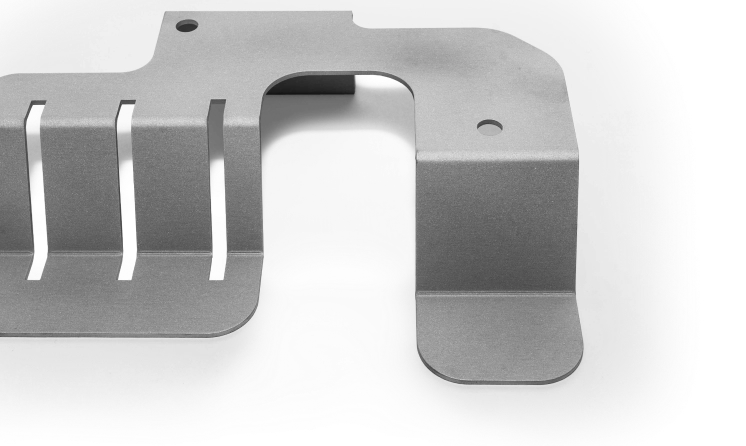
No. DFM applies to many manufacturing methods, including CNC machining, 3D printing, molding, casting, and fabrication. The review criteria simply change with the process.