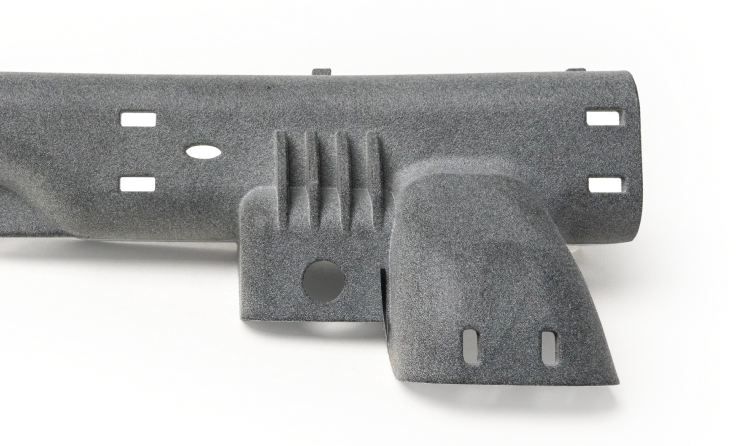
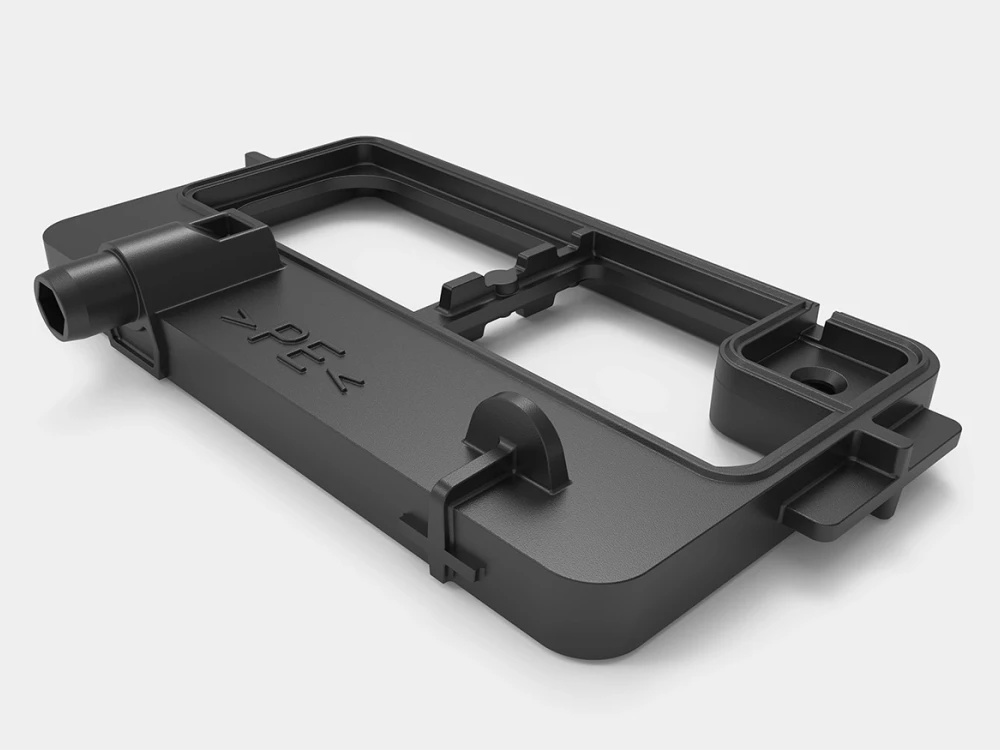
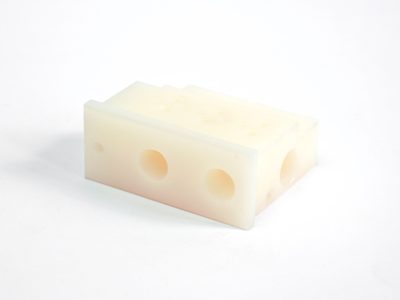

High-performance plastics such as PEEK, PEI, PPS and LCP can solve demanding thermal, chemical and mechanical requirements. They are often used in aerospace, medical, electronics, automotive and industrial equipment applications where commodity plastics are not enough.
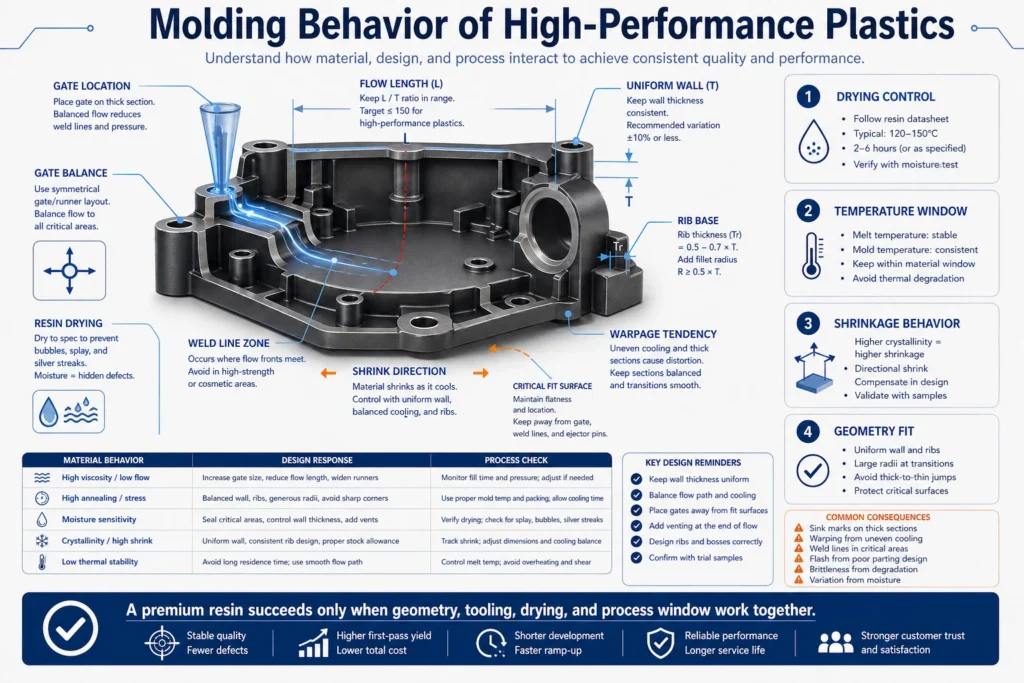
Choosing the material is only half of the challenge. Engineers also need to design around flow, shrinkage, temperature behavior, crystallinity, wall thickness and tooling conditions. A high-performance resin can still fail if the part design ignores molding behavior.
How to choose high-performance plastics
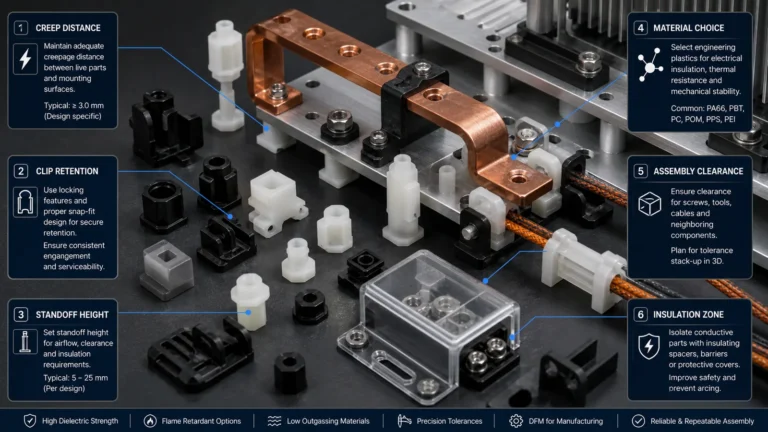
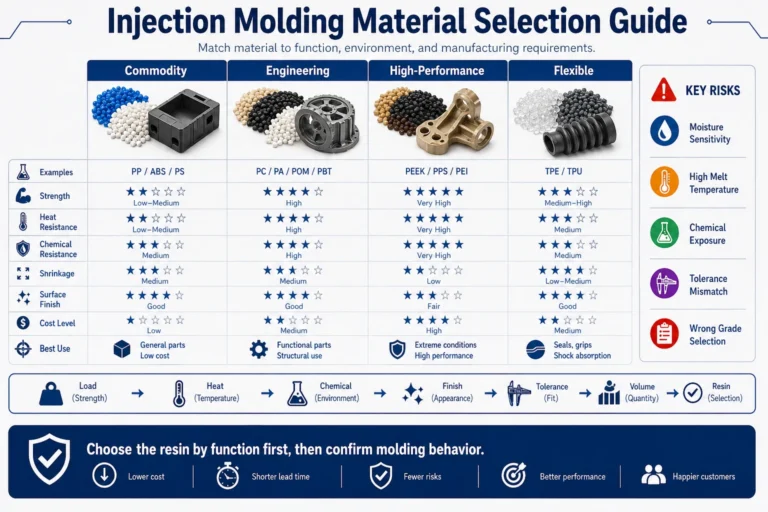
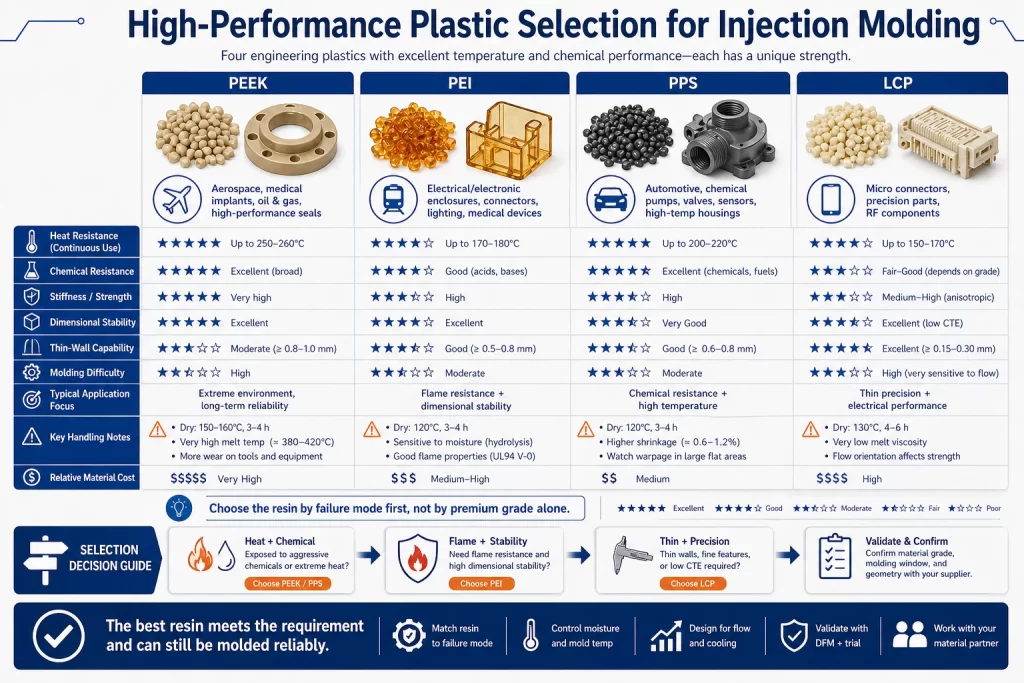
Material selection should start with the application environment. Heat exposure, chemical contact, strength, dimensional stability, flame resistance, wear and sterilization requirements all influence the best resin choice.
PEEK is known for high temperature and chemical resistance. PEI offers dimensional stability and flame resistance. PPS provides chemical resistance and stiffness. LCP is useful for thin-wall precision parts and miniature components.
Design considerations for molding advanced plastics
- Keep wall thickness consistent to reduce warpage and sink.
- Use generous radii to improve flow and reduce stress.
- Plan gate location around flow length and cosmetic surfaces.
- Consider mold temperature and drying requirements early.
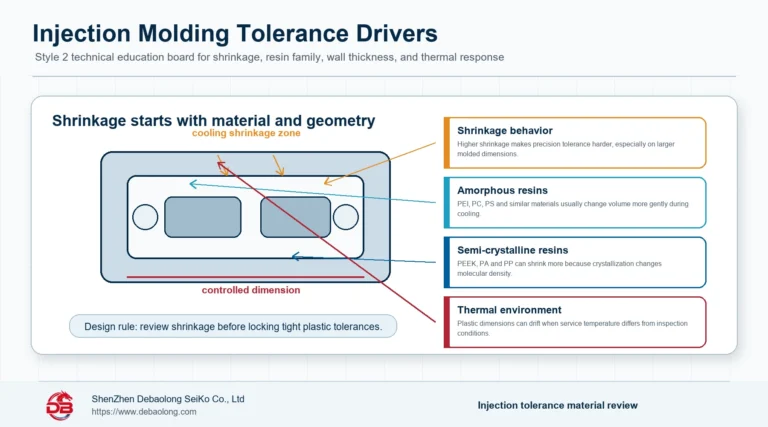
- Match tolerance expectations to resin shrinkage and stability.
- Validate material performance against the real operating environment.
Why processing behavior matters
Advanced resins often require higher melt temperatures, tighter drying control and more careful mold temperature management. Semi-crystalline materials may shrink differently than amorphous materials, which affects dimensional control.
Because of these variables, DEBAOLONG recommends reviewing resin selection together with part geometry and tooling strategy. This helps reduce expensive mold changes and improves the chance of stable production.
Designing durable molded components
The best material is the one that meets the functional requirement and can be molded reliably. A practical DFM review helps balance cost, durability, manufacturability and inspection before tooling begins.
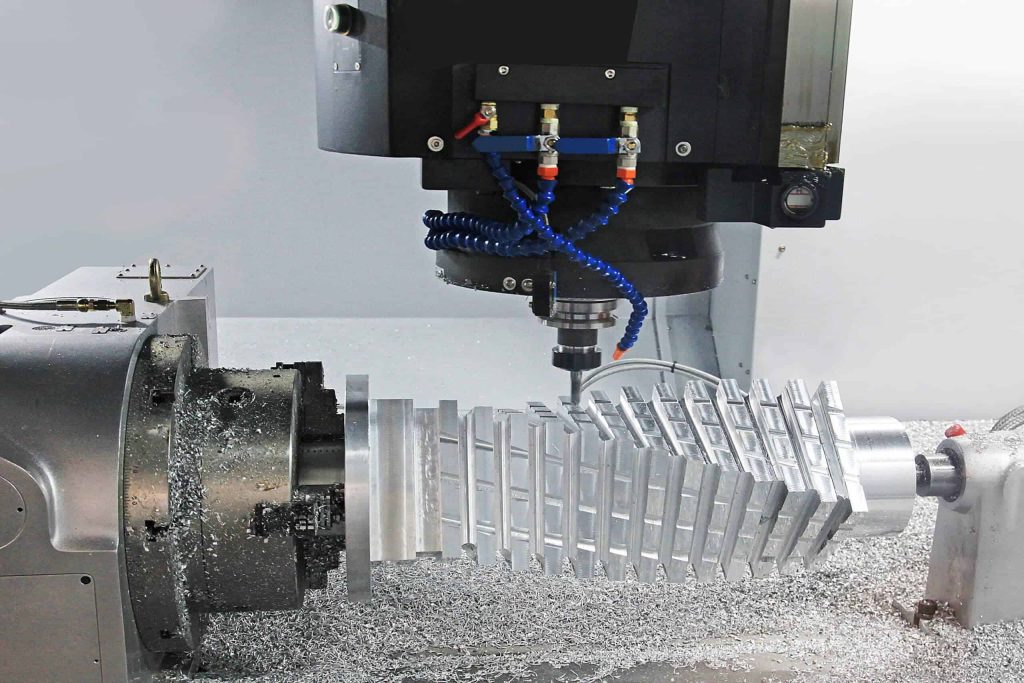
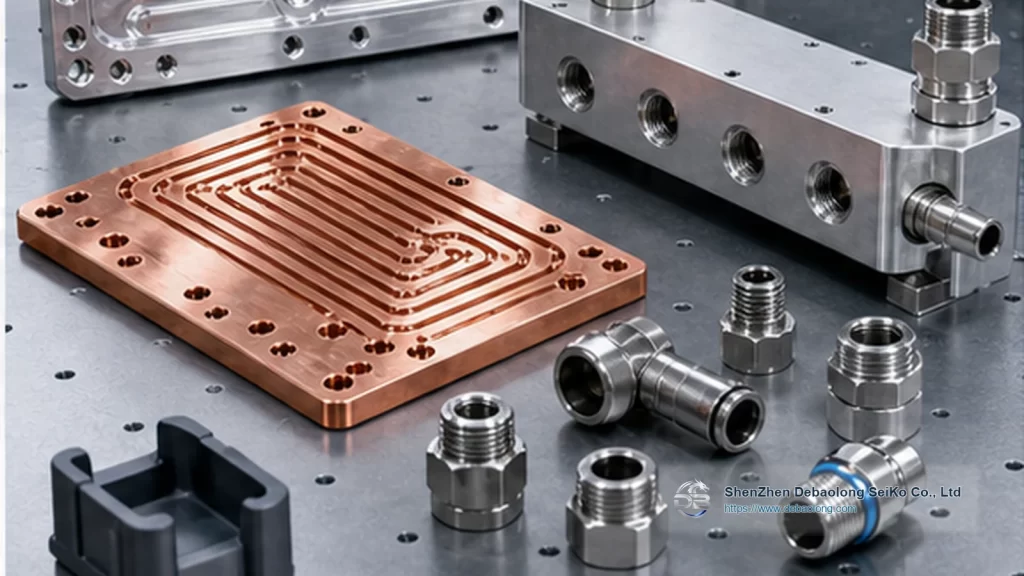
For related manufacturing support, explore DEBAOLONG CNC machining, sheet metal fabrication, and injection molding services.
For material property verification, databases such as MatWeb can be useful non-competitor references during early material screening.
Material Selection Should Match the Real Failure Mode
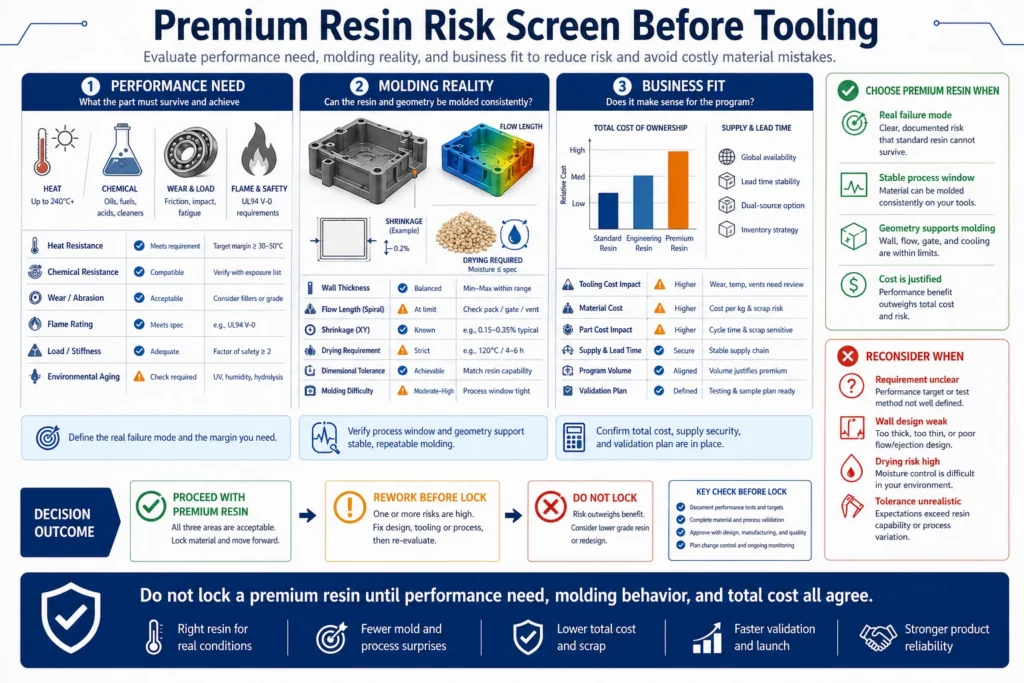
High-performance plastics are valuable only when their properties solve a real product problem. Choosing a premium resin without linking it to temperature, wear, chemical exposure, dimensional stability or electrical needs often adds cost without improving the outcome. A stronger material strategy starts by identifying the true failure mode of the part and then matching that requirement to the narrowest material set that solves it.
This keeps both cost and manufacturability under control while still protecting performance where it matters.
Molding Behavior Must Be Evaluated Alongside Material Performance
A resin can be technically excellent and still become a poor production choice if its shrink behavior, processing window or warpage risk do not fit the part geometry. Careful material selection therefore treats performance, processing and design geometry as one decision system rather than three separate conversations.
Use a Risk Screen Before Locking a Premium Resin
High-performance plastics often look attractive because they solve a severe requirement on paper, but they can still create unnecessary cost or processing difficulty if the part does not truly need that level of performance. A short risk review around heat, load, chemical exposure, molding window and total cost usually helps teams choose a smarter material sooner.
FAQ
Which high-performance plastic is best for heat resistance?
PEEK and PAI are commonly considered for high-temperature applications, but the final choice depends on load, chemical exposure and molding feasibility.
Why are high-performance plastics harder to mold?
They often require higher processing temperatures, careful drying, controlled mold temperature and more precise design rules.
Can DEBAOLONG help with plastic material selection?
Yes. DEBAOLONG can review part requirements and help connect resin selection with molding and production constraints.