
A CNC machining material selection guide covering application requirements, environment, dimensional stability, conductivity, machinability, appearance, cost and availability.

Start with the Material Selection Process
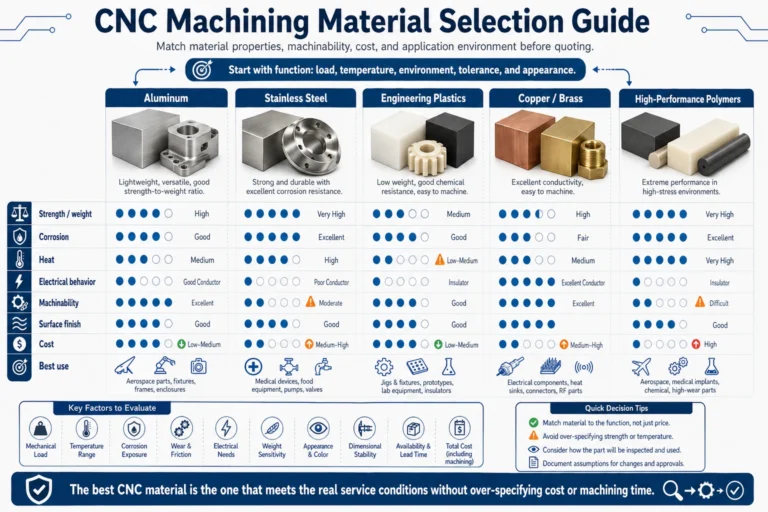
CNC material selection should begin with the part function, not with a default metal or plastic. Load, temperature, corrosion, wear, electrical behavior, weight, appearance and inspection requirements all influence the best choice.
A clear material selection process prevents over-specification. It also helps buyers compare quotes because every supplier is working from the same engineering assumptions.
A useful material decision starts with the part’s job: carry load, transfer heat, resist corrosion, insulate electricity, reduce weight, survive wear or present a cosmetic surface.
List critical requirements separately from preferences. This prevents a prototype from becoming unnecessarily expensive because every property is treated as equally important.
Application and Operating Environment
The application defines the real performance requirements. A structural bracket, heat sink, shaft, medical component, enclosure or fixture may all be machined, but each requires different material behavior.
Operating environment is equally important. Moisture, chemicals, heat, outdoor exposure, friction and cleaning conditions can make a material unsuitable even if it machines easily.
The environment often changes the best material. Outdoor exposure, coolant, cleaning fluids, friction, humidity and temperature cycling can eliminate materials that otherwise machine well.
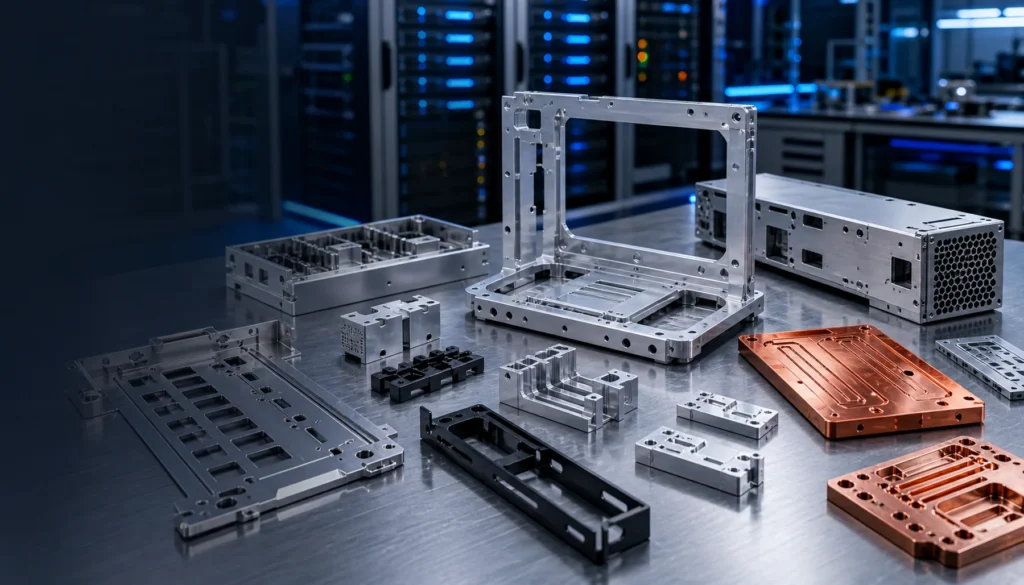
A bracket, heat sink, enclosure, bushing and fixture may all be CNC machined, but each one rewards a different balance of strength, stability, conductivity and finish.
Dimensional Stability, Tolerances and Conductivity
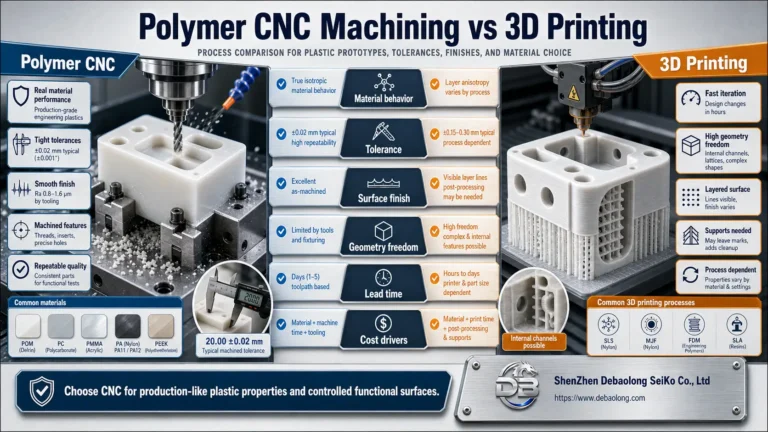
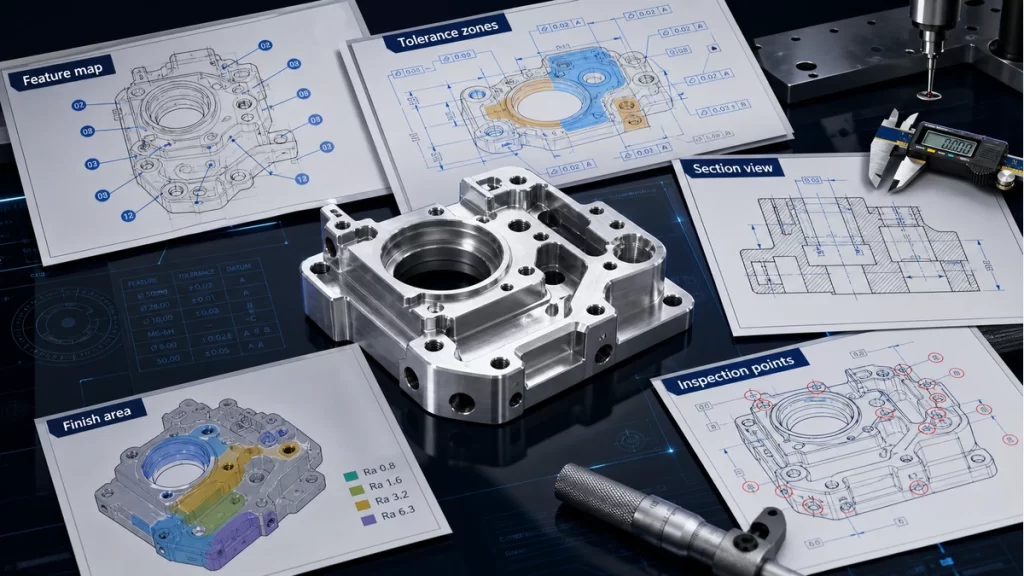
Some materials hold tight tolerances better than others. Plastics may move with temperature or moisture, while metals may require stress-relief or careful machining strategy for precision surfaces.
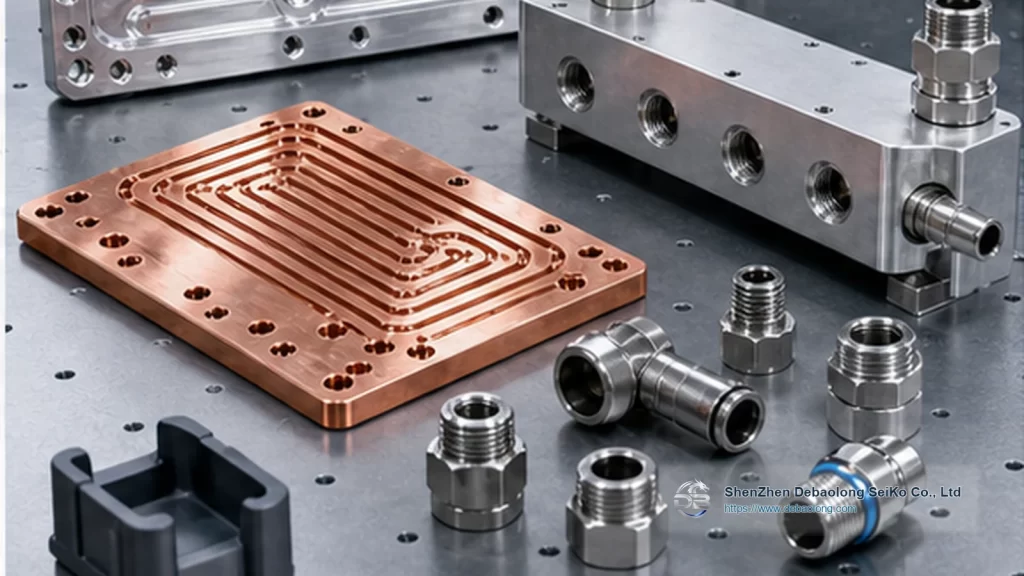
Conductivity matters in electrical, thermal and grounding applications. Aluminum, copper and brass behave differently in machining, cost and performance, so the material should match the functional requirement.
Tight tolerances are easier to hold in some metals than in moisture-sensitive or temperature-sensitive plastics. For precision plastic parts, stock condition and machining strategy matter.
Thermal or electrical conductivity should be specified where it has a function. Copper, brass and aluminum can all conduct well, but they differ in cost, tool wear, weight and finishing behavior.
Machinability, Appearance, Cost and Availability
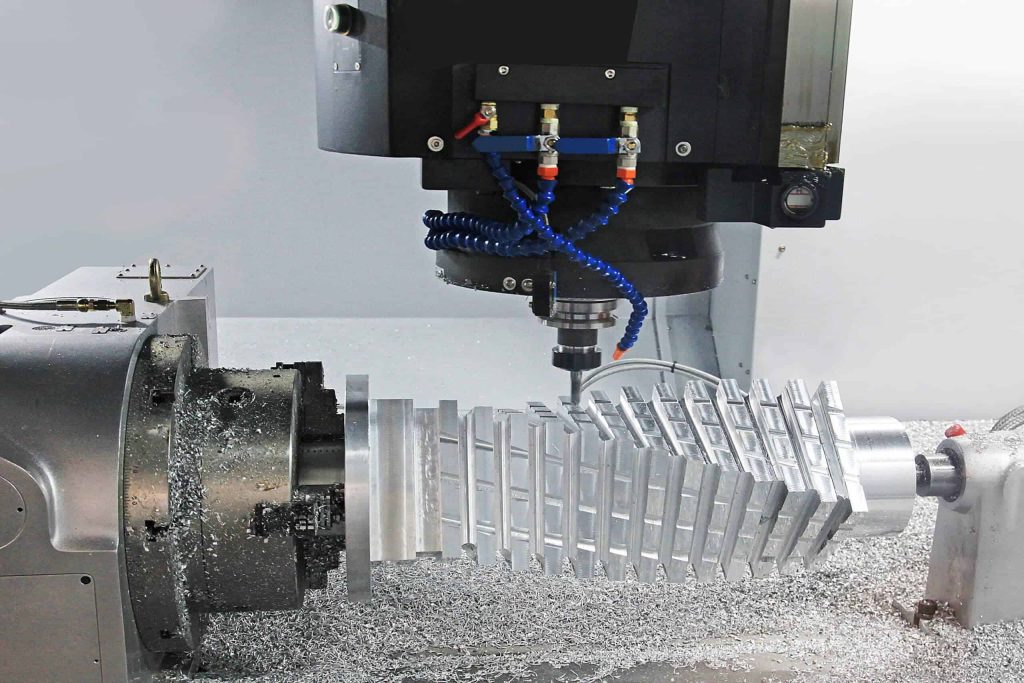
Machinability affects tool wear, cycle time, surface quality and final cost. Aluminum is often efficient; stainless steel, titanium, copper and high-performance plastics may require slower cutting or special handling.
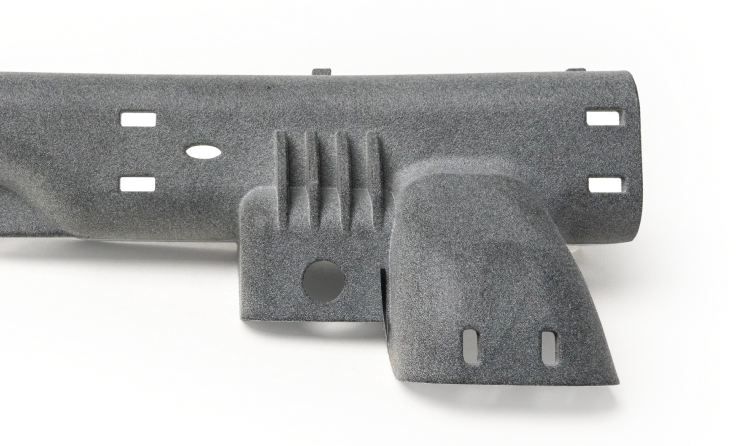
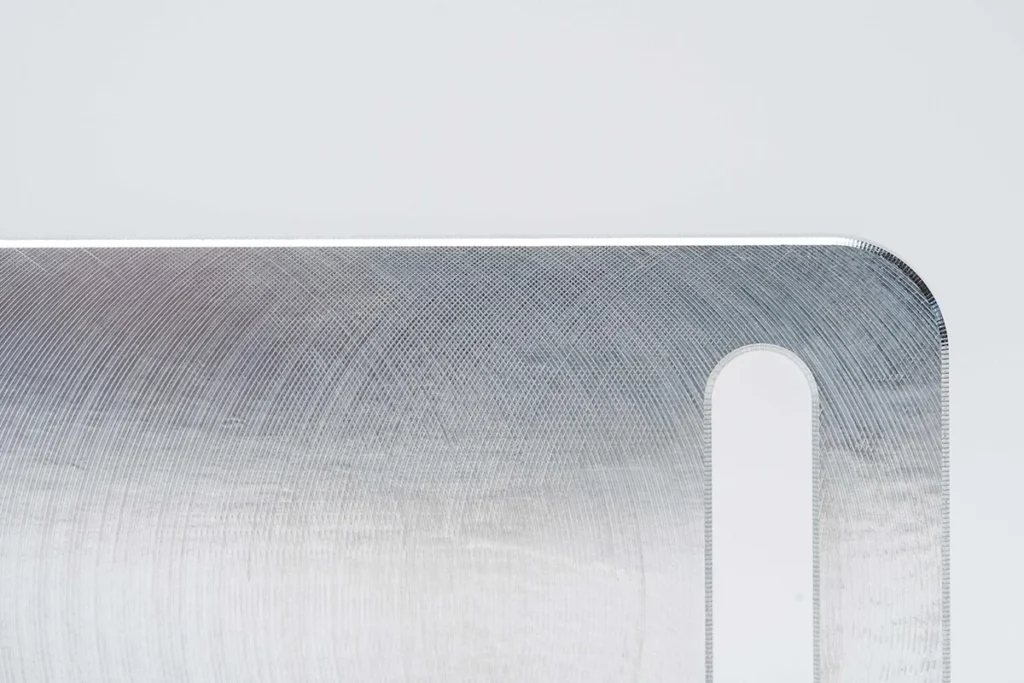
Appearance and finish also matter. Anodizing, polishing, bead blasting, plating and passivation should be considered before material choice is finalized.
Machinability affects cycle time, tool life and risk. Aluminum is often efficient; stainless steel, titanium, copper and reinforced plastics may need slower cuts or more careful workholding.
Availability also matters. A perfect material on paper may delay the project if stock size, certification, color, plate thickness or finish compatibility is limited.
DEBAOLONG Material Review
DEBAOLONG reviews CNC material selection with cost, tolerance, finish and sourcing in mind. This helps customers choose a material that works in the application and can still be machined, inspected and delivered reliably.
DEBAOLONG reviews the material with drawing requirements, quantity, finish and inspection method. The goal is not the strongest material, but the material that satisfies the application with controlled manufacturing risk.
Where uncertainty remains, a prototype or small batch can compare candidate materials before the team commits to production volume.
Practical Release Checklist
Before releasing a design for quotation or production, confirm the intended application, annual or batch quantity, material requirement, critical dimensions, cosmetic expectations, operating environment, inspection method and acceptable lead time. These inputs make the manufacturing recommendation more reliable and prevent the article’s guidance from being used as a generic rule without project context.
For related planning, review Knowledge Center, compare major manufacturing process options, or use DFM for prototyping before production release.