Automation fixtures and jigs help production equipment hold, locate, inspect or assemble parts repeatedly. A fixture must be stable, accessible and easy to use. Poor fixture design can slow the line, damage parts or hide variation. A practical fixture considers datum surfaces, clamping, operator access, sensor clearance and manufacturing cost.
Types of Automation Fixtures and Jigs
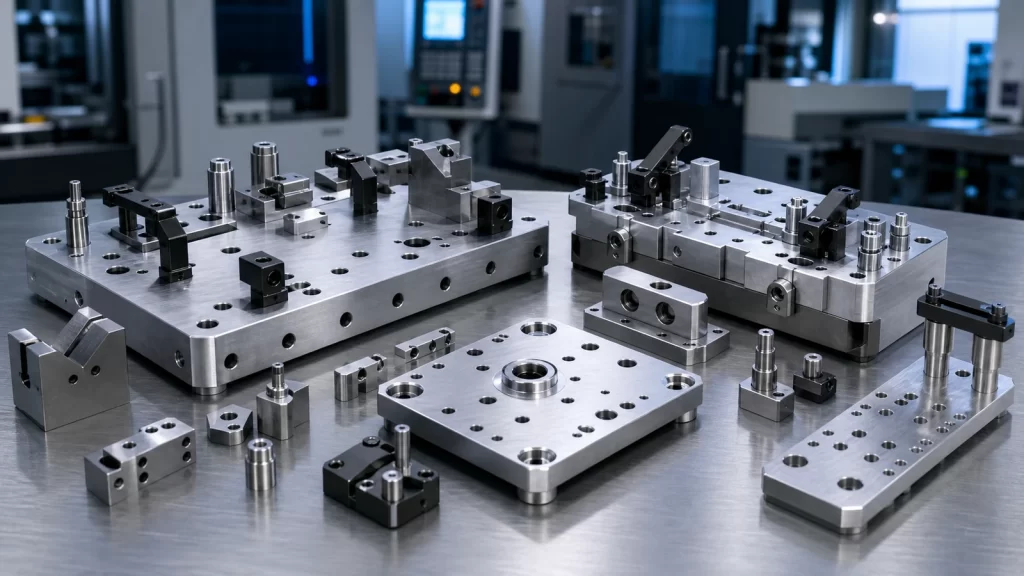
Common examples include assembly fixtures, inspection jigs, welding or bonding fixtures, locating nests, positioning blocks, pick-and-place plates, calibration tools and test holders. Some are temporary development tools, while others are used daily in production.
CNC Machined Fixture Blocks
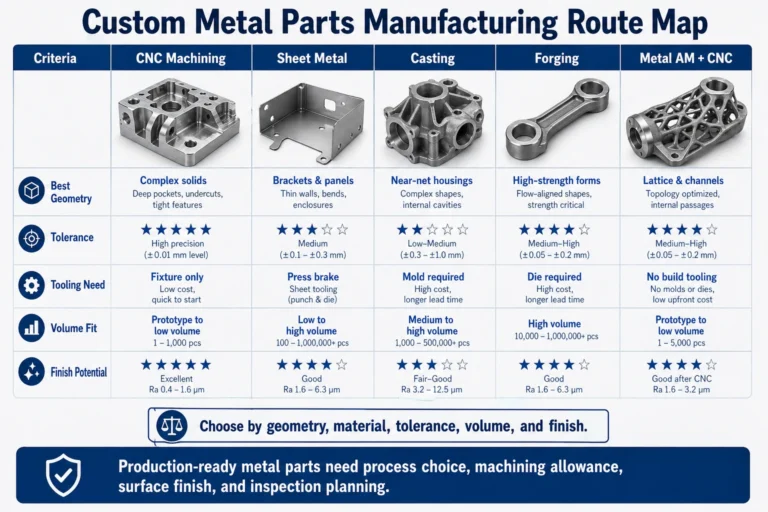
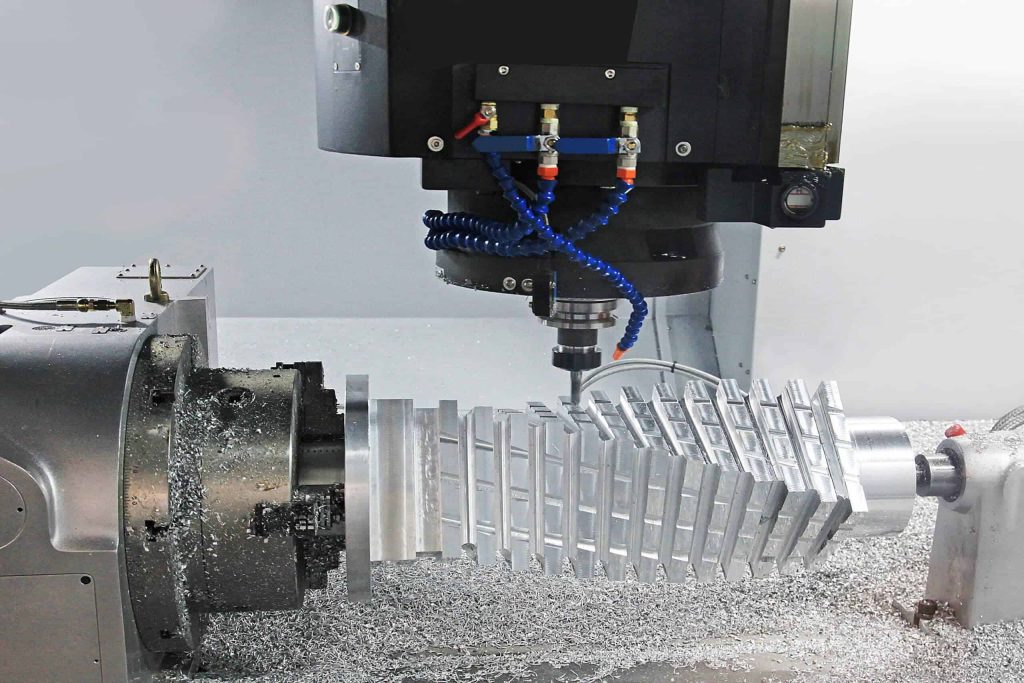
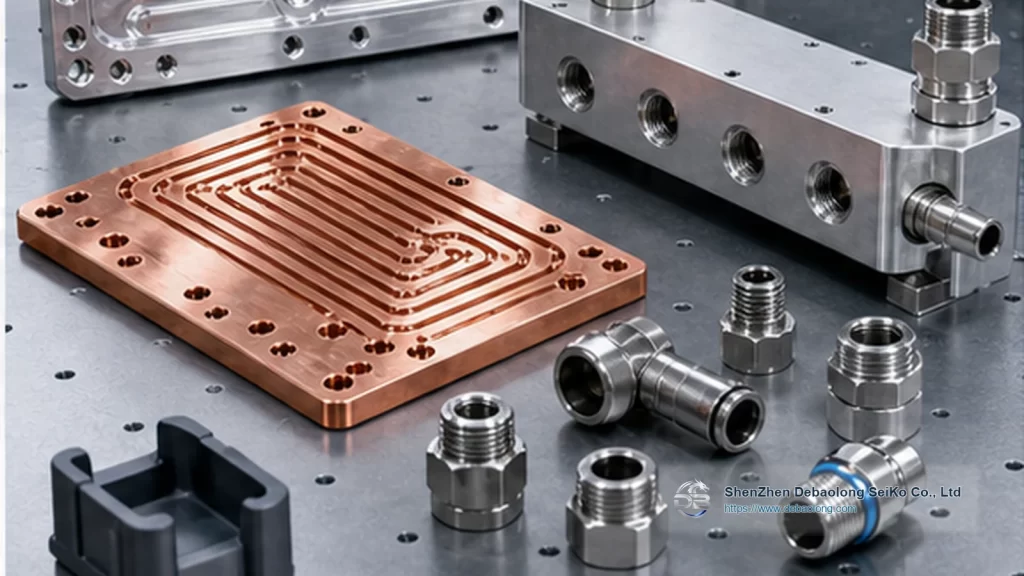
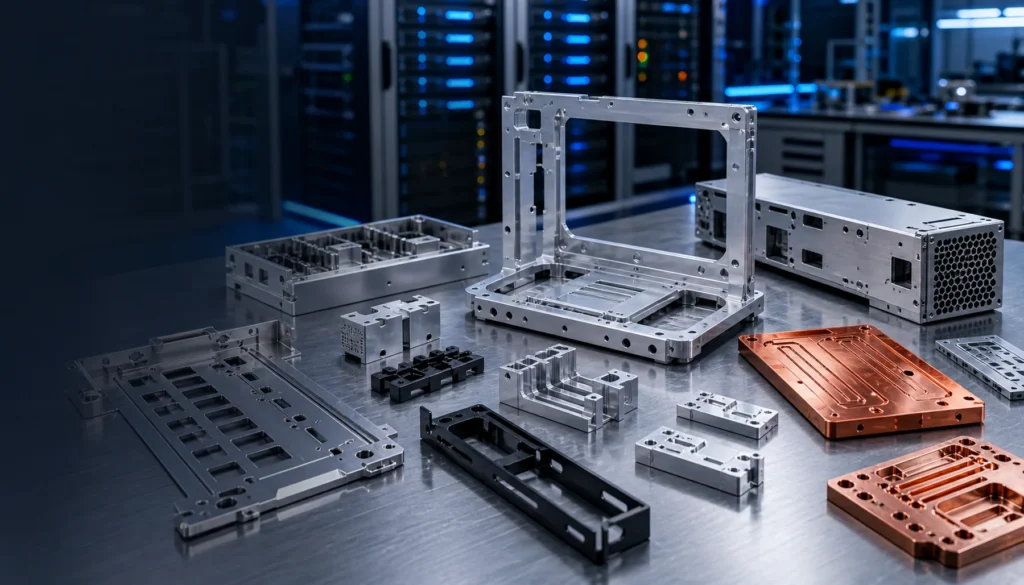
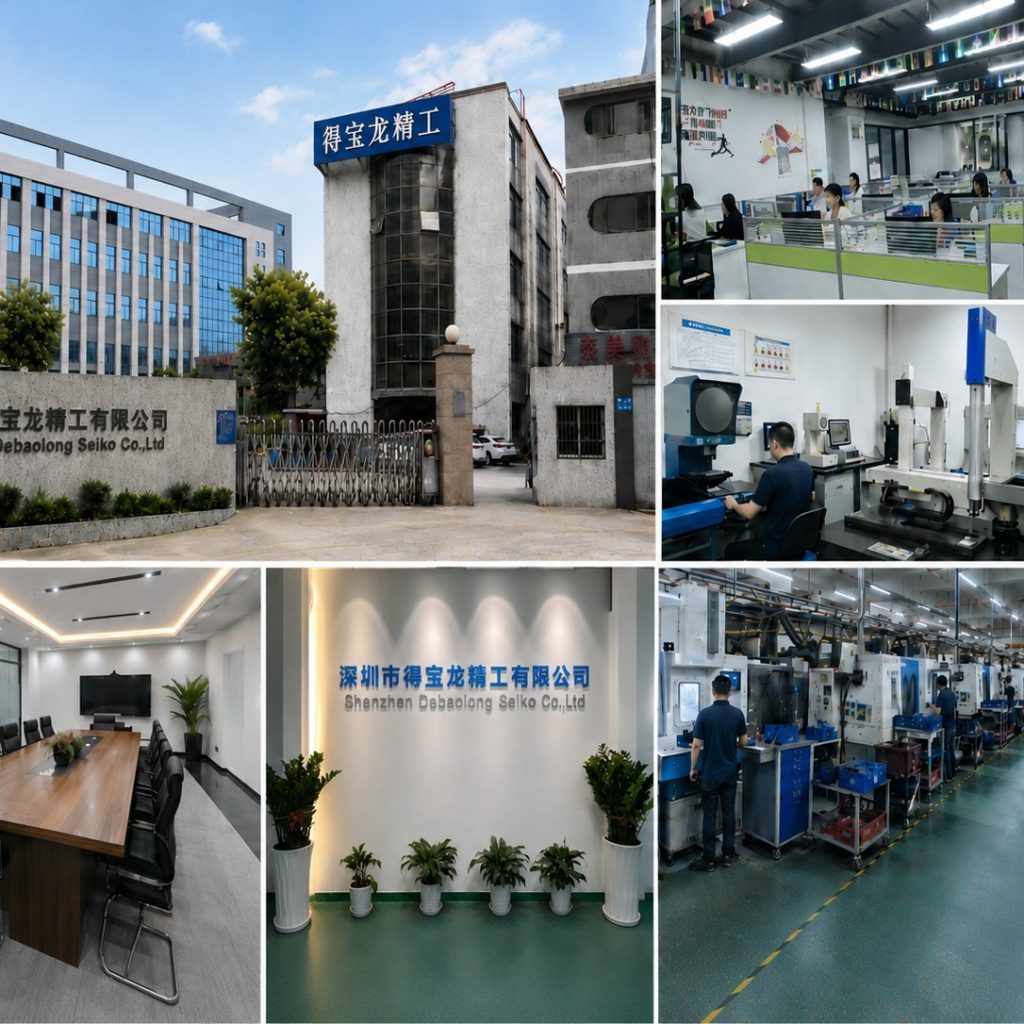
CNC machining is often used for base plates, blocks, datum pads, clamp supports and precision nests. Machined fixture parts can provide stable surfaces, threaded holes, dowel pin locations and repeatable geometry. Debaolong supports these parts through CNC machining and inspection.
3D Printed Validation Fixtures
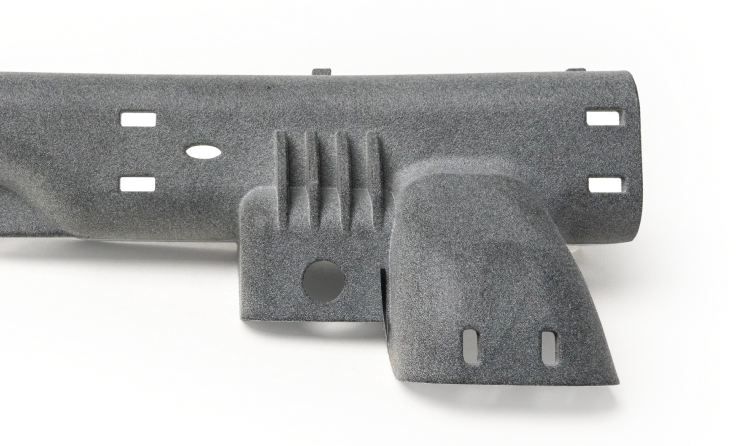
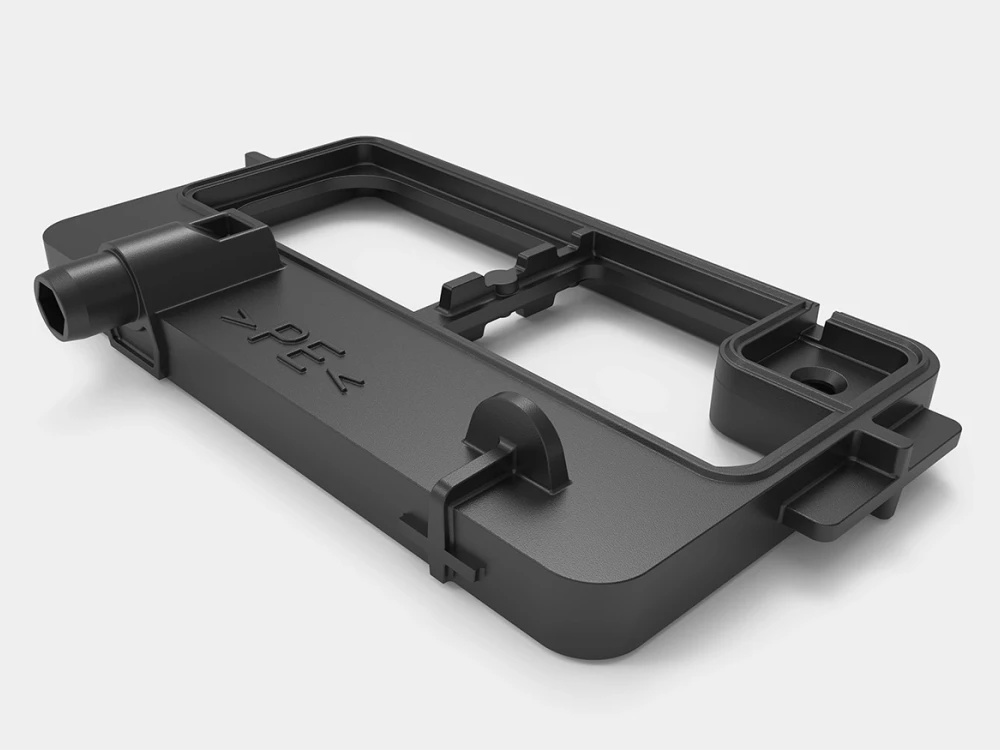
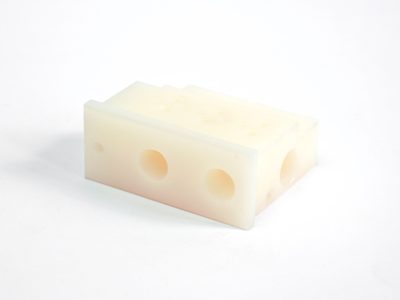
3D printing can help validate fixture concepts quickly. Printed parts are useful for checking access, part loading direction, sensor clearance and early ergonomics. If the fixture later needs strength or wear resistance, a CNC or sheet metal version may be more suitable.
Locating Pins, Datum Surfaces and Repeatability
Repeatability depends on controlled datums. Locating pins, hard stops, V-blocks, machined pockets and clamp surfaces must match the part geometry. Designers should avoid over-constraining the part, because too many locating points can create loading difficulty or false inspection results.
Material and Surface Finish Selection
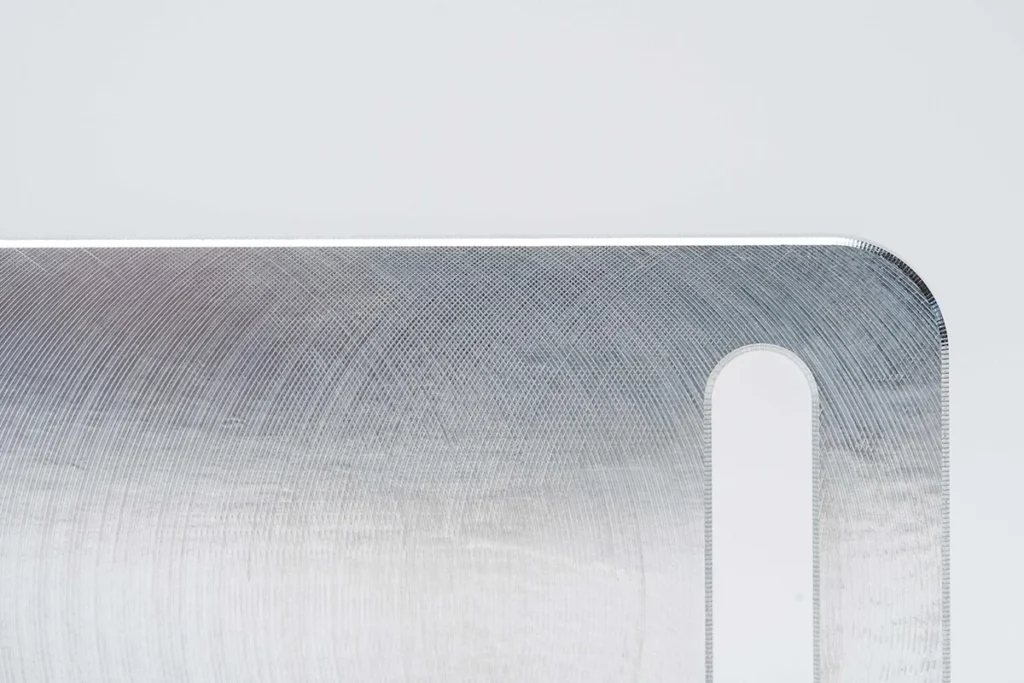
Aluminum is common for lightweight fixture plates. Steel or stainless steel may be used for wear areas, pins and high-load contact points. Engineering plastics can protect delicate parts. Surface finish should reduce burrs and wear while keeping functional faces accurate.
Inspection and Build Feedback
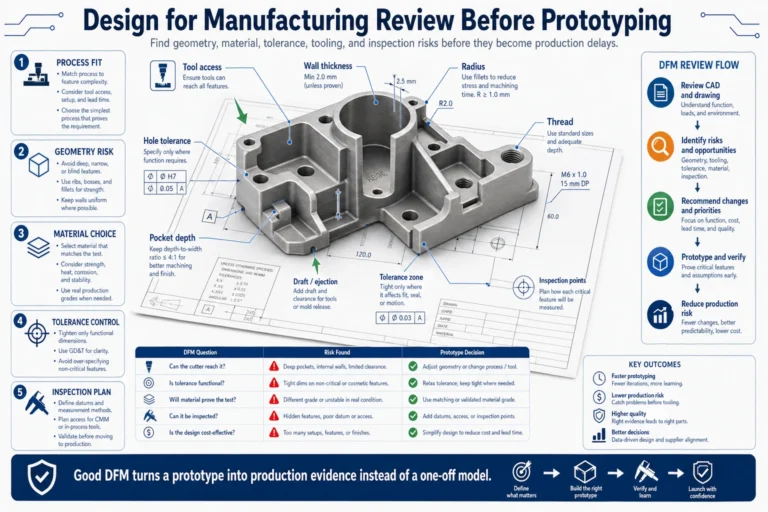
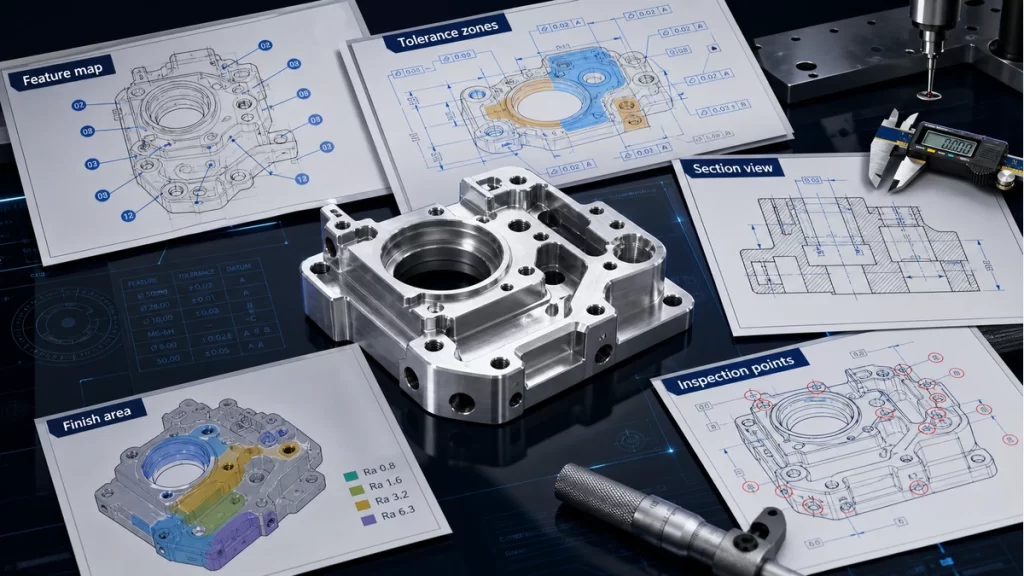
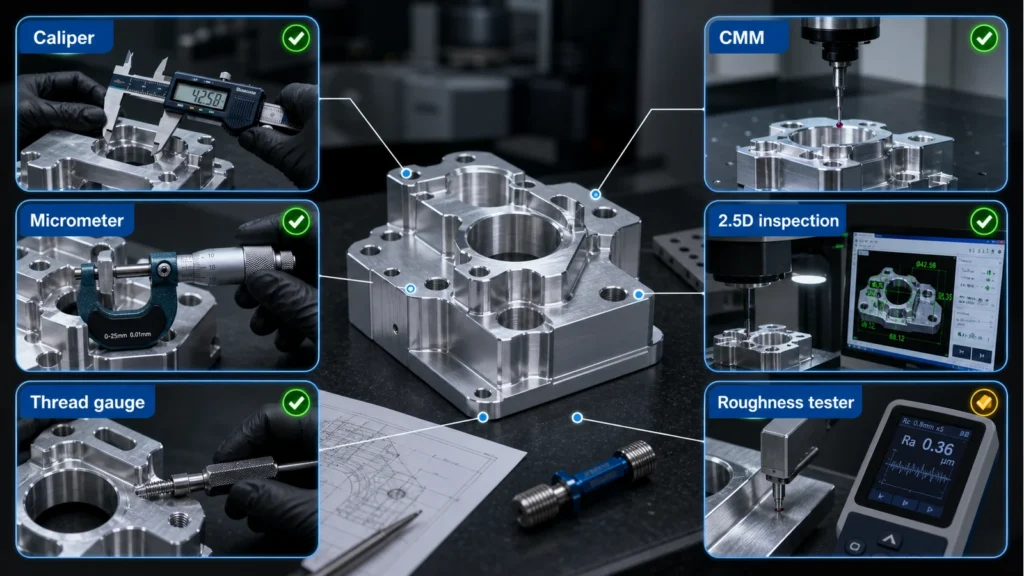
Fixture dimensions should be inspected where they affect part location. After first use, feedback should be recorded for loading, clamping, access and repeatability. Revision control is important because fixture changes can affect inspection data or production consistency.
Clamping, Access and Operator Use
A fixture should be accurate, but it should also be easy to use. Operators need room to load parts, tighten clamps, remove finished assemblies and clean chips or dust. If clamps block inspection points or if the part can be loaded in the wrong direction, the fixture may create repeatability problems even when the machined dimensions are correct.
Choosing Between Metal and Printed Fixtures
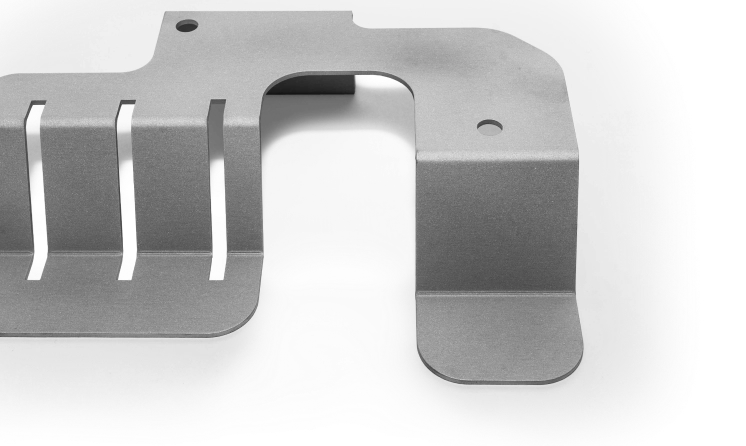
Printed fixtures are useful for early validation, soft contact surfaces and quick geometry changes. Aluminum fixtures can reduce weight while providing stable machined datums. Steel inserts or hardened pins may be needed where wear is concentrated. The final choice should match load, cycle count, accuracy and expected revision frequency.
Documentation for Repeat Builds
Automation fixtures often need replacement parts or duplicate sets. Clear drawings, part numbers, revision records and inspection notes make future builds easier. If a fixture includes purchased clamps, pins or sensors, the bill of materials should be separated from the custom manufactured components.
Fixture Cost Drivers
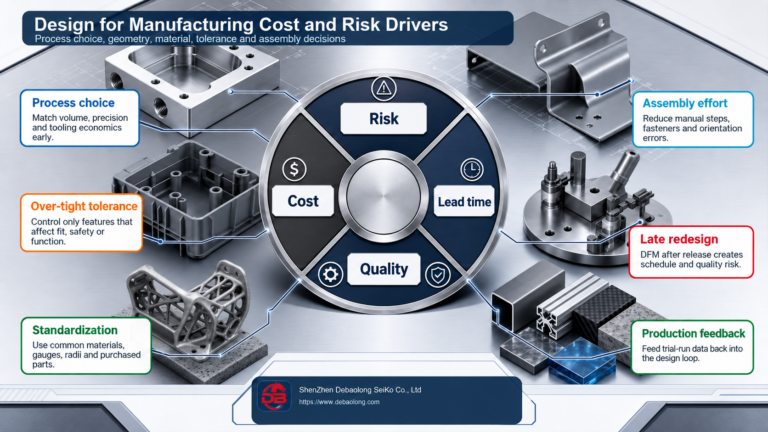
Fixture cost is affected by plate size, material thickness, number of setups, hole count, precision pin locations, surface finishing and assembly complexity. A fixture designed for a short validation run does not always need the same material or finishing as a production fixture. Separating critical locating features from general support surfaces helps control cost while keeping the fixture useful.
Validation Before Full Use
Before a fixture is released to production, it should be tested with real parts and real operators. Check whether parts can be loaded only one way, whether clamps clear the part, whether sensors can see their target, and whether the fixture can be cleaned after use. These practical checks often reveal issues that are not obvious in CAD.
RFQ Checklist
- Fixture purpose and production stage
- Part drawings and CAD files
- Critical datum and locating requirements
- Clamp, pin or insert requirements
- Expected wear areas
- Prototype or production quantity
How Debaolong Supports Fixture Projects
Debaolong can manufacture CNC fixture blocks, printed validation fixtures, base plates and inspection support parts for automation systems. More manufacturing topics are available in the Knowledge Center.
FAQ
What is the difference between a fixture and a jig?
A fixture holds or locates a part. A jig may also guide a tool or operation. In automation, the terms often overlap.
Can 3D printing be used for production fixtures?
Sometimes, but wear, stiffness and temperature should be reviewed. CNC machining may be better for long-term production fixtures.
Why are datum surfaces important?
Datum surfaces define repeatable location. Without them, inspection and assembly results can vary.
Can Debaolong make inspection jigs?
Yes. Debaolong can support machined and printed inspection jigs according to customer drawings and requirements.
Need automation fixtures or jigs? Send CAD files and fixture requirements through the Robotics & Automation Components page.