
Review 3D printing material considerations for medical prototypes, anatomical models, surgical guides, fixtures and application-specific engineering validation.
Medical Requirements for Printed Materials
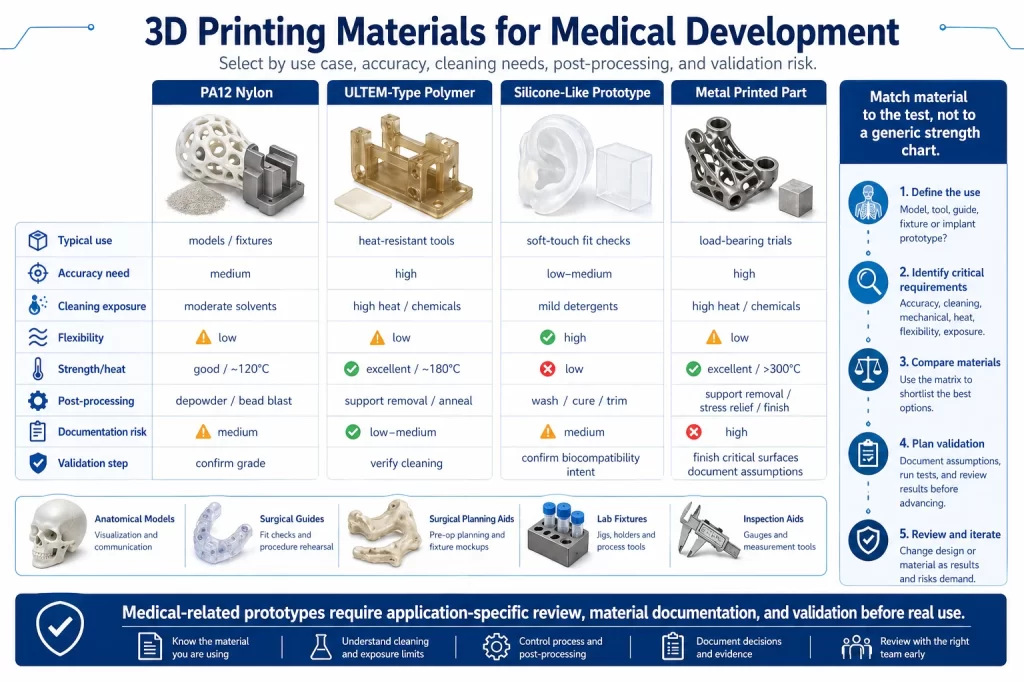
Medical-related 3D printing materials must be evaluated by use case. A training model, anatomical model, surgical planning aid, lab fixture and functional medical component all have different requirements for accuracy, cleaning, strength, documentation and contact risk.
Material selection should not be made from generic strength alone.
PA12 Nylon, ULTEM, Silicone-Like Materials and Metals
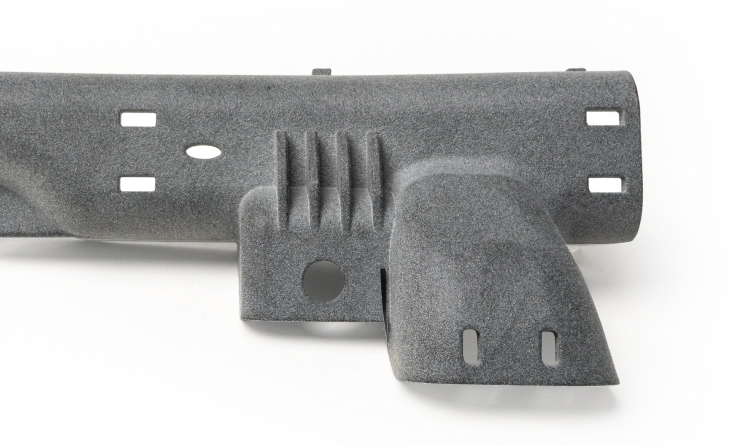
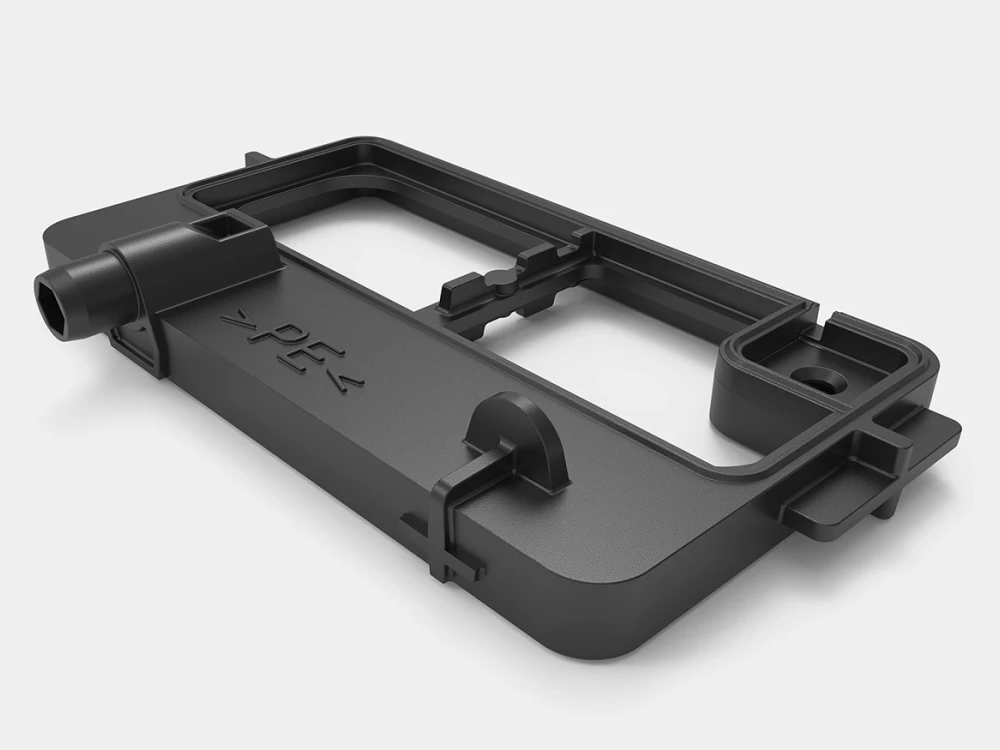
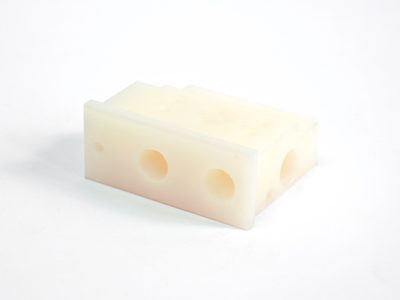
Material families discussed here include PA12 nylon, ULTEM 1010, silicone-like materials, titanium Ti6Al4V and stainless steel 17-4PH. Nylon can support durable functional parts, ULTEM can support higher temperature needs, silicone-like materials can support soft-touch models, and metals require stronger qualification and post-processing.
Each material should be matched with process capability and documentation needs.
Accuracy, Sterilization and Post-Processing
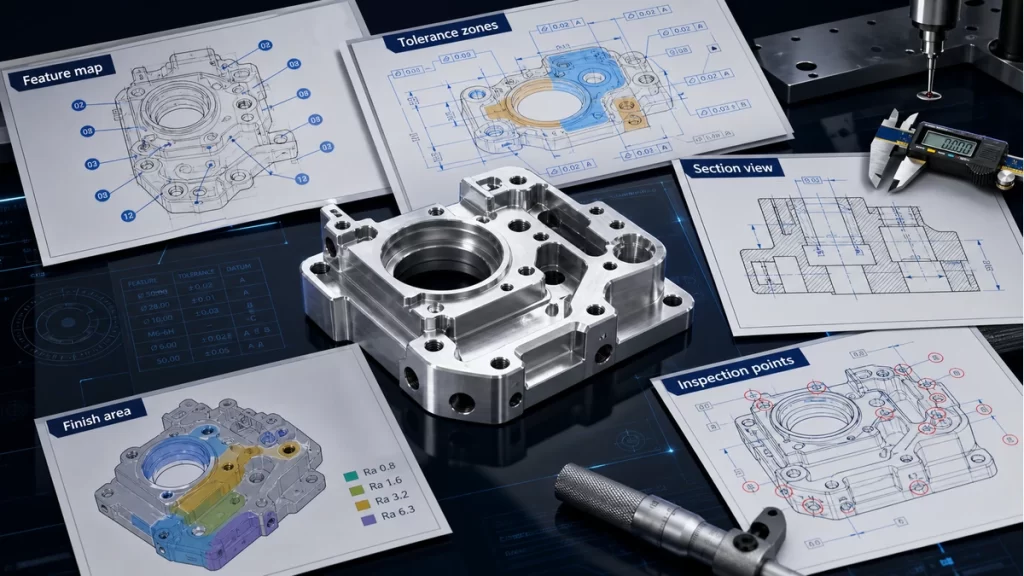
Medical-related parts may require dimensional checks, cleaning, curing, surface finishing or sterilization compatibility. These steps can affect material behavior and part dimensions.
Assumptions are risky: the selected material and post-process must match the intended application.
Responsible Use in Medical Development
3D printing can accelerate medical device development, but printed prototypes should have clear boundaries. They may prove fit, visualization or handling while final validation requires controlled manufacturing and additional testing.
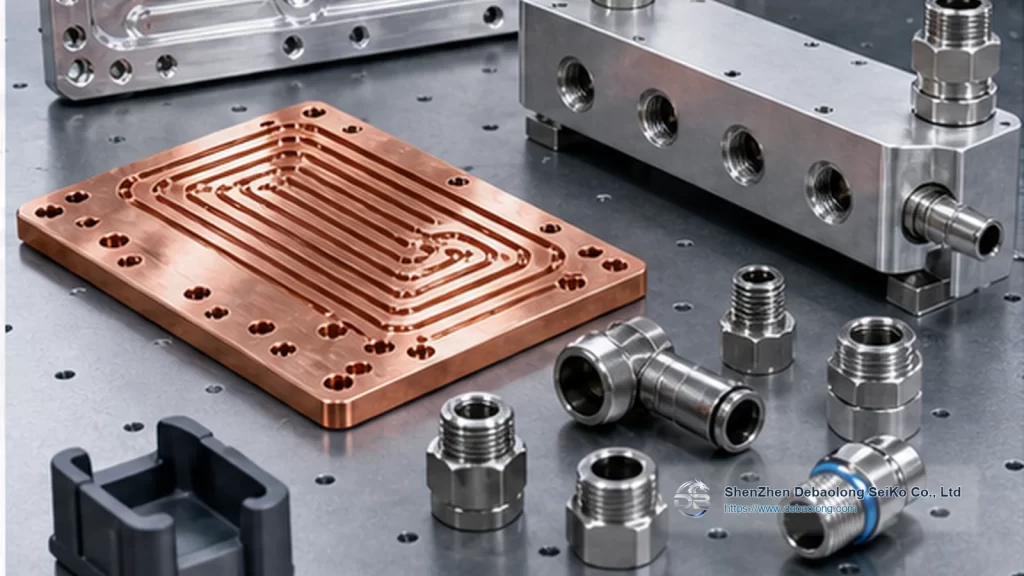
DEBAOLONG connects printed prototypes with downstream precision manufacturing, inspection and documentation needs.
Choosing Materials for Real Medical Development
Medical-printing material selection depends on the intended use case and its qualification requirements. Visual anatomical aids, handling models, lab fixtures and functional medical components each require different levels of process control, cleaning, documentation and post-processing discipline.
DEBAOLONG uses that distinction to decide whether a printed medical part should remain a development tool or move into a more controlled manufacturing plan. This prevents prototype convenience from being mistaken for final-use suitability when sterility, dimensional control or clinical environment requirements are significant.
DEBAOLONG Engineering Review
Define whether the part is a nonclinical model, a development fixture or a proposed final-use component. State contact conditions, cleaning or sterilization requirements and the evidence needed to qualify the exact material and manufacturing process. A prototype, a material datasheet or this article does not establish clinical suitability or regulatory approval.
For broader manufacturing planning, review Knowledge Center, compare major manufacturing process options, or use DFM for prototyping to connect early design decisions with production-ready parts.