
Compare subtractive and additive manufacturing by geometry, material behavior, tolerance, surface finish, cost, waste and production readiness.
What Subtractive Manufacturing Does Well
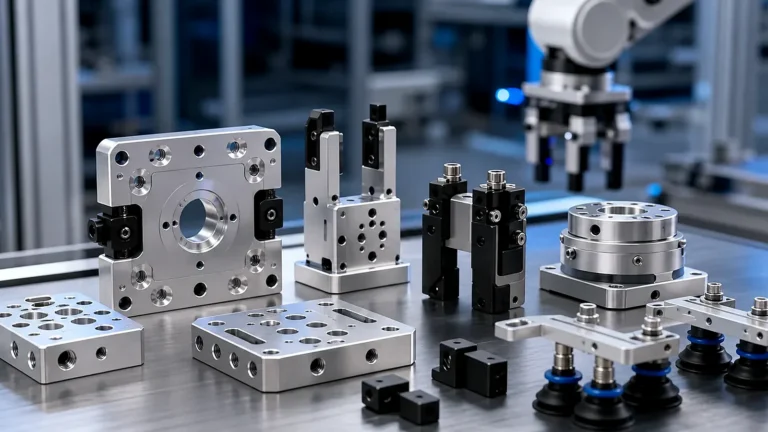
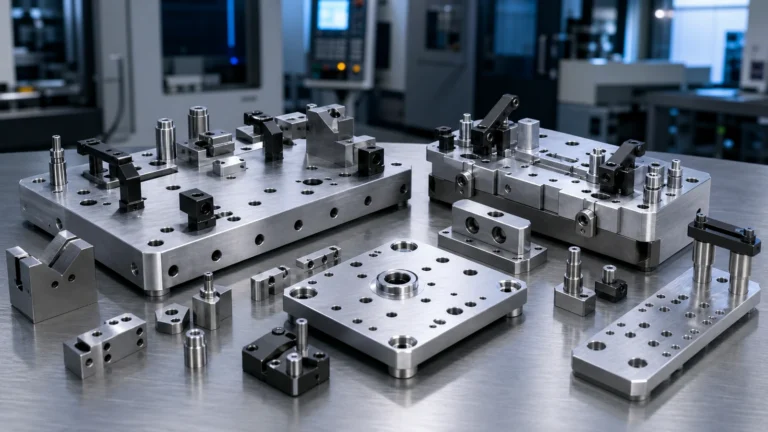
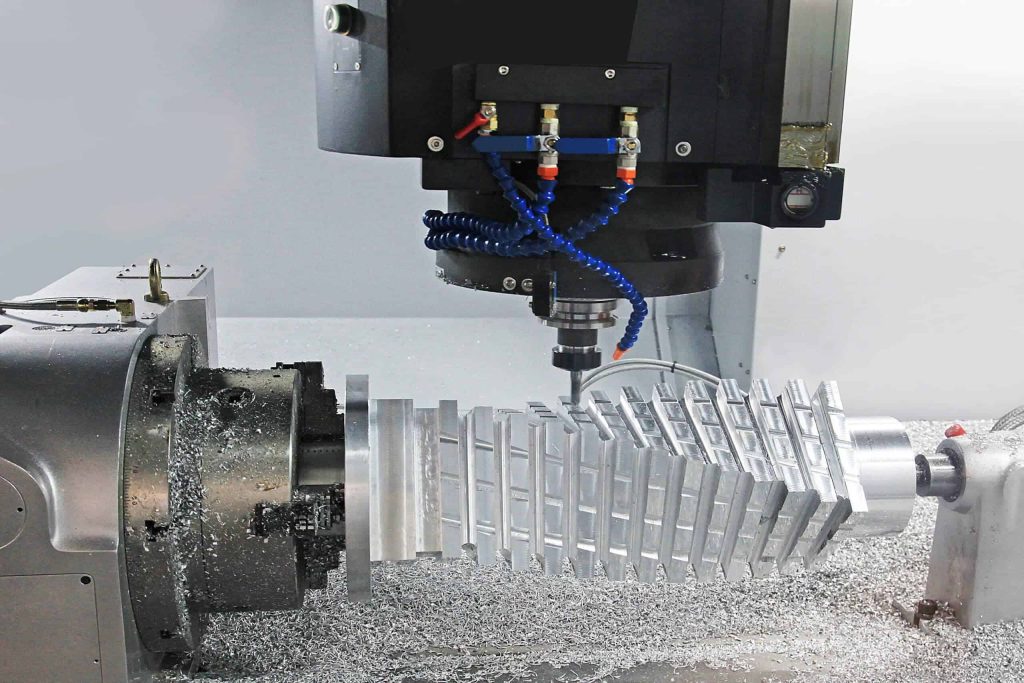
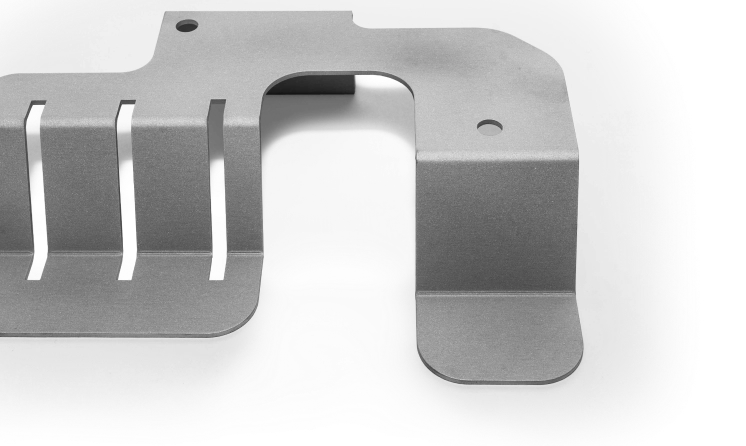
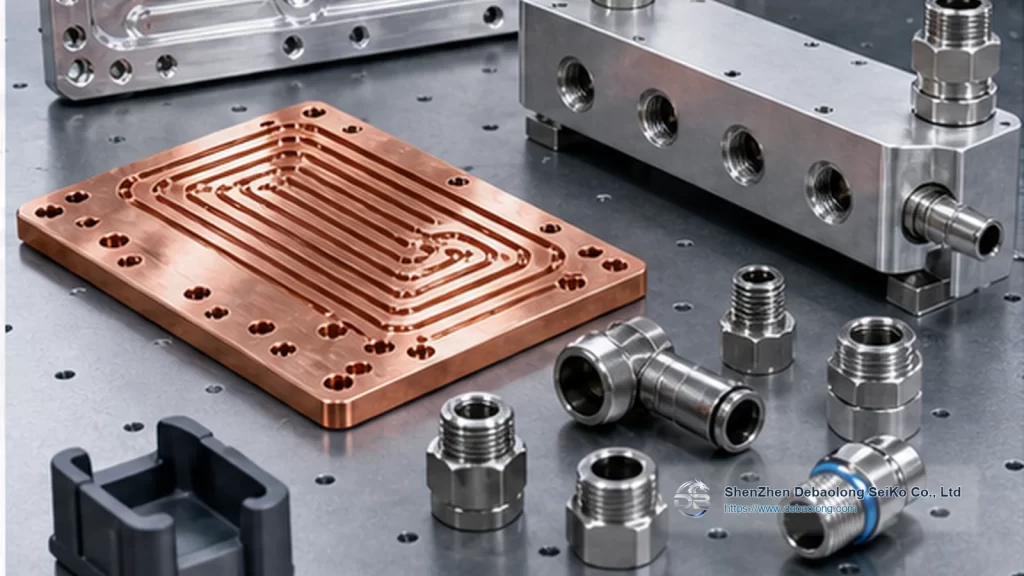
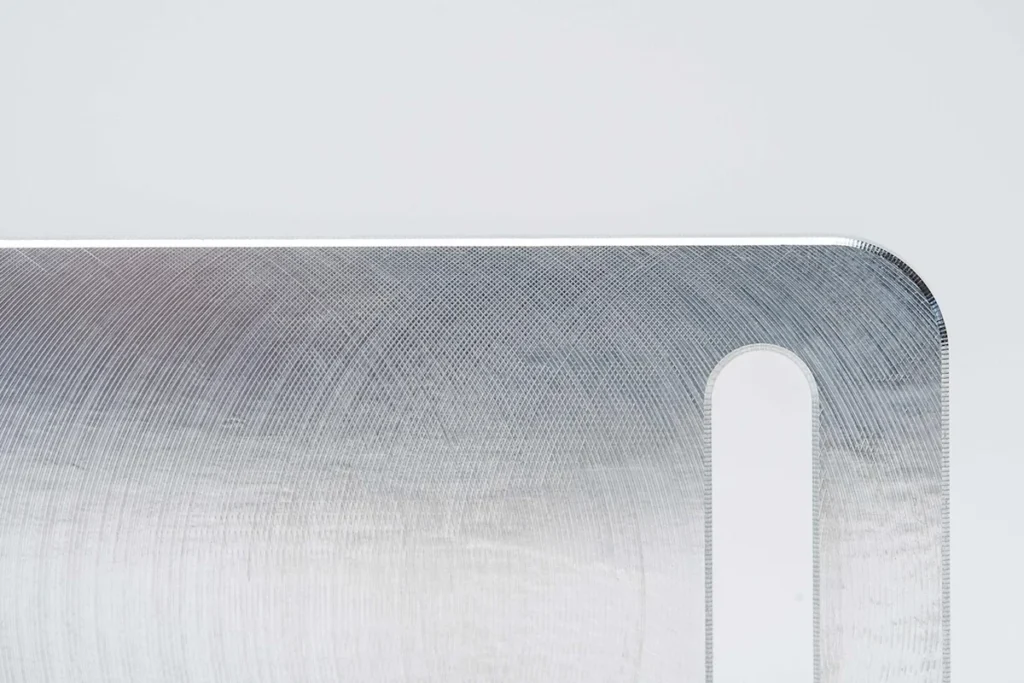
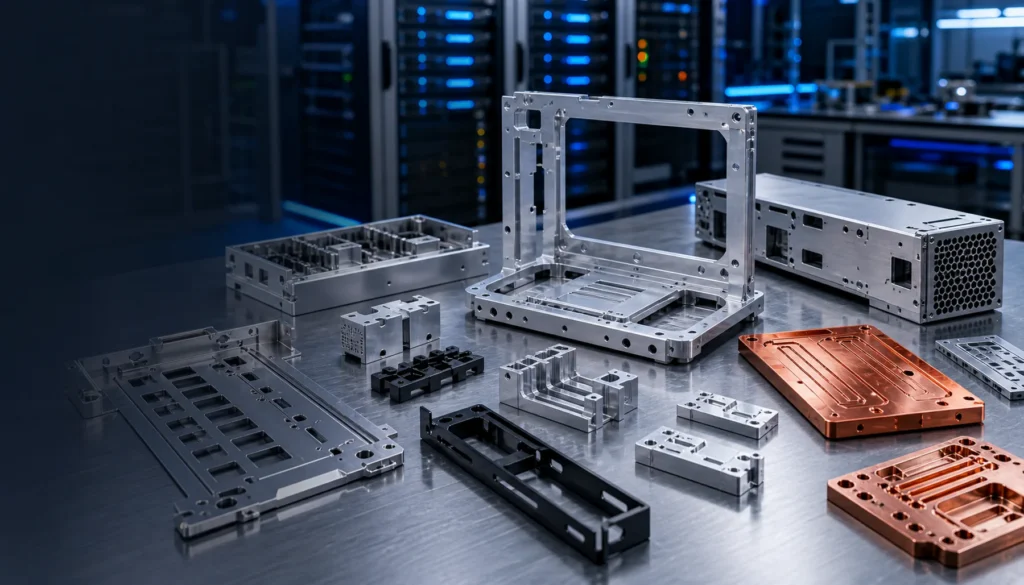
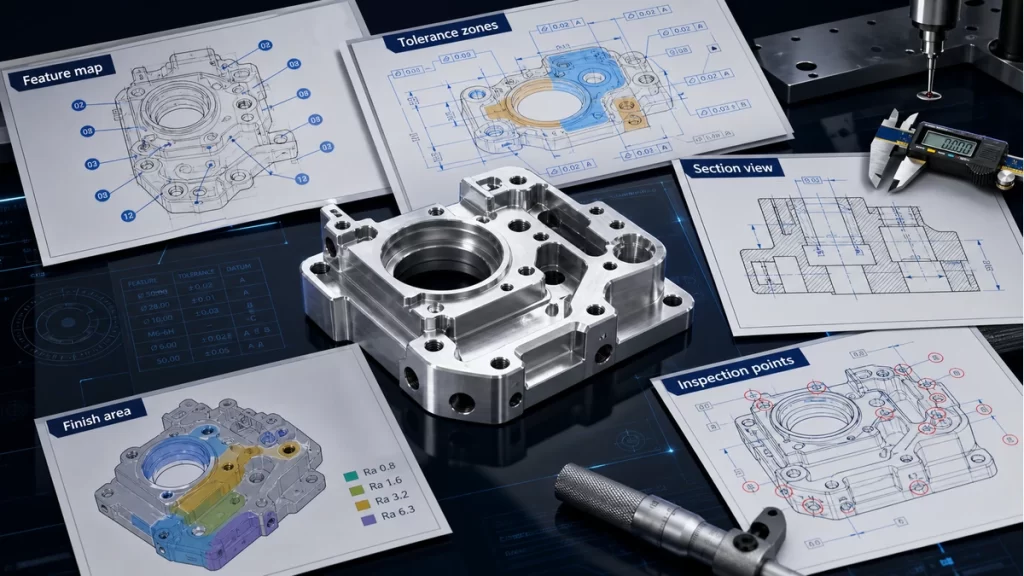
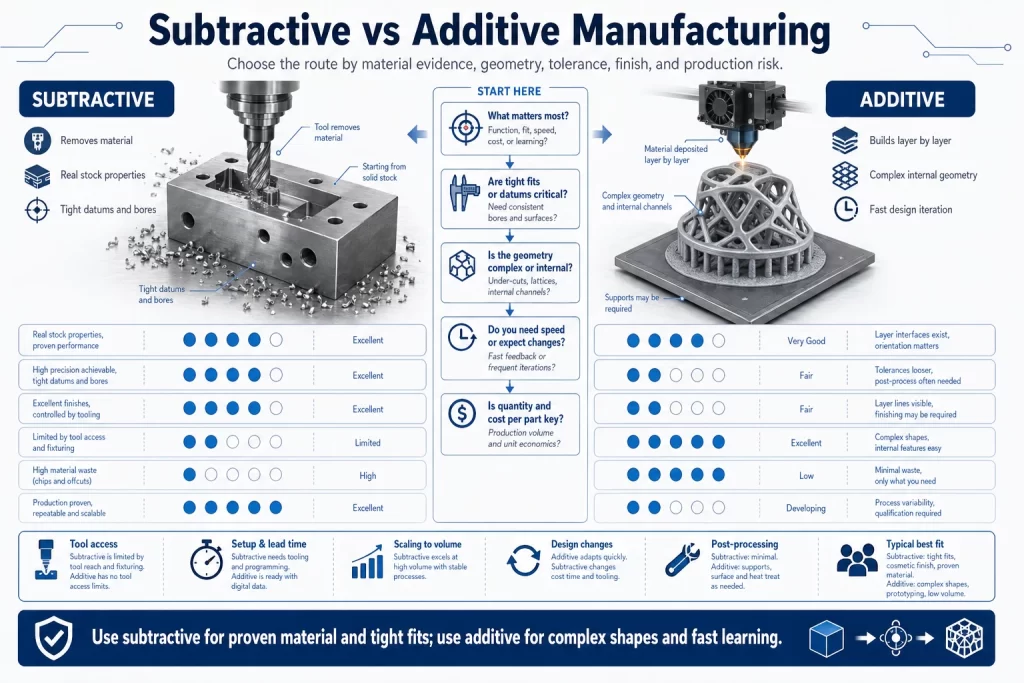
Subtractive manufacturing removes material from stock through machining, cutting or grinding. It is strong for production-grade materials, controlled tolerances, datum surfaces and precision interfaces.
Its limitations include tool access, workholding, material waste and setup complexity.
What Additive Manufacturing Does Well
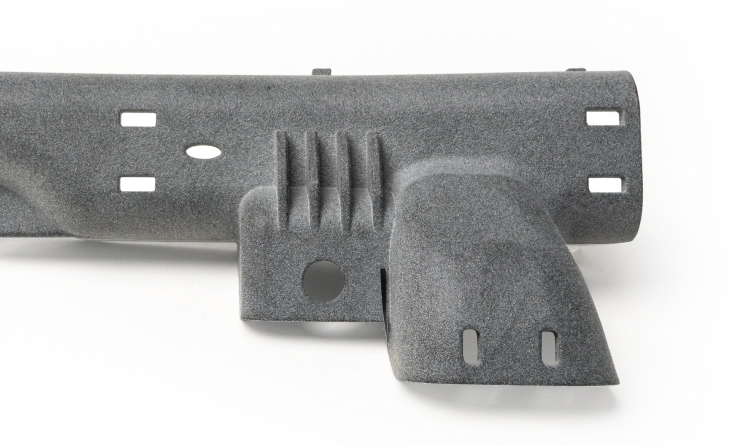
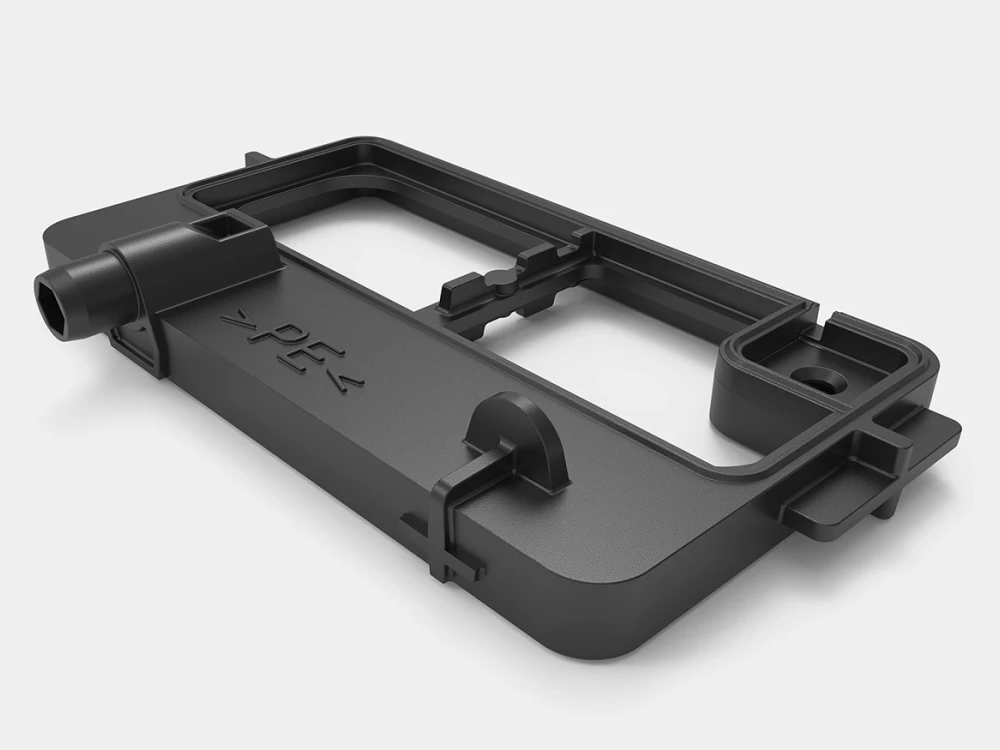
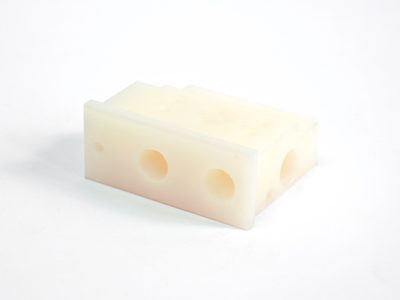
Additive manufacturing builds parts layer by layer, making it useful for complex internal features, organic shapes and fast iteration. It can reduce tooling needs and help teams explore geometry early.
Its limitations include surface finish, material behavior, layer orientation, support removal and post-processing.
Advantages, Limits and Comparison Criteria
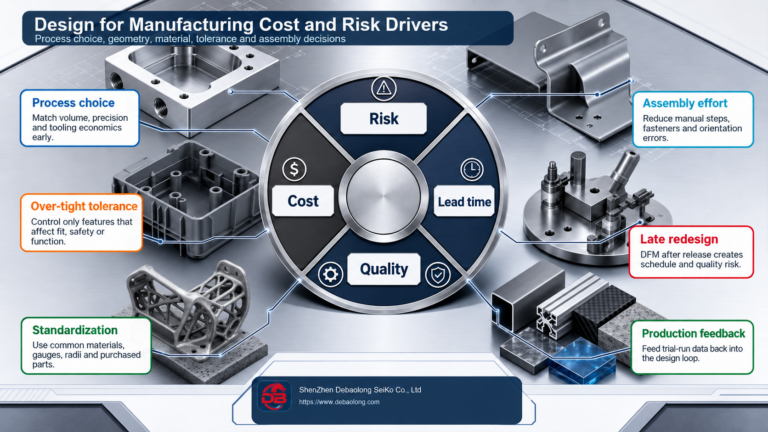
A fair comparison includes geometry freedom, material evidence, tolerance, finish, cost, lead time and production intent. Additive may be better for concept learning, while subtractive may be better for final material and dimensional evidence.
The route should be chosen based on the engineering question the part must answer.
Choosing Between the Two Routes
Some projects use both routes. A printed concept can become a machined functional prototype, and a machined test part can later become a molded or cast production part.
DEBAOLONG helps teams keep these transitions intentional so prototype constraints do not accidentally become production problems.
A Practical Selection Workflow
Subtractive and additive manufacturing approach part geometry in different ways. In practice, the selection should start with the question the part must answer: geometric exploration, material evidence, tolerance evidence, customer-facing finish, production economics or assembly learning.
DEBAOLONG uses this workflow to avoid technology bias. A printed concept, machined prototype and molded production part can all belong to the same project, but each one should be chosen because it supports the next decision with the least risk and the clearest manufacturing evidence. This also keeps process selection tied to inspection strategy, downstream finishing and realistic production handoff requirements.
DEBAOLONG Engineering Review
Start the route review with the part requirement, then mark inaccessible geometry, critical interfaces and acceptable post-processing. Keep material evidence separate from shape evidence. Where a combined additive and subtractive route is considered, define the intermediate datums and inspection checkpoints rather than assuming either process can finish the whole part alone.
For broader manufacturing planning, review Knowledge Center, compare major manufacturing process options, or use DFM for prototyping to connect early design decisions with production-ready parts.