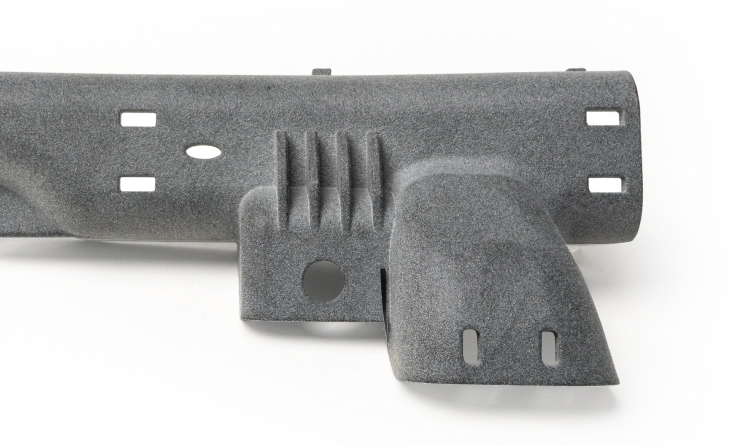
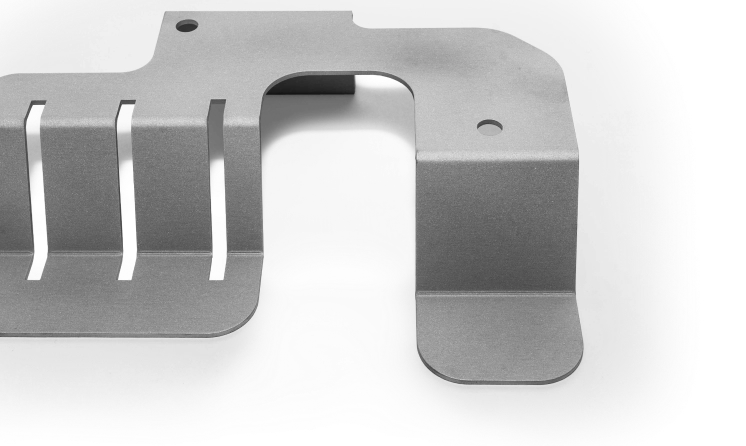
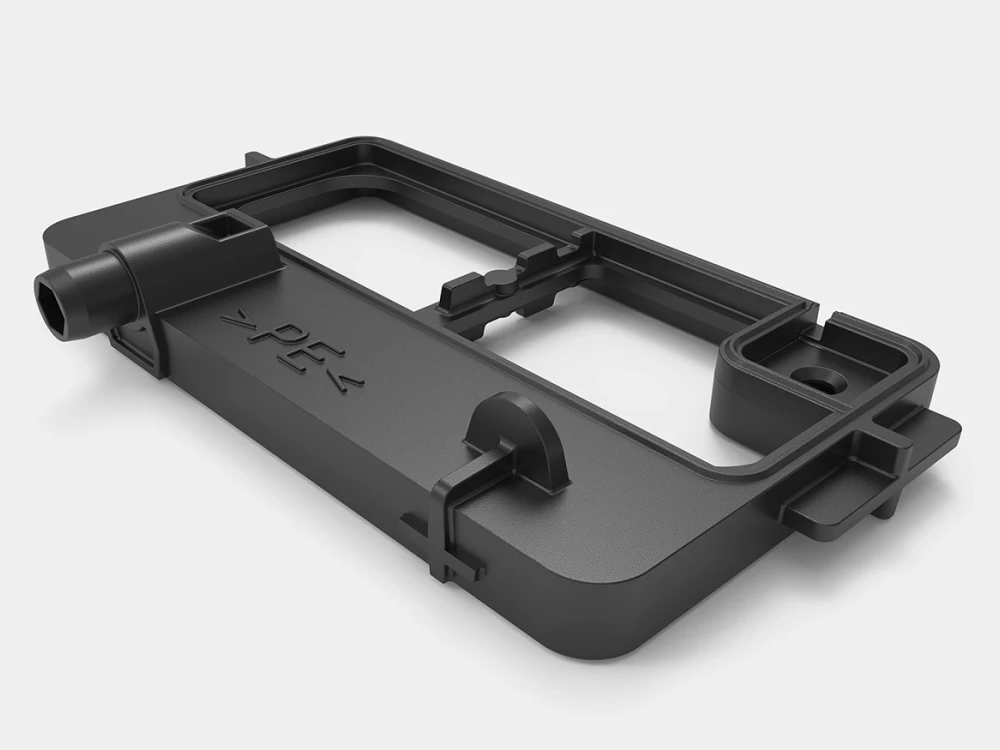
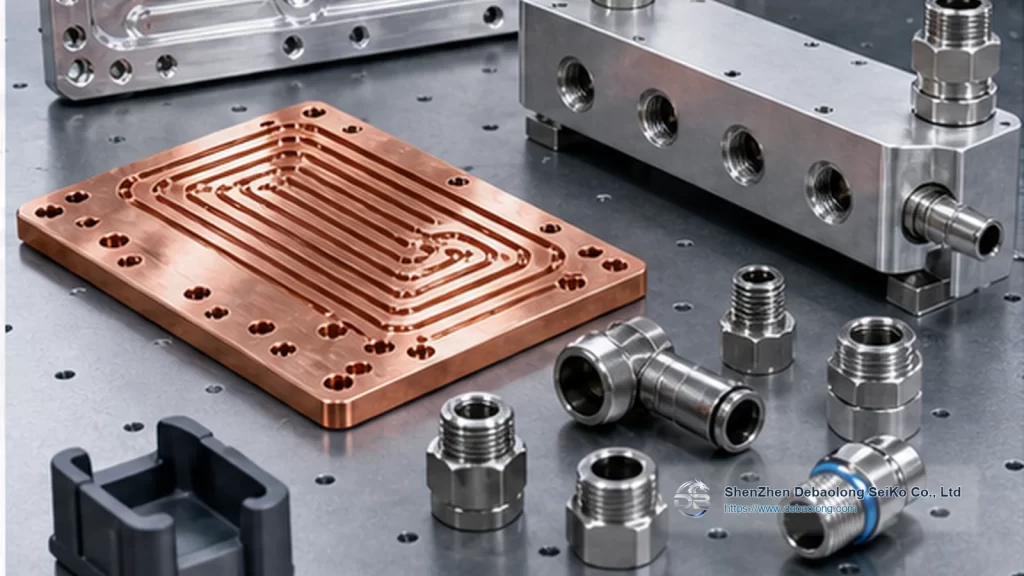





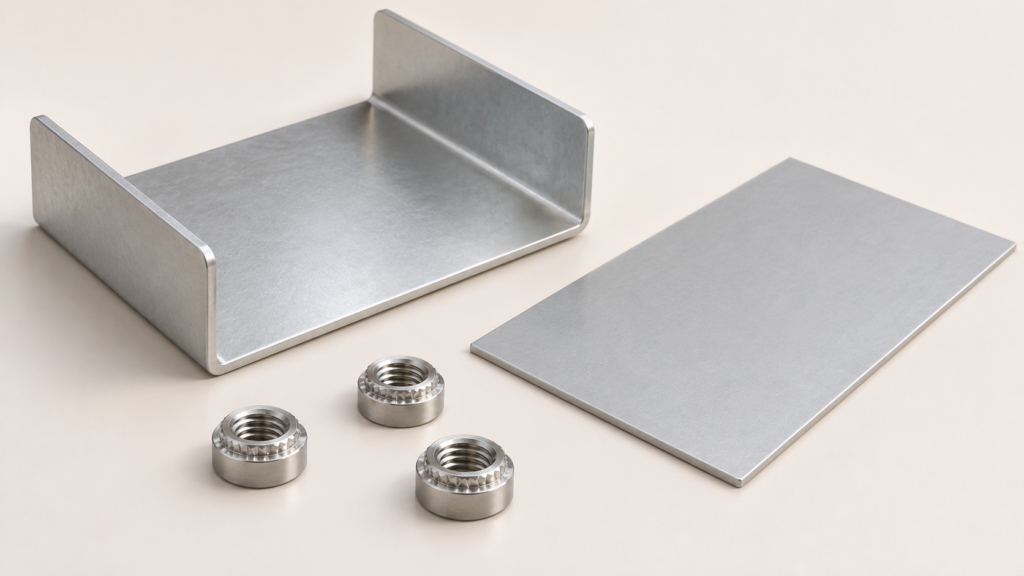
Featured image: concept illustration of separate sheet-metal components and threaded hardware, not a customer product or a validated installation.
A sheet-metal enclosure can arrive with the correct color and hole pattern yet still fail at a small interface: a nut turns in the panel, or a screw will not enter cleanly. Putting “install nuts and powder coat” on the purchase order does not define the manufacturing route or the evidence needed to accept it.
The practical starting point is clear. For standard self-clinching hardware, plan installation before powder coating, not pressing hardware through an already coated mounting interface. Confirm the detailed route for the specified panel, fastener and coating system. A proposed exception needs the fastener manufacturer’s approval, not an assumption on the shop floor.
In its November 16, 2026 announcement, NVIDIA described reuse of chassis, power and cooling infrastructure in its Vera CPU rack platform to simplify deployment and maintenance. That is relevant industry context for well-defined mechanical interfaces, not evidence that a particular enclosure or supplier is compatible with NVIDIA systems. This guide addresses one ordinary purchasing decision behind equipment panels: how the fastener installation and coating steps are handed over.
First, identify the fastening technology
Self-clinching hardware is not a generic name for every threaded insert. Do not substitute a rivet nut, welded nut or insert intended for plastic because it has the same thread size. Use the exact manufacturer and part designation on the hardware schedule, including the required material and finish. PEM is a brand, not the name of every self-clinching fastener.
PennEngineering’s 2025 handbook (HB-12) warns against installing self-clinching fasteners after painting or powder coating because performance can be reduced. Its surface-finishing guide explains that coating can interfere with the installation interface and discusses specific engineered exceptions. Those exceptions are not a blanket permission to reverse the standard route. Plating and anodizing also require their own review; “all finishing happens last” is not a reliable universal rule.
Replace a vague note with a controlled route
Ask the fabricator and finisher to review one revision-controlled route rather than issue separate instructions that never meet. The following is a purchasing framework, not a press-setting or coating recipe.
Panel and hardware release
Record the drawing revision, sheet grade and thickness, fastener designation, quantity and installation side. Ask the installer to identify the manufacturer’s applicable hole and panel requirements. An order for “M4 nuts” alone leaves too many choices open. Do not copy a hole size or installation force from a different product family.
Installation handover
Define who confirms the installation setup and what is recorded before the assembly leaves for finishing. Photographs can document location and visible seating, but should not be treated as proof of retention performance. Specify which characteristics need a measured or tested result and which need a visual check.
Finishing handover
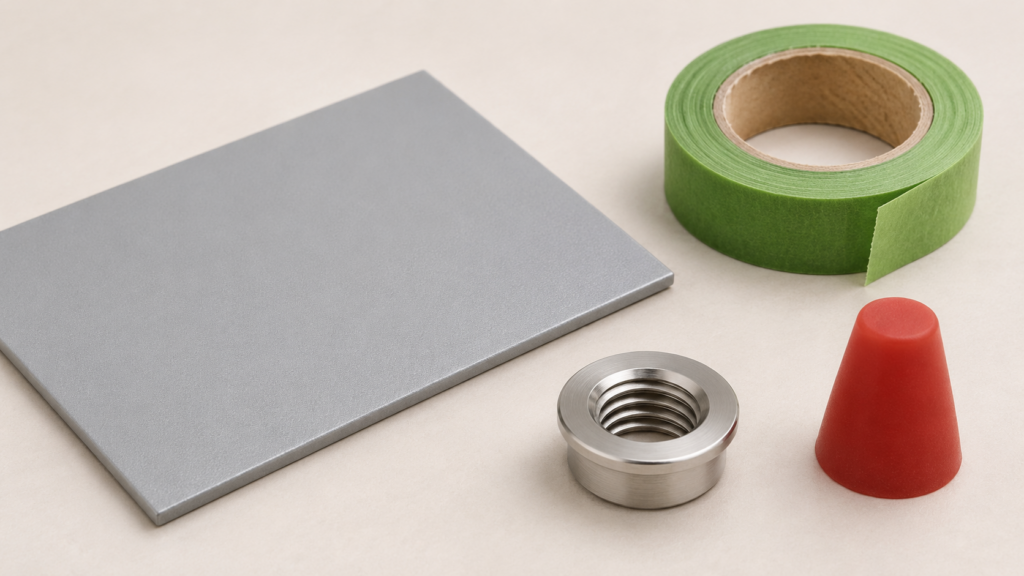
Provide an approved masking map, rather than assuming every opening is protected or every metal contact must remain bare. Identify the threads and functional areas that need protection. The finisher and fastener supplier should confirm compatibility with the actual pretreatment and curing route. PennEngineering’s finishing guidance also flags the relationship between masking, wet processing and drying. A plug selection by itself is not a complete process plan.
Final acceptance
State what will be inspected after coating and who can approve deviations. The agreed checks should address the finished assembly, not just an uncoated sample. Keep the fastener and panel revision linked to the inspection record so the evidence still means something when the next batch arrives.
Check thread usability and attachment separately
A screw entering a nut answers a different question from whether that nut is securely retained in the sheet. Likewise, a good-looking coating does not establish that the threads or seating interface are acceptable.
Organize the acceptance plan into separate questions:
- Is the specified fastener present, in the correct location and orientation?
- Does the final thread condition meet the agreed checking method?
- Is there unacceptable panel distortion, coating damage or contamination at the identified interfaces?
- Where retention testing is required, which approved method, sampling plan and acceptance values apply?
- Does the intended mating component assemble under the defined conditions?
Do not invent a universal torque, pull-out value or inspection percentage. Ask the responsible engineer to define the criteria for the actual application. Keep the test setup and the acceptance limit together; a number without its method is difficult to interpret.
A short handover example
Consider an illustrative order for a coated equipment tray with threaded mounting points. The fabricator supplies the tray and installed hardware; a second company applies the coating. The buyer supplies the released mating-part drawing.
Before release, the three parties agree the hardware schedule, approved route, protected areas and final checks. The installation record travels with the tray to the finisher. The final record identifies that same drawing and hardware revision. If the buyer wants an assembly trial with a real mating part, the quotation states who provides it and whether the trial is included.
This is a proposed documentation workflow, not a report of a Debaolong customer job or a guaranteed service package.
What if a nut is missed or a thread is blocked?
Treat the condition as a deviation to review, not a reason to improvise. Record the affected parts and obtain a disposition before adding hardware after coating, forcing screws or reworking threads. The reviewer should consider both the attachment and the finish; making a screw turn does not, by itself, resolve the original nonconformity.
The same review is needed if the sheet grade, fastener source or coating route changes. A previously accepted sample is evidence for its documented configuration, not permission for every substitute.
What to send with the RFQ
Provide the controlled drawing, hardware schedule, quantities, coating specification, masking map and desired inspection scope. Identify the parties responsible for installation, finishing and final acceptance. List unresolved requirements explicitly rather than hiding them in a note such as “standard quality.”
For broader panel design, see our guide to sheet-metal ventilation and service access for PCS cabinets. For finish interfaces, use the powder-coating overview. When asking Debaolong to review a sheet-metal part, include the fastener and finishing requirements with the geometry so the proposed manufacturing scope can be assessed together. Do not assume hardware sourcing, special testing or assembled-product certification is included unless agreed in the quotation.
This article concerns manufacturing handover. It does not establish protective-earthing, EMC, IP or other system certification. Those requirements need their own qualified design and verification process.