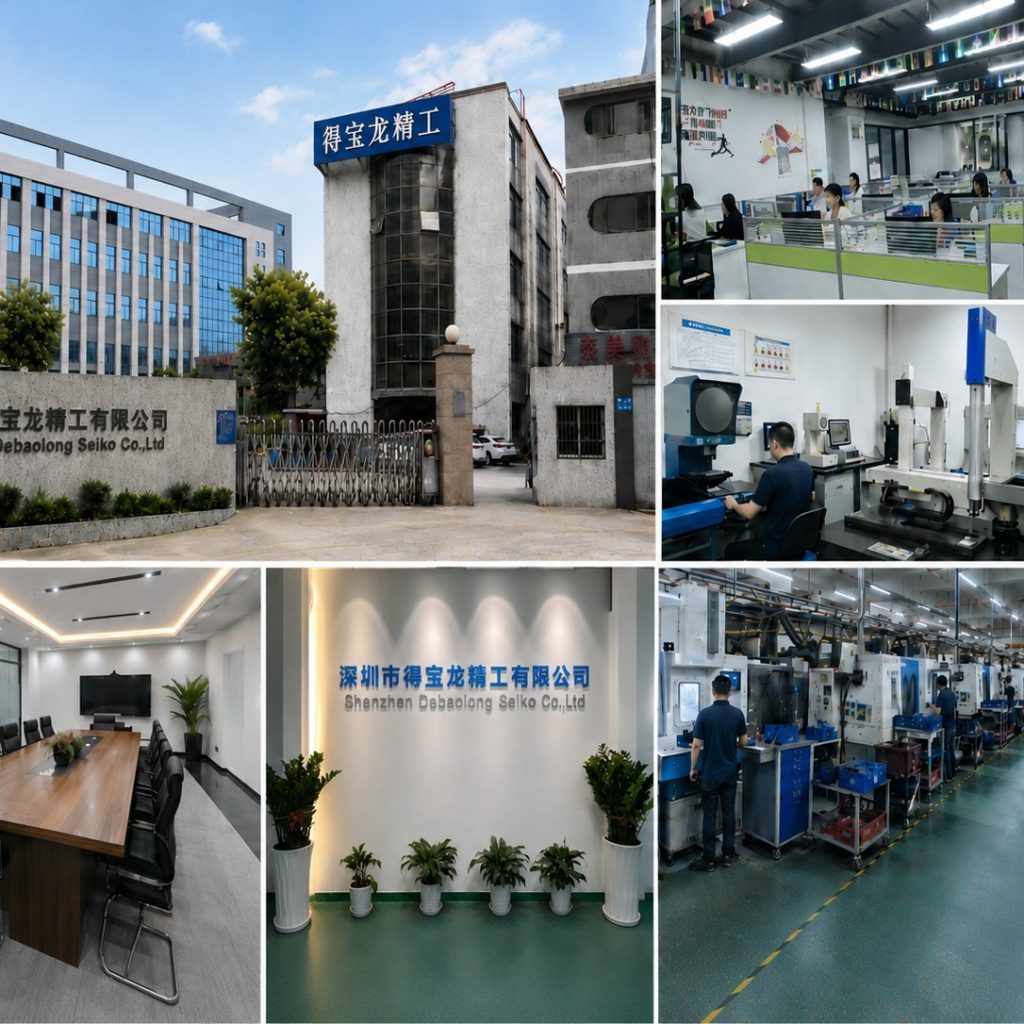

PCS and inverter cabinets are not only boxes around electrical hardware. Their sheet metal panels control airflow, cable access, service clearance, fastening reliability, corrosion protection and maintenance speed. A cabinet may contain fans, filters, power modules, busbar supports, control boards, wiring paths and removable covers. If ventilation and service access are treated as late details, the enclosure can become difficult to assemble, hard to cool and expensive to maintain.
Why Ventilation and Service Access Matter
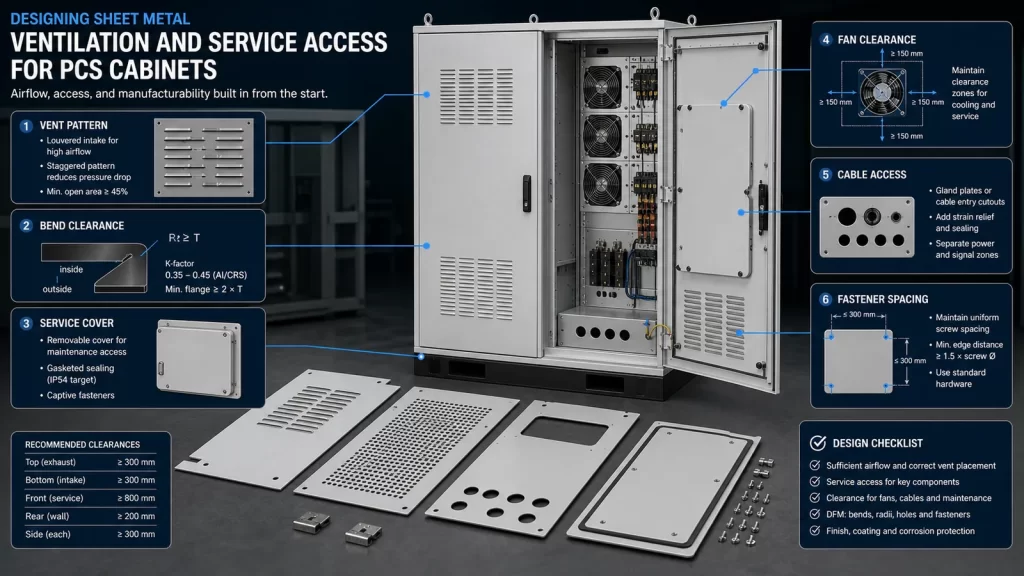
Power conversion equipment can generate heat around inverters, converters, transformers, contactors and control electronics. The enclosure design must help air enter, move through hot zones and exit without creating unnecessary pressure drop. At the same time, technicians need access to filters, fasteners, wiring zones, replaceable modules and inspection areas. A good design balances thermal needs, sheet metal manufacturability and serviceability.
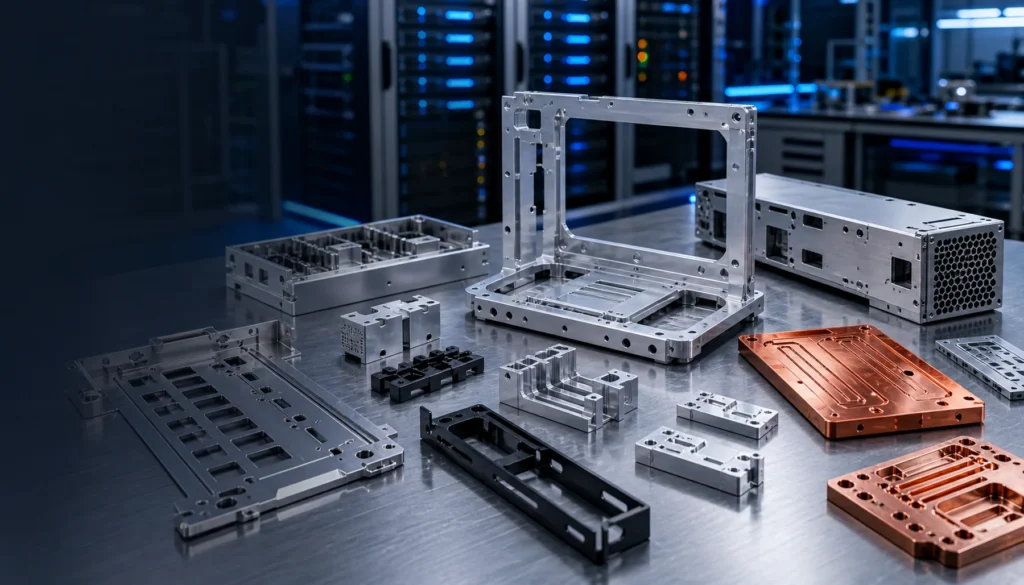
For energy storage and power electronics projects, these details connect directly to custom manufacturing. A cabinet panel may need laser-cut ventilation slots, punched patterns, bent flanges, PEM nuts, cable gland holes, gasketed covers, hinge cutouts and powder-coated surfaces. Debaolong supports these parts as part of broader energy storage and power electronics components, especially when the design includes both sheet metal parts and machined support hardware.
Vent Patterns, Open Area and Pressure Drop
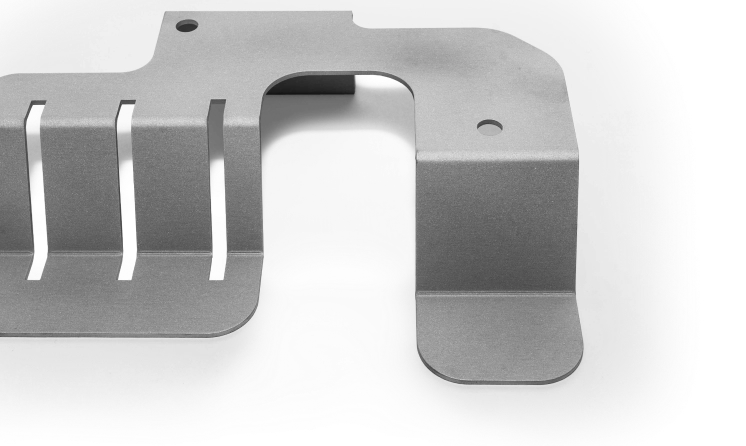
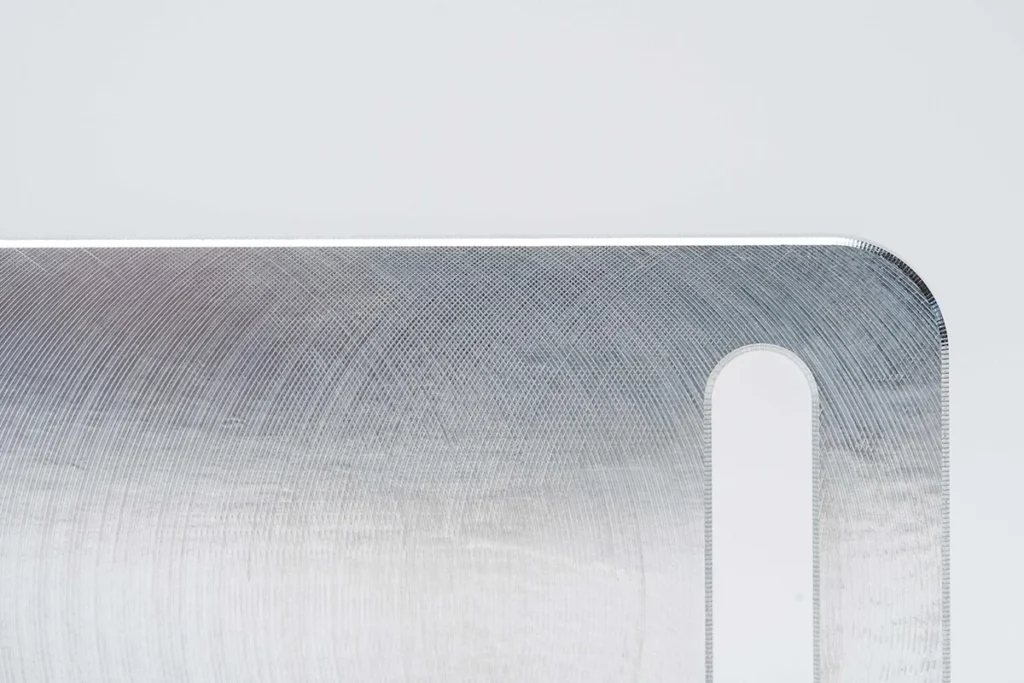
Ventilation patterns should be selected with airflow direction, dust protection, strength and manufacturing cost in mind. Long louvers can guide water and debris away from the cabinet, but they require forming clearance and consistent tooling. Perforated patterns are easy to laser cut or punch, but very dense holes may increase processing time and reduce panel stiffness. Large rectangular cutouts can support filters or fan guards, but they may need folded edges or reinforcements.
Engineers should avoid placing vents too close to bend lines, fastener holes or gasketed cover edges. If a vent field is large, the surrounding panel can distort during cutting, coating or assembly. For early design review, it is useful to mark intake zones, exhaust zones, filter areas and no-cut areas on the drawing. Public references such as ASHRAE technical resources can help engineering teams think about airflow principles, while the final cabinet design should follow the project thermal and environmental requirements.
Service Covers and Maintenance Zones
Service covers should be designed around real maintenance actions. If a technician must remove a filter, inspect a fan, tighten a terminal or replace a module, the cover size and fastener layout should allow that work without disturbing unrelated hardware. Captive fasteners, PEM nuts, hinge features and gasket grooves can improve service access, but they also create manufacturing details that should be clear on the drawing.
For removable covers, check edge distance, screw spacing, gasket compression, finger clearance and tool access. A cover that looks clean in CAD can become awkward if the nearest wall, cable or bracket blocks the screwdriver path. Similar access decisions also appear in energy storage enclosure design and sheet metal control cabinet panels.
Sheet Metal DFM Details
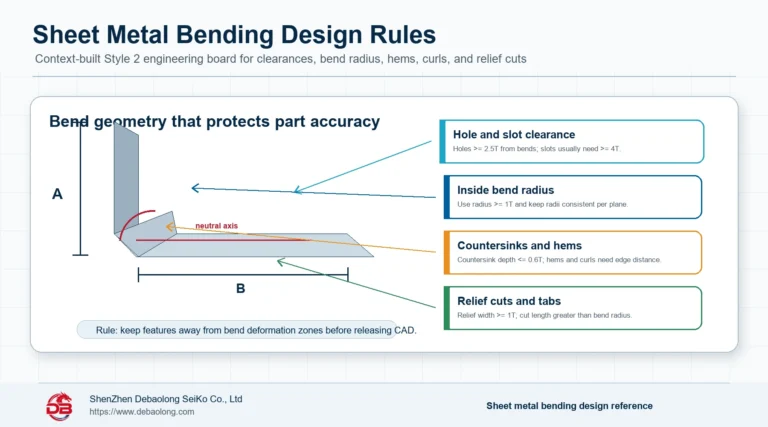
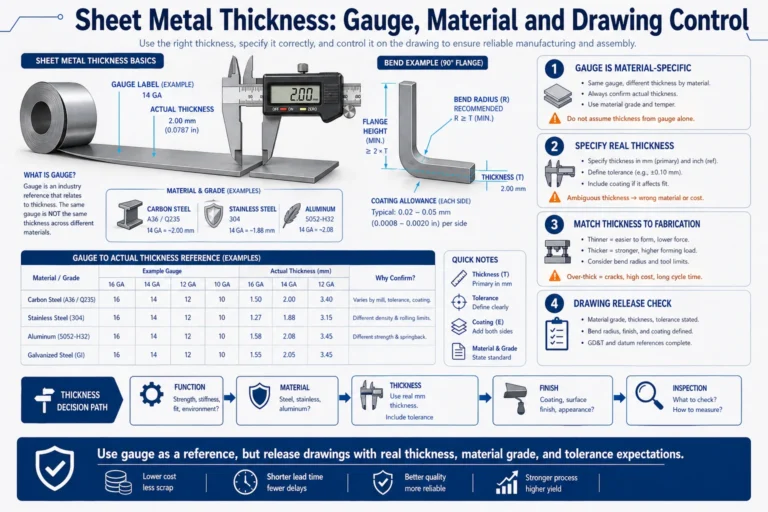
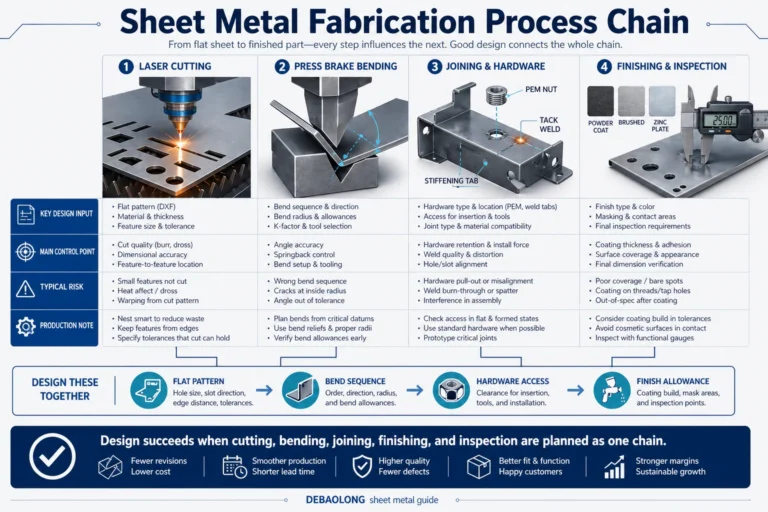
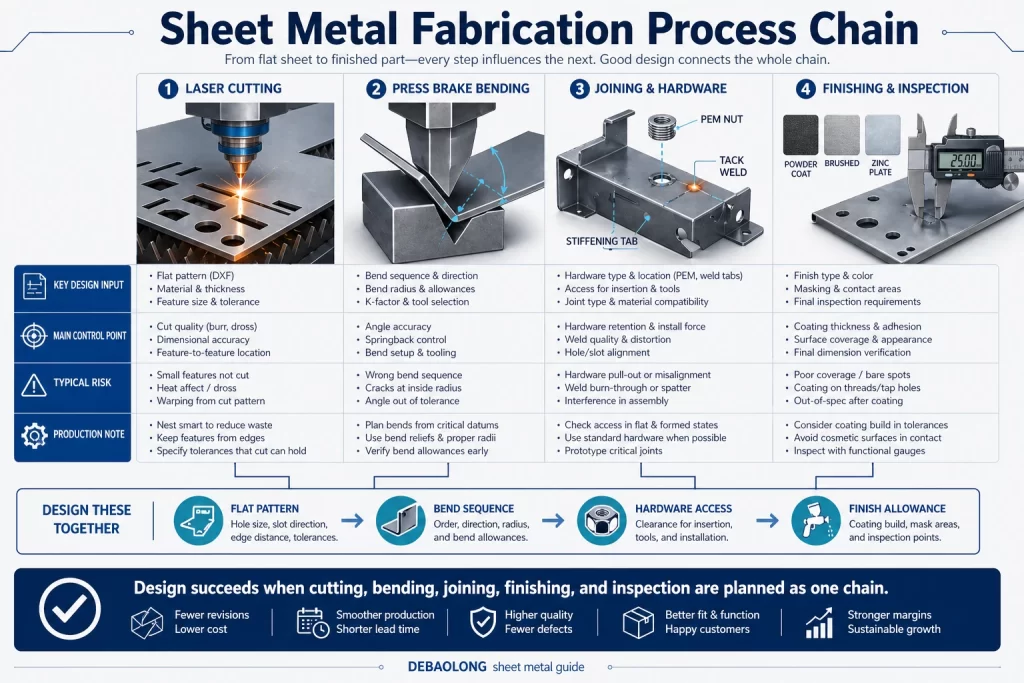
Sheet metal DFM for PCS cabinets starts with material thickness, bend radius, flange length and hole-to-bend distance. Vent slots, cable entry holes and fastener points should not be placed where forming will distort them. If a panel has several bends, designers should confirm that the bending sequence is possible and that the final part can still be inspected. Large panels may require stiffening ribs, return flanges or welded supports to reduce vibration.
- Bend clearance: keep vent slots, PEM nuts and cutouts away from bend deformation zones.
- Fastener spacing: use enough screws for sealing and stiffness, but avoid unnecessary assembly time.
- Cable entry: define gland plates, strain relief areas and safe bend radius for cables.
- Filter access: ensure filters can be replaced without removing major cabinet structures.
- Coating masks: identify grounding or contact areas that should remain conductive where applicable.
Material, Finish and Protection Choices
PCS cabinet panels may use carbon steel, galvanized steel, stainless steel or aluminum depending on strength, corrosion, weight and cost requirements. Carbon steel with powder coating is common for cabinet structures. Aluminum can reduce weight and improve corrosion behavior, but it may need careful design around threaded features and stiffness. Stainless steel can be useful in more corrosive environments, although it changes cost and forming behavior.
Surface finishing should be specified according to the environment. Powder coating is often used for sheet metal cabinets and covers. Anodizing may be relevant for aluminum subparts. Plating or passivation may be used for fasteners, grounding components or stainless steel details. Standards such as ISO 12944 corrosion protection guidance can support coating discussions, but project requirements should define the final finish, color, thickness and inspection needs.
Inspection and Assembly Checks
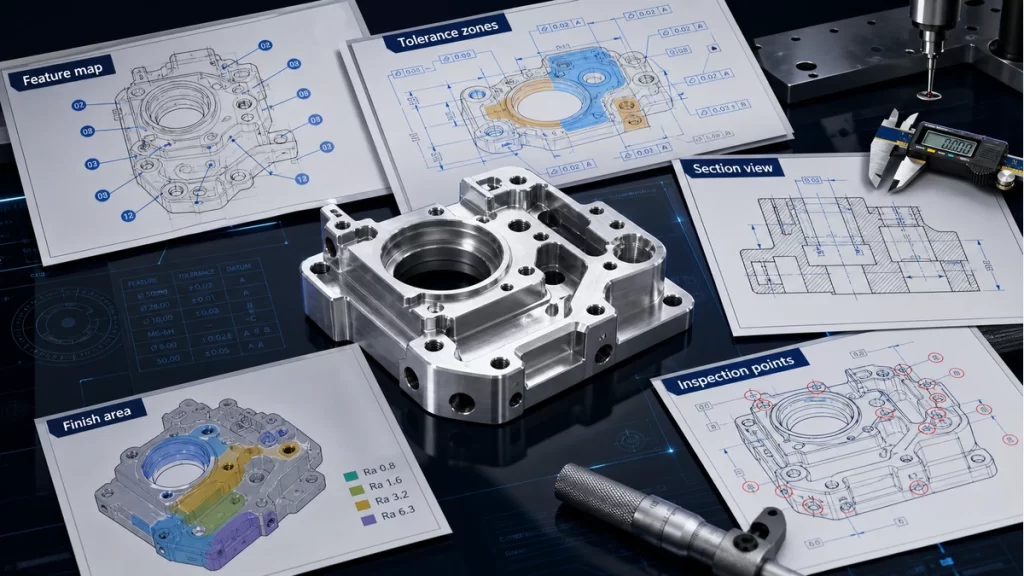
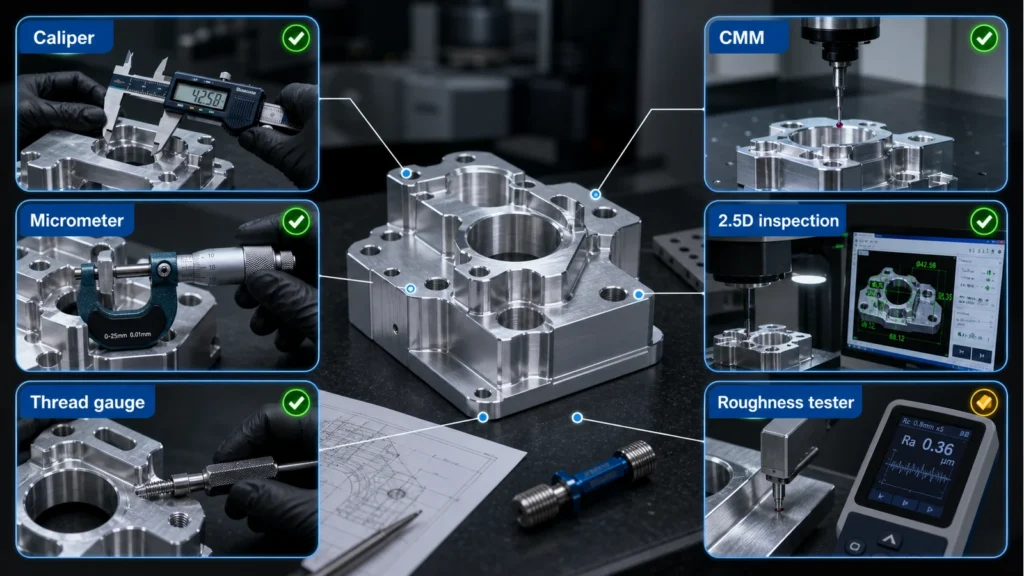
Inspection for ventilation and service access parts should cover more than outside dimensions. Important checks include vent position, cutout size, flange angle, flatness, hole location, captive fastener installation, surface finish and cover fit. If panels assemble with gaskets, hinges or latches, the inspection plan should include functional fit checks. When coating is applied, it is also useful to inspect powder buildup around holes, edges and grounding surfaces.
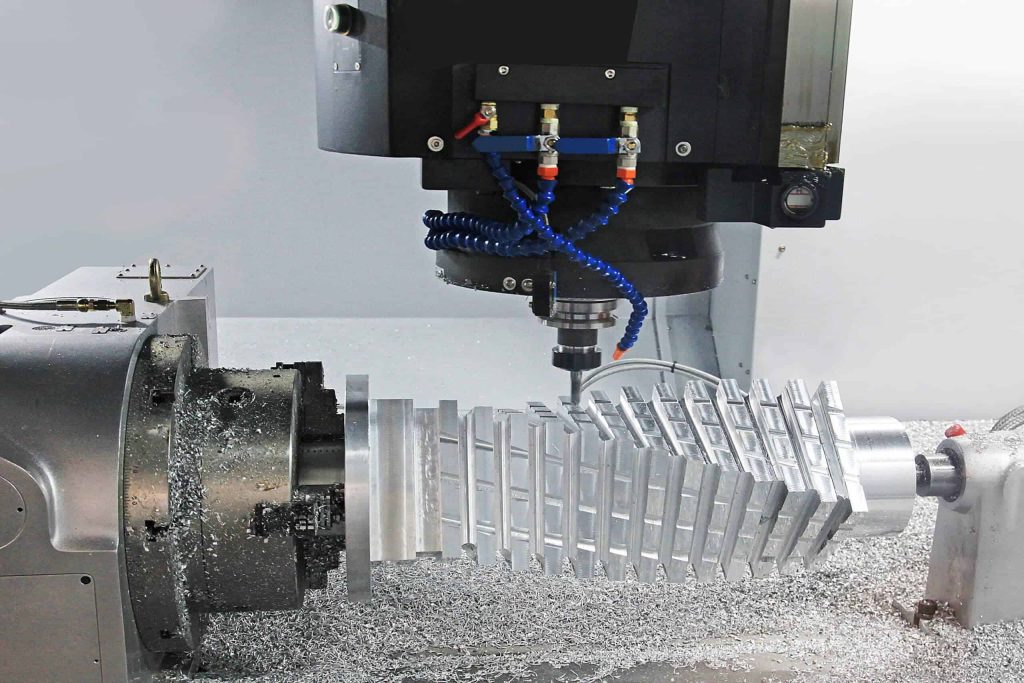
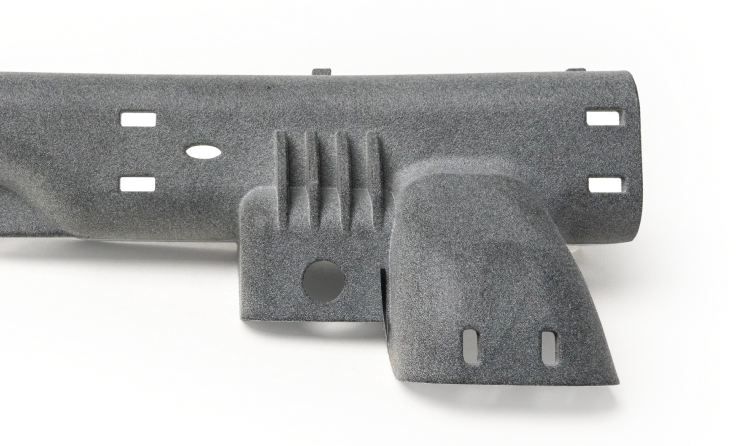
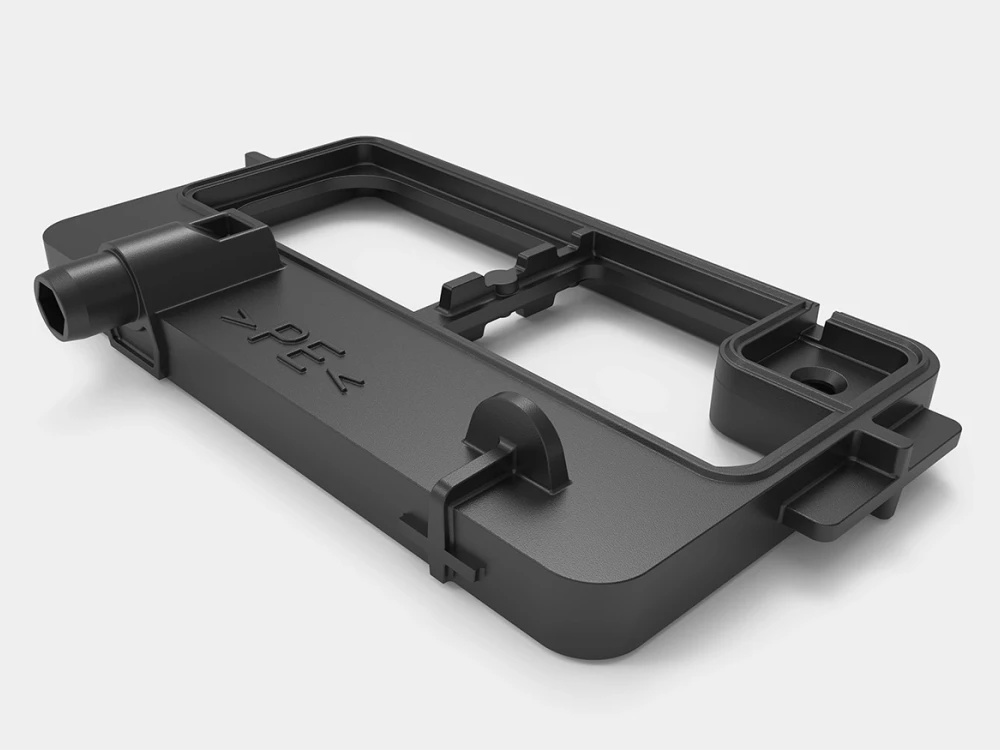
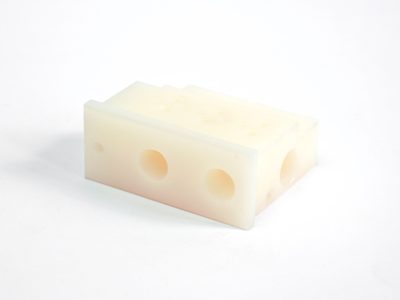
For early prototypes, 3D printed or simple sheet metal trial parts can help verify fan clearance, cable entry and service access. For production, consistent fixtures and clear drawings reduce variation. Debaolong can support sheet metal fabrication, CNC support parts, surface finishing and basic assembly checks based on customer drawings.
RFQ Checklist for PCS Cabinet Sheet Metal Parts
- 2D drawings and 3D CAD files for panels, covers and cabinet parts.
- Material grade, sheet thickness and surface finish requirements.
- Vent pattern details, open area expectations and airflow direction notes.
- Fan, filter, cable gland and service access requirements.
- PEM nuts, captive fasteners, hinges, latches or gasket requirements.
- Powder coating color, coating thickness or mask areas if relevant.
- Quantity, prototype needs and annual demand.
- Inspection report requirements and assembly fit notes.
FAQ
Are louvers or perforated vents better for PCS cabinets?
Both can work. Louvers help direct air and protect openings, while perforated vents are flexible and easy to customize. The best choice depends on airflow, dust protection, panel strength, tooling and appearance.
Can service covers be added late in the design?
They can, but late changes often create interference with fasteners, cables, filters or bend lines. It is better to define service zones early so the enclosure can be manufactured and maintained efficiently.
What information is needed for powder-coated cabinet panels?
Specify material, coating color, texture, coating thickness if required, cosmetic expectations, masking areas, grounding areas and packaging requirements to protect the finish.
Can Debaolong make both panels and machined support hardware?
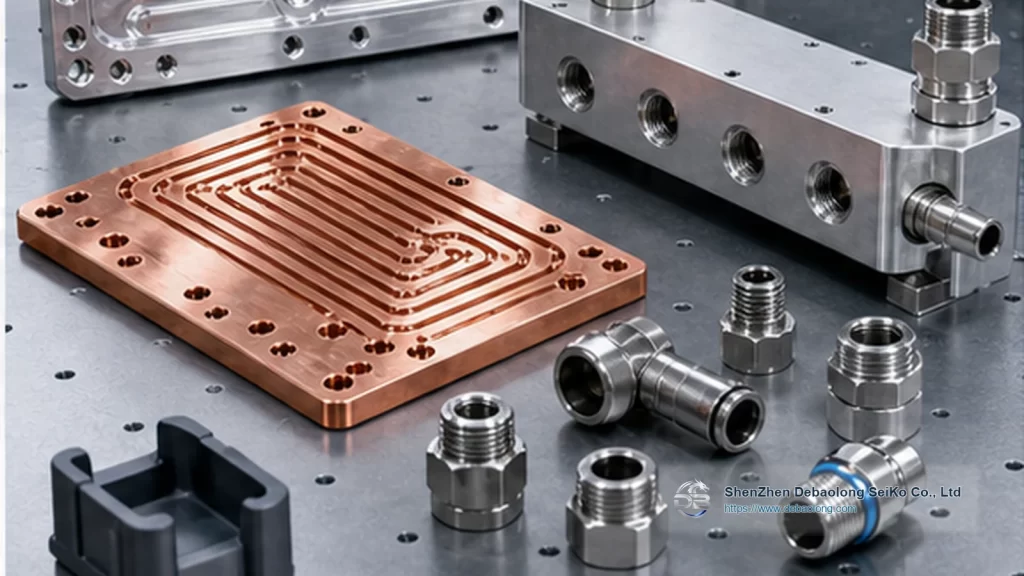
Yes. Debaolong can support sheet metal panels, covers and trays together with CNC machined brackets, mounting plates and other hardware when drawings and assembly requirements are provided.
Need custom PCS cabinet panels or energy storage enclosure hardware? Send drawings, STEP files, sheet thickness, finish needs, airflow notes and assembly requirements through the Debaolong contact page. The team can help review a practical route from prototype to production.