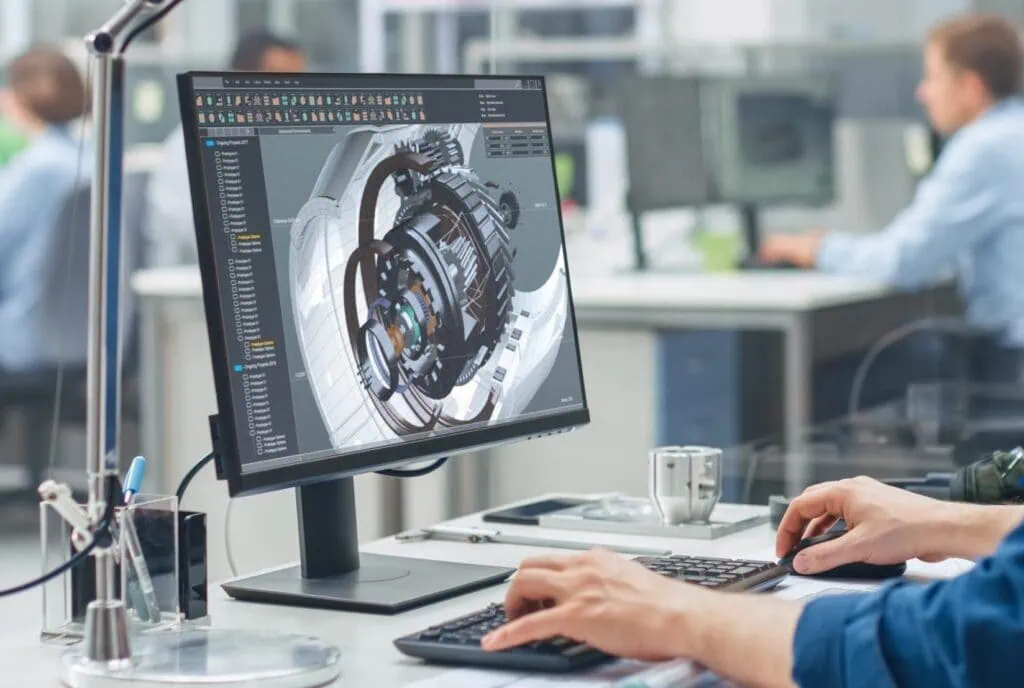
A practical guide to custom metal parts manufacturing, covering CAD design, material selection, CNC machining, sheet metal, finishing and inspection planning.
CNC Milling and Turning
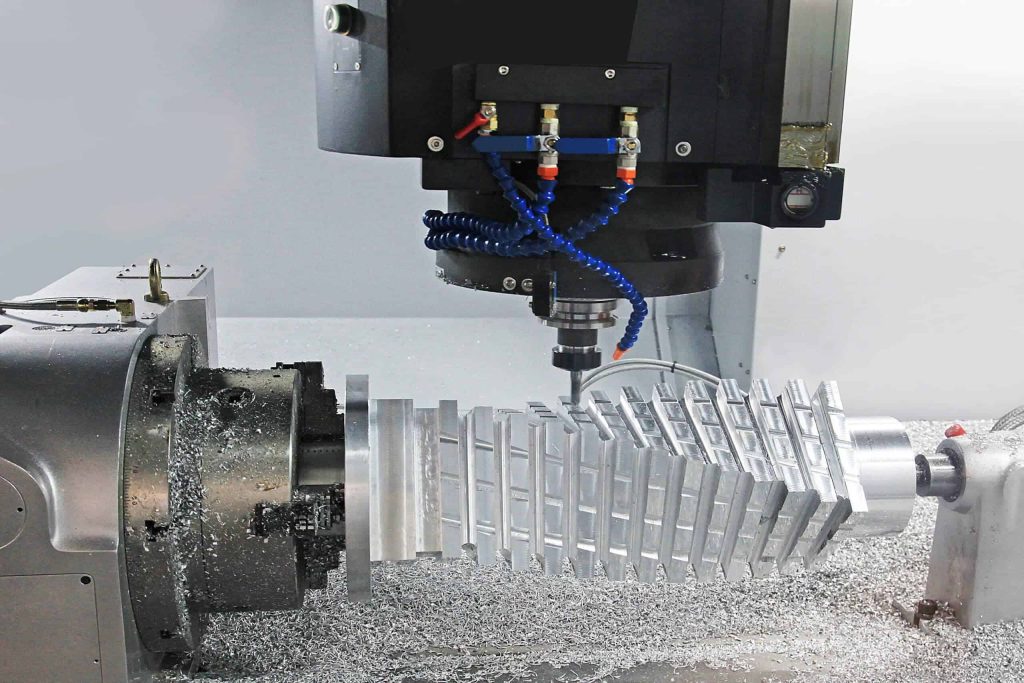
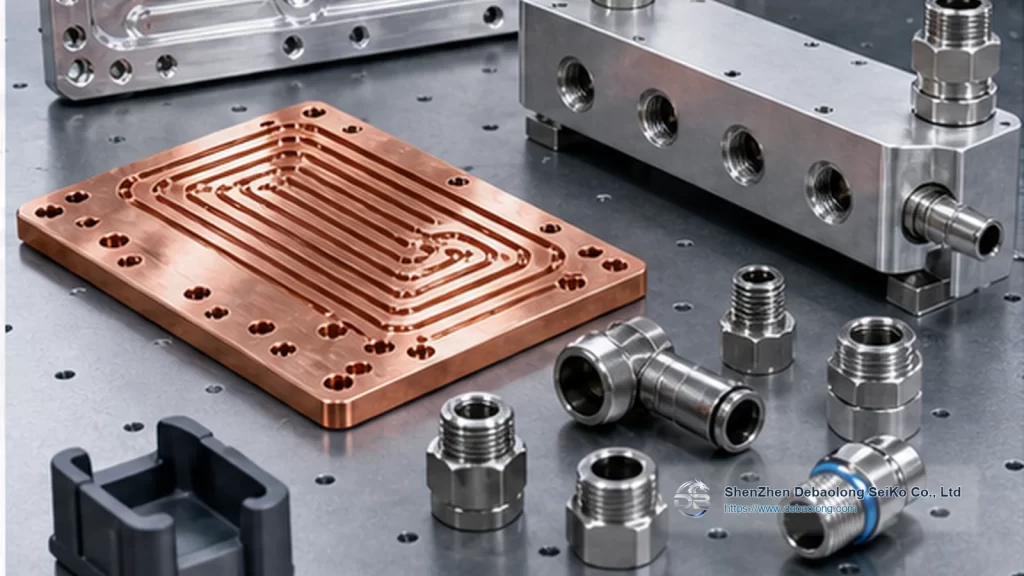
CNC milling and turning are common routes for custom metal parts that need tight tolerances, machined surfaces, bores, threads or complex pockets. They are especially useful for prototypes, low-volume parts and precision interfaces.
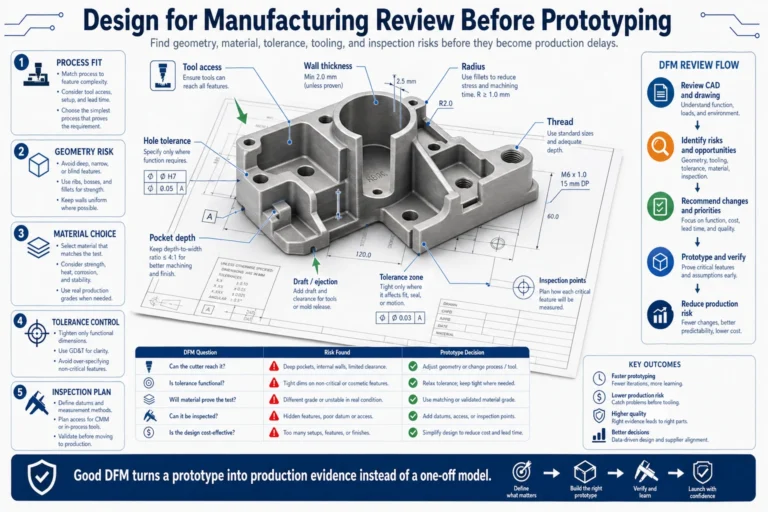
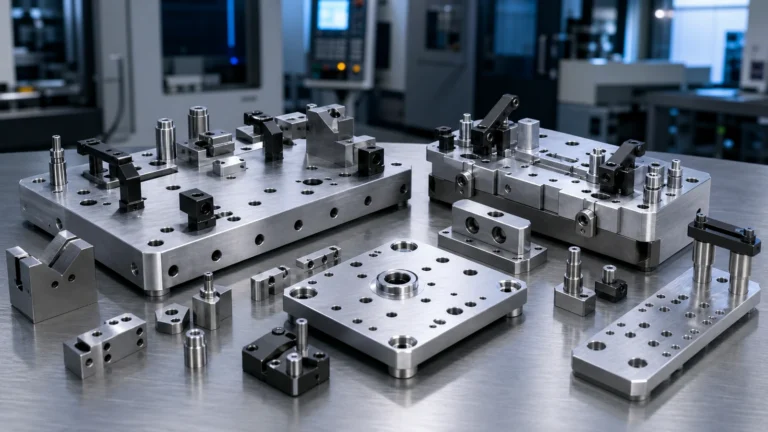
The design should consider cutter access, setup direction, datum surfaces and realistic internal radii before quoting.
Extrusion, Casting and Die Casting
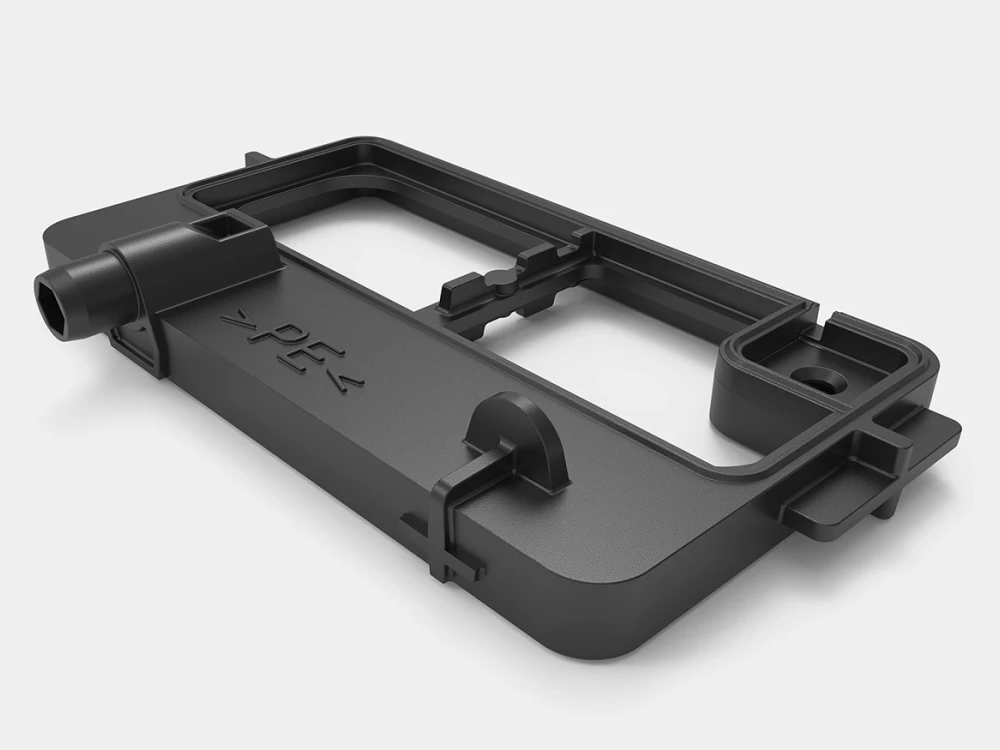
Extrusion fits long parts with a constant cross-section, such as rails, channels and heat-sink-like profiles. Casting and die casting support complex metal shapes where tooling and volume justify the investment.
Cast or die cast parts often still need CNC machining on sealing faces, bores, threads or tight-tolerance datum surfaces.
Forging, Sheet Metal and Stamping
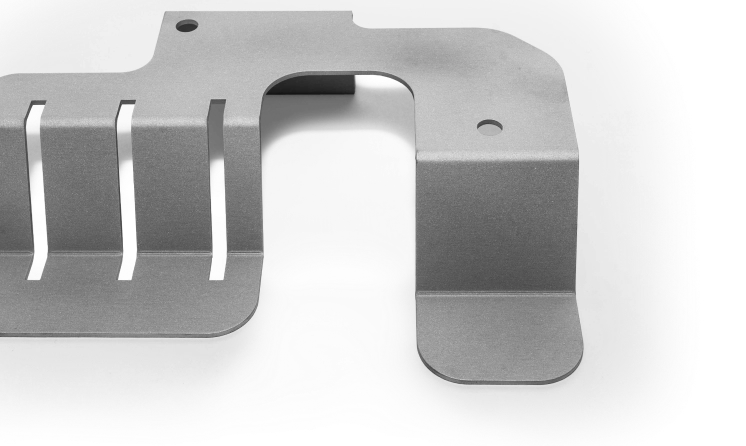
Forging can improve strength through grain flow, while sheet metal and stamping are efficient for panels, brackets, covers and formed structures. These routes need bend relief, thickness planning, forming direction and finishing review.
A formed metal part is not designed the same way as a machined block, even if both are custom metal components.
Metal 3D Printing and Hybrid Routes
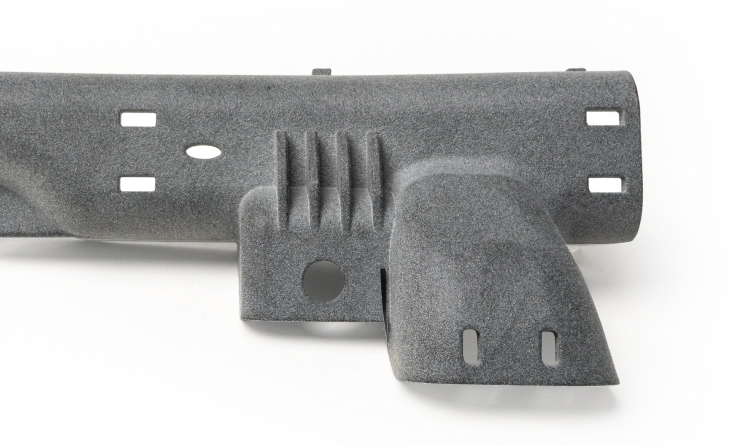
Metal additive manufacturing can create specialized geometry, internal channels or lightweight forms, but it requires careful review of material properties, support removal, surface finish and post-processing.
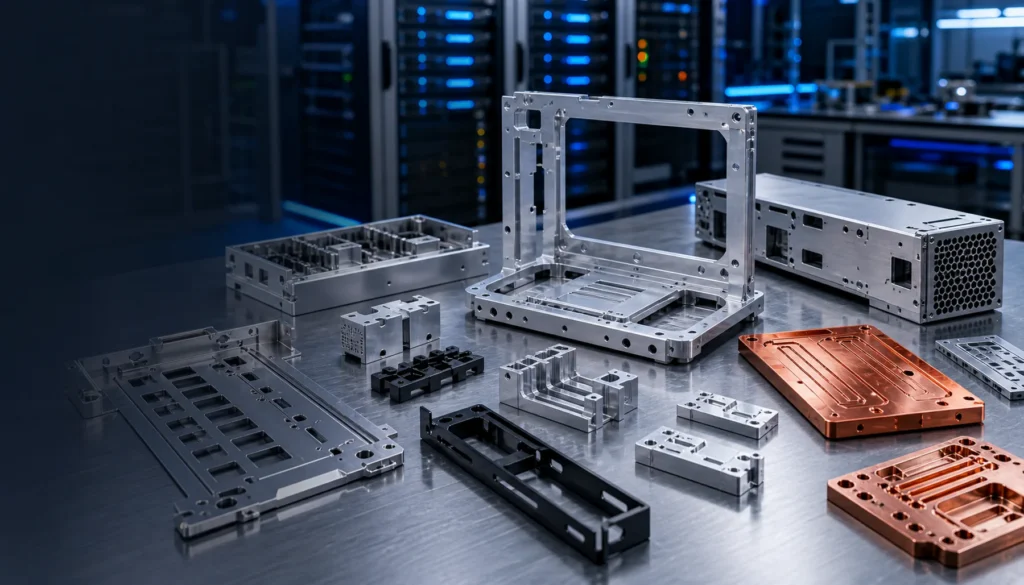
Many production-ready metal parts use more than one route, such as casting plus machining or sheet metal plus CNC inserts.
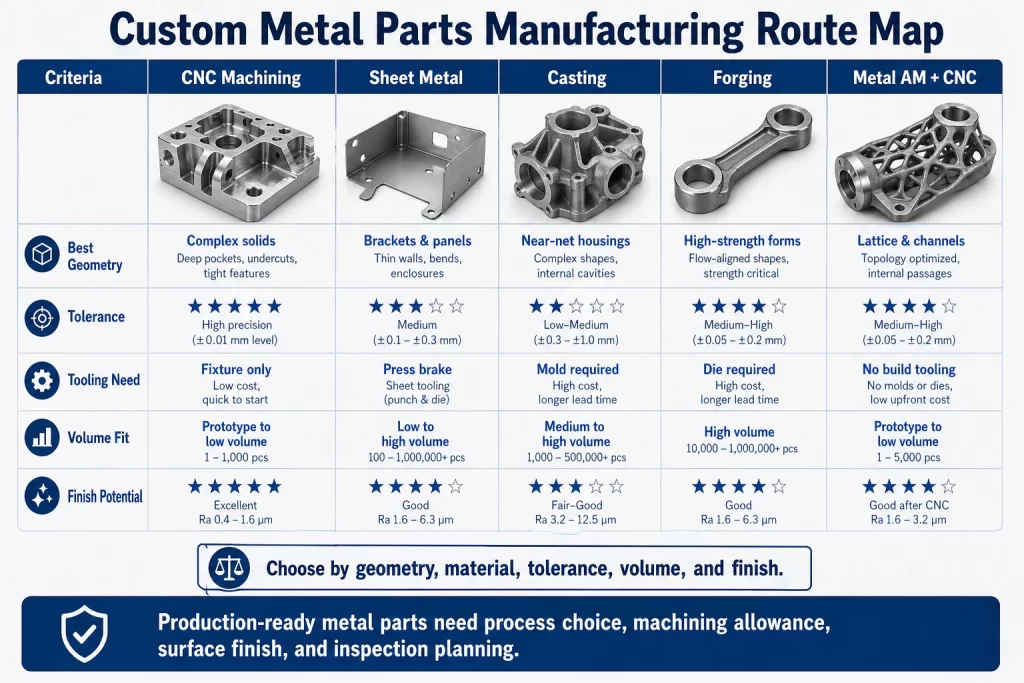
Selecting a Production Route for Custom Metal Parts
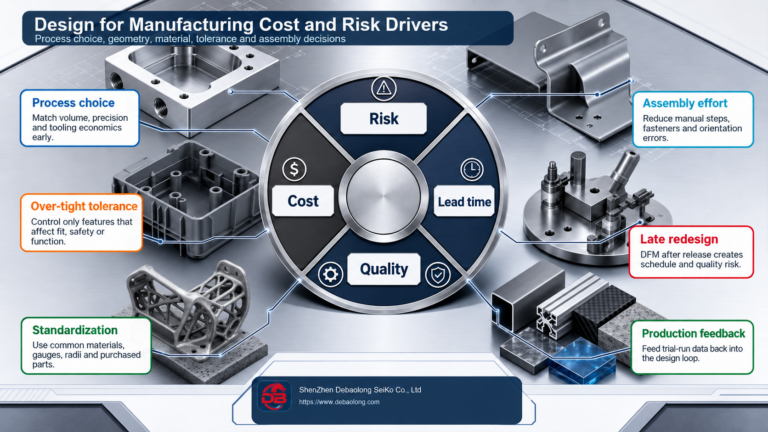
Selecting among metal manufacturing routes requires the design team to compare more than geometric possibility. Part size, alloy family, quantity, finish, tolerance, wall thickness and inspection method all affect whether machining, casting, forming or additive manufacturing is the right route.
A good production decision also considers hybrid workflows. DEBAOLONG often reviews custom metal parts as a combined route, such as casting plus machining, extrusion plus secondary work, or sheet metal plus welded and machined details, so the final part matches both functional and commercial requirements.
DEBAOLONG Engineering Review
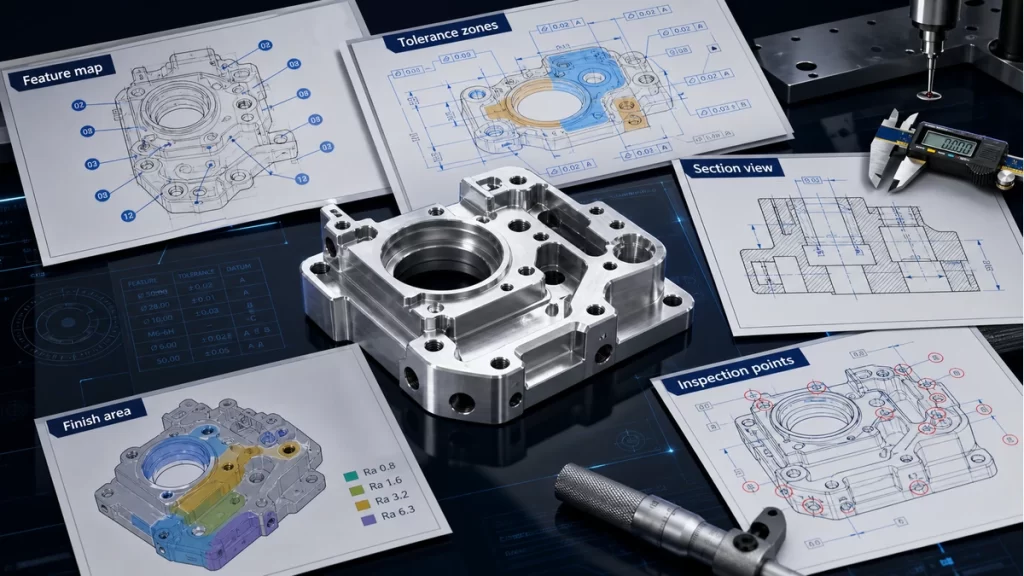
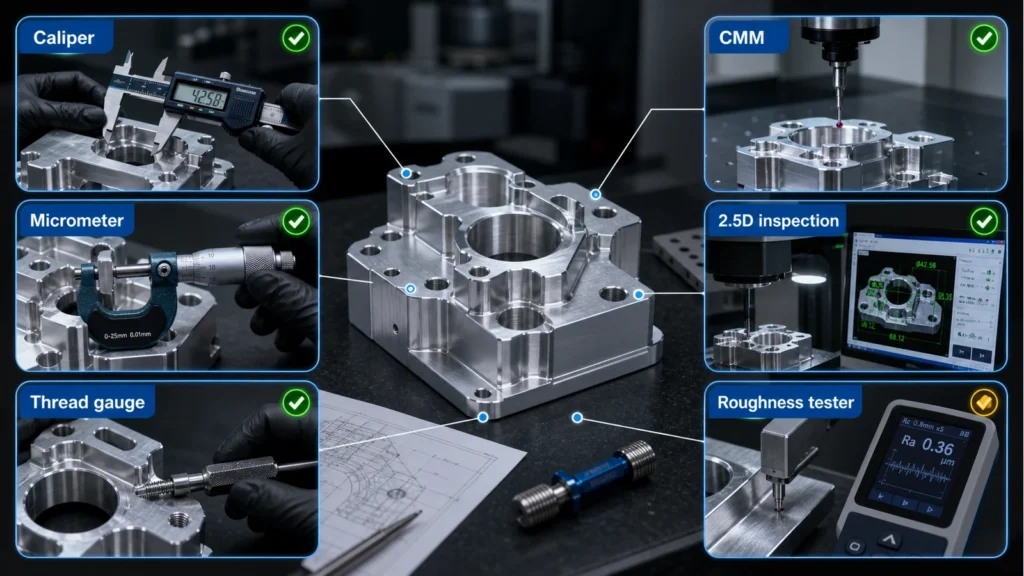
Identify the alloy, supplied condition, quantity and functional interfaces before comparing routes. For a combined process, show which operation creates each critical feature and where the datum will be established. Include finishing and inspection in the quotation brief so a low initial shaping cost does not hide necessary secondary work.
For broader manufacturing planning, review Knowledge Center, compare major manufacturing process options, or use DFM for prototyping to connect early design decisions with production-ready parts.
Related Debaolong manufacturing services
For production planning or quotation support, compare Debaolong’s CNC machining service and sheet metal fabrication service. Our engineering team can review drawings, materials, tolerances, finishing requirements, and lead-time targets before manufacturing.