






Sheet metal materials: grade and drawing review
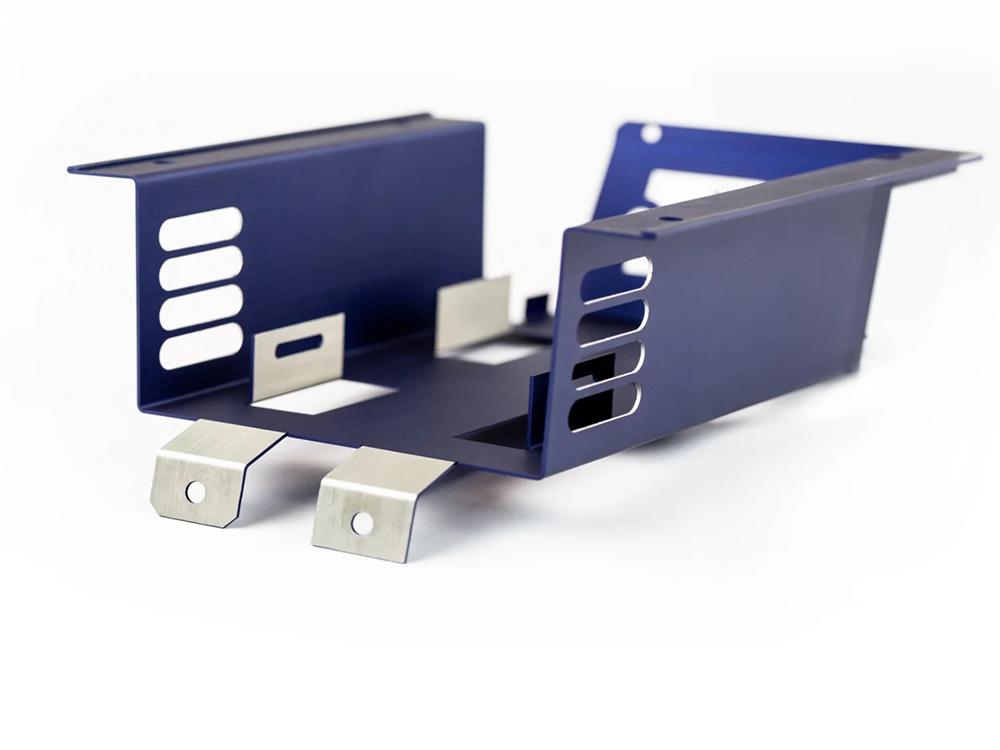
Compare sheet material designations against thickness, bend geometry, joining, surface finish and the evidence needed for your part. Confirm grade and stock availability during engineering review.
Grade-by-grade sheet review
Use the material designation with its supplied condition and a clear drawing. The notes below describe what to verify; they do not establish a universal tolerance, price, certification or performance level.
Compare six grades. Swipe the tabs on small screens, or use the arrow keys and Enter to select a grade.
Aluminum 5052
Review the supplied temper, thickness and bend direction together. Identify tight returns, narrow flanges and cosmetic faces before choosing the blank and bend sequence. A grade name alone does not define a workable drawing.
Drawing review: For enclosures or formed panels, show the assembled fit, edge condition and finish reference. Ask the material supplier to confirm the actual sheet specification and certification required for the order.
Aluminum 5754
State the grade and temper explicitly instead of treating this as interchangeable with another aluminum sheet. Review formed features, joining requirements and the final surface condition before releasing a substitution.
Drawing review: For a panel or welded assembly, identify which dimensions apply before and after joining. Agree how the exposed faces and any finish-sensitive zones will be inspected.
Copper C110
Define the electrical or thermal function on the drawing, including contact areas and any finish or masking requirements. The purchase specification should identify the material condition and supplied sheet form.
Drawing review: For conductive hardware, distinguish an appearance requirement from an electrical interface. Include mating surfaces, hole positions, burr-sensitive edges and the verification required for the assembled part.
Stainless steel 304
Describe the environment, cleaning exposure and desired surface condition. Review thickness, bend access, joining and finish together; do not use the family name as a guarantee of suitability in every environment.
Drawing review: For covers, chassis or equipment panels, identify cosmetic faces and where scratches, weld treatment or directional finishing would affect acceptance. Confirm the specified sheet product with the supplier.
Stainless steel 316L
Start with the exposure conditions and the specified sheet grade. Review welds, crevices, cleaning and the final surface condition as part of the material decision, rather than assuming a material label alone proves service performance.
Drawing review: If the part serves a regulated or safety-sensitive application, provide the required material documentation and acceptance criteria. No application approval or implant suitability is implied by this catalogue.
Steel 1018
Confirm the actual sheet product, specification and available thickness before selecting this designation. A grade listed for a different stock form is not automatically a sheet-metal procurement specification.
Drawing review: For brackets or structural hardware, provide the joining method, coating intent, critical holes and dimensional checks. Resolve any proposed material substitution before quotation or manufacturing release.
What to send for engineering review
Define the sheet
Specify grade, temper or condition, thickness with units, and required documentation. Confirm any proposed substitution before release.
Review forming and joining
Identify the bend sequence, accessible flanges, hardware, welds and assembly interfaces. Make pre-finish and post-finish dimensions explicit.
Describe the exposed surfaces
Mark cosmetic faces, grain or brushing direction, finish references, masking and acceptable witness areas. Link acceptance to the actual part.
Agree inspection evidence
Identify datums, critical holes, fit surfaces and how the finished assembly will be checked. Supply CAD, drawing, quantity and use conditions together.