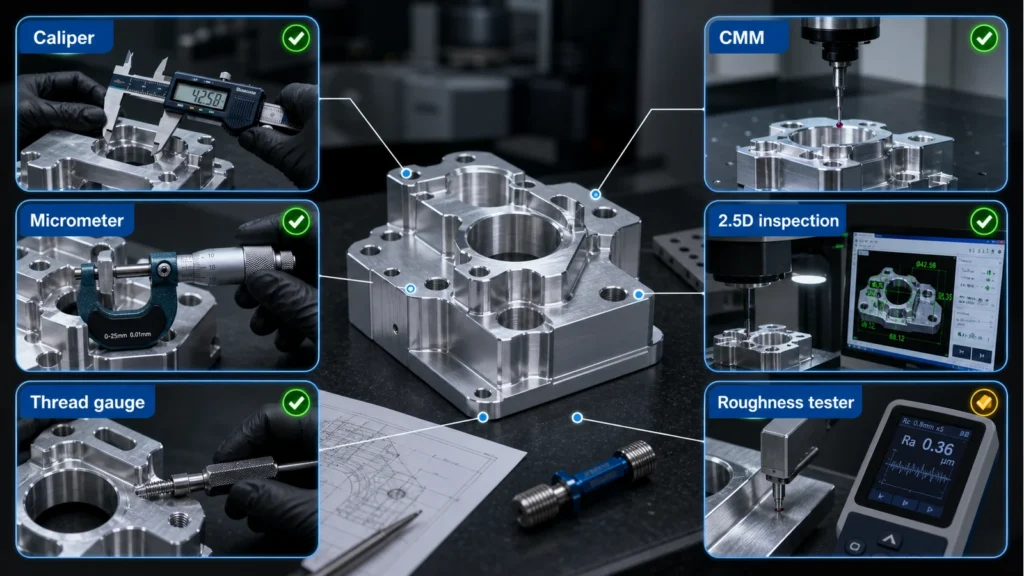

Choose corrosion protection as a part-specific system. Start with the service exposure and the surfaces that must retain their function, then review the exact material, geometry and finish together. Record the inspection or test evidence required by the drawing or purchase specification. Material-family names and finish labels alone do not establish suitability, available stock or a service-life result.
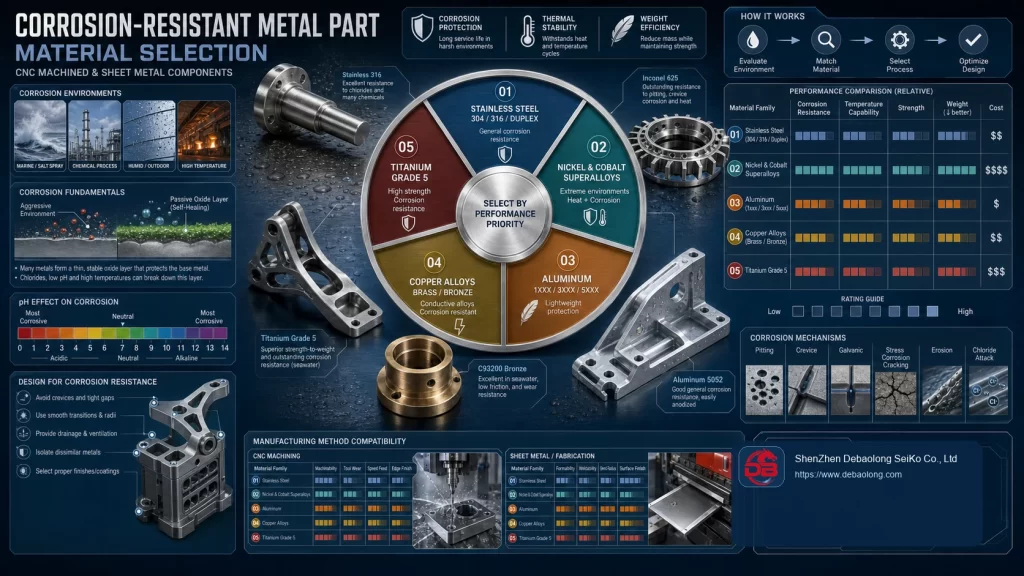
Corrosion Is a Design Condition, Not Only a Finish Problem
Corrosion begins when a metal surface reacts with water, oxygen, salts, acids, industrial chemicals or high-temperature gases. The visible result may be rust, pitting, discoloration, oxide scale or surface cracking, but the engineering effect is deeper: reduced section thickness, lower fatigue life, damaged sealing faces, seized fasteners and unpredictable assembly performance.
The most reliable corrosion strategy is chosen before the part is made. Material, geometry, process route and finishing method all work together. A strong coating cannot fully compensate for trapped crevices, incompatible metals, sharp burrs or a base alloy that is wrong for the service environment.
Method 1: Select a Naturally Corrosion-Resistant Metal
Stainless steel is the most common family for corrosion-resistant metal parts. Its chromium content forms a passive oxide film that protects the base metal. Austenitic grades such as 304 and 316 are widely used, with 316 offering better chloride resistance because of molybdenum. Ferritic and martensitic stainless steels can be useful where magnetic behavior, strength or cost matters, but their corrosion resistance is not the same as 300-series stainless. Duplex stainless steels combine austenitic and ferritic phases for demanding environments.
Superalloys are used when corrosion resistance must survive high temperature, oxidation or aggressive process conditions. Nickel-based alloys can provide strong heat and corrosion performance; cobalt-based alloys can support hot corrosion and wear applications; iron-based superalloys may offer a lower-cost compromise. They are not selected casually because machinability, material cost and lead time can be significant.
Aluminum, Copper Alloys and Titanium
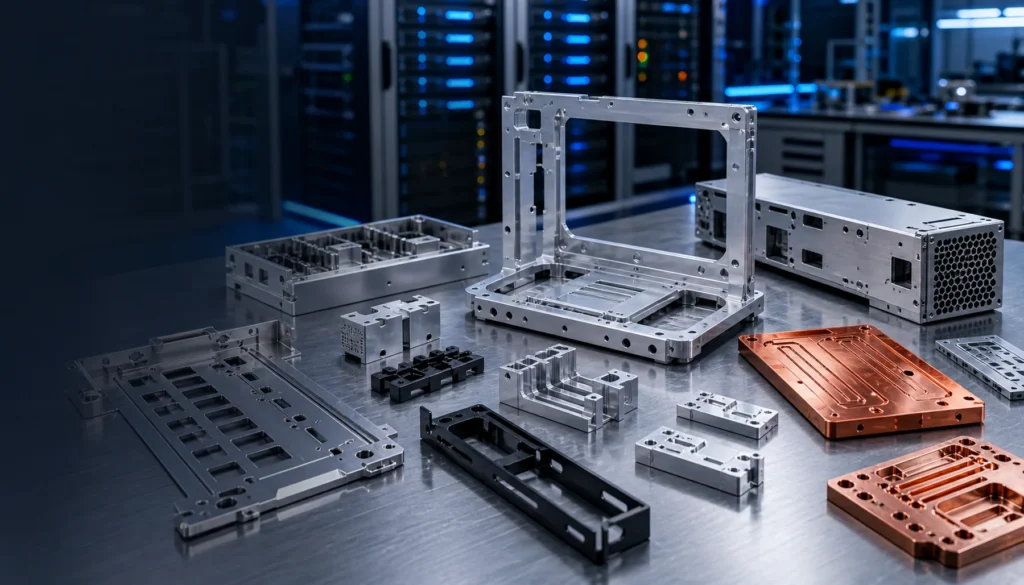
Aluminum protects itself with a natural oxide layer and is valued when weight matters. 1xxx, 3xxx and 5xxx series alloys are known for useful corrosion behavior in many general environments, and anodizing can strengthen the surface protection. Because aluminum grades vary widely in strength, machinability and finishing response, material selection should be reviewed together with broader CNC machining material selection decisions.
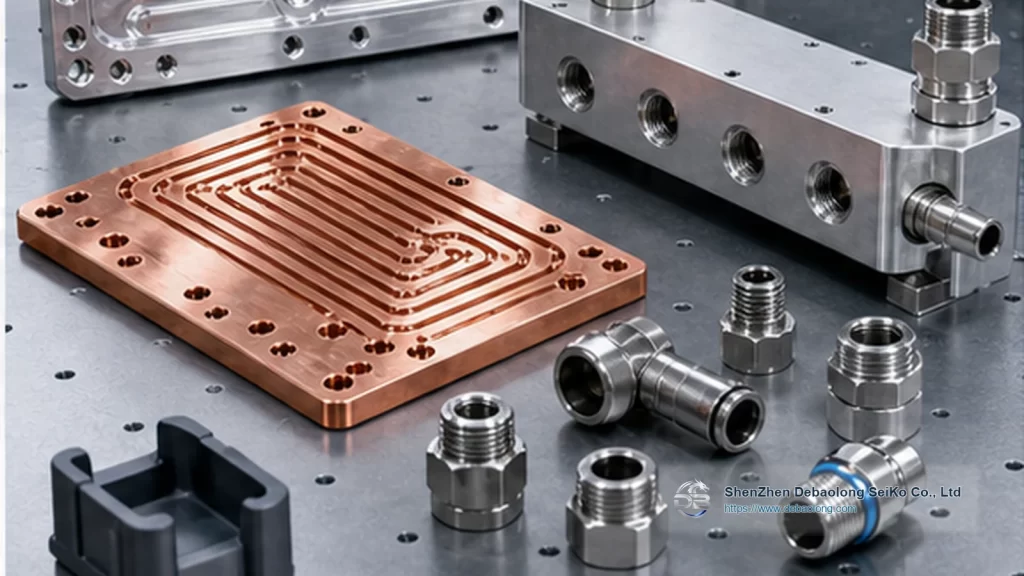
Copper alloys bring corrosion resistance plus conductivity and thermal performance. Bronze and brass are common examples, each with different strength, wear and corrosion behavior. Titanium offers an exceptional strength-to-weight ratio and excellent chloride resistance through a stable passive film, which is why it appears in marine, medical, chemical and aerospace applications despite higher material and processing cost.
Method 2: Improve Corrosion Resistance With Post-Processing
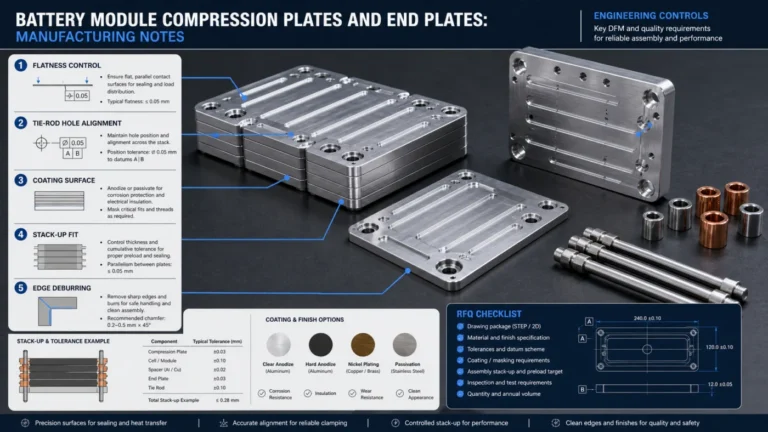
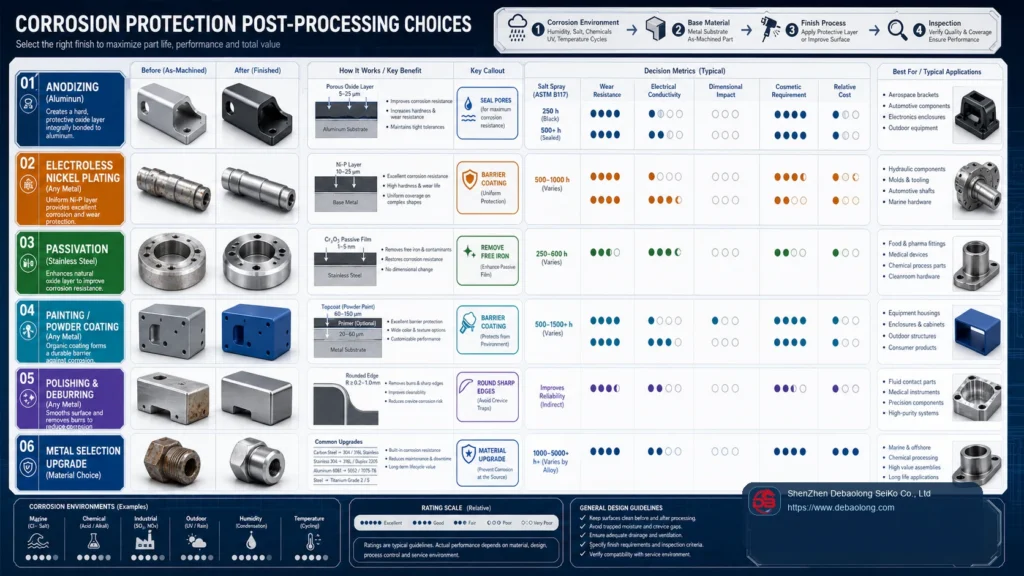
Review anodizing, passivation, plating or coating as part of a specified base-alloy and finishing system. Define the service exposure, protected surfaces, dimensional allowances and acceptance criteria before choosing a route. A finish name or a general material-family comparison does not establish corrosion life, wear performance or suitability for the actual part.
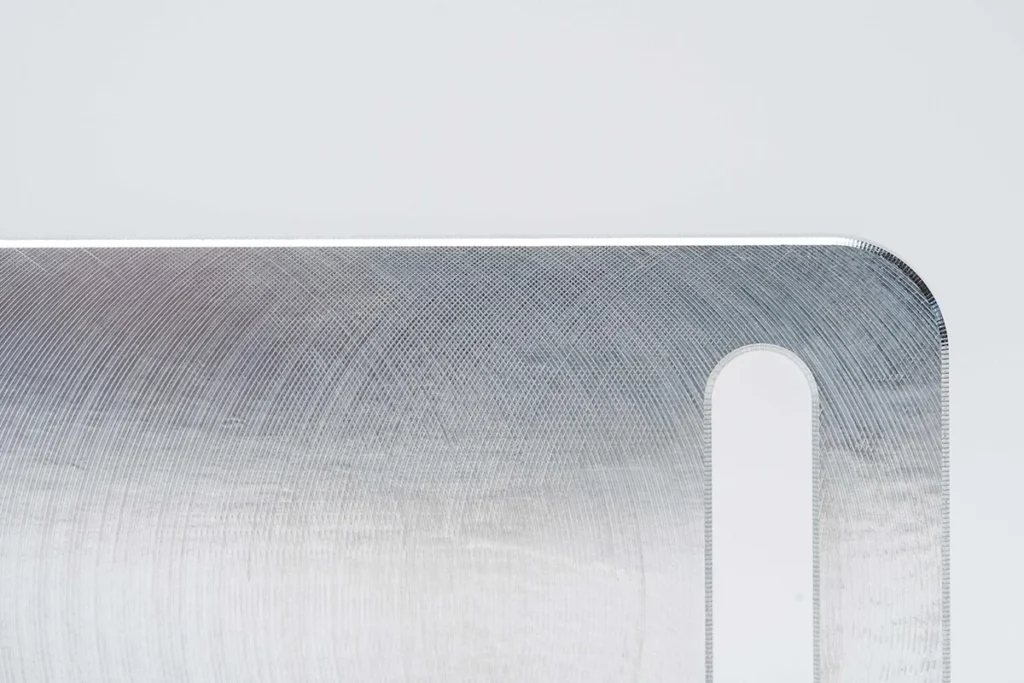
Electroless nickel plating provides a uniform barrier layer on complex shapes and can improve wear behavior. Painting and powder coating create a physical barrier between the environment and the metal, useful for housings, brackets, enclosures and outdoor equipment. Polishing and deburring reduce crevice traps, remove sharp burrs and make the surface easier to clean. For any required corrosion test, define the actual specimen, base material, preparation, finish, exposure conditions and failure criteria. Do not use generic salt-spray hours from an illustration as a service-life prediction or an acceptance result for a different part.
Geometry Still Controls Long-Term Performance
Even the right alloy can fail if the geometry traps liquid, salt or debris. Avoid deep crevices, blind pockets without drainage, sharp internal corners and dissimilar-metal contact without isolation. Rounded transitions, smooth surfaces, accessible cleaning paths and proper ventilation often matter as much as the selected finish.
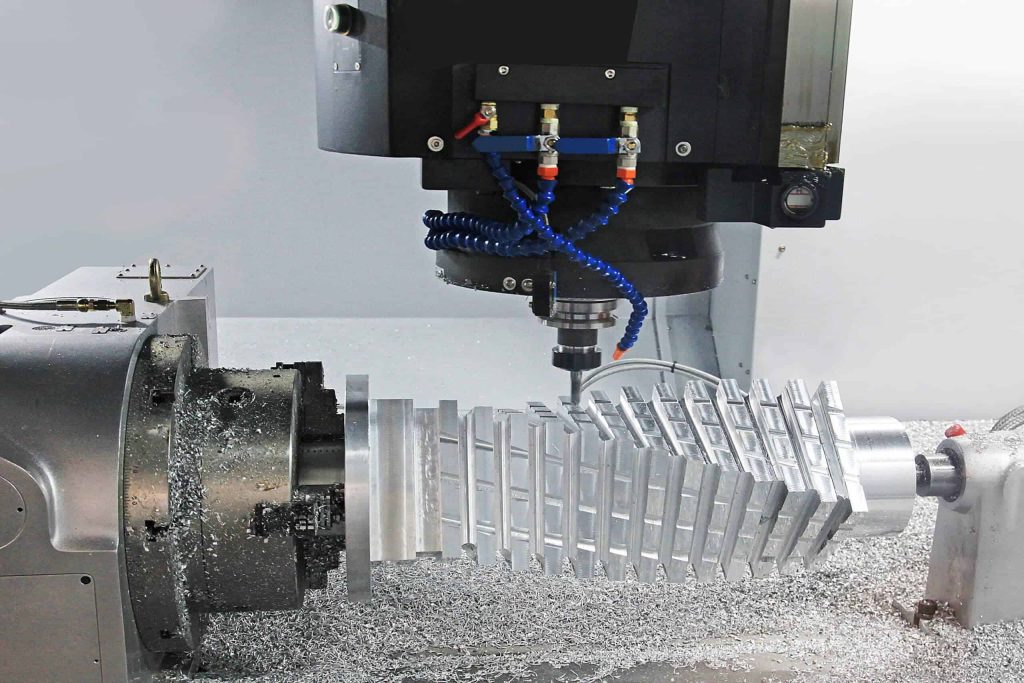
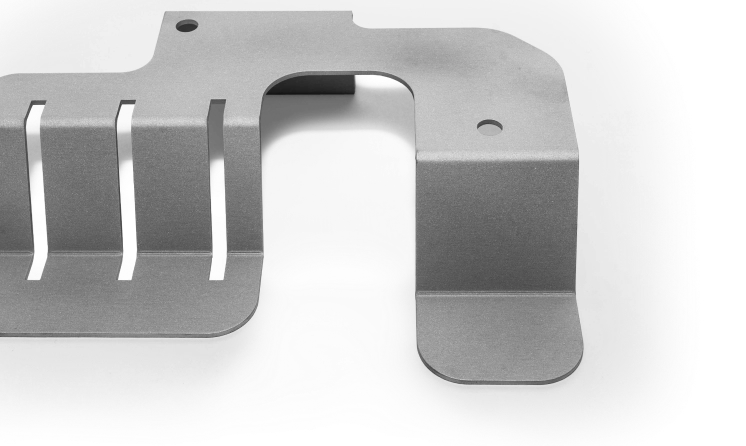
Process route also affects corrosion risk. CNC machining, sheet metal fabrication, waterjet cutting and additive manufacturing create different edges, heat-affected zones, surface textures and finishing needs. For flat profiles and corrosion-sensitive sheet or plate components, DEBAOLONG’s waterjet cutting overview is useful because cold cutting can avoid thermal damage in some applications. For formed enclosures and brackets, the basics in the sheet metal fabrication guide help connect material choice with bend design and finishing access.
A Practical Selection Framework
Start with the service environment: marine salt spray, outdoor humidity, chemical exposure, food or medical cleaning, heat cycles, abrasion, galvanic contact and cosmetic expectations. Then choose the base alloy family that can survive that environment with a realistic cost and manufacturing path. Finally, specify the finish, inspection method and maintenance expectation clearly on the drawing or purchase documentation.
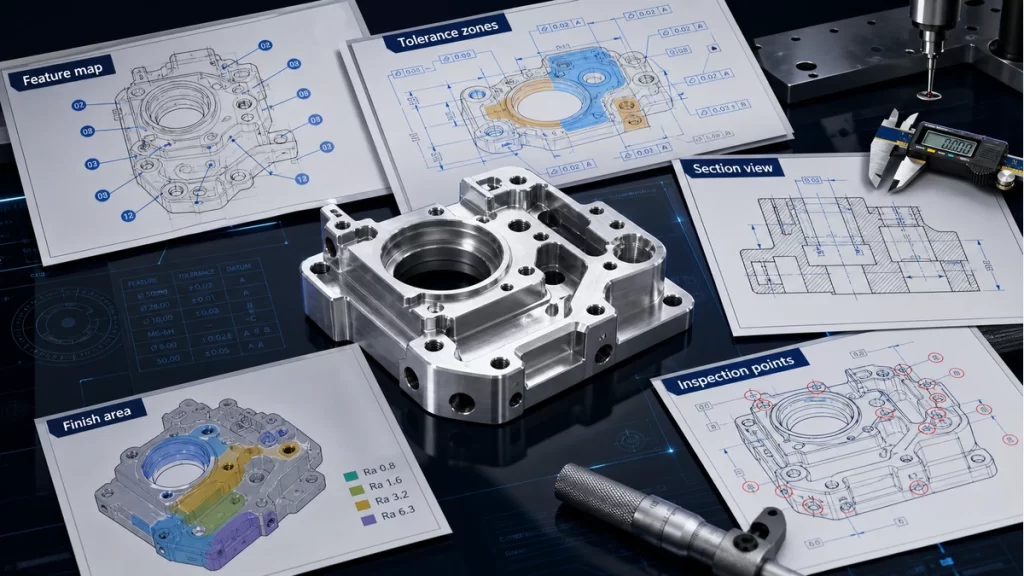
For quotation, send CAD and the controlled drawing with material intent, quantity, revision, service exposure and finish requirements. Identify contact or sealing faces, masking zones, dissimilar-material interfaces and any required inspection or corrosion-test specification. State which choices remain open. Release the material-and-finish combination against agreed acceptance criteria; this guide and its illustrations are not a project test report or a service-life guarantee.