Engineering review for every RFQ
CNC · 3D Printing · Sheet Metal · Injection Molding
Prototype · Low Volume · Production
Process, material, finish and inspection decisions connected

Shenzhen, China

Search
Menu

A practical manufacturing partner connecting process, materials, applications and review.

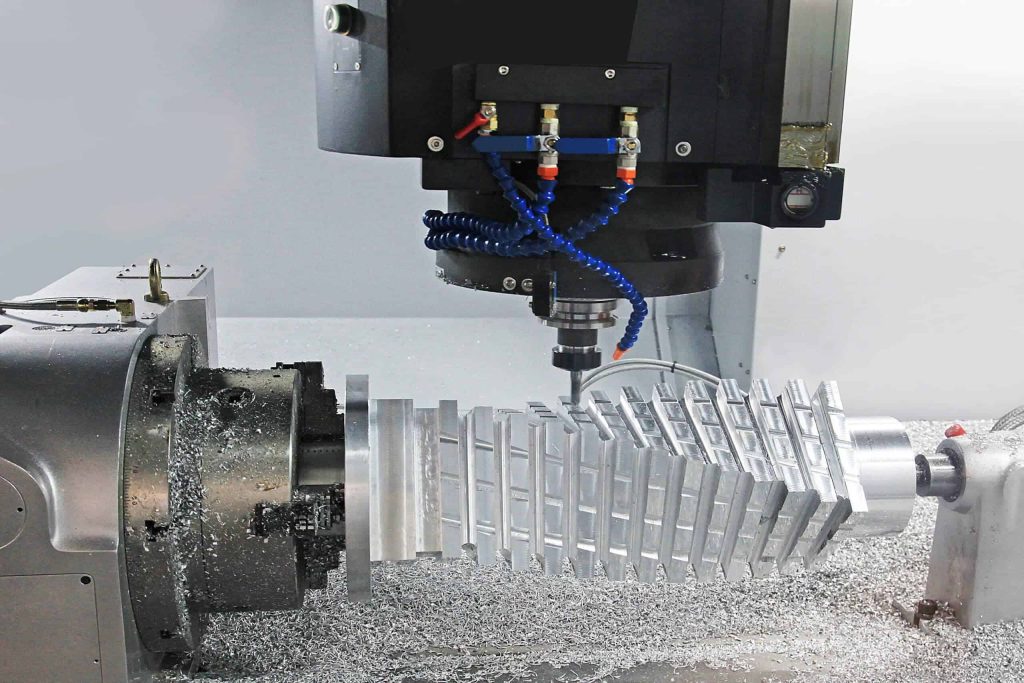
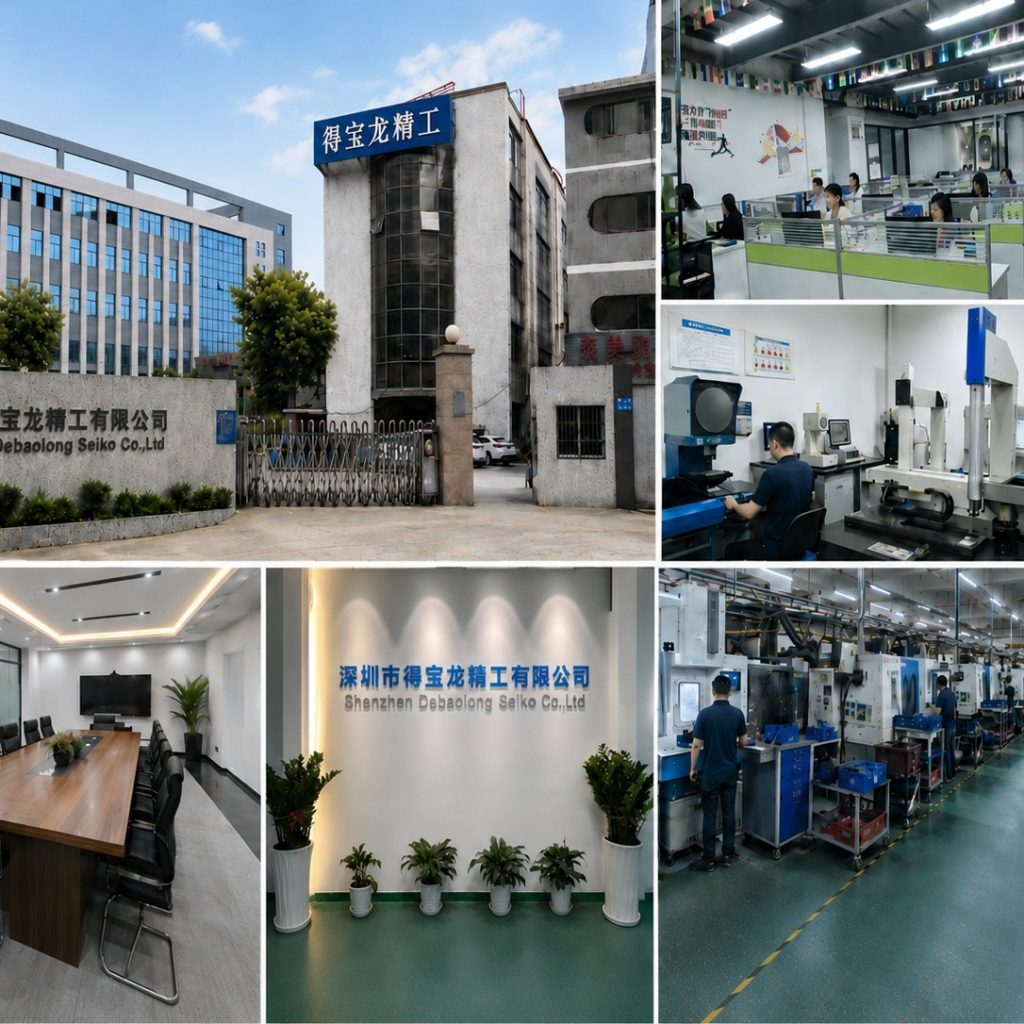
The factory collage shows building, workshop and manufacturing context.

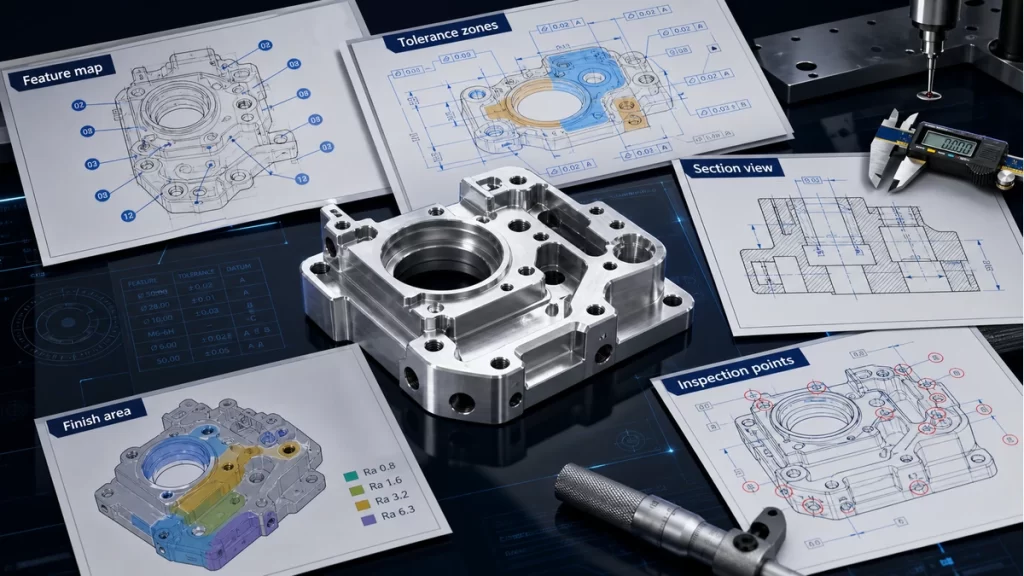
An illustrative planning graphic connects critical features, manufacturing decisions and engineering review. It is not a production inspection record.

Use Contact for general conversation or Engineering Review for a project-specific brief.

MACHINED

Smooth machining

Controlled machining passes improve selected surfaces while retaining a machined finish.
02 smooth machining cnc
ENGINEERING DOSSIER

Control smooth-machined roughness, toolpath consistency and fit-sensitive surfaces

Smooth machining remains a machined surface

Specify selected faces and distinguish the expected toolpath result from polishing.

Sequence and substrate evidence

Record the base material, preparation, operation order and any approved appearance reference so the visible result remains explainable.

Acceptance belongs to named surfaces

Use a surface map for cosmetic zones, contacts, threads, fits, masking and geometry-dependent variation.

Release inputs for Smooth machining

Specify selected faces, required appearance or measurement, edges and protected features.
APPEARANCE AND FUNCTION

Appearance, function and substrate boundary for Smooth machining

Specify selected faces and distinguish the expected toolpath result from polishing.
Surface texture can affect sliding contact, sealing and fit. Identify each functional face and the required measurement direction on the drawing.
02 smooth machining cnc
DECISION CONTROLS

Protected interfaces and acceptance controls for Smooth machining

Sequence and substrate evidence

Confirm the exact material grade and supplied condition. Tooling, cutting strategy and achievable texture depend on the material and geometry.

Acceptance belongs to named surfaces

Identify datums, threads, bores, seal lands and mating faces. Protect their dimensions and specify where a particular surface texture is required.

Release inputs for Smooth machining

Provide CAD, a drawing with selected faces, surface-texture requirements where applicable, inspection method, critical dimensions and any approved appearance reference.
PROJECT-SPECIFIC DECISION DATA

Finish map before Smooth machining release

Confirm substrate, preparation, appearance/function, protected zones and inspection evidence; do not infer acceptance from the finish name alone.
Decision itemWhat must be resolvedEvidence at release
Smooth machining remains a machined surfaceSpecify selected faces and distinguish the expected toolpath result from polishing.Reference, texture, color or toolpath
Sequence and substrate evidenceRecord the base material, preparation, operation order and any approved appearance reference so the visible result remains explainable.Protection, contact, wear or interface role
Acceptance belongs to named surfacesUse a surface map for cosmetic zones, contacts, threads, fits, masking and geometry-dependent variation.Coverage, masking and critical features
Release inputs for Smooth machiningSpecify selected faces, required appearance or measurement, edges and protected features.Coverage, masking and critical features
aa52d3d7 77c9 4ead b7f0 54cfcd167dad 18 POM Delrin smoothed
INSPECTION AND ACCEPTANCE

Inspect Smooth machining against the named reference and functional interfaces

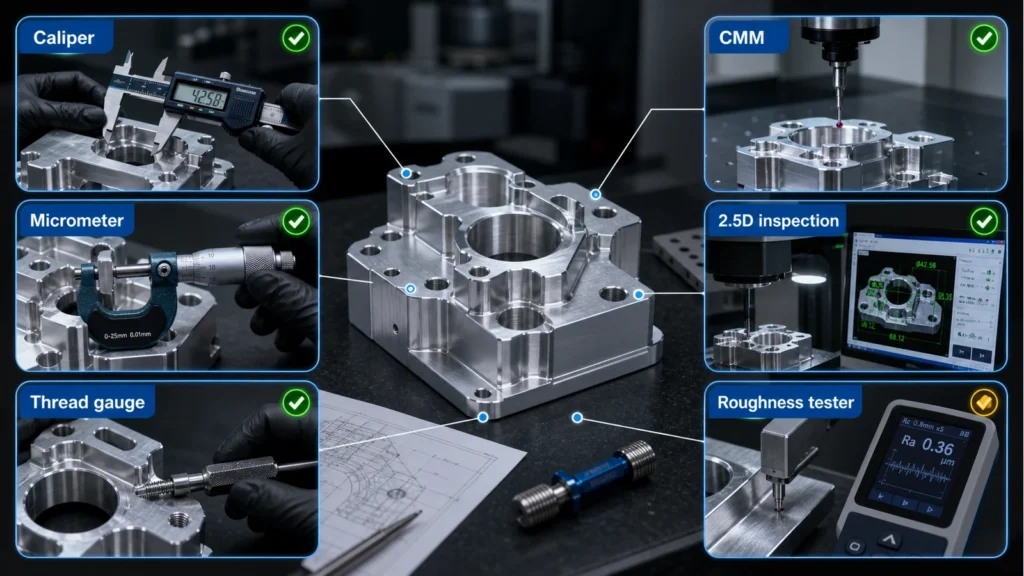
Inspect the named surfaces against the drawing and agreed reference. Check surface texture using the specified method, toolpath marks, edges and fit-sensitive dimensions.
Geometry, access, edges, recesses and part-to-part variation can affect the result; use a named reference and surface map.
PART AND PROCESS EVIDENCE

Smooth machining close-up, process and acceptance evidence

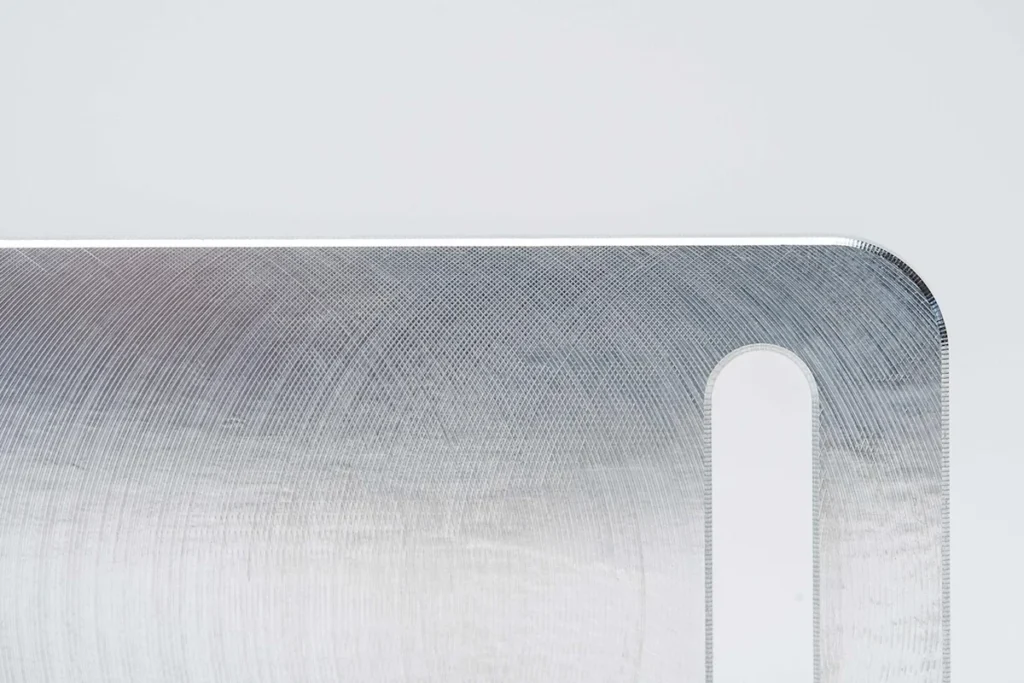
02 smooth machining cnc
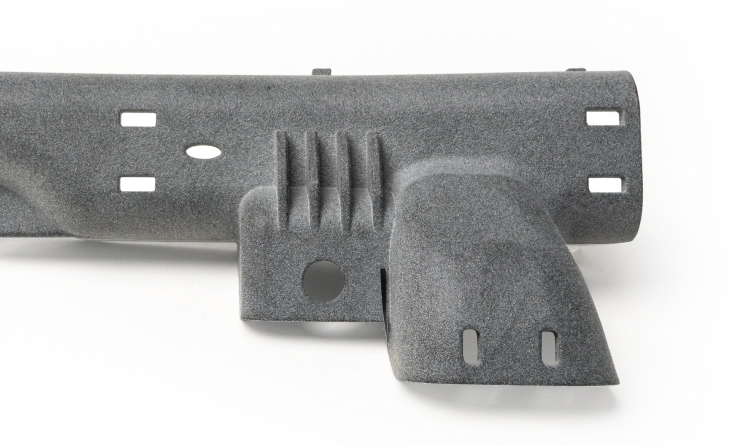
Machined metal sample showing visible directional tool marks and recessed geometry. Surface texture and dimensions require the drawing and inspection record.
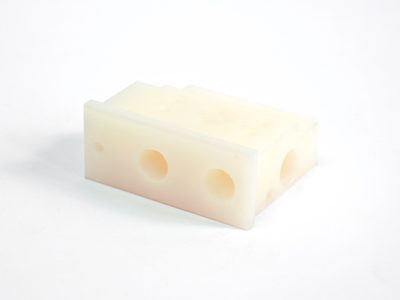
aa52d3d7 77c9 4ead b7f0 54cfcd167dad 18 POM Delrin smoothed
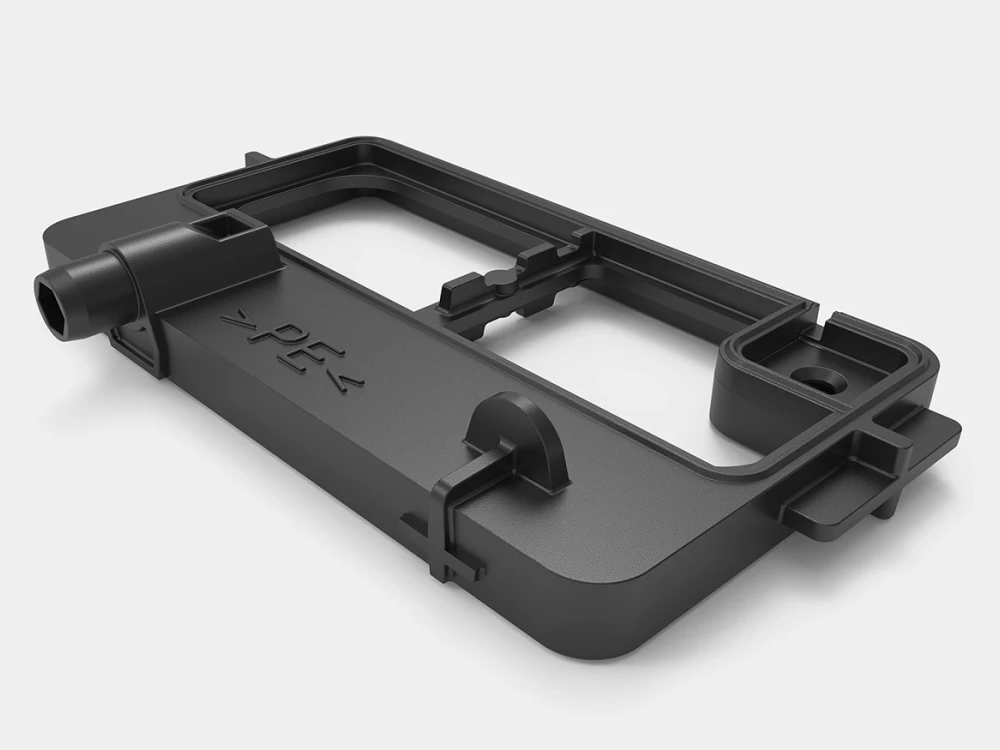
Polymer sample showing recessed pockets, ribs and holes. The photograph illustrates geometry; it does not establish a measured roughness or dimensional acceptance.
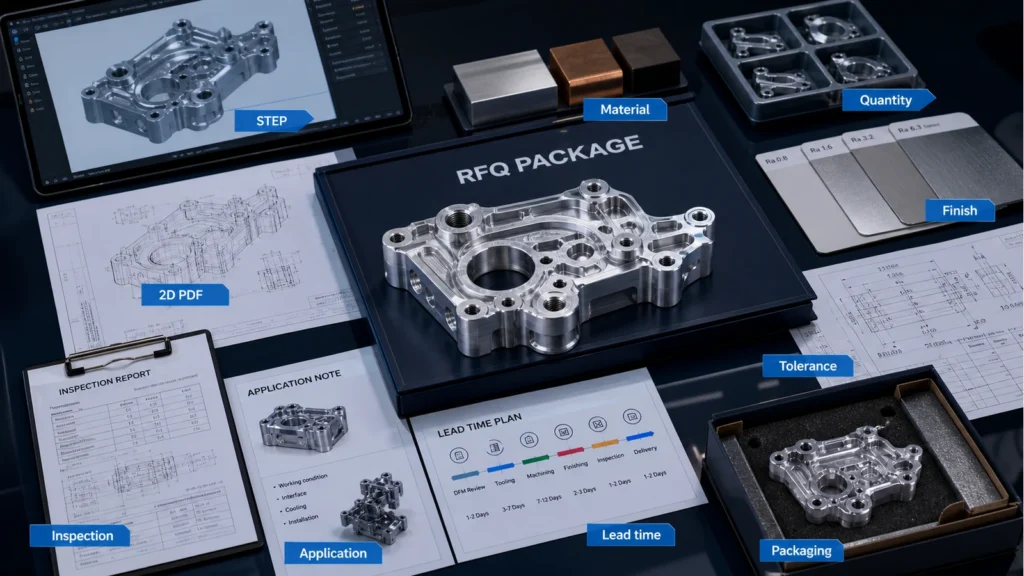
Complete CNC machining RFQ package diagram showing STEP file, 2D PDF drawing, material, quantity, finish, tolerance, inspection, application, lead time and packaging
DECISION QUESTIONS

Smooth machining specification and inspection questions

What must be defined before reviewing Smooth machining?

Identify the material, selected faces, tool access and required surface texture on the drawing. A visual reference can supplement the specification but does not replace a measurement requirement.

Which interfaces need project-specific confirmation?

Review seal lands, sliding surfaces, mating bores, threads and datum faces individually. State which dimensions and textures must be maintained after the final machining pass.

What should accompany release?

Include CAD, the controlled drawing, material and condition, named critical faces, surface-texture requirements and the agreed inspection method.
PROJECT BRIEF

Smooth machining finish map and acceptance checklist

Use these page-specific checks to define substrate, preparation, appearance or function, protected zones and acceptance evidence for Smooth machining. Do not release from the finish name alone.

Pretreatment and substrate — Smooth machining remains a machined surface

Specify selected faces and distinguish the expected toolpath result from polishing. Record substrate and pretreatment on a controlled surface map.

Appearance or function — Sequence and substrate evidence

Record the base material, preparation, operation order and any approved appearance reference so the visible result remains explainable. Attach the named appearance or functional reference used for acceptance.

Masking and acceptance — Acceptance belongs to named surfaces

Use a surface map for cosmetic zones, contacts, threads, fits, masking and geometry-dependent variation. Mark masking, fit-sensitive zones and the inspection record required at release.
CONTINUE THE ENGINEERING REVIEW

Continue the engineering review for Smooth machining

Connect this decision to the related manufacturing route, material, finish and file-review workflow.