Engineering review for every RFQ
CNC · 3D Printing · Sheet Metal · Injection Molding
Prototype · Low Volume · Production
Process, material, finish and inspection decisions connected

Shenzhen, China

Search
Menu

A practical manufacturing partner connecting process, materials, applications and review.

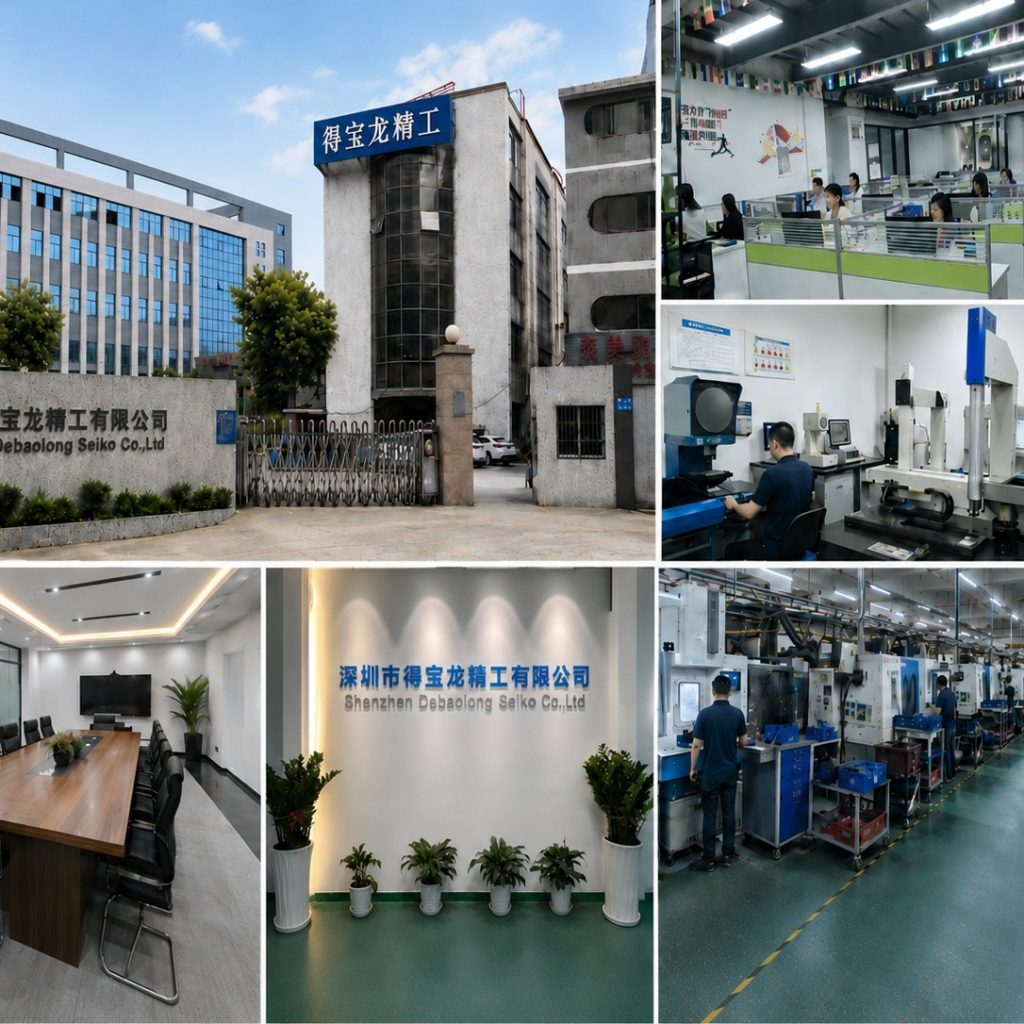
The factory collage shows building, workshop and manufacturing context.

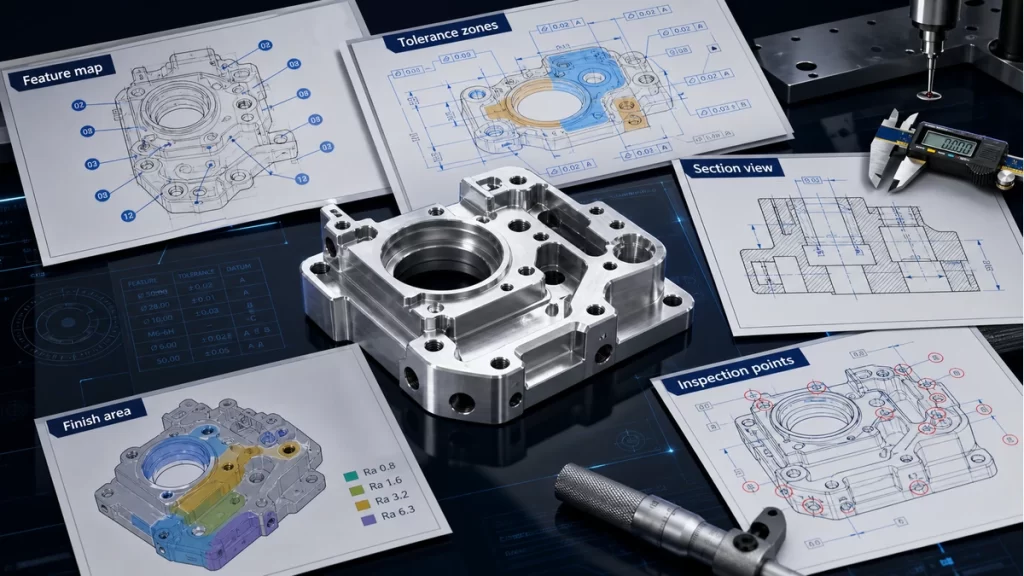
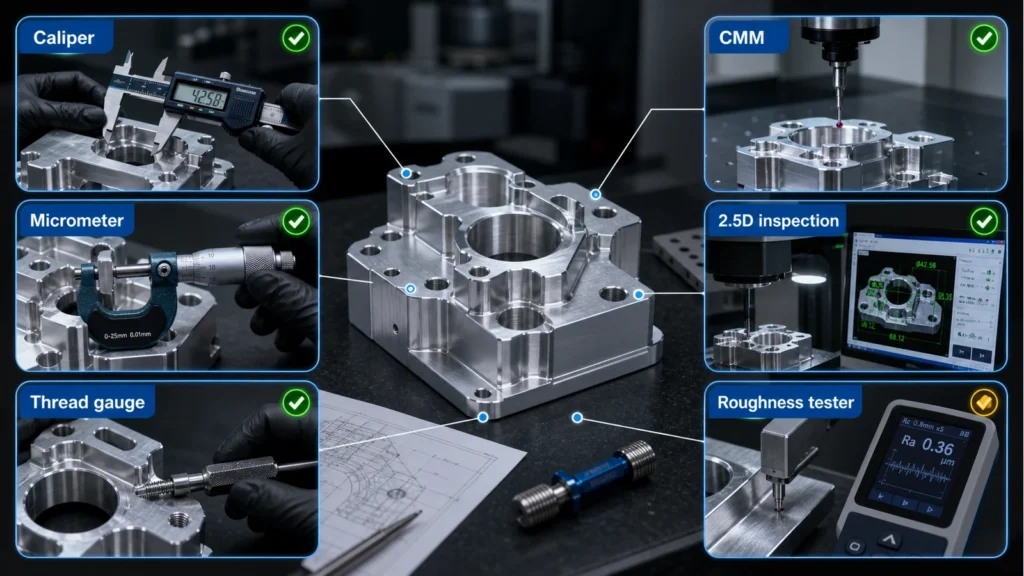
An illustrative planning graphic connects critical features, manufacturing decisions and engineering review. It is not a production inspection record.

Use Contact for general conversation or Engineering Review for a project-specific brief.

SUBTRACTIVE

CNC turning

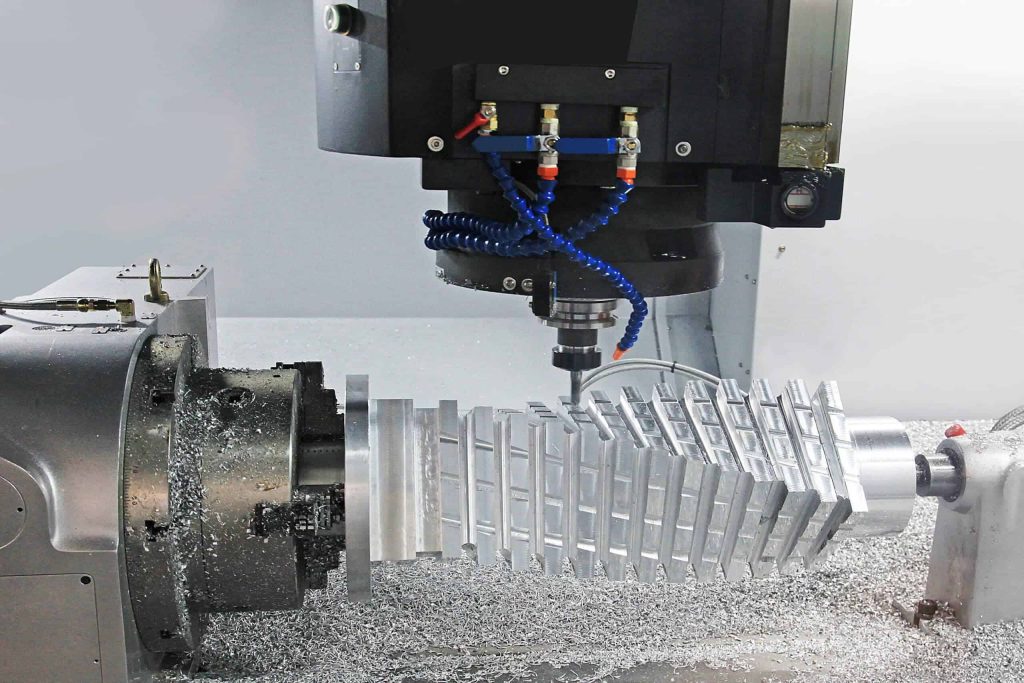
Turning organizes material removal around a rotational axis and may include secondary milled or drilled features.
Debaoloong.com debaolong CNC machining Shenzhen12553
ENGINEERING DOSSIER

Tie axes, workholding, stock and turned interfaces to one release plan

Axis, faces and concentric relationships

Identify the rotational datum, shoulders, bores and runout-sensitive relationships before choosing the operation sequence.

Grip and bar or blank condition

Workholding length, stock form and part-off strategy affect access and the surfaces available for later operations.

Threads, grooves and sealing features

Call out thread standard, groove purpose, edge condition and mating context rather than relying on a model alone.

Turning inspection handoff

Define diameter, length, concentricity and surface evidence around the functional axis and mating interfaces.
MANUFACTURING ROUTE

Route logic for CNC turning

Workholding length, stock form and part-off strategy affect access and the surfaces available for later operations. Best input: CAD, drawing and mating context.
Identify the rotational datum, shoulders, bores and runout-sensitive relationships before choosing the operation sequence. Call out thread standard, groove purpose, edge condition and mating context rather than relying on a model alone.
Debaoloong.com debaolong CNC machining Shenzhen12553
DECISION CONTROLS

Release controls specific to CNC turning

Best input

CAD, drawing and mating context

Key risk

Datum, grip and part-off transition

Release evidence

Axis-based dimensional relationships
PROJECT-SPECIFIC DECISION DATA

Decision record before CNC turning release

Use this table to connect the process decision to the CAD, drawing and inspection evidence. Values remain project-specific until reviewed.
Decision itemWhat must be resolvedEvidence at release
Axis, faces and concentric relationshipsIdentify the rotational datum, shoulders, bores and runout-sensitive relationships before choosing the operation sequence.CAD, drawing and mating context
Grip and bar or blank conditionWorkholding length, stock form and part-off strategy affect access and the surfaces available for later operations.Datum, grip and part-off transition
Threads, grooves and sealing featuresCall out thread standard, groove purpose, edge condition and mating context rather than relying on a model alone.Axis-based dimensional relationships
Turning inspection handoffDefine diameter, length, concentricity and surface evidence around the functional axis and mating interfaces.Axis-based dimensional relationships
PART AND PROCESS EVIDENCE

CNC turning process, interface and inspection evidence

Debaoloong.com debaolong CNC machining Shenzhen12553
Debaoloong.com_debaolong_CNC machining_Shenzhen12553
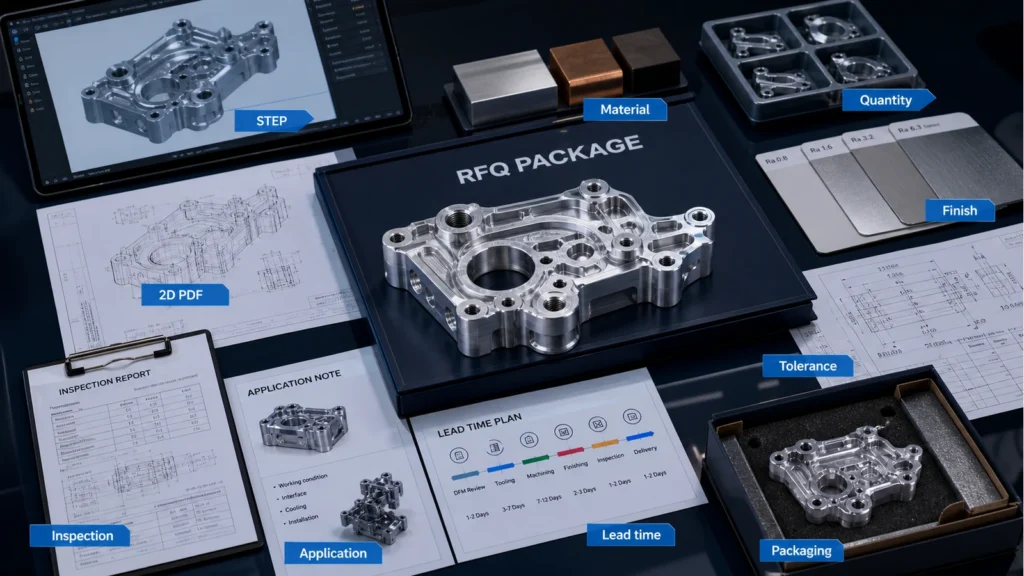
Complete CNC machining RFQ package diagram showing STEP file, 2D PDF drawing, material, quantity, finish, tolerance, inspection, application, lead time and packaging
CNC manufacturability heatmap showing deep pocket, thin wall, sharp internal corner, deep hole, clamping area and deformation zone risks
DECISION QUESTIONS

CNC turning route and release questions

What must be defined before reviewing CNC turning?

Identify the rotational datum, shoulders, bores and runout-sensitive relationships before choosing the operation sequence. Workholding length, stock form and part-off strategy affect access and the surfaces available for later operations.

Which interfaces need project-specific confirmation?

Call out thread standard, groove purpose, edge condition and mating context rather than relying on a model alone. Escalate Datum, grip and part-off transition and any geometry, access, material or interface requirement that the drawing does not resolve.

What should accompany release?

Define diameter, length, concentricity and surface evidence around the functional axis and mating interfaces. Axis-based dimensional relationships
PROJECT BRIEF

CNC turning project brief and release checklist

Use these page-specific checks to turn the CNC turning route into reviewable CAD, drawing and inspection inputs.

Geometry and route input — Axis, faces and concentric relationships

Identify the rotational datum, shoulders, bores and runout-sensitive relationships before choosing the operation sequence. Include the relevant CAD orientation, interfaces and quantity in the review brief.

Release evidence — Grip and bar or blank condition

Workholding length, stock form and part-off strategy affect access and the surfaces available for later operations. Name the drawing dimensions and inspection evidence required at release.

RFQ handoff — Threads, grooves and sealing features

Call out thread standard, groove purpose, edge condition and mating context rather than relying on a model alone. Upload controlled CAD/drawing inputs and state the unresolved route decision.
CONTINUE THE ENGINEERING REVIEW

Continue the engineering review for CNC turning

Connect this decision to the related manufacturing route, material, finish and file-review workflow.