





CNC MATERIALS
Choose a machinable material around the part, not a generic list.
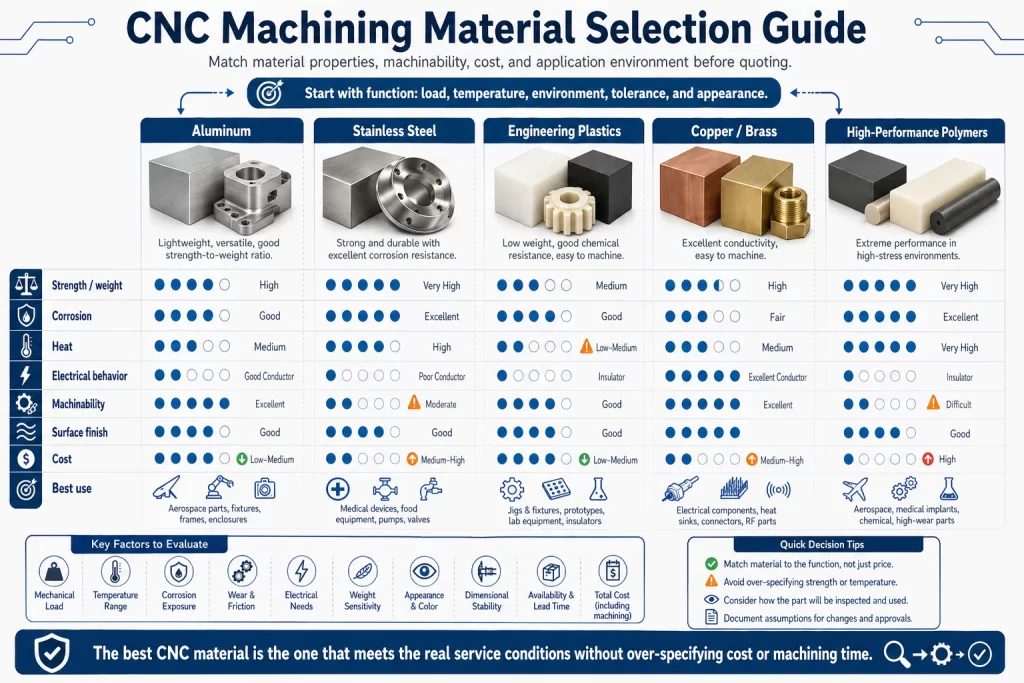
Compare stiffness, mass, conductivity, corrosion, temperature, finish and inspection needs before locking a grade.
MATERIAL LIBRARY
Metals and plastics organized by engineering decision
Use these families as a starting point. Final selection still depends on geometry, stock, tolerance, finish and service environment.
Lightweight, conductive and readily machined; compare alloy, temper, tolerance and finish.
Corrosion-resistant grades for load, cleanability and environmental exposure.
Cost-effective structural material where weldability, stiffness and coating matter.
Conductive materials for thermal, electrical and wear-interface decisions.
Higher hardness and wear resistance for fixtures, tooling and loaded mechanisms.
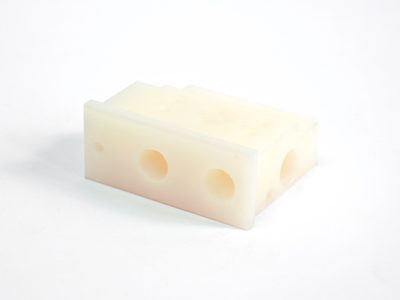
POM, nylon, ABS and PEEK support insulation, low friction, weight and chemical needs.
SELECTION METHOD
Four questions narrow the CNC material route
A short decision sequence is more useful than an unqualified price column.
What must the part carry?
Identify load, stiffness, fatigue and impact requirements.
What environment does it see?
Record temperature, corrosion, chemicals and electrical or thermal duty.
What must be machined?
Check wall thickness, access, threads, flatness and tolerance stack.
What happens after machining?
Confirm coating, anodizing, polishing, assembly and inspection requirements.
Send the material decision with the geometry
Share CAD, quantity, service environment, critical interfaces and preferred finish for a more useful review.
Representative materials, connected to the process that will shape them
Compare material families by manufacturing route, then confirm the exact grade, supplied form and project requirements during engineering review.
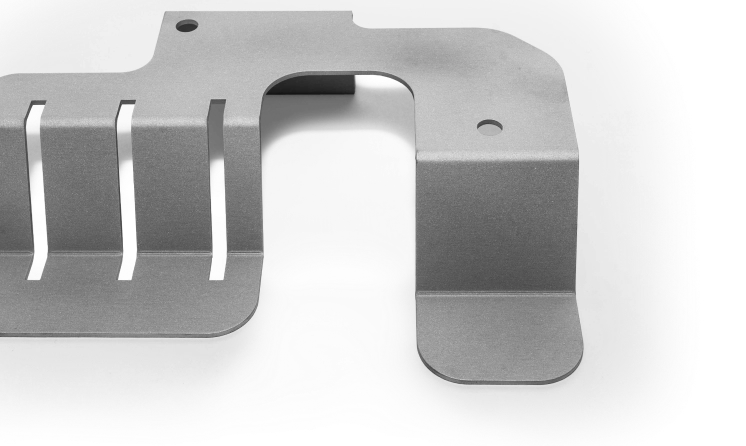
Sheet
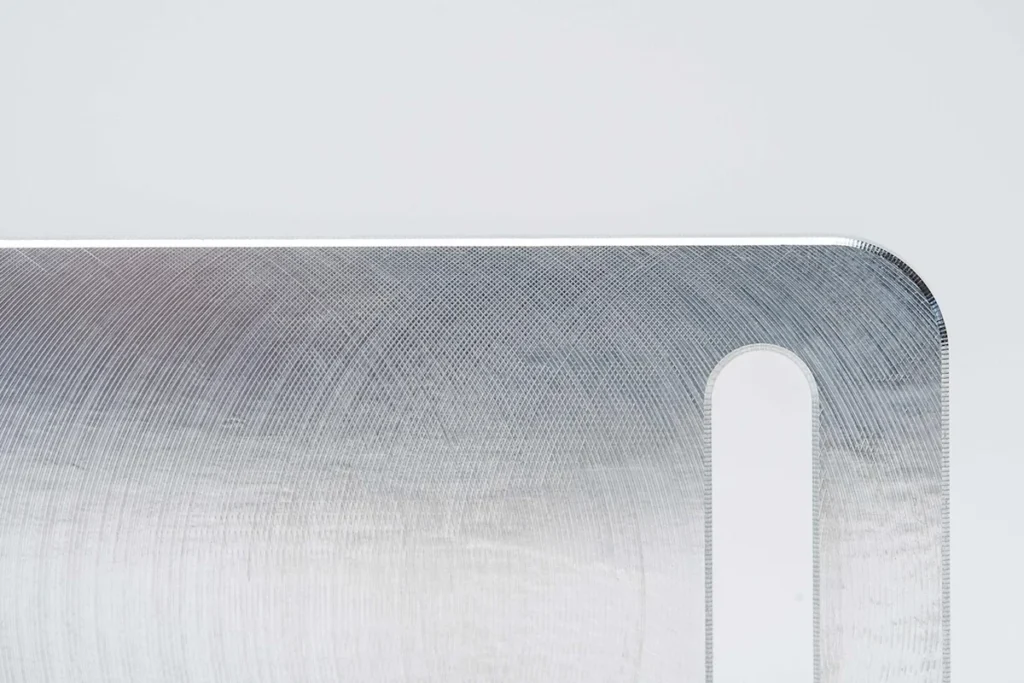
Confirm alloy, sheet thickness, bend requirements, joining and finish together. Explore sheet-material guidance.
Project-specific material questions
Titanium: Specify the alloy, supplied form, critical interfaces and drawing requirements. Confirm material availability and the intended manufacturing route during engineering review.
Polycarbonate: State the exact grade, appearance or transparency requirement, service environment and critical dimensions before shortlisting a stock form or process.
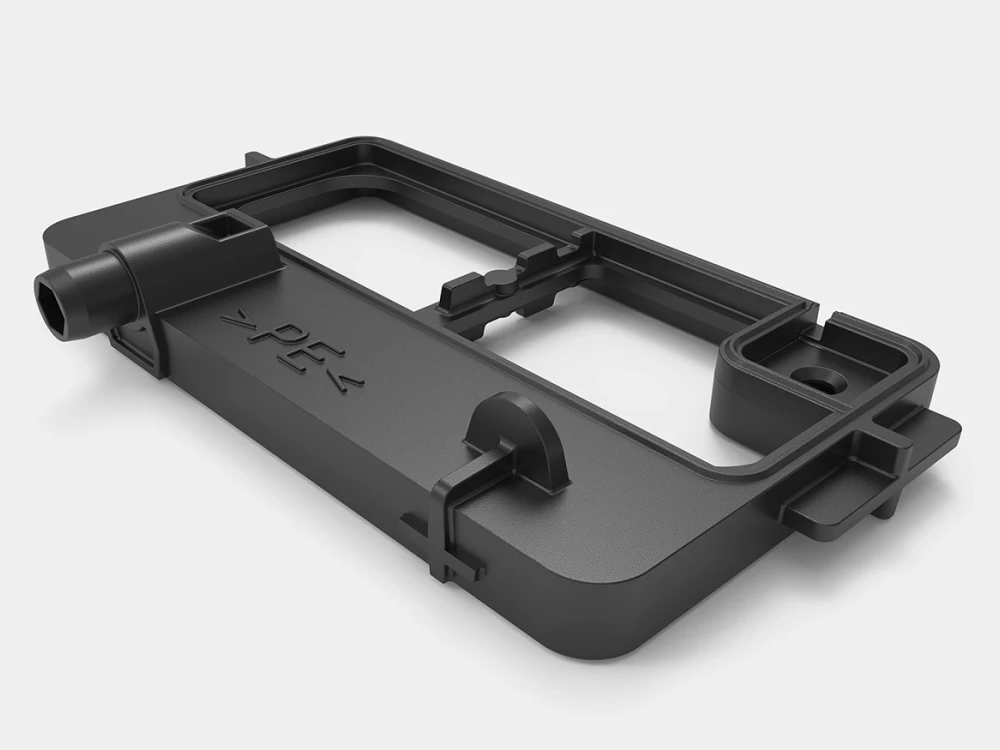
PEI: Identify the resin grade and reinforcement, operating conditions and documentation requirements. Confirm the supplied form and inspection criteria for the part.
PTFE: Describe the sealing, sliding or other intended function, assembly interfaces and service conditions. Review grade, fillers and dimensional requirements together.
Polypropylene: Specify the grade, part function, environment and production quantity. Confirm whether the prototype and production parts will use the same material and manufacturing route.
Casting-resin family: polyurethane and casting-resin systems are reviewed case by case. Specify target hardness, color, service conditions and application requirements in the RFQ.
MATERIAL SELECTION BY PROCESS