
Insulation spacers and plastic support parts are small components, but they often decide whether a power electronics assembly is easy to build, safe to service and stable over time. In battery systems, PCS cabinets, inverters and charging modules, conductive copper or aluminum parts need controlled separation from metal frames, circuit boards, covers and neighboring hardware. A simple spacer, clip, cover or holder can help manage creepage distance, cable routing, vibration, thermal exposure and assembly repeatability.
Where Plastic Support Parts Are Used
Energy storage and power electronics hardware may use plastic support parts around busbar-related interfaces, control boards, cable paths, terminal covers, sensor holders and enclosure subassemblies. These parts are not always load-bearing structural components, but they still need reliable fit and stable material behavior. In many projects, plastic parts sit between conductive hardware and sheet metal structures, so insulation, clearance and assembly sequence matter as much as the outside shape.
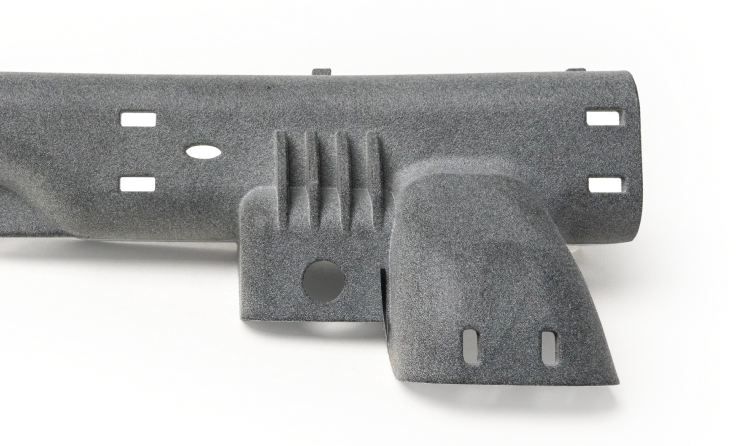
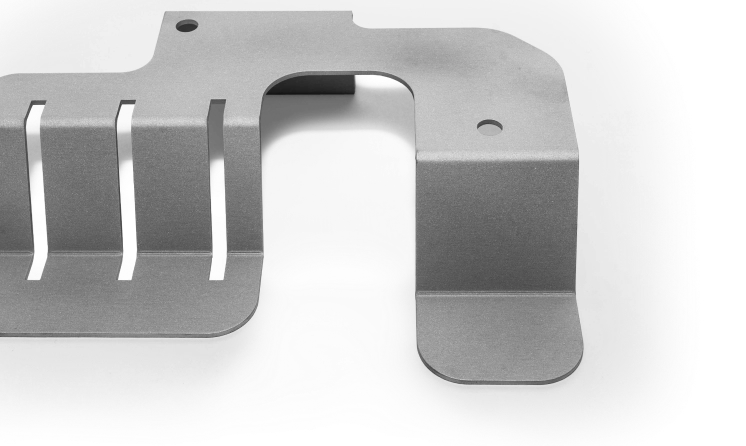
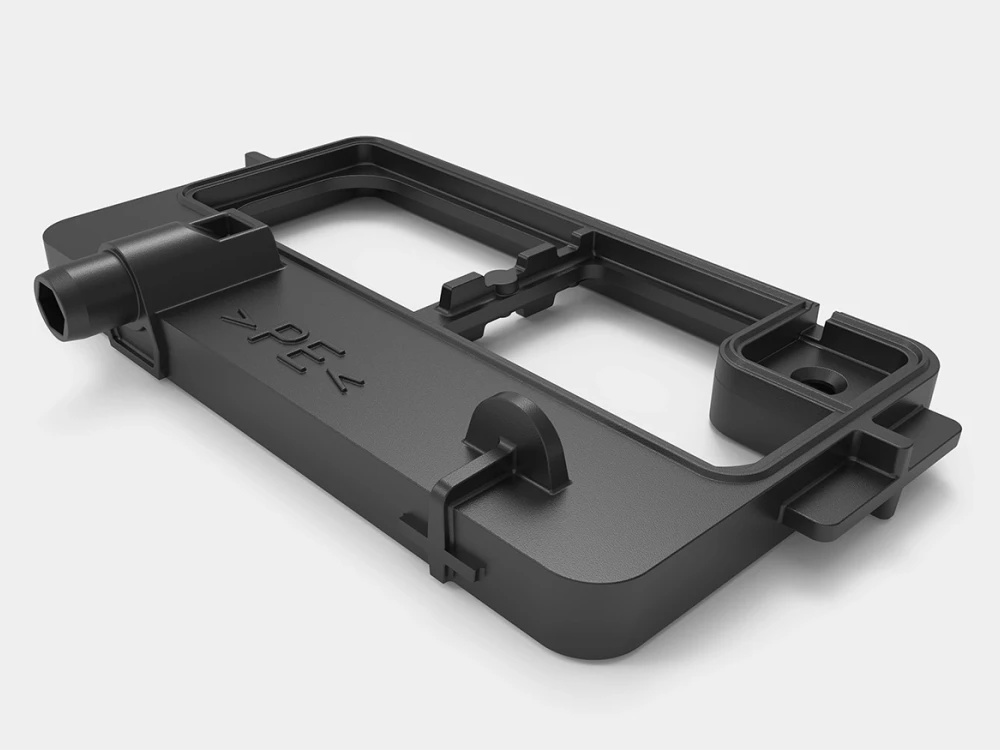
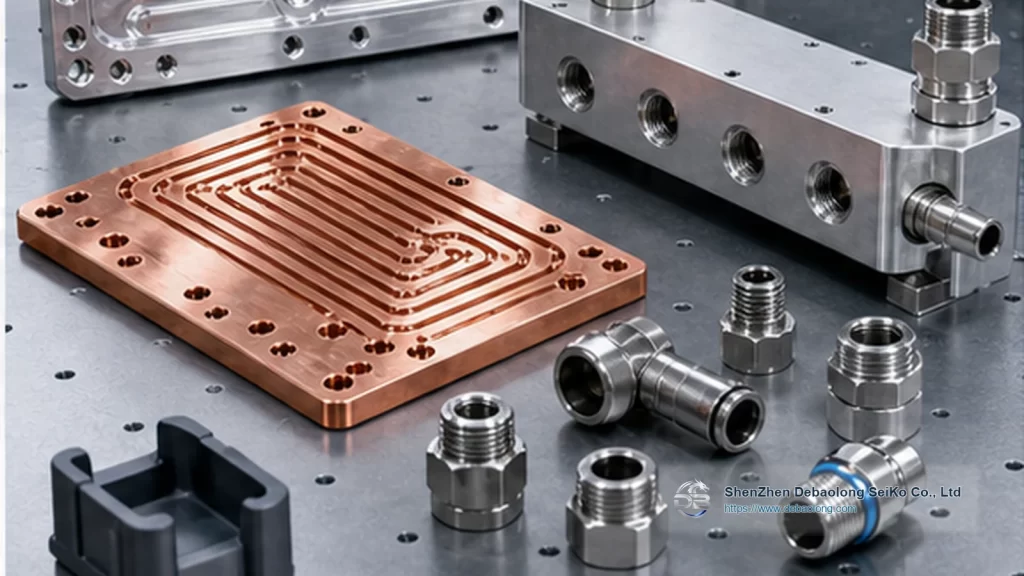
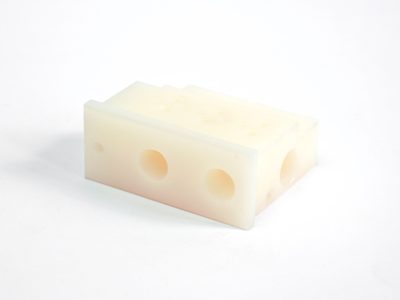
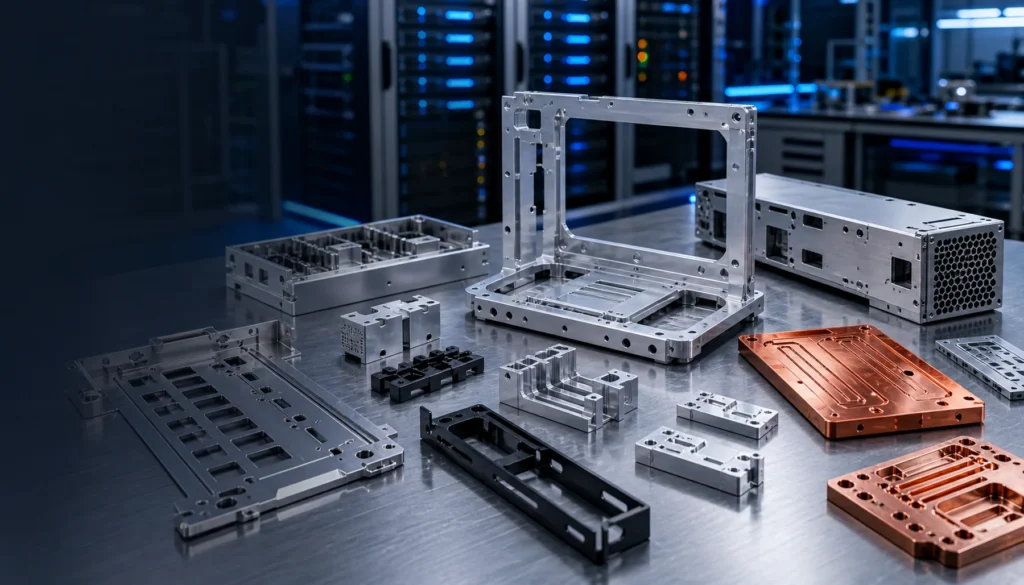
Typical examples include standoffs, spacers, snap clips, cable holders, protective covers, insulating caps, terminal shields, wire routing parts and small housings. Debaolong supports these parts as part of broader energy storage and power electronics components, especially when one assembly combines CNC machined metal parts, sheet metal panels and molded or printed plastic support hardware.
Common Part Types in Power Electronics Assemblies
- Insulation spacers: used to separate boards, copper components or mounting plates while maintaining height and clearance.
- Standoffs and holders: used for control boards, sensors, small covers, cable guides and internal modules.
- Cable clips and routing parts: used to guide wires away from sharp edges, hot areas or moving service covers.
- Protective covers: used to shield terminals, indicators or small electronic areas from contact and contamination.
- Prototype validation parts: used to check fit, assembly access and service sequence before tooling investment.
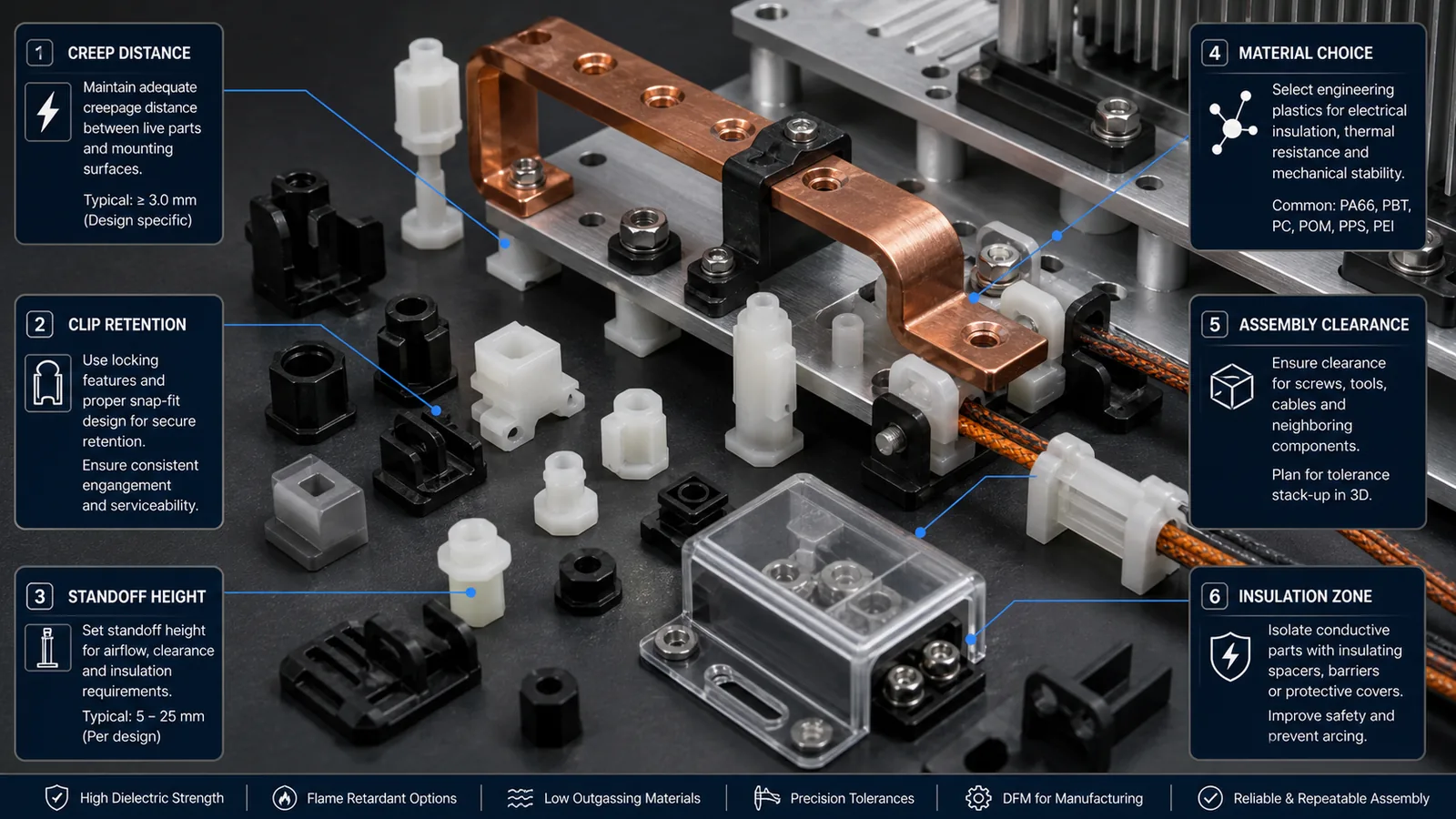
These components should be reviewed together with nearby conductive and structural parts. For example, a plastic clip may need to hold a cable but also avoid blocking a screw path. A transparent cover may protect a terminal area but still require enough clearance for heat, labels or inspection. A spacer may look simple, yet its height tolerance can affect board stack-up and enclosure fit.
Material Selection: POM, PA66, PC, PPS and Other Plastics
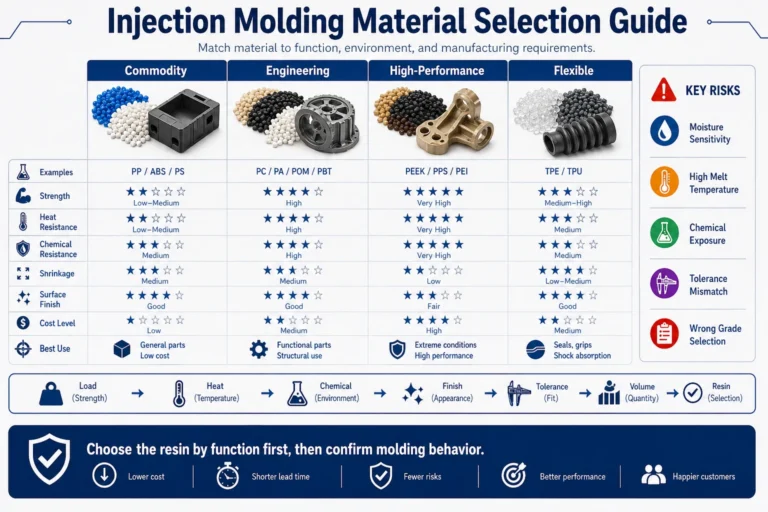
Material selection depends on electrical insulation, heat exposure, dimensional stability, mechanical strength, flame-retardant requirements, cost and production volume. POM is often considered when low friction and dimensional stability are useful. PA66 can be a practical choice for cable clips and holders, especially when toughness and fatigue resistance are needed. PC is useful for transparent covers and impact-resistant protective parts. PPS or other high-performance plastics may be considered when continuous heat or chemical exposure is more demanding.
Engineers should avoid selecting a plastic only by name. The grade, filler, flame rating, moisture behavior and long-term temperature exposure can change performance. Public databases such as MatWeb and UL Prospector can support early material comparisons, while the final material should be validated according to project requirements, drawings and supplier data.
Creepage, Clearance and Assembly Fit
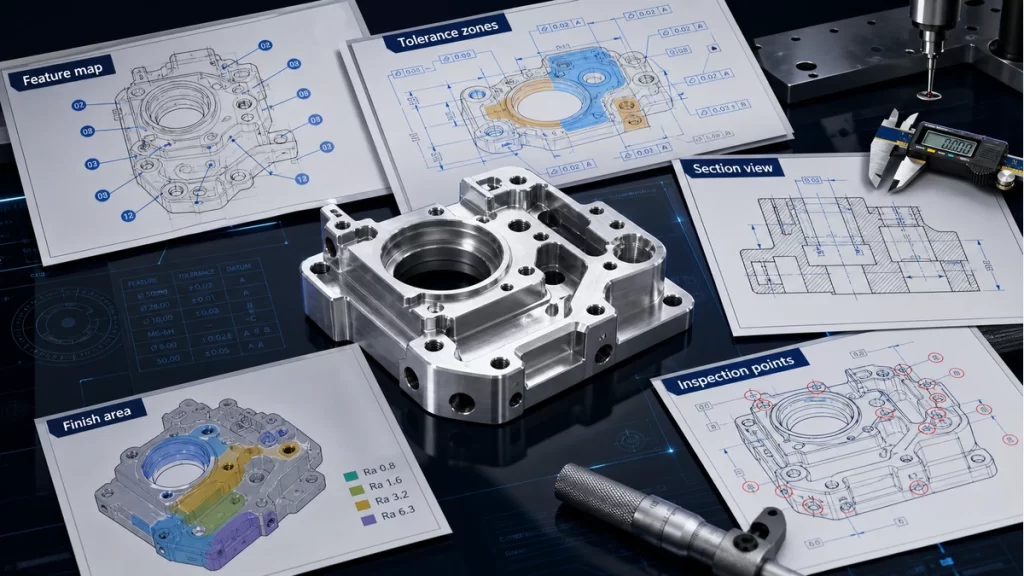
For parts near conductors, designers should define electrical separation and mechanical clearance early. Creepage and clearance requirements depend on voltage, environment, material and system standards, so they should be confirmed by the project engineering team. From a manufacturing perspective, the drawing should clearly show insulation zones, minimum gaps, standoff heights, screw boss dimensions, clip engagement areas and any surfaces that must not interfere with neighboring parts.
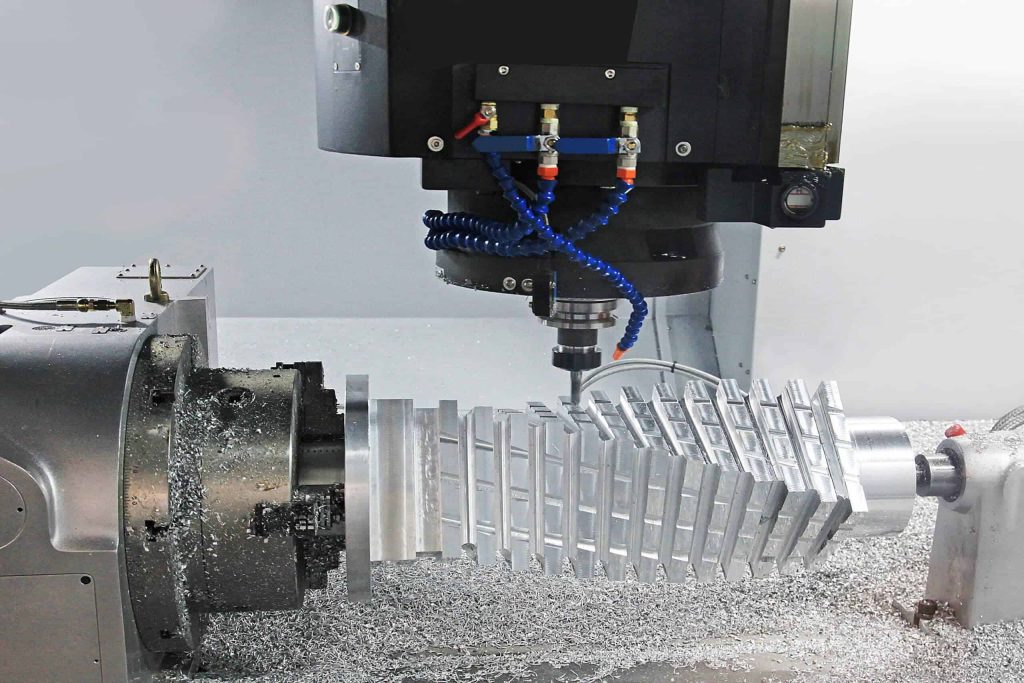
Assembly fit is just as important. Plastic clips need enough lead-in for installation, but not so little retention that they loosen during vibration or service. Covers need space for hands, tools and wires. Spacers need stable contact surfaces. If metal inserts or brass bushings are used, the insert location and pull-out expectations should be discussed before tooling. Similar fit concerns also appear in copper and aluminum conductive parts and CNC machined brackets for power electronics assemblies.

3D Printing or Injection Molding?
Early-stage products often start with 3D printed prototypes. Printed parts can quickly check cable routing, cover clearance, standoff height, service access and basic assembly sequence. They are especially useful when the design is still changing or when several versions must be tested. However, printed materials and layer behavior may not match the final molded part, so they should not be treated as a full substitute for production validation.
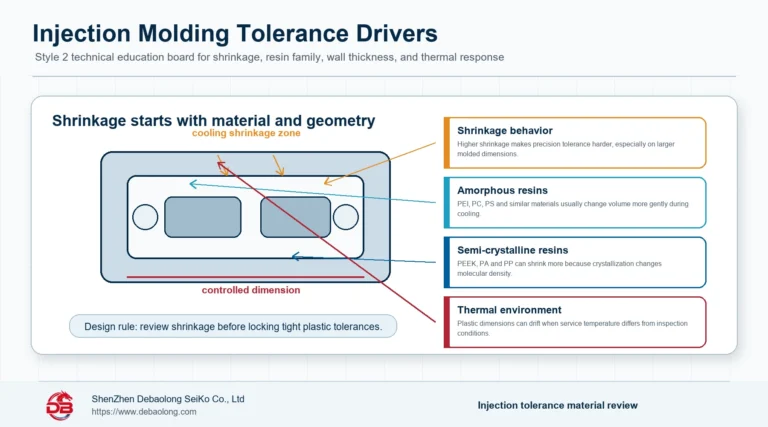
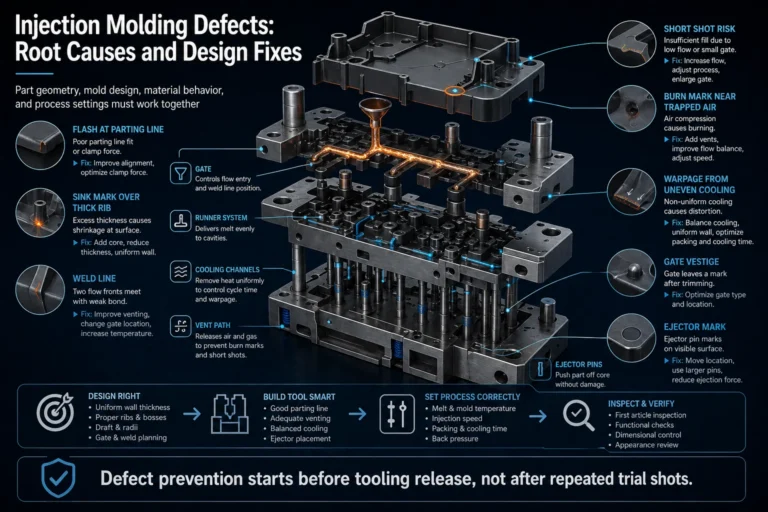
For repeatable production, injection molding can provide better cycle cost, consistent surface quality and stable geometry when tooling is justified. Molding requires more attention to draft, wall thickness, ribs, bosses, gate location, shrinkage and material flow. A part that works as a printed prototype may need rib transitions, fillets or wall changes before it becomes a reliable molded component.
DFM Notes for Plastic Support Parts
- Wall thickness: avoid sudden thick areas that can cause sink marks, warpage or long cooling time.
- Ribs and bosses: use ribs for stiffness instead of making the entire wall thick.
- Draft: add draft to vertical faces so molded parts can release cleanly.
- Fillets: reduce stress concentration around clip roots, bosses and sharp inside corners.
- Snap fits: define engagement length, flex direction and service removal requirements.
- Insert areas: specify insert type, material, installation method and expected loads where applicable.
DFM should also consider inspection. Some plastic parts are difficult to measure after deformation or snap engagement. If a feature is critical for safety, insulation or assembly fit, the drawing should define how it will be checked. For parts that interact with metal hardware, tolerance stack-up across plastic, sheet metal and CNC components should be reviewed together.
Surface, Marking and Quality Notes
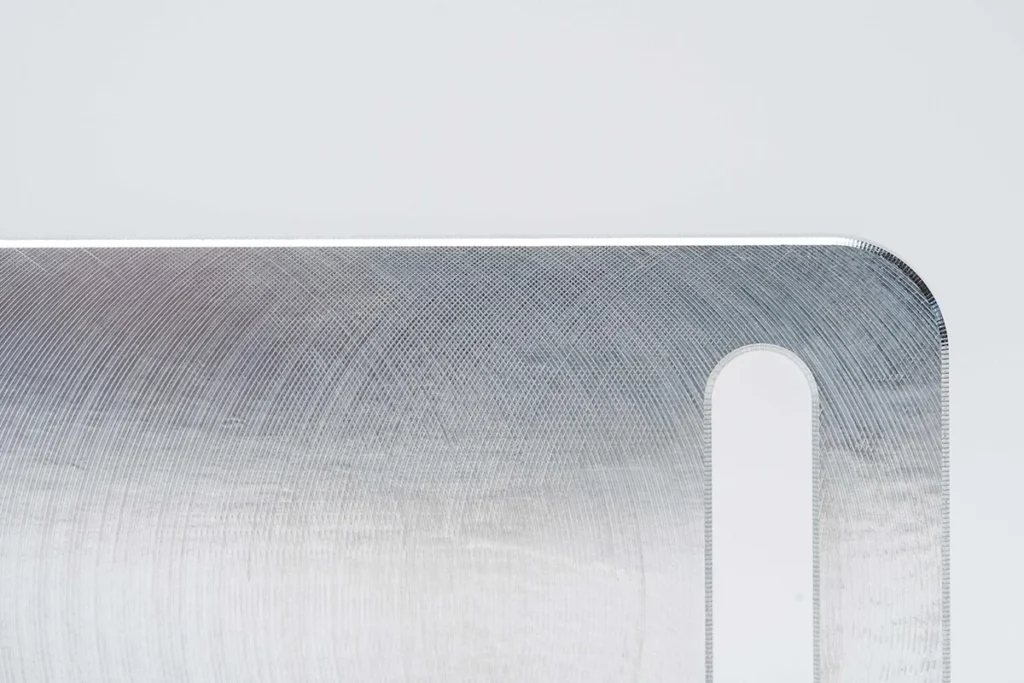
Plastic support parts may need texture, color, transparency, labeling zones or flame-retardant material identification. Some covers require clear windows, while other parts should use matte surfaces to reduce glare or hide handling marks. If a part is used near conductive hardware, burrs, flash and sharp edges should be controlled because they can interfere with insulation or cable routing.
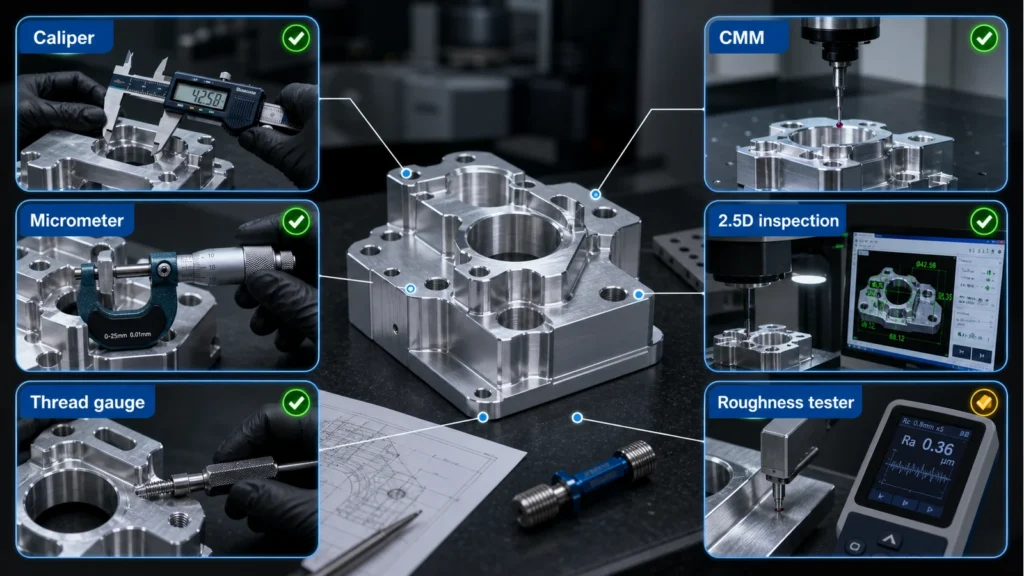
Quality checks may include dimensional inspection, insert position, snap-fit engagement, surface appearance, assembly fit and packaging protection. For prototype-to-production work, Debaolong can support printed validation parts, CNC support hardware, molded plastic components where tooling is appropriate, and assembly review based on customer drawings.
RFQ Checklist for Insulation Spacers and Plastic Support Parts
- 2D drawings and 3D files for each spacer, holder, cover or clip.
- Material requirements, color, transparency and flame-retardant needs if relevant.
- Operating temperature, electrical insulation or clearance notes.
- Prototype quantity, production volume and target manufacturing route.
- Critical dimensions such as standoff height, clip engagement or cover clearance.
- Insert, screw, cable, board or busbar interface information.
- Surface appearance, marking, packaging and inspection requirements.
- Assembly notes showing neighboring metal and conductive parts.
FAQ
Can 3D printed plastic parts be used for electrical insulation testing?
They can help with fit and early concept checks, but final insulation behavior depends on material, print process, surface condition and project requirements. Production material should be validated separately where insulation performance is critical.
When should an insulation spacer move from 3D printing to injection molding?
Injection molding becomes more attractive when the design is stable, quantity is higher and repeatable cost, surface quality and dimensional consistency matter more than quick design changes.
Which plastic is best for high-temperature power electronics support parts?
There is no single best material. PA66, PC, PPS and other engineering plastics may be considered depending on heat, chemical exposure, insulation, strength, cost and the exact grade required by the project.
Can Debaolong support both plastic parts and metal hardware in one assembly?
Yes. Debaolong can support plastic covers, clips and holders together with CNC machined brackets, sheet metal panels and related hardware when drawings and assembly requirements are provided.
Need insulation spacers, clips or plastic support parts for power electronics hardware? Send drawings, STEP files, material requirements, quantity, assembly environment and inspection needs through the Debaolong contact page. The team can help review a practical route from prototype validation to production manufacturing.