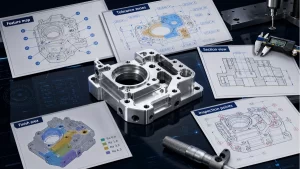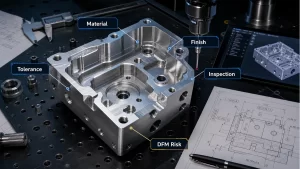
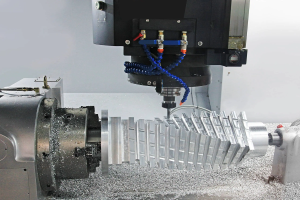


In CNC machining, tolerance defines the allowable variation in a part’s dimension. Proper tolerance control is essential for ensuring part functionality, assembly compatibility, and manufacturing efficiency.
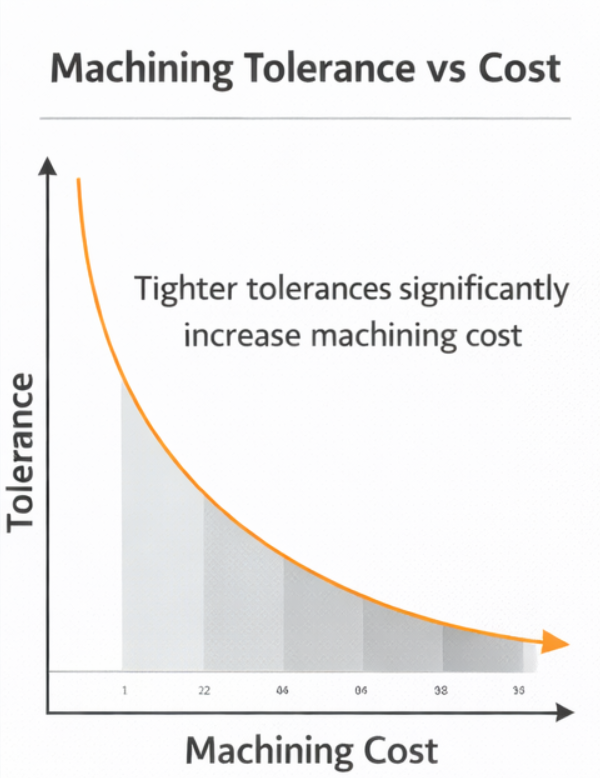
Engineers must balance precision requirements with manufacturing cost. While tight tolerances improve accuracy, they significantly increase machining time, inspection effort, and production cost.
What Are CNC Machining Tolerances?
A machining tolerance specifies the acceptable deviation from a nominal dimension. For example, a dimension of 50 mm with a tolerance of ±0.02 mm means the final part can measure between 49.98 mm and 50.02 mm.
Tolerance requirements depend on several factors:
- Part functionality
- Assembly requirements
- Material properties
- Machining process capability
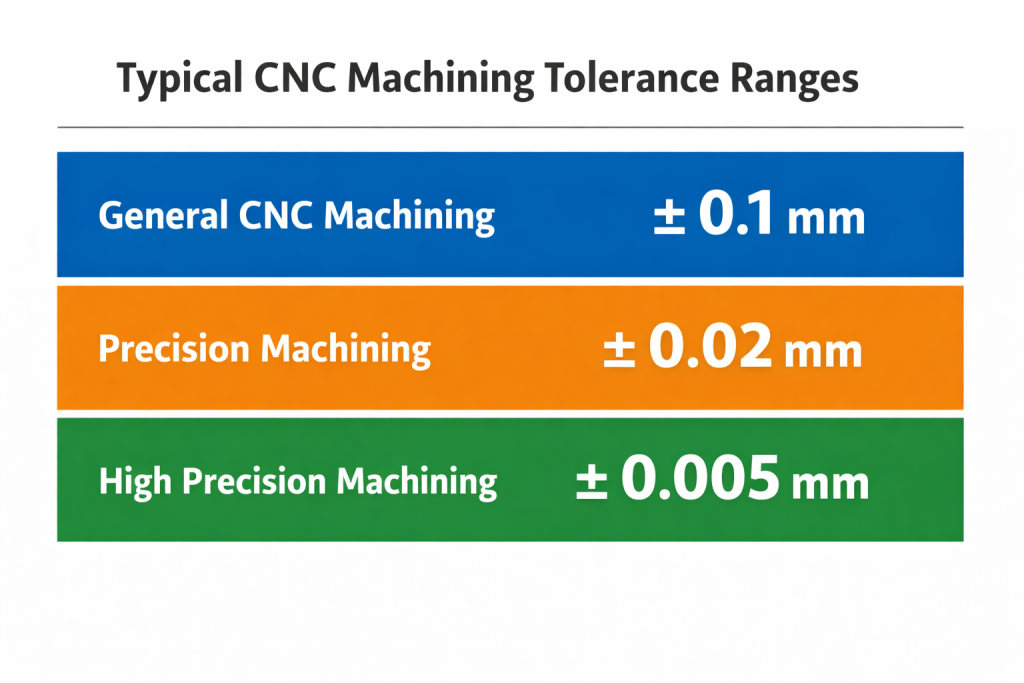
Typical CNC Machining Tolerance Range
Standard CNC machining can typically achieve tolerances within the following range:
- General machining: ±0.1 mm
- Precision machining: ±0.02 mm
- High precision machining: ±0.005 mm
The achievable tolerance depends on machine capability, tooling condition, and part geometry.
ISO 2768 Tolerance Standards
For many CNC machined parts, engineers apply ISO 2768 general tolerance standards. These standards simplify drawings by specifying default tolerances when none are explicitly defined.
ISO 2768 includes several tolerance classes:
- ISO 2768-f (fine)
- ISO 2768-m (medium)
- ISO 2768-c (coarse)
- ISO 2768-v (very coarse)
Most CNC machined components use ISO 2768-m unless tighter tolerances are required.
Tolerance Stack-Up in Assemblies
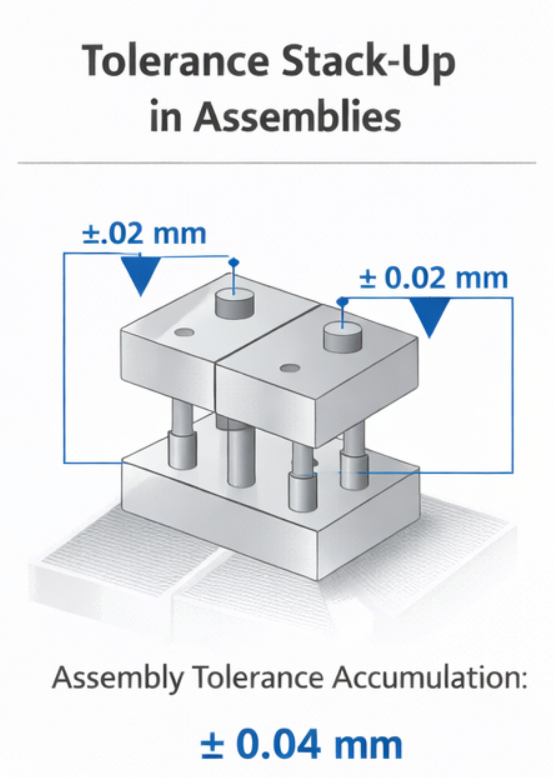
When multiple components are assembled together, individual tolerances accumulate. This phenomenon is known as tolerance stack-up.
Engineers must carefully analyze tolerance chains to prevent assembly problems such as interference or excessive clearance.
Proper tolerance analysis improves product reliability and reduces assembly defects.
How Tolerance Affects CNC Machining Cost
Tighter tolerances increase manufacturing cost due to:
- Slower machining speeds
- Additional finishing operations
- Higher inspection requirements
- More advanced machine tools
Whenever possible, engineers should specify tolerances only as tight as necessary for functional requirements.
Design Guidelines for CNC Machining Tolerances
To optimize manufacturability and cost efficiency, engineers should follow several key tolerance design principles:
- Avoid unnecessarily tight tolerances
- Apply standard tolerance classes when possible
- Use GD&T where functional relationships are critical
- Consider assembly tolerance stack-up
Working closely with manufacturing engineers during the design phase can significantly improve part manufacturability.
Explore More Engineering Guides
Visit the Debaolong Manufacturing Engineering Knowledge Center to explore more insights on CNC machining, 3D printing, and sheet metal fabrication.
Related Engineering Articles