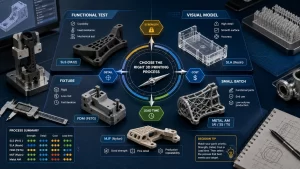


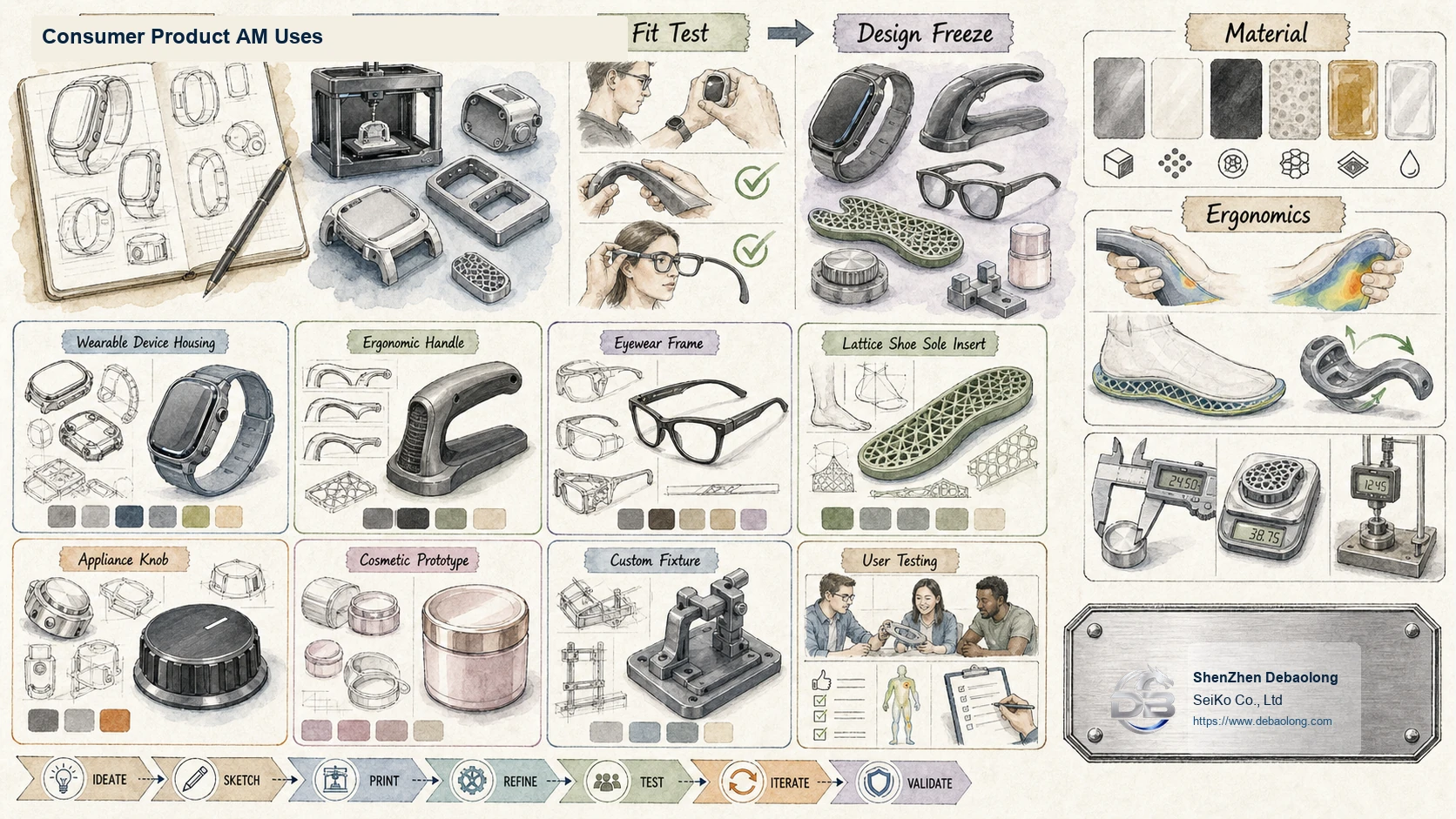
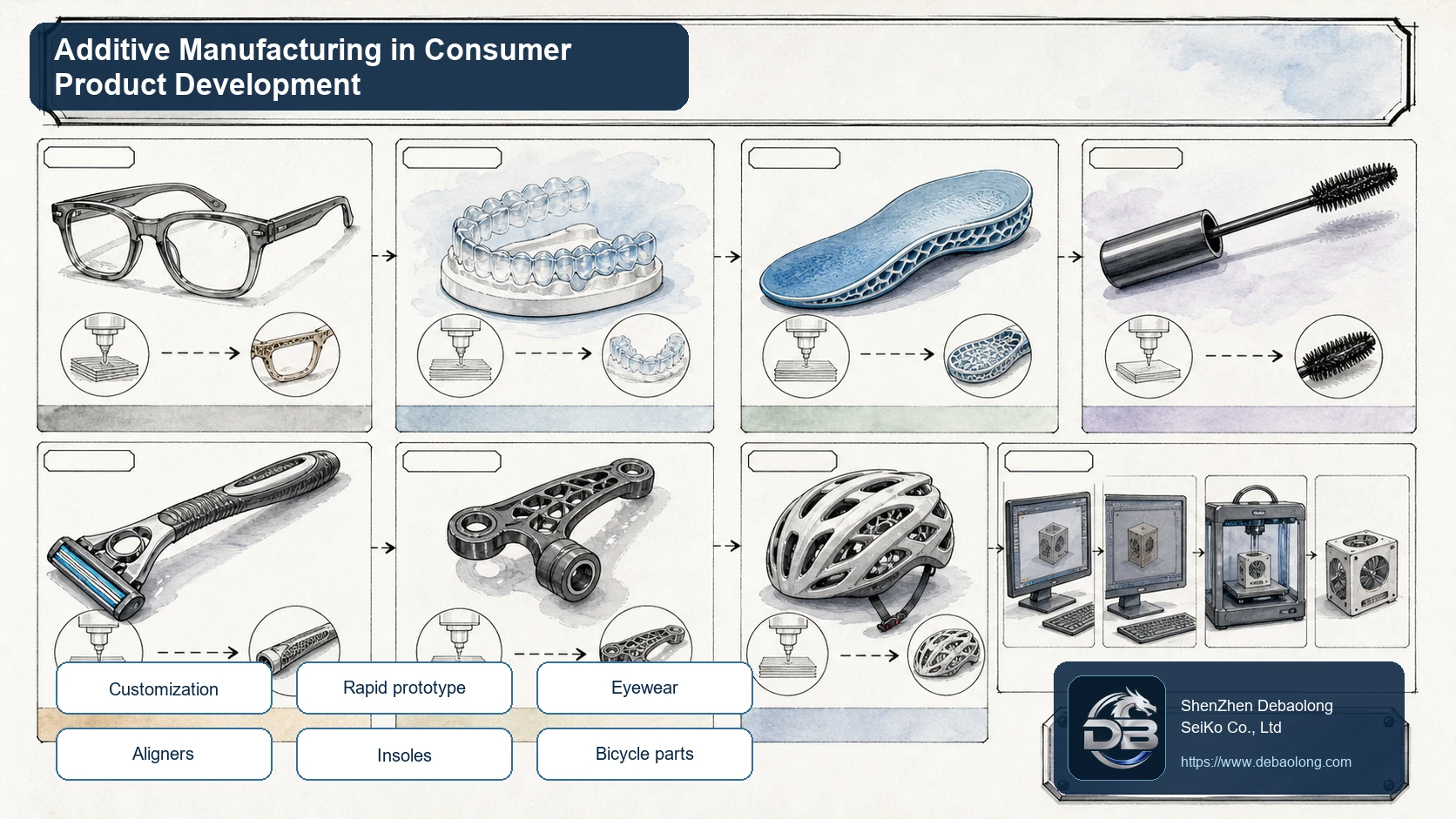
Additive manufacturing supports consumer product development when customization, fast prototypes or complex low-volume parts matter more than the lowest mass-production unit cost. The source article highlights custom-fit products such as eyewear, dental aligners, insoles, cosmetic brushes, razor handles and bicycle components. For teams building consumer hardware, DEBAOLONG’s 3D printing capability is most valuable during concept validation, ergonomic testing, pilot batches and design iteration before tooling. It helps teams test fit, texture, user comfort, assembly clearance and appearance while the product is still flexible enough to change. That physical feedback can prevent poor ergonomic or cosmetic decisions from moving into expensive tooling.
Consumer Products Use 3D Printing for Speed and Fit
Consumer products are judged by comfort, appearance, fit, handling and durability. A printed sample gives designers and buyers physical feedback that CAD alone cannot provide.
Customization and Rapid Prototyping
Customization is one of additive manufacturing’s clearest consumer advantages. Earphones, wearables, insoles, eyewear and device accessories often need geometry adapted to individual users or small market segments.
Rapid prototyping shortens design cycles. Jewelry, packaging, household products and electronics accessories can be printed, evaluated and revised before tooling or larger production begins.
Commercial Consumer Applications
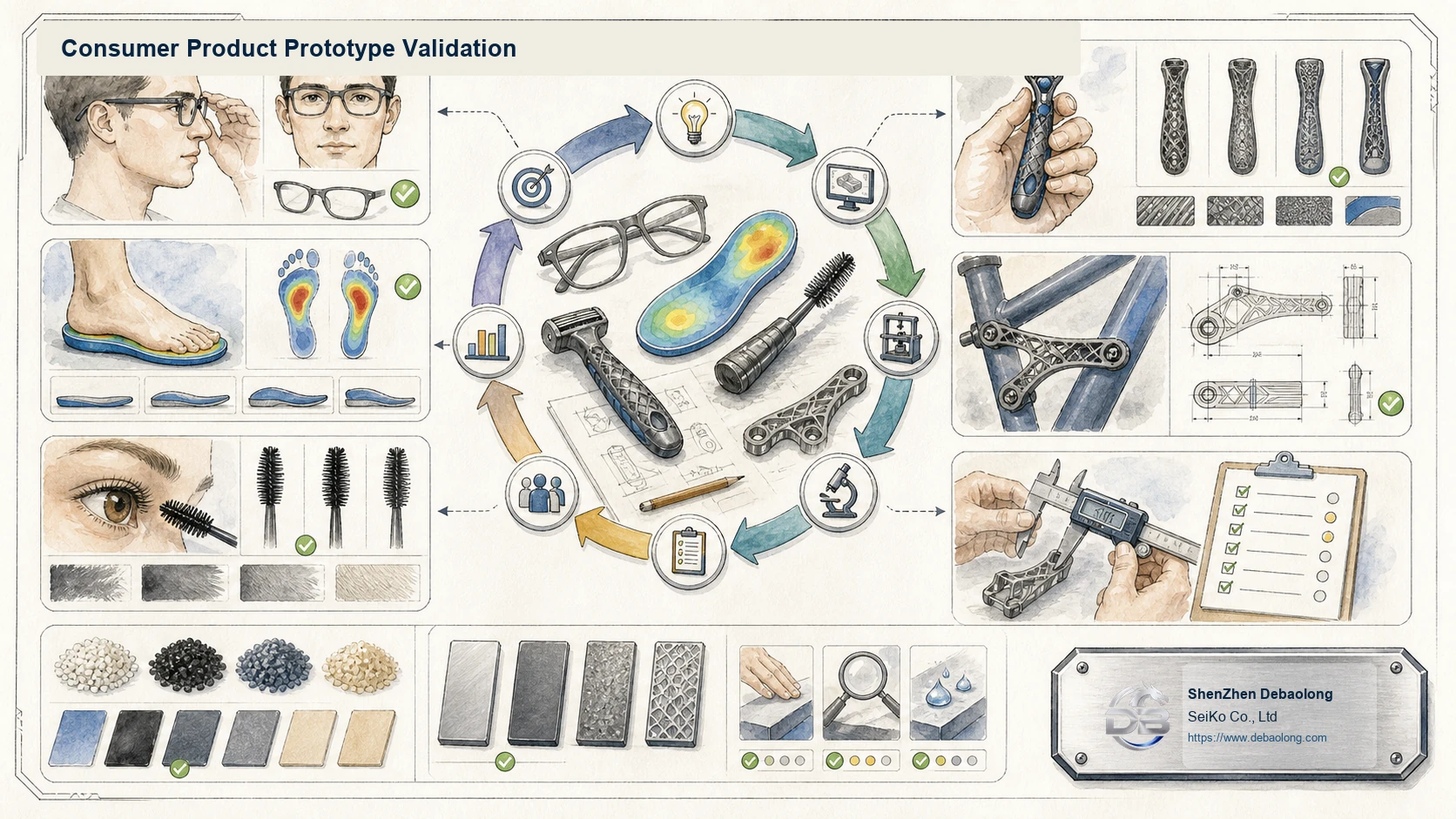
Eyewear frames can use printed geometry for fit trials, style testing or short-run designs. Dental aligner workflows use digital models and staged production logic. Insoles benefit from user-specific contours and controlled cushioning zones.
Mascara brushes, razor handles, bicycle parts and helmets show a broader lesson: additive manufacturing can test shape, texture, weight and assembly before a product is frozen.
Desktop Printing, Digital Manufacturing and Limits
Desktop 3D printing is useful for early models, fixtures and basic appearance checks. Industrial additive manufacturing gives better material control, repeatability and finishing options for more serious product development.
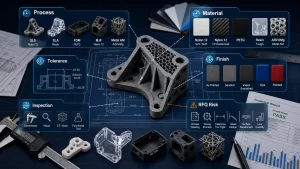
Material choice remains critical. Consumer parts may need skin contact safety, heat resistance, UV stability, color, smooth finish or cleaning resistance. Review the material route through all materials before selecting a process.
DEBAOLONG Consumer Product Review
DEBAOLONG reviews consumer product prints for material, surface finish, tolerance, fit, cleaning, assembly and production intent. The knowledge center can help teams decide when to stay with 3D printing and when to move to CNC machining, sheet metal or injection molding.
Related Services
For related manufacturing support, review CNC machining, sheet metal fabrication, and 3D printing services, with injection molding support available for plastic production programs.