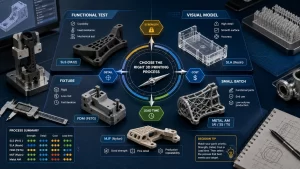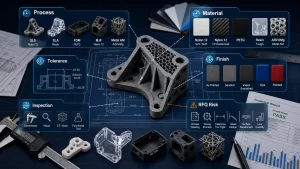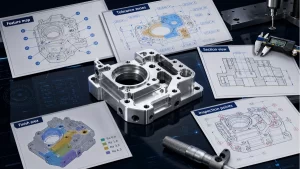
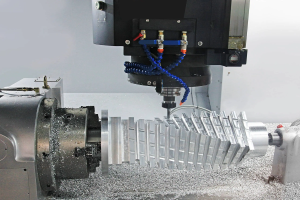


Desktop and industrial SLA 3D printing both cure liquid resin with light, but they solve different manufacturing problems. Desktop SLA is useful for small, detailed prototypes, concept models, jewelry-like details, dental-style models and visual parts where build size and throughput are limited. Industrial SLA offers larger build volume, stronger process control, better repeatability, more reliable material handling and better suitability for engineering prototypes or low-volume production checks. For buyers using DEBAOLONG’s 3D printing support, the choice should be based on part size, detail, resin properties, support removal, post-curing, cosmetic finish, tolerance and the number of parts needed. In practice, the best choice is the process route that meets the real engineering requirement while keeping tolerance, finish, inspection, application risk and lead time under control before production begins.
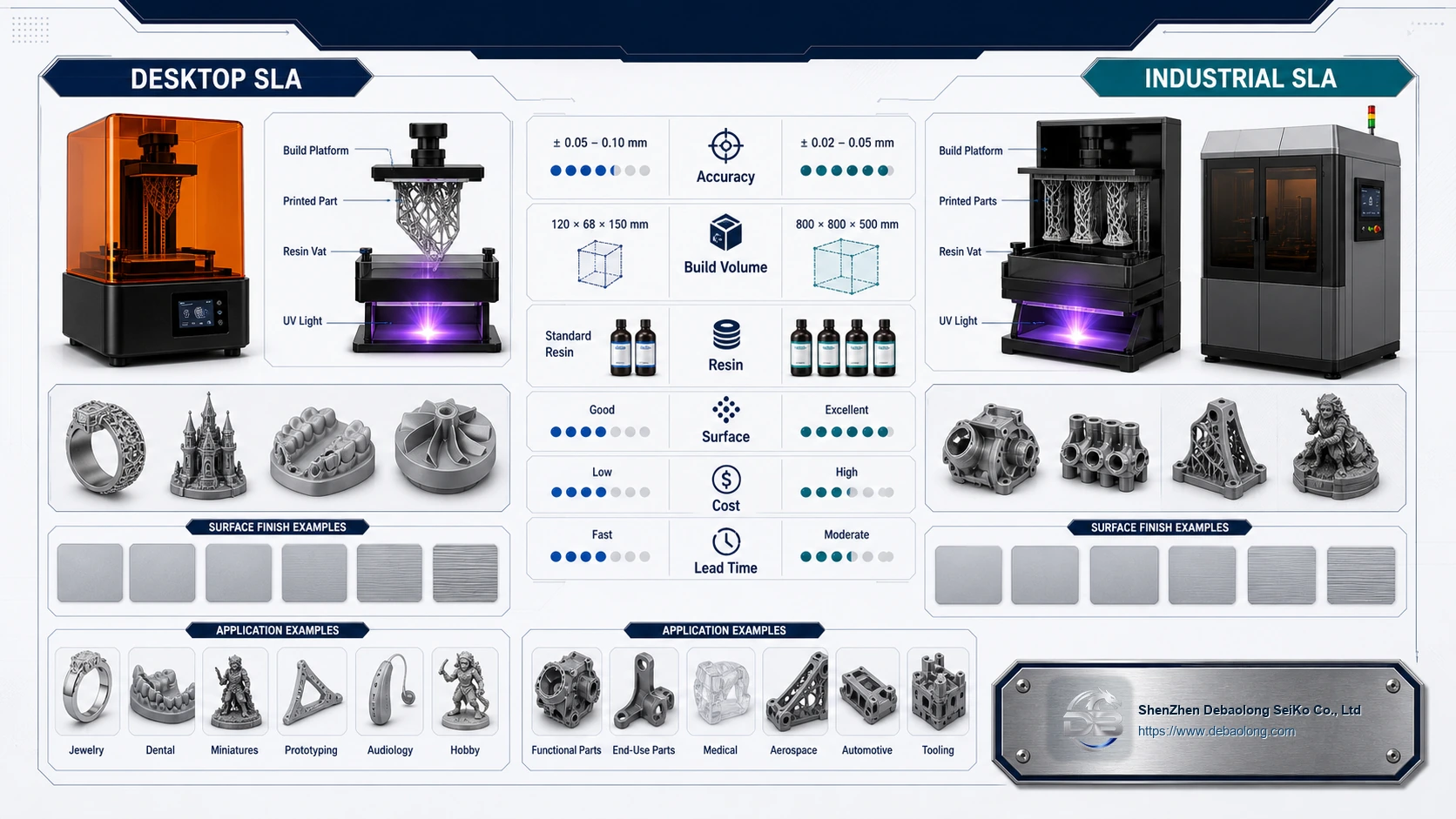
How to Choose Between Desktop and Industrial SLA
The source article separates the topic into desktop SLA features, applications, limits, industrial SLA features, applications, limits, and the key differences. The practical takeaway is simple: desktop SLA is convenient and detailed, while industrial SLA is better when consistency, build envelope and production discipline matter.
Desktop SLA: Strengths, Applications and Limits
Desktop SLA machines are attractive because they can produce fine details and smooth surfaces without high setup cost. They are often used for presentation models, small fit checks, consumer product details, educational parts and early engineering reviews.
The limits are build size, resin handling, post-processing workload, material performance and repeatability. A desktop print can look excellent but still be too brittle, too small or too inconsistent for a functional engineering test.
Industrial SLA: Where It Adds Value
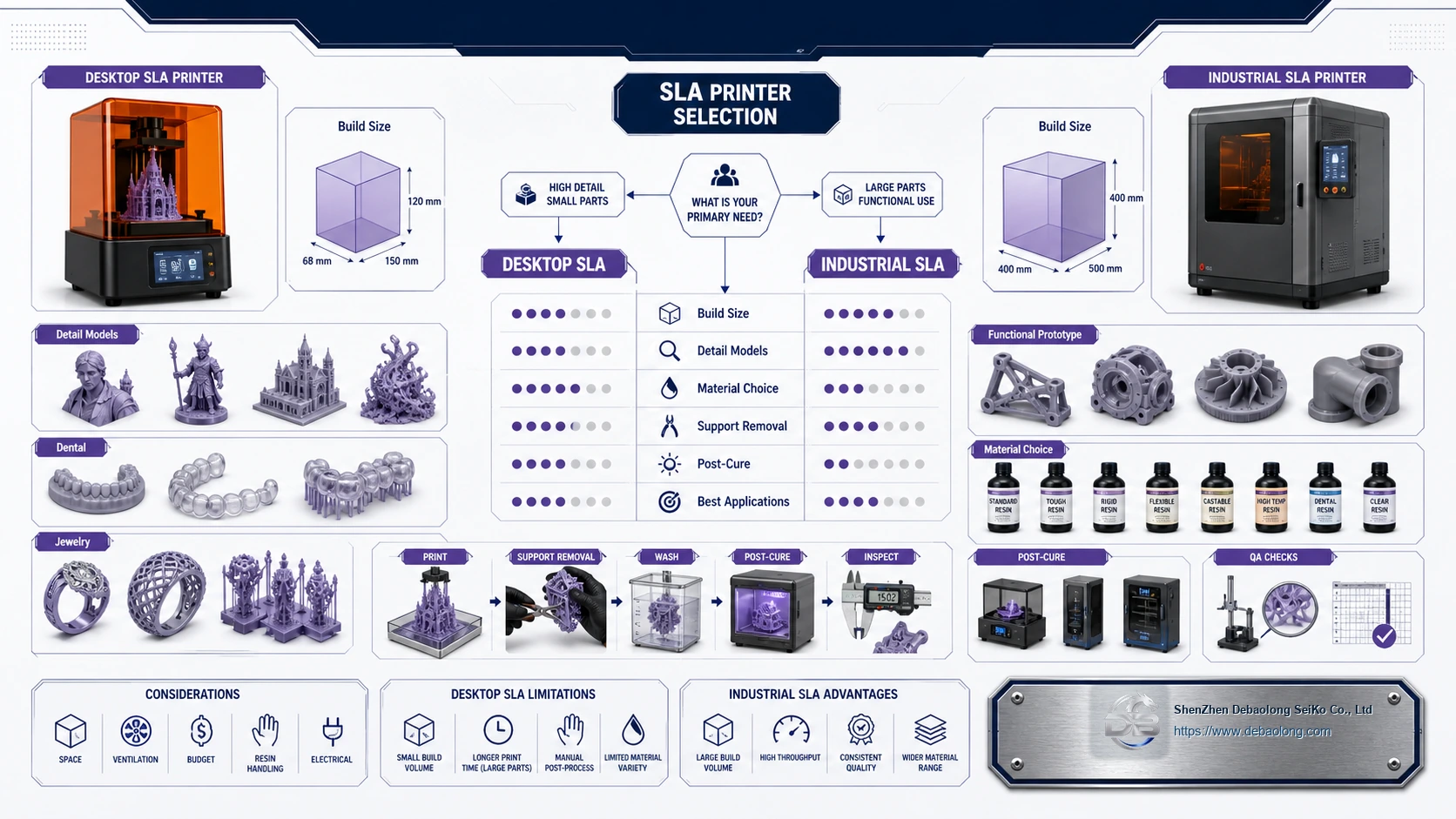
Industrial SLA systems provide larger build chambers, more stable optical control, controlled material handling and a better production workflow. That makes them more suitable for larger prototypes, multi-part batches, detailed housings, fluid-looking transparent parts and complex forms that need high surface quality.
Material choice is still critical. Standard, tough, high-temperature, clear and castable resin families behave differently; compare resin needs through all materials before treating SLA as a production substitute.
Design and Post-Processing Factors
SLA parts need support structures, washing and UV post-curing. Support scars, trapped resin, wall thickness, drainage, orientation and cosmetic faces must be planned before printing. Tolerance depends on resin, geometry, machine calibration and post-cure distortion.
A good SLA design review identifies which surfaces must be smooth, which dimensions must be controlled and which features can tolerate support marks.
DEBAOLONG Selection Review
DEBAOLONG reviews SLA projects against geometry, detail, resin, surface finish, build volume and delivery needs. For broader process comparison, use the manufacturing engineering knowledge center to compare SLA with FDM, SLS, MJF, CNC machining and injection molding.
Related Services
Related DEBAOLONG capabilities include 3D printing, CNC machining, sheet metal fabrication, injection molding, material selection support and manufacturing engineering review.