

Sheet metal fabrication converts flat metal stock into brackets, panels, housings, enclosures, covers, frames and structural components through cutting, forming, joining and finishing. The source article explains material removal, laser cutting, waterjet cutting, plasma cutting, fabrication advantages and industries that use sheet metal. For DEBAOLONG’s sheet metal fabrication service, the key is to choose a process chain that fits thickness, tolerance, edge quality, bend geometry, finish and production volume. A good drawing connects the flat pattern, bend sequence, hardware, welding and cosmetic requirements from the beginning. That prevents cut profiles from becoming difficult to form or finish later.
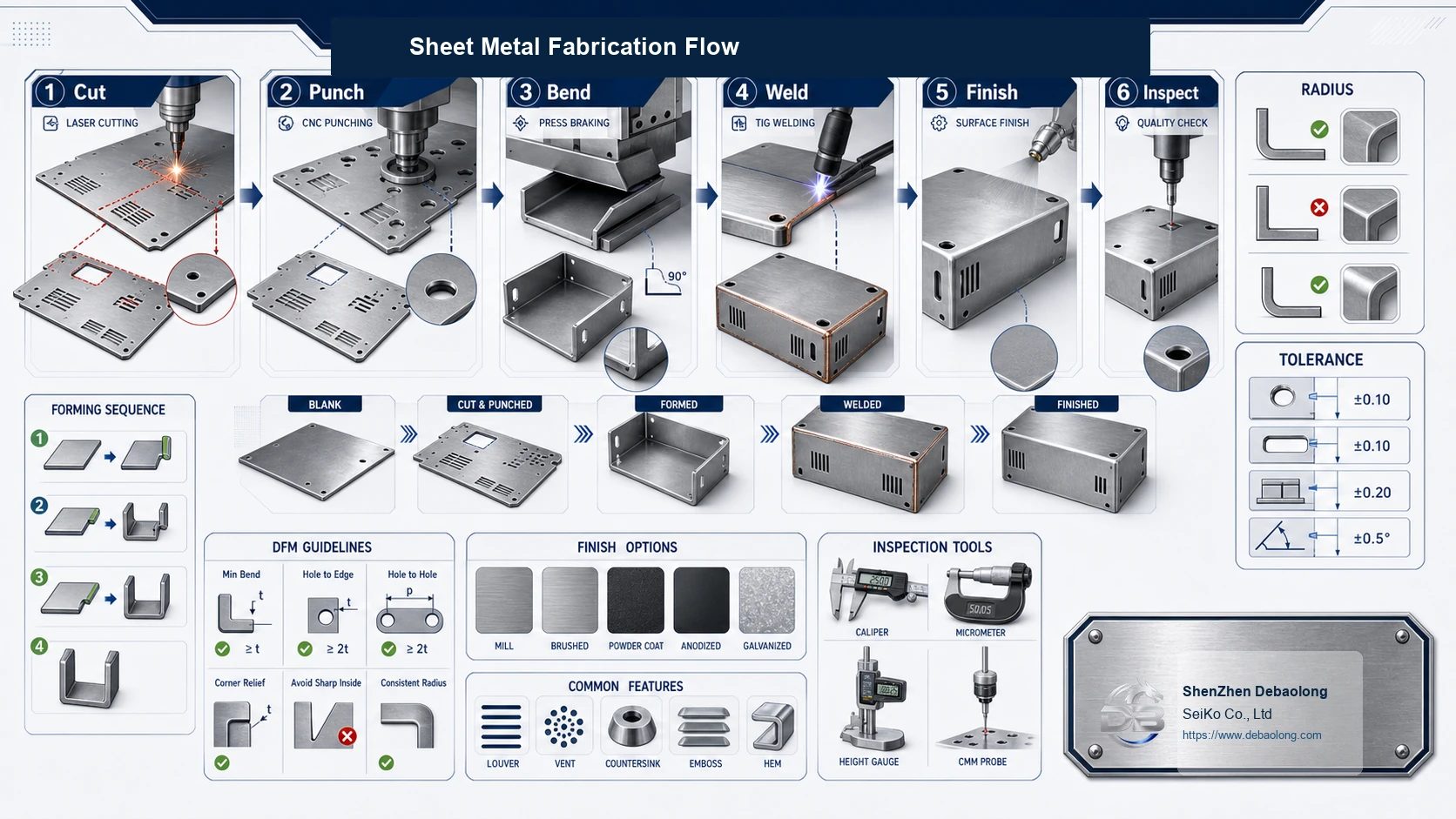
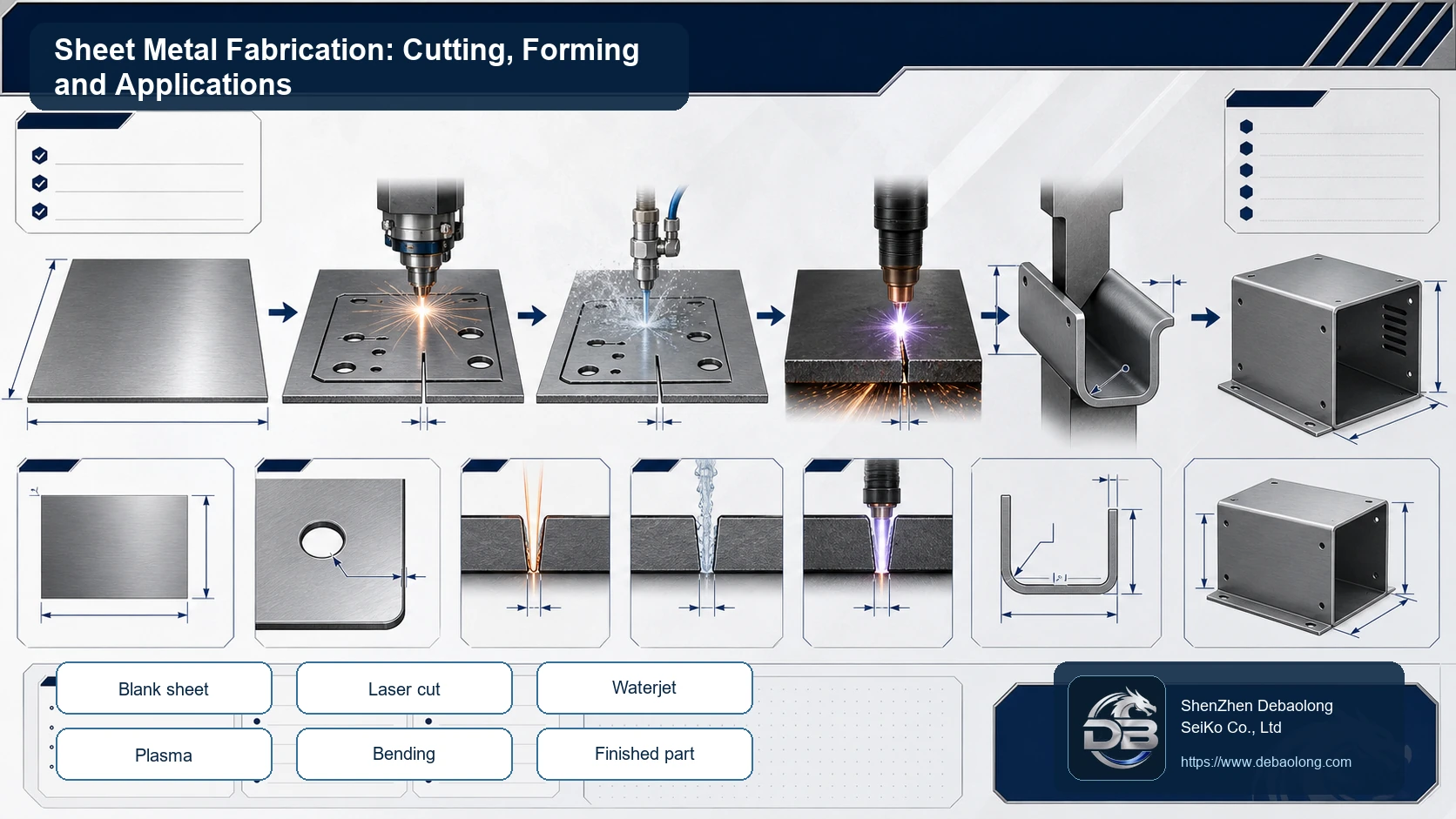
Sheet Metal Fabrication Turns Flat Stock Into Useful Parts
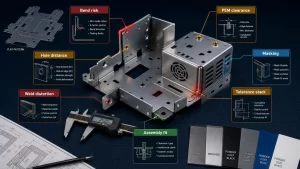
A sheet metal part is not only a flat profile. Cutting affects edges, bending changes dimensions, welding adds distortion risk, and finishing changes surfaces. Good design connects these steps before release.
Material Removal and Cutting Methods
Material removal creates the flat blank, slots, holes and profiles needed before forming. Laser cutting is fast and precise for many thin to medium sheet parts, especially when clean edges and complex profiles matter.
Waterjet cutting avoids heat-affected zones and can cut thicker or heat-sensitive materials. Plasma cutting is useful for conductive metals, especially thicker plate where speed and economy matter more than fine edge precision.
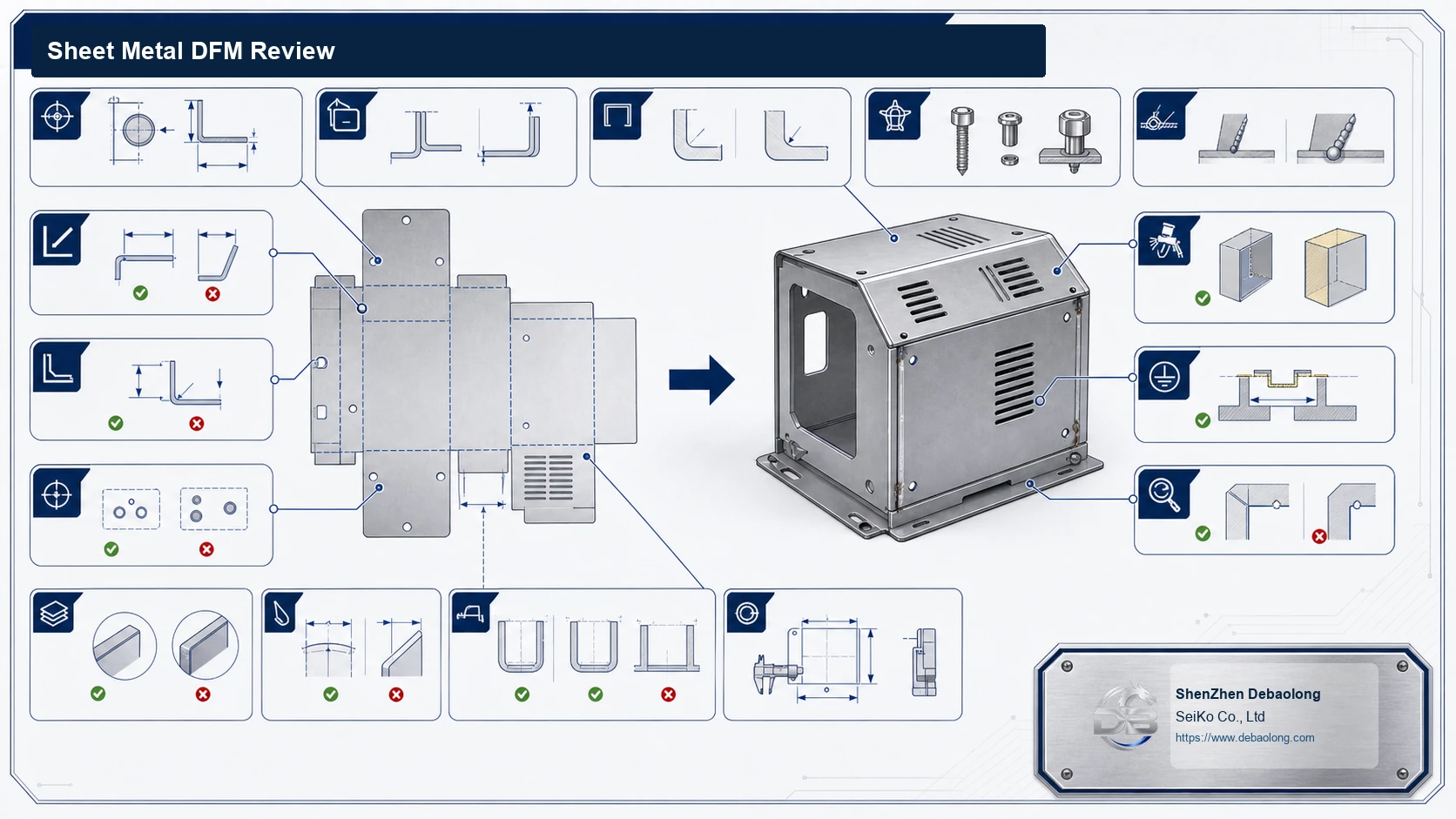
Bending, Forming and Downstream Operations
After cutting, press brake bending and other forming operations create flanges, channels, brackets and enclosure shapes. Bend radius, flange length, hole-to-bend distance and grain direction all affect whether the part forms cleanly.
Downstream steps may include hardware insertion, welding, grinding, polishing, powder coating, anodizing, plating or inspection. These operations should be planned before holes, seams and cosmetic faces are finalized.
Advantages and Applications
Sheet metal fabrication is strong for durable, lightweight, scalable parts. It supports prototypes, low-volume production and repeat manufacturing with a wide material range and practical cost structure.
Industries use sheet metal in electronics, robotics, automotive, medical equipment, machinery, energy systems and consumer products. Material selection should be checked through all materials before the drawing is released.
DEBAOLONG Fabrication Review
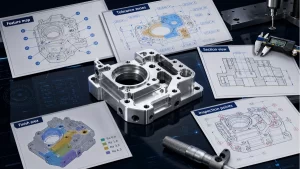
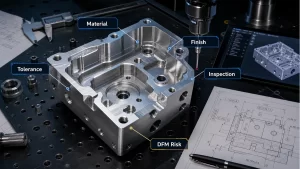
DEBAOLONG reviews sheet metal designs for material, thickness, cutting method, bend sequence, hardware, welding, finish and inspection. For broader process planning, visit the manufacturing engineering knowledge center.
Related Services
For related manufacturing support, review CNC machining, sheet metal fabrication, and 3D printing services, with injection molding support available for plastic production programs.