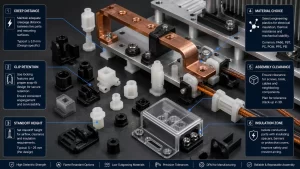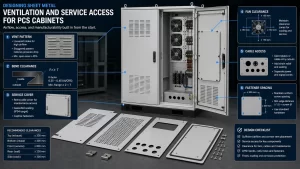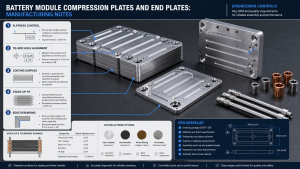


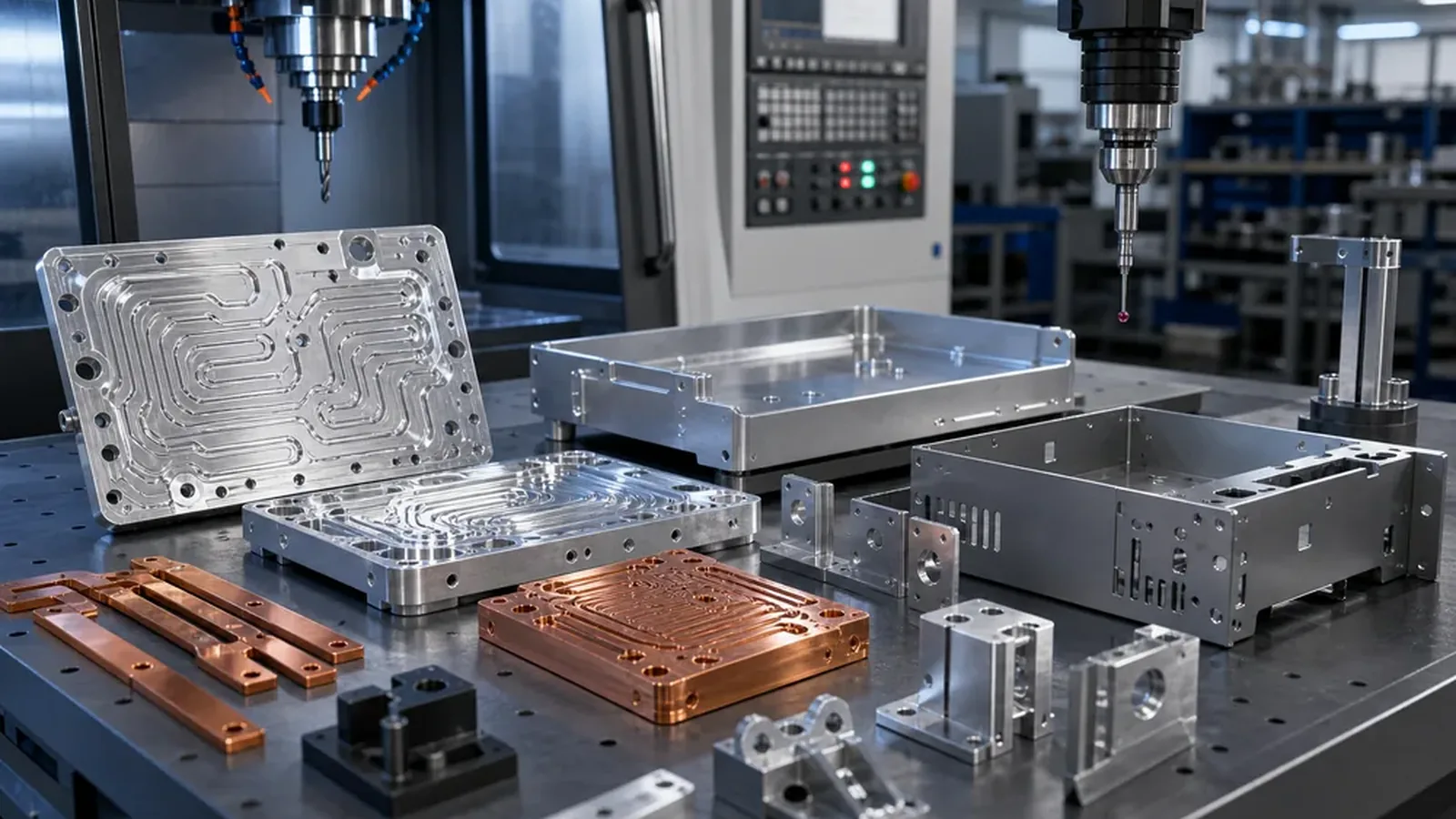
Energy storage product development often needs physical prototypes before final production. Fixtures, test parts and validation models help engineering teams check fit, assembly, cable routing, fastening, service access and manufacturing risk. They also help purchasing teams understand which process is suitable before committing to production tooling or larger batches.
Why Prototypes and Fixtures Matter
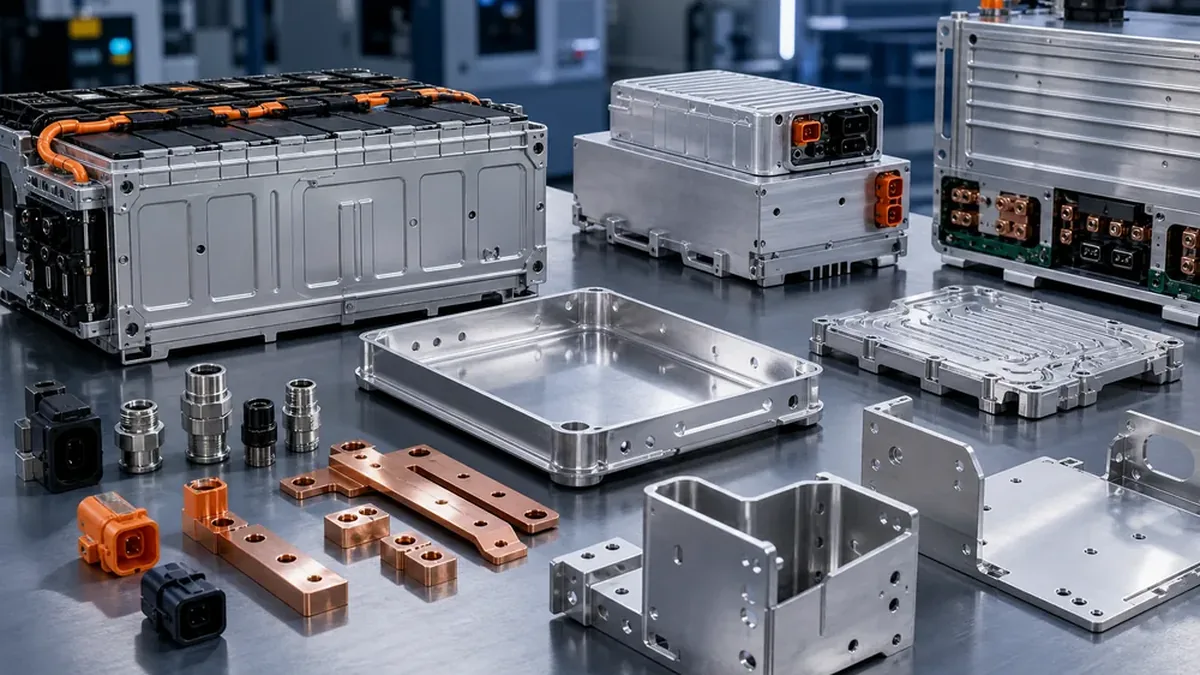
Battery trays, cabinet panels, brackets, conductive supports and module housings may look correct in CAD but still require assembly checks. A prototype can reveal interference, difficult fastener access, cable routing conflicts or tolerance stack-up before production parts are ordered.
3D Printing for Early Validation
3D printing can support visual models, fit-check parts, lightweight fixtures and fast design iteration. It is useful when geometry changes quickly or multiple design options need comparison. Printed parts can also help teams review handling and assembly sequence.
CNC Prototypes for Functional Testing
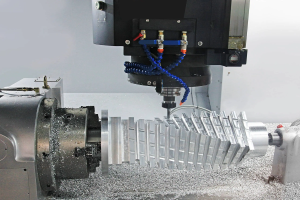
CNC prototypes are useful when final material behavior, threaded features, thermal contact surfaces or structural performance must be checked. CNC machining can produce representative aluminum, copper, steel or plastic parts for more realistic testing.
Sheet Metal Trial Parts for Enclosure Fit
Trial trays, brackets, covers and panels help confirm bend geometry, hole positions, cable access and cabinet fit. This is especially valuable when a design includes multiple formed panels or removable service covers.
Assembly Fixtures and Inspection Fixtures
Fixtures can hold parts during assembly, inspection or testing. Common fixture features include locating pins, datum surfaces, clamps, clearance pockets and repeatable alignment areas. The fixture material should match the expected load, wear and required accuracy.
Transition from Prototype to Production
After validation, drawings should be updated with confirmed dimensions, material, surface finish, tolerances, hardware requirements and inspection points. The production route can then be selected based on quantity, cost and function.
Revision Control and Build Feedback
Prototype projects often change quickly. To avoid confusion, each drawing, STEP file and fixture model should carry a clear revision number. Notes from the first build should be captured before the next version is ordered. These notes may include assembly interference, missing clearance, difficult cable routing, weak fixture clamping or dimensions that were tighter than necessary.
When a prototype moves toward production, the team should decide which prototype features are temporary and which features must remain in the production part. This avoids carrying unnecessary machining details, extra holes or expensive materials into the final manufacturing route.
RFQ Checklist
- Prototype purpose and test plan
- 2D drawings and 3D CAD files
- Material preference or substitute allowance
- Quantity and revision stage
- Critical dimensions and fit areas
- Timeline and production target
How Debaolong Supports Prototype Projects
Debaolong can support 3D printed validation models, CNC machined prototypes, sheet metal trial parts and fixture components for energy storage hardware development. More process guidance is available in the Manufacturing Engineering Knowledge Center.
FAQ
Should early prototypes use final materials?
Not always. Early fit models can use substitute materials, while functional tests may require final or similar materials.
Can sheet metal trial parts reduce production risk?
Yes. Trial panels and trays can reveal bend, access and assembly issues before volume production.
When should CNC prototypes be used?
Use CNC prototypes when threaded features, mounting faces, heat transfer or material performance must be tested.
Can prototype fixtures later become production fixtures?
Sometimes. A prototype fixture may guide the production fixture design, but material, wear and repeatability should be reviewed again.
Need prototype energy hardware? Send drawings and requirements through the Energy Storage & Power Electronics Components page.
Related Engineering Resources