

Power electronics assemblies often need heat sinks, heat spreaders and thermal plates to move heat away from devices and into a controlled structure. These parts are used in inverters, PCS hardware, charging modules, converters and industrial control equipment. The manufacturing route depends on geometry, material, volume, thermal contact requirements and inspection needs.
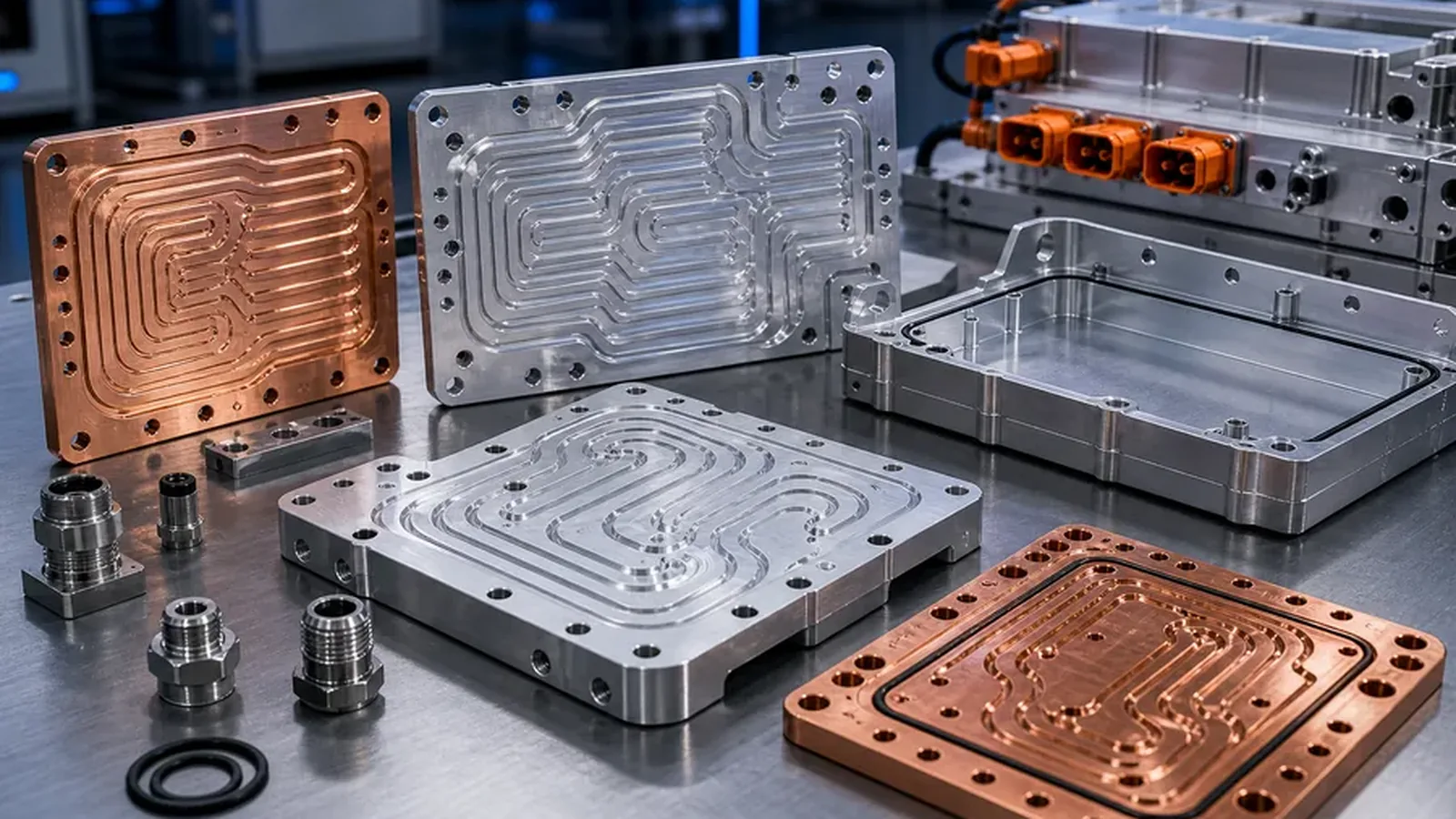
Heat Sink and Thermal Plate Applications
Heat sinks may use fins, ribs, machined surfaces or mounting features to increase heat dissipation. Thermal plates and heat spreaders may provide a flat interface between power modules and a larger structure. In some projects, cold plates may be considered, but heat sinks and thermal plates remain important for many air-cooled or structure-cooled assemblies.
Manufacturing Route Selection
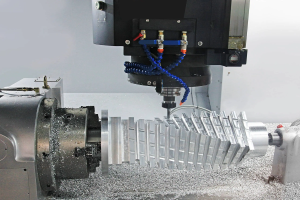
CNC machining is useful for prototypes, precise mounting faces, custom pockets, threaded holes and low-to-medium volume thermal plates. Extrusion may suit long finned profiles at higher volume. Fabrication or die casting may be considered when the design and production quantity support tooling.
Aluminum and Copper Choices
Aluminum is widely used because it is lightweight, machinable and cost-effective. Copper offers higher thermal conductivity but is heavier and may require more careful machining. Some designs combine copper thermal contact areas with aluminum structures to balance weight, cost and performance.
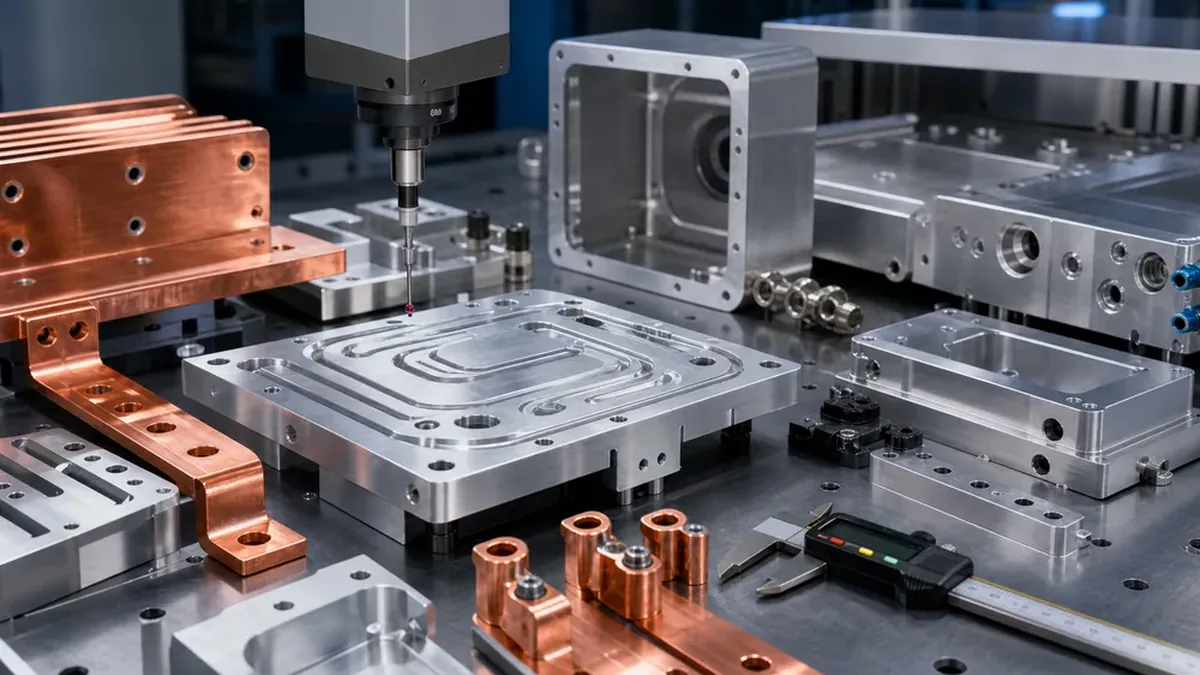
Fin Geometry and Thermal Contact Surfaces
Fin height, thickness and spacing should match manufacturing capability and airflow conditions. Thermal contact surfaces should identify flatness, surface roughness and mounting pressure requirements. Sharp internal corners, very deep narrow slots and excessive thin fins may increase cost or reduce consistency.
Surface Finishing and Protection
Anodizing, nickel plating, polishing or other surface treatments may be selected depending on material, corrosion needs and appearance. Designers should confirm whether the thermal contact surface needs masking or a specific finish.
Inspection and Quality Checks
Inspection may include flatness checks, hole position, thread quality, fin dimensions, surface roughness review and visual finish checks. Inspection reports can be prepared according to customer requirements where applicable.
Drawing Details That Help Quotation
Thermal parts are easier to quote when the drawing clearly separates heat-transfer surfaces from non-critical surfaces. Marking the required flatness, surface roughness and coating restrictions helps avoid over-processing the whole part. If the thermal plate connects to another module, the drawing should also show mounting pressure areas, screw locations and any gasket or insulation interfaces.
For early prototypes, customers can share the target function even if the final thermal design is still changing. This helps Debaolong suggest whether CNC machining, a simplified prototype geometry or a later production-oriented process is more practical.
RFQ Checklist
- Thermal plate or heat sink drawing
- Material and finish requirements
- Critical thermal contact surfaces
- Flatness and surface roughness notes
- Quantity and production volume
- Assembly and inspection requirements
How Debaolong Supports Thermal Hardware
Debaolong can manufacture CNC machined heat sinks, thermal plates, mounting blocks and related power electronics hardware. For design comparison, see the heat sinks vs cold plates guide.
FAQ
Are heat sinks the same as cold plates?
No. Heat sinks typically rely on air or structure, while cold plates use coolant paths. Each option fits different thermal requirements.
Is copper always better than aluminum?
No. Copper has higher conductivity, but aluminum may be better for weight, cost, machinability and many structural requirements.
Can CNC machining support thermal prototypes?
Yes. CNC machining is useful for prototype heat sinks, thermal plates and heat spreaders with precise features.
What should be specified for thermal contact areas?
Flatness, surface finish, critical dimensions, coating limits and inspection requirements should be clearly marked.
Need custom heat sinks or thermal plates? Send drawings through the Energy Storage & Power Electronics Components page.
Related Engineering Resources