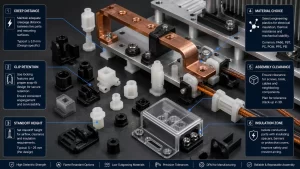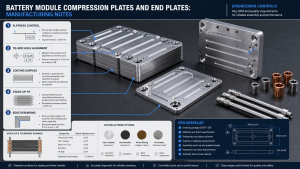


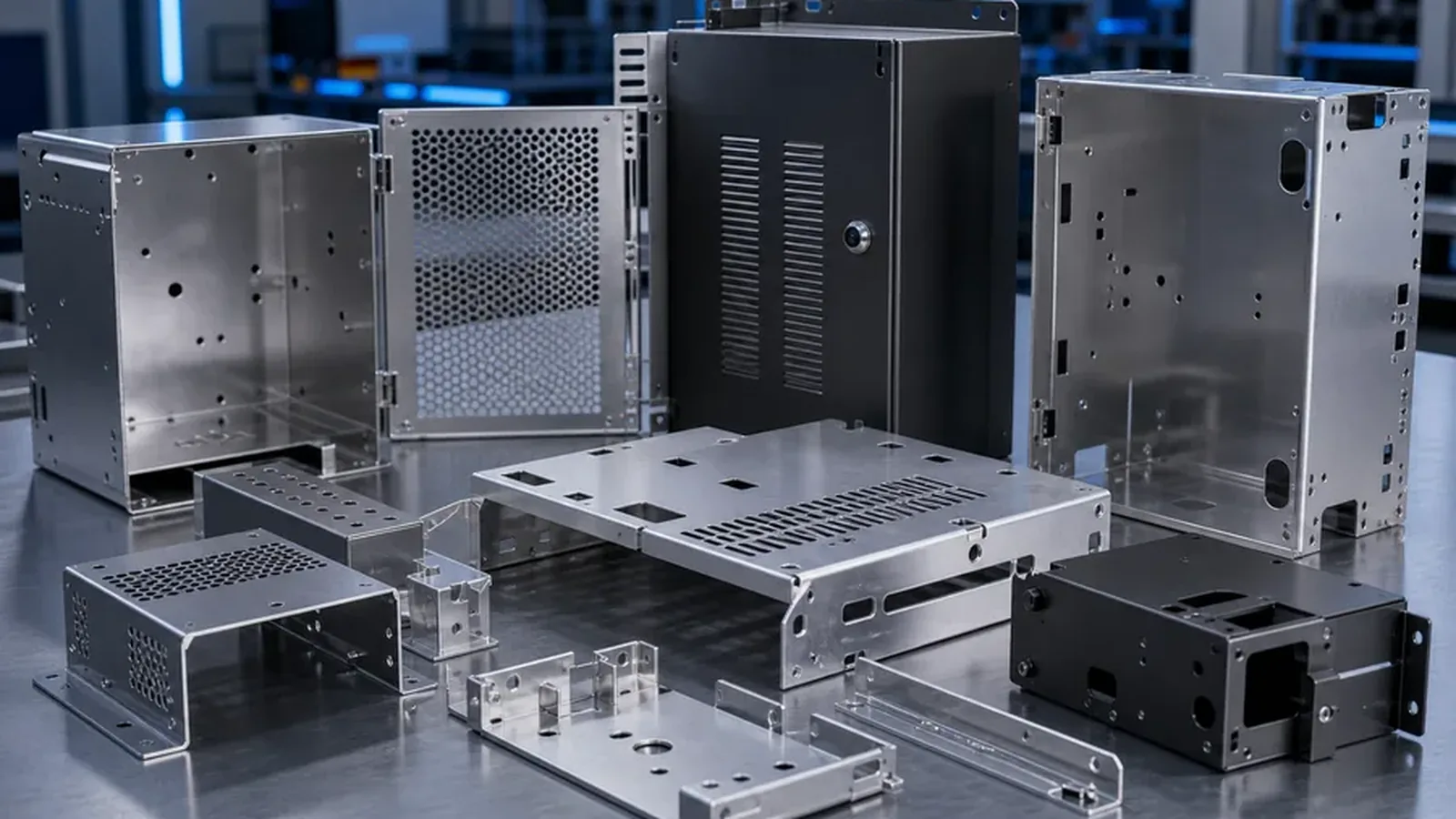
Sheet metal enclosures are not just outer covers for energy storage and power electronics systems. They define how battery modules, PCS hardware, inverter assemblies, control boards, cooling parts, cable routes and service panels are protected and assembled. A good enclosure design helps the project move from prototype to production with fewer changes, clearer inspection points and better assembly fit.
Why Enclosure Design Matters in Energy Equipment
Energy storage cabinets and power electronics boxes must protect components while still allowing assembly, wiring, inspection and maintenance. Trays, panels, doors, internal brackets and removable covers all affect the mechanical structure. If the sheet metal layout is not planned early, later changes can create interference, weak mounting points, coating issues or difficult service access.
Common Sheet Metal Part Types
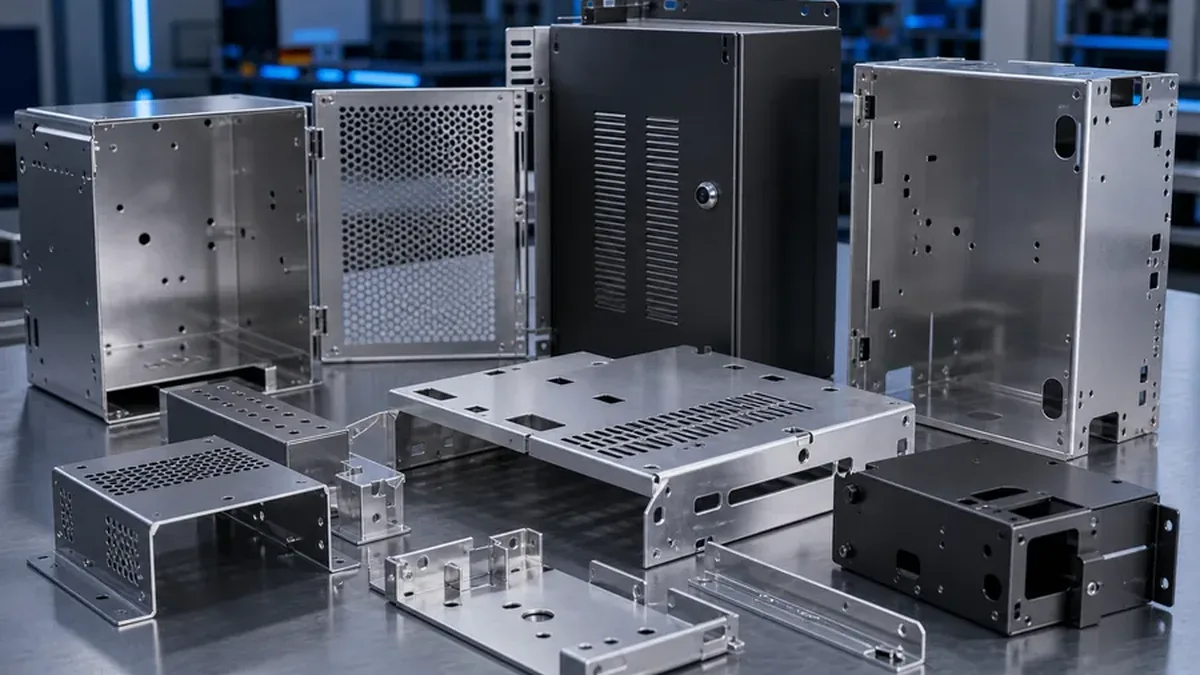
Typical components include battery trays, cabinet panels, protective covers, access doors, busbar guards, cable routing plates, equipment shelves and formed brackets. Debaolong supports these parts through sheet metal fabrication, bending, cutting, finishing and inspection according to customer drawings.
Material and Thickness Selection
Aluminum can reduce weight and offers good corrosion resistance after finishing. Stainless steel is useful when corrosion resistance and durability are important. Carbon steel can be a cost-effective option for strong coated cabinet structures. Thickness should match load, bending radius, fastening style, surface finish and expected handling during assembly.
DFM Notes for Bends, Holes and Access
Designers should check bend radius, hole distance from bend lines, tab width, slot width, weld areas and screw access. Mounting holes that are too close to bends may deform. Oversized ventilation cutouts may reduce stiffness. Service panels need enough clearance for tools, cables and replacement parts. Early drawing review helps reduce rework before production.
Ventilation, Wiring and Serviceability
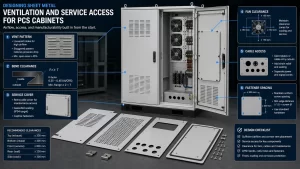
Ventilation openings, cable exits, grounding areas and connector access should be placed with the full assembly in mind. A panel that looks clean in CAD may be difficult to assemble if fasteners are hidden behind modules or if cable bend radius is ignored. Removable covers and clear fastening patterns make field service easier.
Surface Finishing and Inspection
Powder coating, anodizing, plating or passivation may be selected depending on material and environment. Finishing requirements should identify masked areas, grounding contact surfaces, color, texture and corrosion needs. Inspection can include dimensions, bend angles, hole positions, flatness, coating appearance and assembly fit checks where applicable.
RFQ Checklist
- 2D drawings and 3D files
- Material grade and sheet thickness
- Quantity and target lead time
- Bending, welding, hardware or insert requirements
- Powder coating, anodizing or plating requirements
- Critical dimensions, inspection points and assembly notes
How Debaolong Supports Enclosure Projects
Debaolong can review drawings, manufacture prototype panels, support small batches and produce sheet metal enclosure parts for energy storage and power electronics hardware. Related engineering topics are available in the Manufacturing Engineering Knowledge Center, including sheet metal bending design tips.
FAQ
What material is common for energy storage enclosures?
Aluminum, stainless steel and coated carbon steel are common choices. The best option depends on weight, strength, corrosion, finishing and cost requirements.
Can prototype panels be made before cabinet production?
Yes. Prototype trays, covers and cabinet panels help confirm fit, access, fastening and assembly sequence before larger production batches.
Should coating requirements be shown on drawings?
Yes. Coating type, color, texture, masking areas and functional contact surfaces should be clear before quotation.
How can enclosure cost be reduced?
Use practical bend radii, avoid unnecessary tight tolerances, simplify hardware, reduce complex welding where possible and confirm finish requirements early.
Need custom energy enclosure parts? Send drawings, STEP files, material, thickness, finish and quantity requirements through the Energy Storage & Power Electronics Components page.
Related Engineering Resources