
Given the wide range of plastics available in the design and manufacturing community, each with unique properties that can differ significantly from its counterparts, it’s no surprise that finding the best material for an application can be challenging.
Fortunately, there’s no shortage of high-quality materials, and unless you’re operating in extreme environments, a few options usually rise to the top due to their versatility. Polypropylene (PP) and polyethylene (PE)—including high-density polyethylene (HDPE), low-density polyethylene (LDPE), and linear low-density polyethylene (LLDPE)—are similar materials whose properties make both fan favorites across a variety of applications.

Introducing Polypropylene and Polyethylene
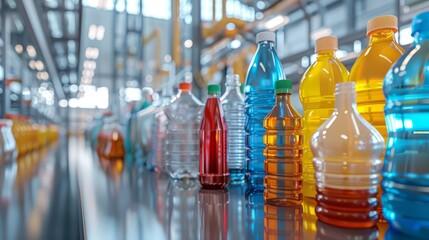
We’ll dive into each in detail shortly, but in general, PP and PE are tough yet relatively flexible, electrically insulating, resistant to most chemicals, lightweight, and cost-effective. Because of this, they’re widely used in pipes and fittings, medical parts, various consumer goods, and more. For example, the microwaveable bowl holding the stew you brought for lunch today is almost certainly made of polypropylene, while the bag you carried it in is likely polyethylene.
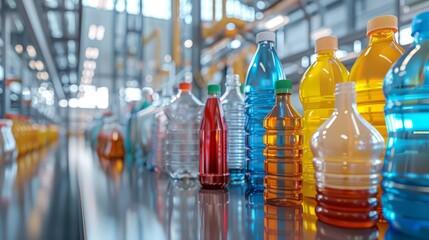
Partly thanks to The Beatles and their classic song “Polyethylene Pam,” polyethylene has become one of the most widely recognized polymers of all. As mentioned, it’s often the material of choice for plastic bags and many other films but is also used extensively in children’s toys, automotive parts, electrical and electronic insulators, milk jugs, detergent bottles, and anywhere a lightweight, strong, and heat-resistant polymer is needed.
While we offer variations of both materials, it’s important to recognize key differences among the three categories of PE. Due to its higher density and molecular weight, HDPE is stiffer and has greater tensile strength than LDPE, which is quite flexible and elastic. LLDPE, thanks to the linear arrangement of its molecular chains, is the most flexible of all and an excellent choice for “living hinges” on many containers.
High-Density Polyethylene (HDPE)
- Impact resistance
- Crack resistance
- Durability
Low-Density Polyethylene (LDPE)
- Excellent aesthetics
- Flexibility
- Impact resistance and ESCR (Environmental Stress Crack Resistance)
Linear Low-Density Polyethylene (LLDPE)
- Flexibility even at low temperatures
- Impact resistance
- Puncture resistance

Distinguishing Between Polypropylene and Polyethylene
While LLDPE makes excellent hinges, do you know what’s even more flexible? Polypropylene. In fact, most grades of PP are winners in any contest where flexibility and fatigue resistance are key determinants, which is why this versatile polymer is used in ropes, carpets, car bumpers, roofing, and many other applications that often overlap with the PE family. PP is also lighter, stiffer, slightly more chemical resistant (but not by much), marginally less strong, and a bit cheaper (again, not by much) than PE.
Perhaps the most significant difference between PE and PP is their operating temperature ranges. LDPE melts in the 105-115°C (220-240°F) range, HDPE melts at 130-137°C (266-279°F), LLDPE falls in between, while PP can withstand temperatures up to 160°C (320°F). This makes it more suitable for medical parts that must be sterilized. Conversely, PE is more resistant to extreme cold (down to -80ºC or -112°F), whereas PP starts to fail at freezing temperatures.
Other differentiating factors include:
- LDPE is transparent, and some PE can be made optically clear, but PP is almost always translucent (like the milk jugs just mentioned).
- Polyethylene is a better electrical insulator but tends to build up static electricity, which is why certain grades come with antistatic fillers.
- PP is stiffer than PE and more resistant to chemicals and organic solvents.
- PE is more susceptible to UV radiation but can be protected with additives. It is also more flammable.
- Both are FDA-approved for food applications. Most are also considered medical-grade plastics.
- Polyethylene has better weldability, but polypropylene is known to have better weld strength.
Manufacturing Polypropylene and Polyethylene
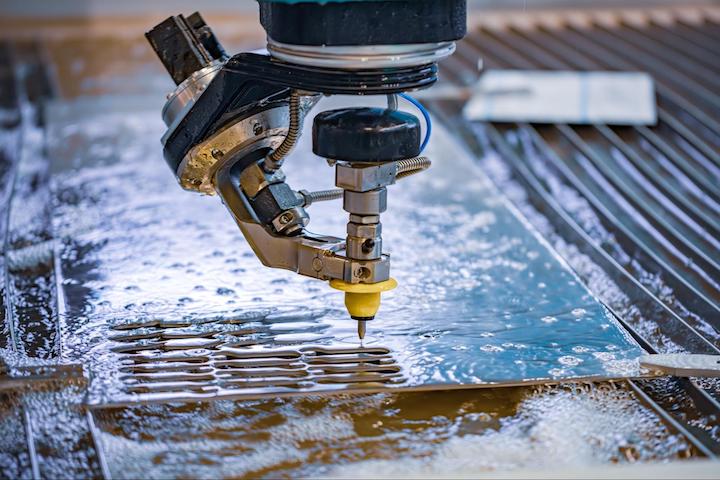
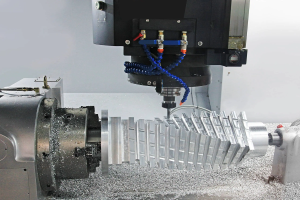
What about the final piece: manufacturability? With one exception, the similarities continue. Like most polymers, PP and PE are highly machinable. Tool wear is almost nonexistent, and cutting forces are low.
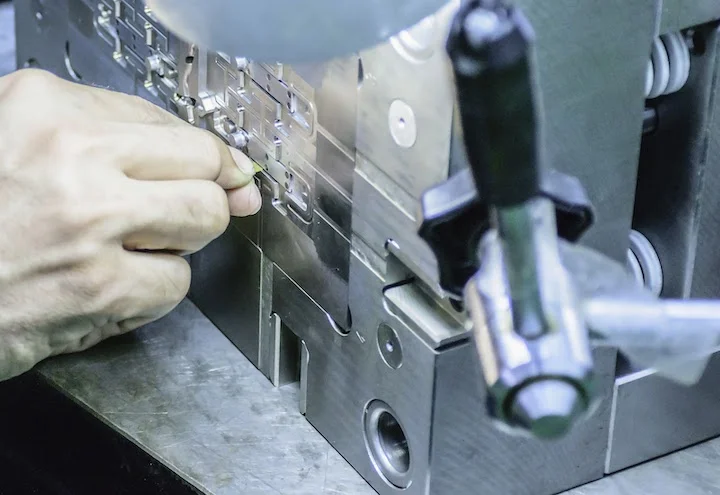
As you might have gathered from the many mentions of water jugs, containers, toys, automotive parts, and similar mass-produced consumer goods, both plastics are also 注塑成型. If you’re looking for other best practices for molding plastics, visit our library of design tips.
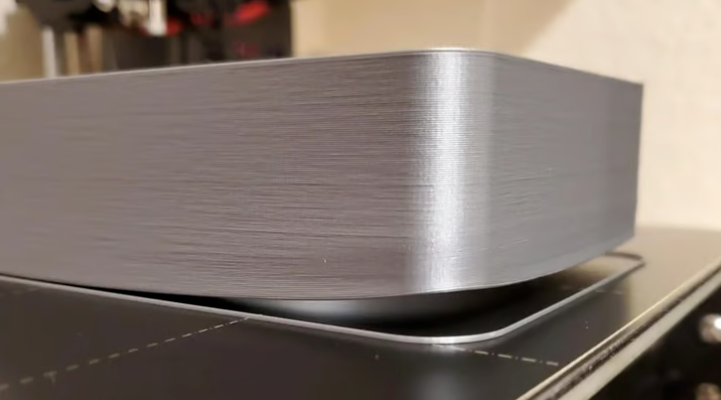
The one thing we’ll note is 3D printability. We offer multiple grades of PP and PP-like materials for our different 3D printing technologies, but we currently don’t have any that directly match PE. This may change as 3D printer manufacturers and/or material suppliers offer more printer-friendly grades of polyethylene, but until then, PA12 nylon is a strong, cost-effective, and functional alternative.
For more information, please contact us at Debaolong Seiko. You are also welcome to upload your designs to Debaolong Seiko for a quote.