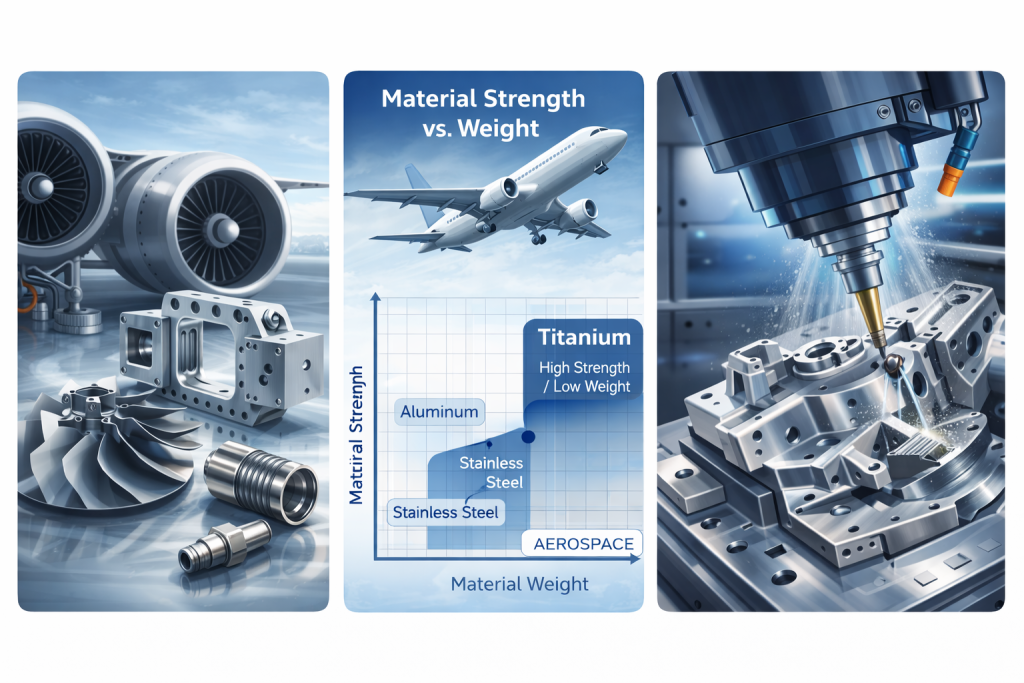

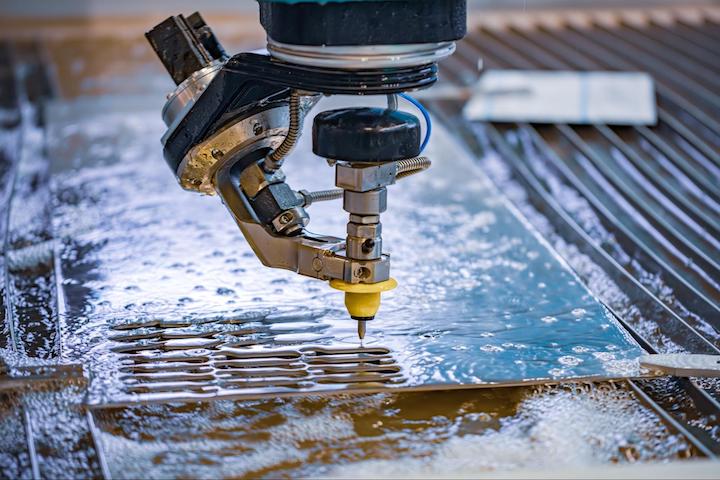
Numerous processes are available for cutting metal sheets or other metal raw materials. The most popular ones include pure water jet sheet metal cutting and abrasive water jet sheet metal cutting. Water jet cutting provides precise and skilled material cutting capabilities for industries such as aerospace. It utilizes the force of high-pressure water streams or a combination of water and abrasive particles to achieve accurate cuts. Water jet cutting employs two techniques: abrasive cutting and pure water jet cutting. Read this article for a detailed overview of these two processes, including their quality, advantages, and disadvantages, to help you make informed decisions about your cutting requirements.
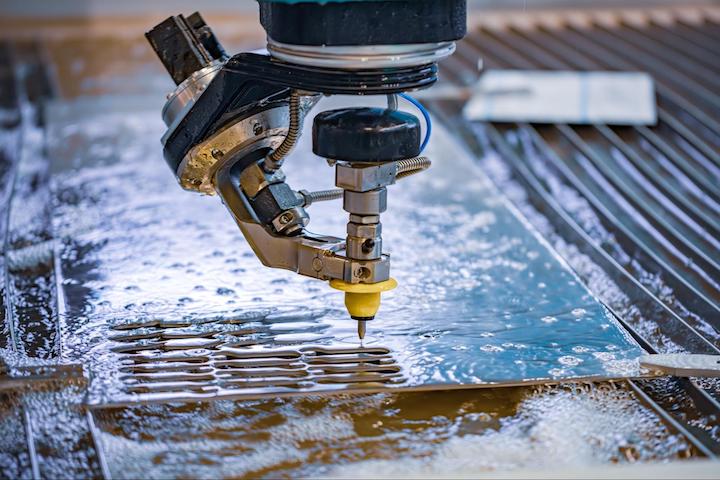
Abrasive Water Jet Cutting
Abrasive water jet cutting is a highly effective method for cutting metal sheets. The process involves using a high-pressure water stream mixed with abrasive particles (typically garnet) to cut through metal. The abrasive nature of the water jet enables precise cutting, even on thick metal sheets. This method is advantageous for cutting complex shapes and designs, as it can easily navigate around corners, intricate geometries, and tight spaces. Beyond metal sheets, abrasive water jet cutting can also cut a wide range of materials, including ceramics, composites, stone, and glass. Its versatility makes it popular across many industries, such as aerospace, automotive, and manufacturing.
Advantages of Abrasive Water Jet Sheet Metal Cutting
- Material Versatility: The addition of abrasive particles makes abrasive water jet cutting compatible with a broader range of materials compared to pure water jet cutting. This is useful for businesses working with various materials.
- Thickness Capability: Abrasive water jet cutting can easily cut through thicker materials. The abrasive particles effectively erode the material, allowing precise cuts in metal sheets up to several inches thick.
- Precision and Accuracy: While pure water jet cutting is precise, the abrasiveness of the particles aids in cleaner material removal, further enhancing precision and ensuring exceptionally accurate cuts.
Disadvantages of Abrasive Water Jet Sheet Metal Cutting
- Abrasive Consumption and Cleanup: Abrasive particles are typically a single-use consumable, requiring more cleanup and disposal compared to pure water jet cutting. This can add extra labor and time.
- Equipment Wear and Maintenance: Abrasive particles cause increased wear on hardware components, necessitating more frequent upkeep and replacements. This may raise maintenance costs in the long run.
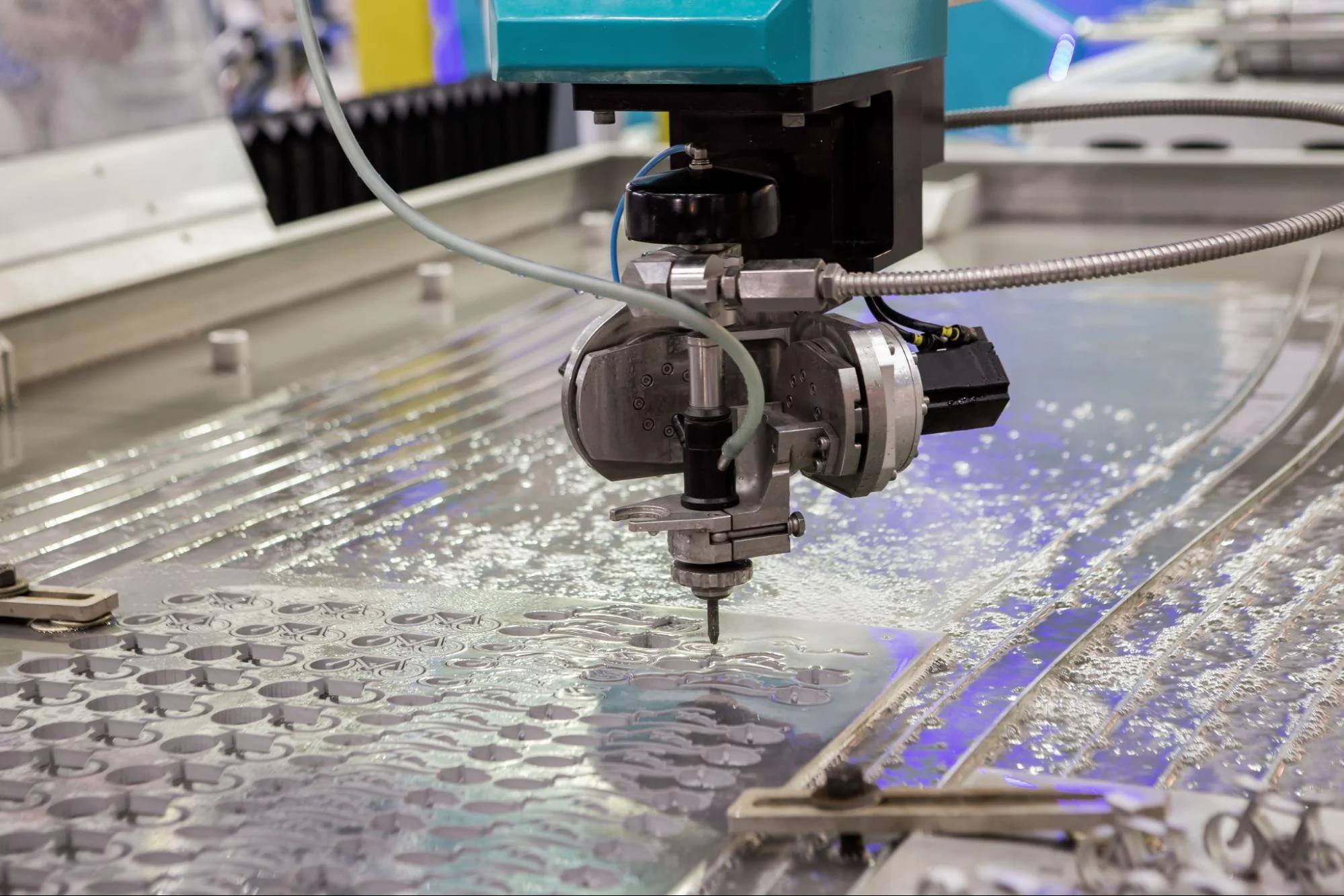
Pure Water Jet Cutting
Pure water jet cutting is a water jet cutting technique that uses high-pressure water streams to cut materials. Unlike abrasive water jet cutting, which uses water mixed with abrasive particles to cut harder materials, pure water jet cutting is ideal for softer materials such as elastomers, foams, plastics, and certain metals. The process involves pressurizing water to extremely high levels and directing it through a small nozzle to create a concentrated stream that can precisely cut materials. Pure water jet cutting is a versatile and efficient method, widely used in industries like aerospace, automotive, and manufacturing.
Advantages of Pure Water Jet Sheet Metal Cutting
- Minimal Material Alteration: Pure water jet cutting does not use abrasive particles, reducing erosion of the cut material. This is particularly important for applications where surface finish is a priority.
- No Abrasive Usage: As the name suggests, pure water jet cutting eliminates the need for abrasive particles, lowering consumable costs.
- Reduced Equipment Wear: Without abrasive particles, there is less wear on components, requiring less frequent maintenance. This can extend the lifespan of hardware and reduce maintenance expenses.
Disadvantages of Pure Water Jet Sheet Metal Cutting
- Limited Material Compatibility: Pure water jet cutting is not practical for cutting harder or thicker materials. This limitation may restrict its use to specific business needs and applications.
- Slower Cutting Speed on Thick Materials: When cutting thicker materials, pure water jet cutting may be slower than abrasive water jet cutting, as the absence of abrasive particles results in slower material removal. This can affect efficiency for applications requiring fast cutting speeds.
Applications and Industry-Specific Considerations
Abrasive Water Jet Cutting Applications
Abrasive water jet cutting is a versatile technique used across various industries. For example, it is commonly used in metal manufacturing to cut metals of different thicknesses and shapes. In the aerospace industry, it cuts materials like titanium, aluminum, and composites. In the automotive sector, it shapes and cuts automotive parts made of metal or composites. Additionally, it is used in the construction industry to cut stone and tiles for various development and design applications.
Pure Water Jet Cutting Applications
Pure water jet cutting is typically used in industries and applications requiring minimal material alteration. These include cutting food products such as fruits, vegetables, and meat in the food industry, precision cutting of dosage forms in the pharmaceutical industry, and cutting precision materials for gasket production in gasket manufacturing.
Choosing the Right Technique for Your Application
The choice between abrasive cutting and pure water jet cutting depends on several key variables:
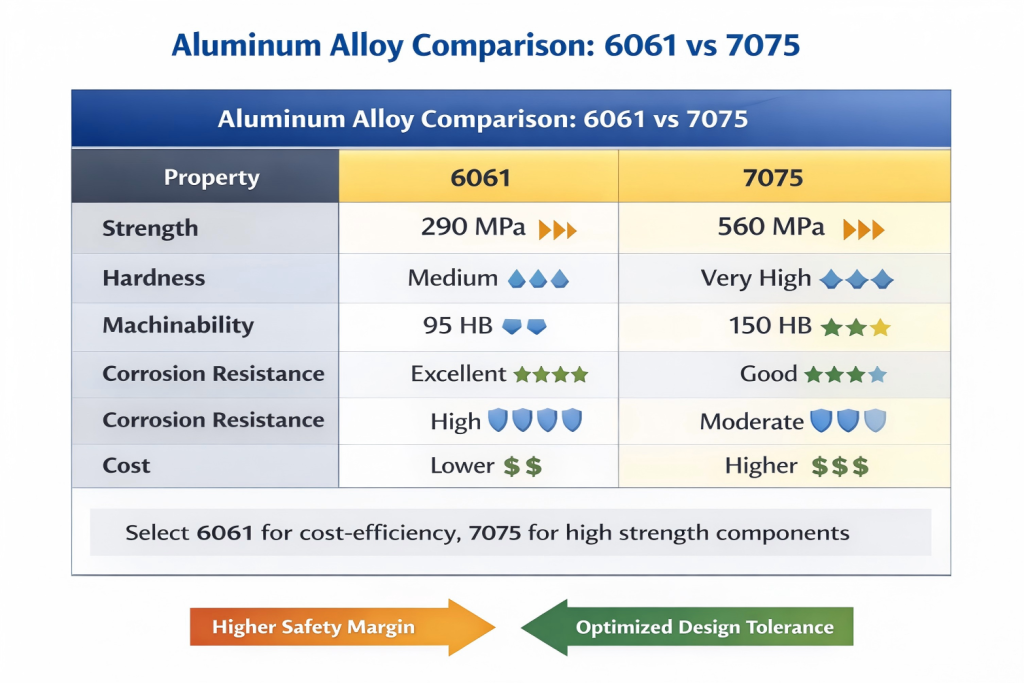
- Material Type and Thickness: Consider the type and thickness of the material you plan to cut. Abrasive water jet cutting works with many materials and is highly effective for thicker substances, while pure water jet cutting is best suited for softer materials.
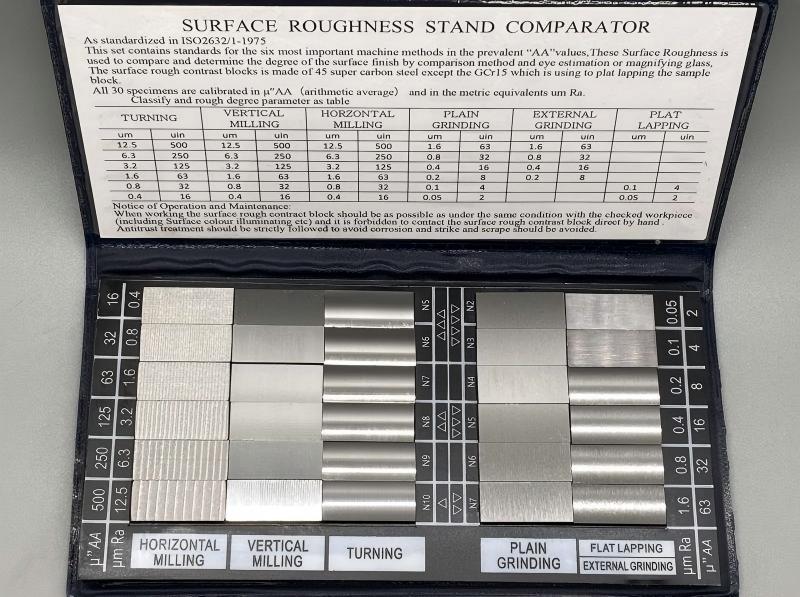
- Surface Finish Requirements: Determine if surface smoothness is critical for your application. If a smooth surface finish is essential, pure water jet cutting may be the better choice.
- Budget Considerations: Calculate initial investment costs and long-term operational expenses, including consumables and maintenance. In most cases, pure water jet cutting has lower consumable costs, but abrasive water jet cutting may be more cost-effective for specific applications.
- Specific Application Needs: Consider the unique requirements of your application. Does it require the versatility of abrasive water jet cutting, or the precision and minimal material removal offered by pure water jet cutting?
For more information, please contact us at Debaolong Seiko. You are also welcome to upload your design to Debaolong Seiko for a quote.