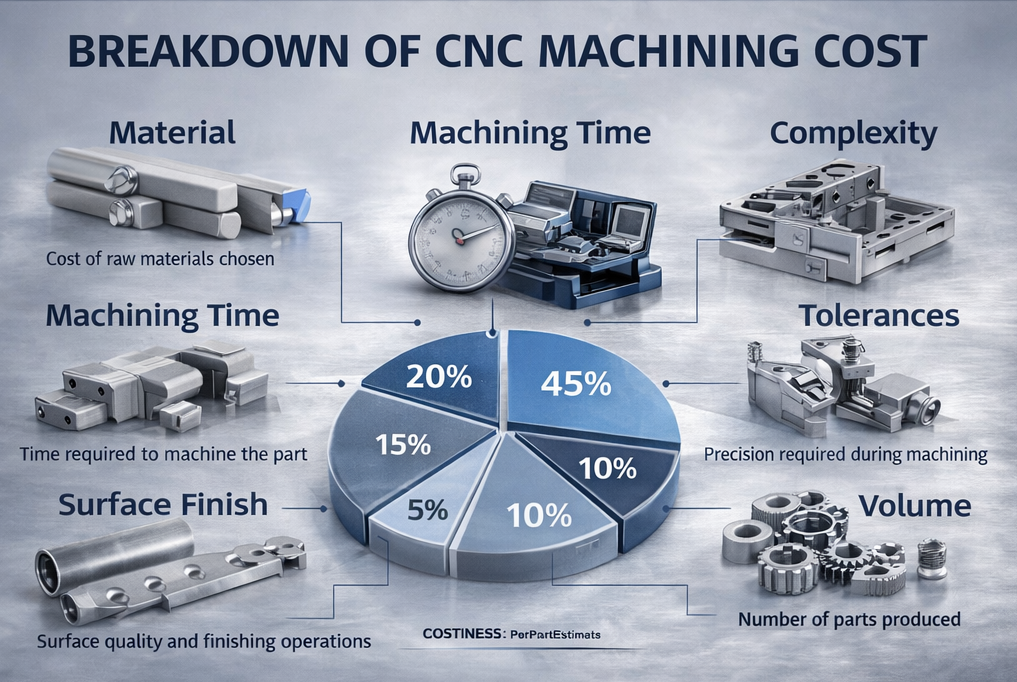


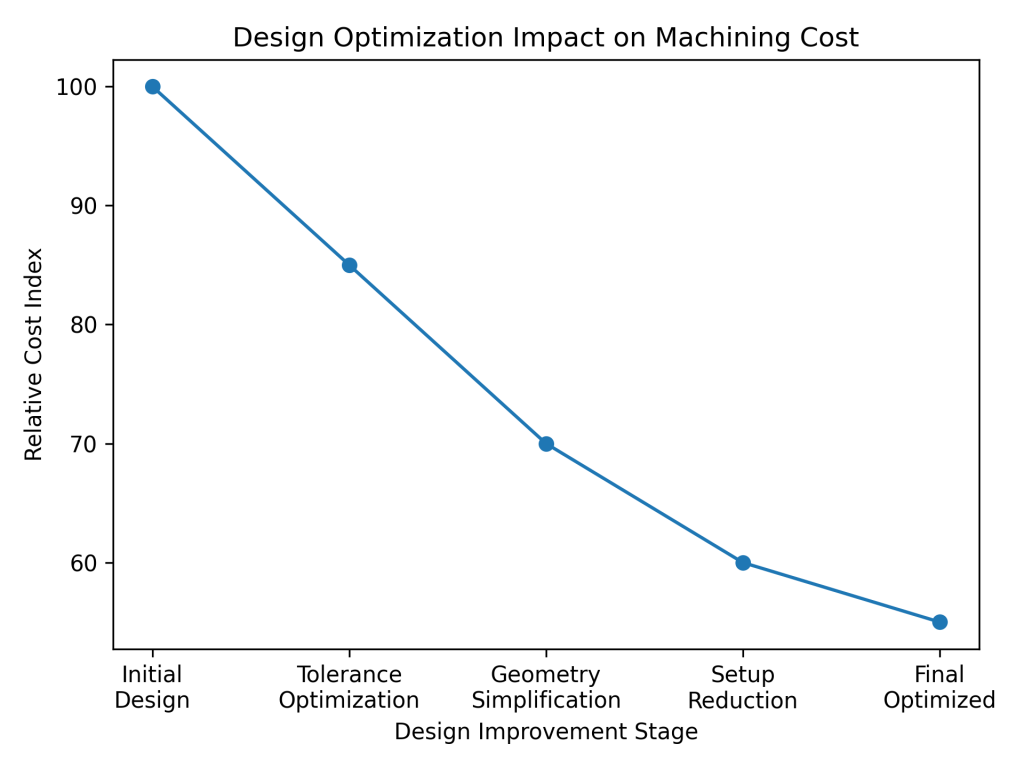
In CNC manufacturing, part design plays a critical role in determining the final production cost. Many components become unnecessarily expensive due to complex geometries, excessive tolerances, or inefficient material selection.
By applying proper engineering design strategies, manufacturers can significantly reduce machining costs while maintaining performance and quality.
This guide explains practical methods used by engineers to reduce CNC machining cost.
1. Avoid Unnecessary Tight Tolerances
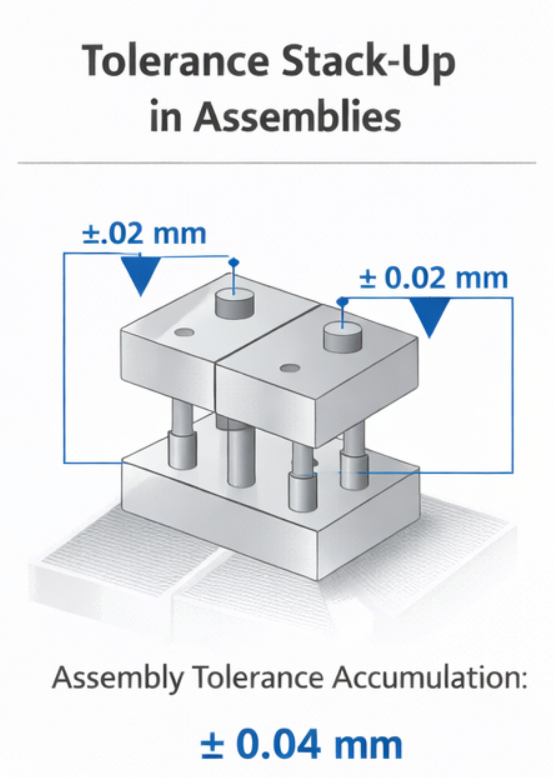
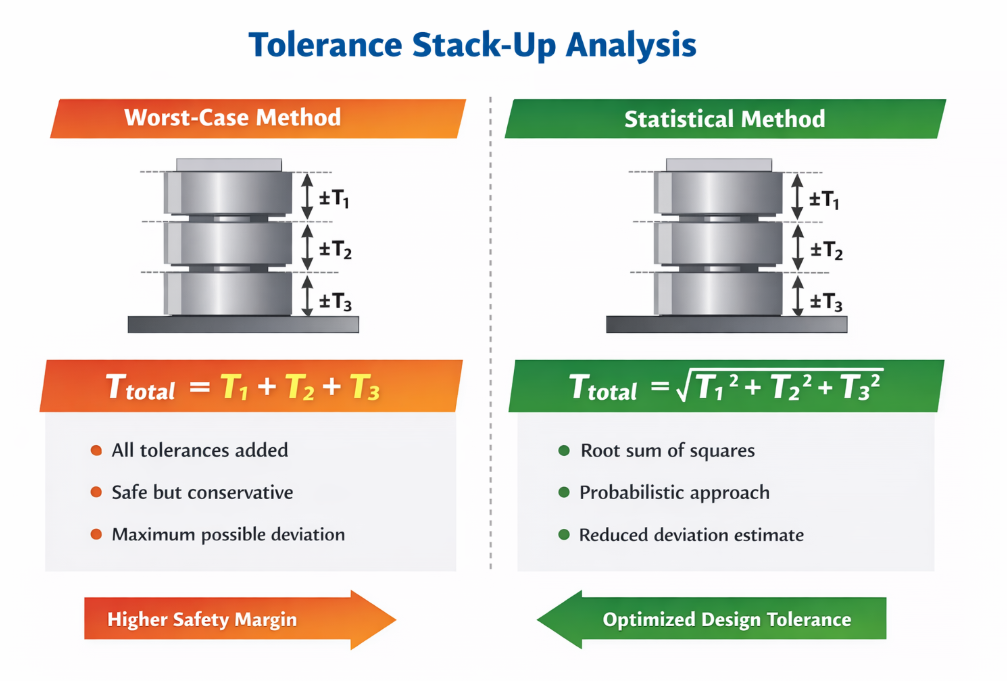
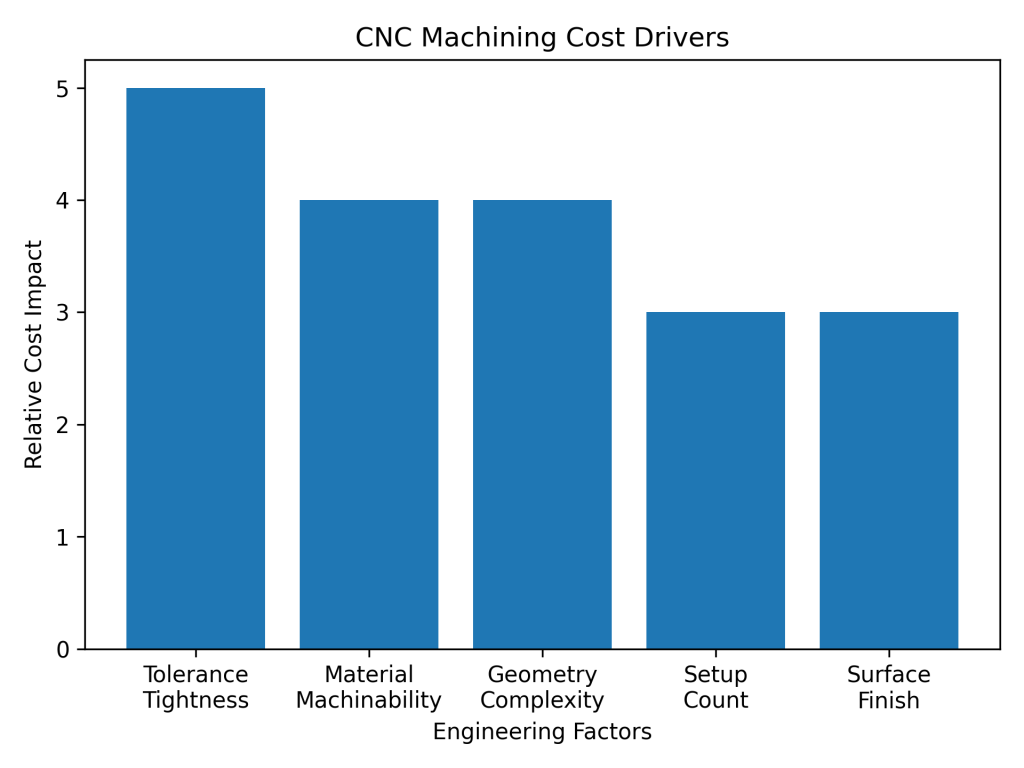
One of the most common reasons for high CNC machining cost is overly tight tolerances.
Tighter tolerances require:
- slower machining speeds
- more precise tool paths
- additional inspection time
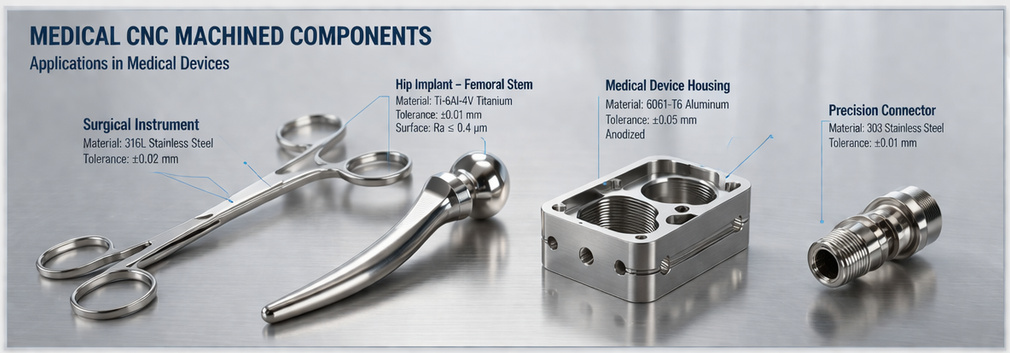
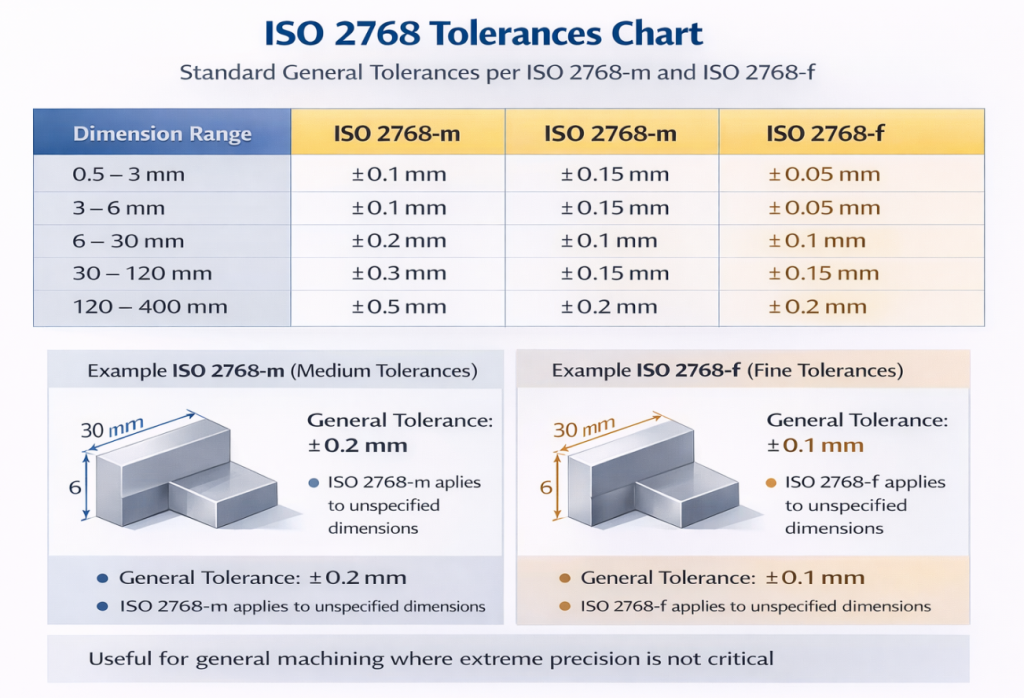
For most mechanical components, tolerances between ±0.05 mm and ±0.1 mm are sufficient.
Extremely tight tolerances should only be applied to critical functional surfaces.
You can also refer to standard tolerance systems such as:
CNC Machining Tolerance Standards (ISO 2768)
2. Simplify Part Geometry
Complex part geometry increases machining time and tool changes.
Design features that increase machining cost include:
- deep narrow cavities
- sharp internal corners
- thin unsupported walls
Instead of sharp corners, engineers should add fillets or corner radii. This allows standard cutting tools to operate more efficiently.
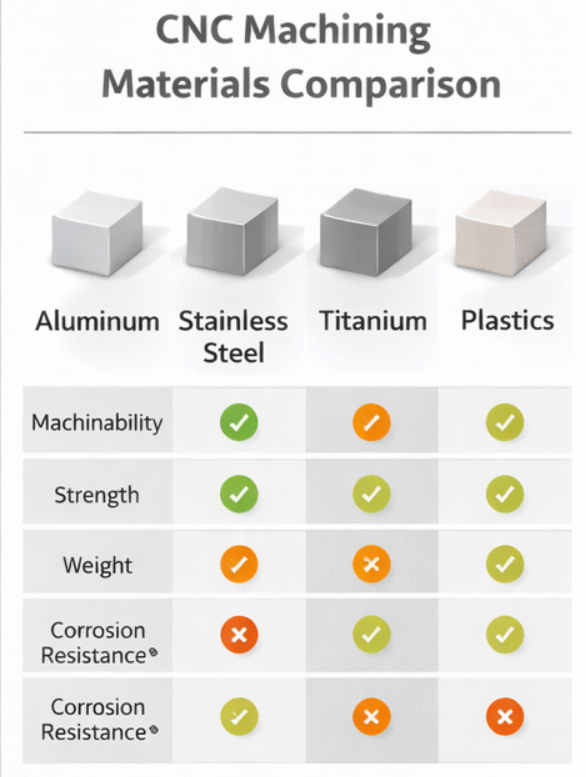
3. Select Machinable Materials
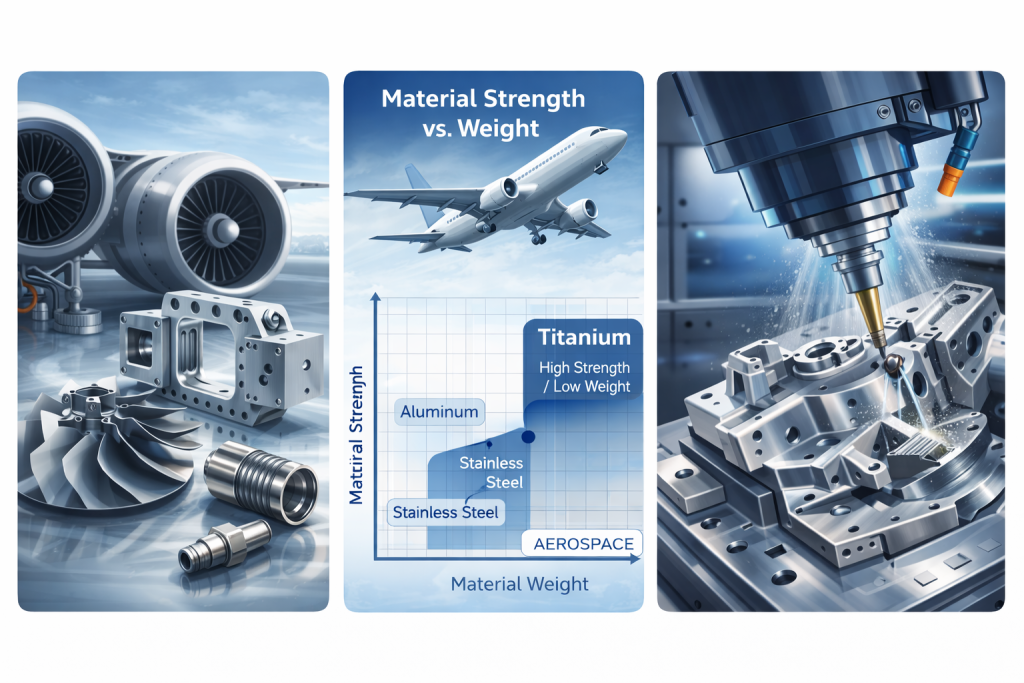
Material choice directly affects machining efficiency.
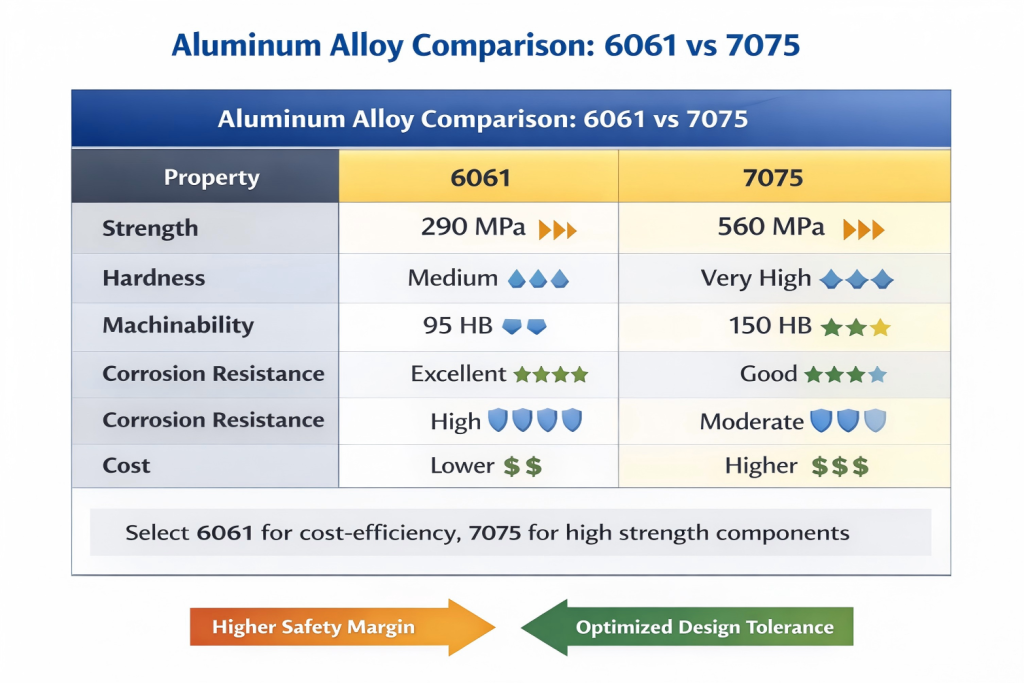
Some materials are significantly easier to machine than others.
| Material | Machinability | Cost Impact |
|---|---|---|
| Aluminum 6061 | Excellent | Low |
| Steel 4140 | Moderate | Medium |
| Titanium | Difficult | High |
For many industrial applications, aluminum provides an excellent balance of cost, strength, and machinability.
Related guide:
Aluminum Machining Engineering Strategy
4. Reduce Machining Setups
Each CNC setup requires:
- machine calibration
- part alignment
- tool verification
Designing parts that require multiple setups increases production time and manufacturing cost.
Good design practice includes:
- designing parts machinable in one or two setups
- maintaining consistent reference surfaces
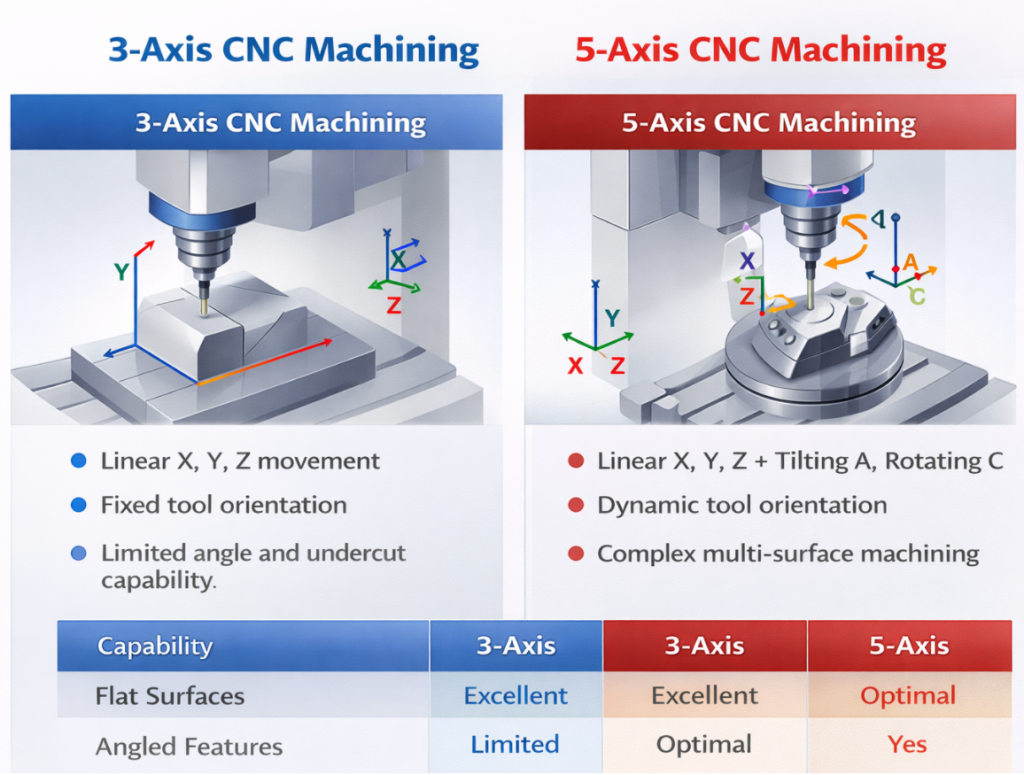
- avoiding unnecessary angled features
For complex geometries requiring multi-axis machining:
5-Axis vs 3-Axis CNC Machining Comparison
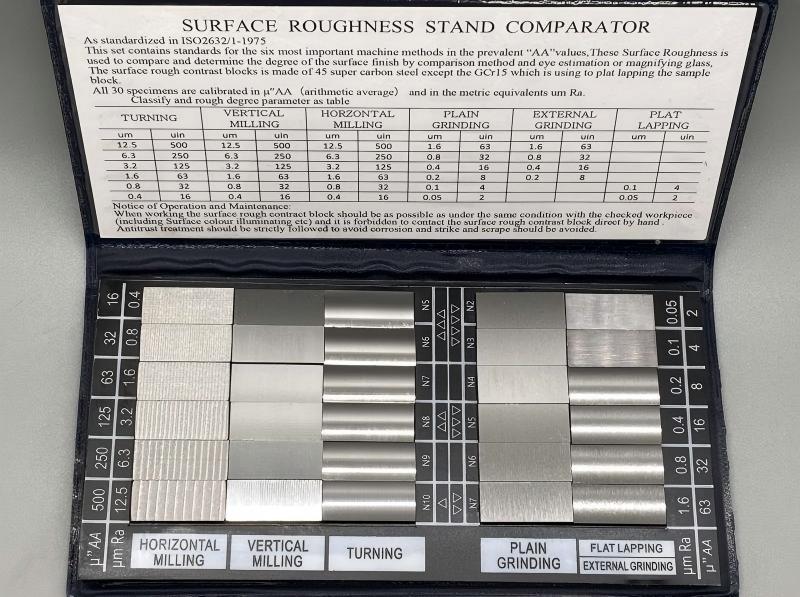
5. Specify Realistic Surface Finish
Surface finish directly affects machining time.
Typical CNC surface finishes:
| Surface Finish | Typical Application |
|---|---|
| Ra 3.2 μm | Standard machining |
| Ra 1.6 μm | Precision parts |
| Ra 0.8 μm | High precision surfaces |
Lower roughness requires slower feed rates and additional finishing passes.
Detailed explanation:
CNC Machining Surface Finish Guide
6. Design for Standard Tool Sizes
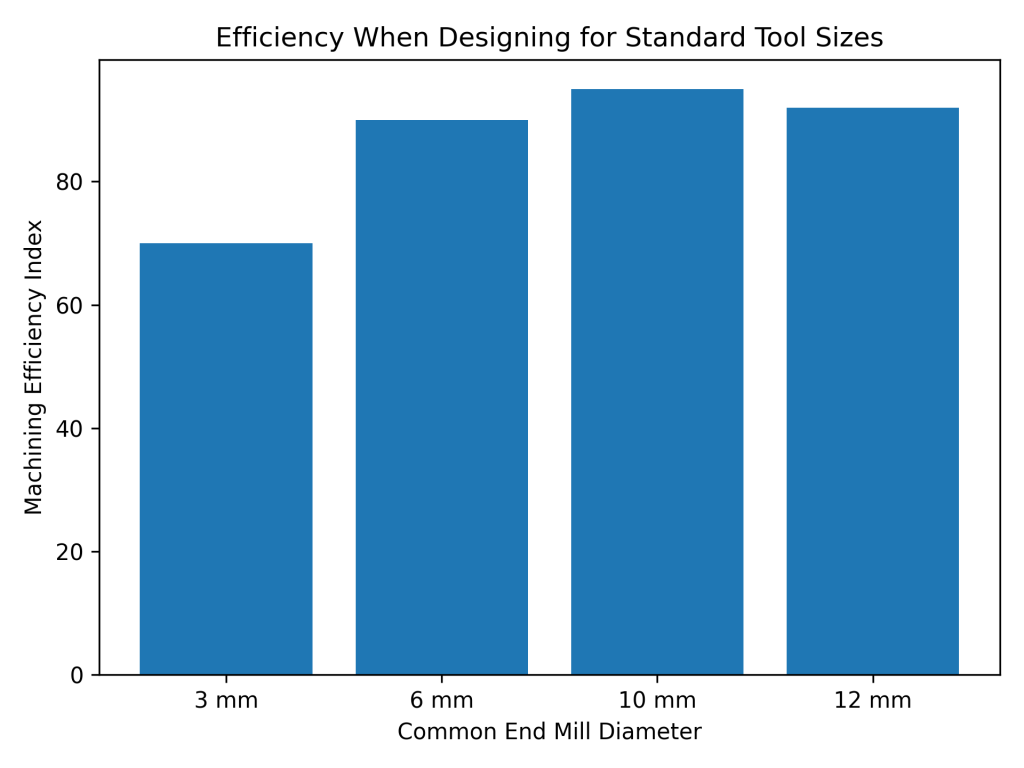
Using standard tool sizes improves machining efficiency.
Common CNC cutting tool diameters include:
- 3 mm
- 6 mm
- 10 mm
- 12 mm
Designing features compatible with standard tool sizes avoids custom tooling and reduces machining time.
Conclusion
Reducing CNC machining cost begins at the engineering design stage.
By applying these design principles:
- avoiding unnecessary tight tolerances
- simplifying geometry
- selecting machinable materials
- reducing setups
- specifying appropriate surface finishes
manufacturers can significantly improve production efficiency and reduce cost.
Related CNC Engineering Guides
Tolerance Engineering Handbook
https://www.debaolong.com/2026/03/01/tolerance-engineering-handbook/
Aluminum Machining Engineering Strategy
https://www.debaolong.com/2026/03/03/aluminum-machining-engineering-strategy/
5-Axis vs 3-Axis CNC Machining Comparison
https://www.debaolong.com/2026/03/04/5-axis-vs-3-axis-cnc-machining-comparison/
CNC Machining Tolerance Standards (ISO 2768)
https://www.debaolong.com/2026/03/05/cnc-machining-tolerance-standards-iso2768/
CNC Machining Surface Finish Guide
https://www.debaolong.com/2026/03/06/cnc-machining-surface-finish-ra-roughness/