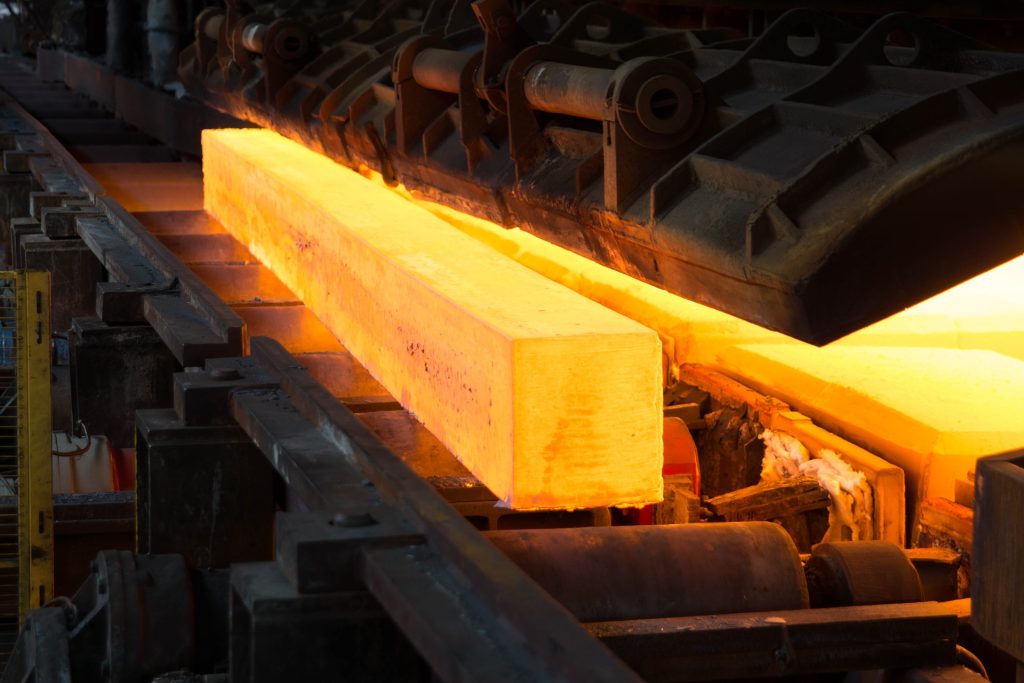


Sheet metal fabrication is widely used in industries such as electronics, automotive, aerospace, and industrial equipment.
However, poor design decisions can significantly increase manufacturing cost, lead time, and production complexity.
Understanding basic sheet metal design principles helps engineers improve manufacturability and reduce production cost.
Why Sheet Metal Design Matters
Sheet metal fabrication processes include:
• laser cutting
• bending
• punching
• welding
Each process has physical limitations.
Ignoring these constraints often leads to:
• part deformation
• cracking during bending
• increased scrap rate
• higher manufacturing cost
Designing with manufacturing in mind is essential.
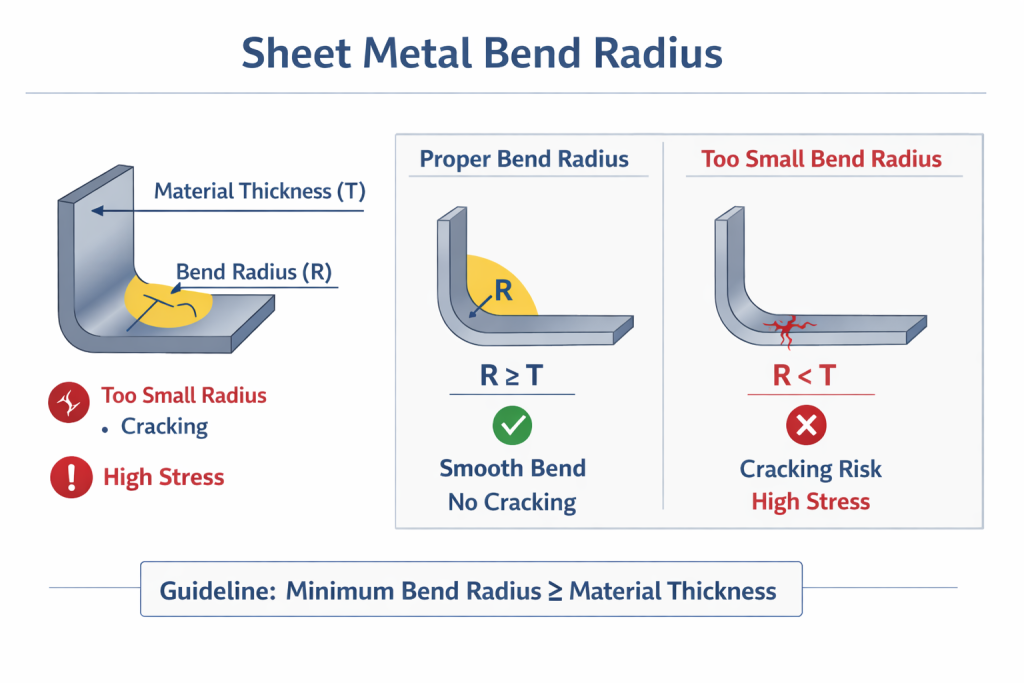
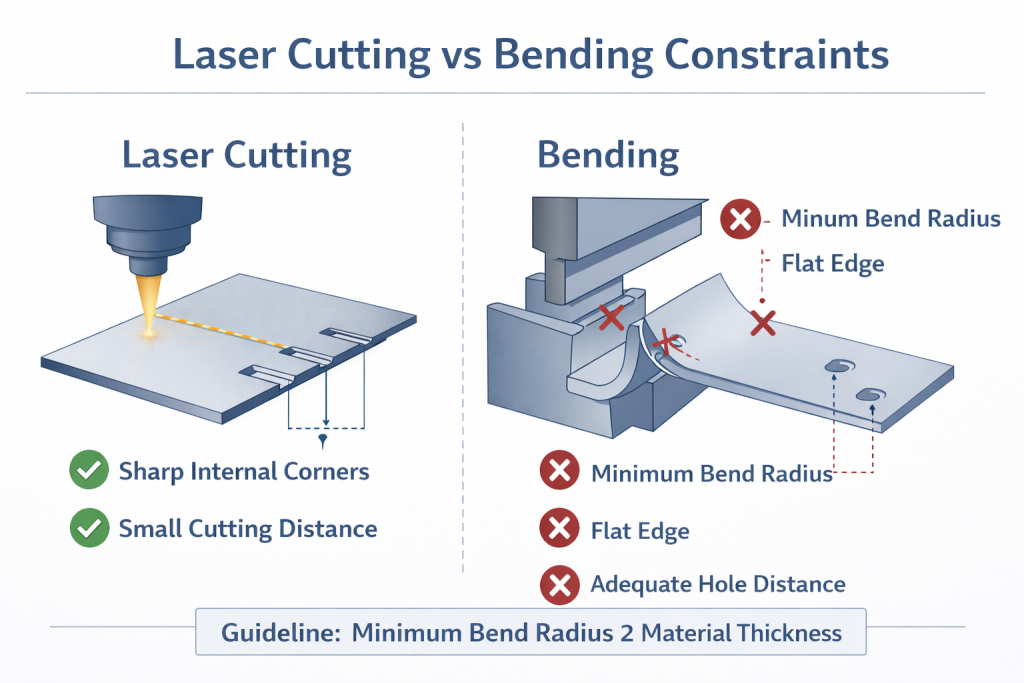
Sheet Metal Bending Radius Diagram
Rule 1: Use Proper Bend Radius
Bend radius is one of the most critical parameters in sheet metal design.
If the bend radius is too small, it can cause:
• cracking
• material stress concentration
General guideline:
Minimum bend radius ≥ material thickness
Rule 2: Maintain Consistent Wall Thickness
Sheet metal parts are made from flat sheets.
Keep thickness uniform to ensure:
• consistent bending
• predictable strength
• easier fabrication
Rule 3: Avoid Sharp Internal Corners
Sharp corners increase stress and are difficult to manufacture.
Use fillets to improve:
• durability
• manufacturability
Rule 4: Design for Standard Tooling
Using standard tooling reduces:
• setup time
• tooling cost
• production complexity
Avoid unnecessary custom features.
Rule 5: Keep Hole Distance from Edges
Holes placed too close to edges may deform during bending.
Recommended:
Distance ≥ 1.5 × material thickness
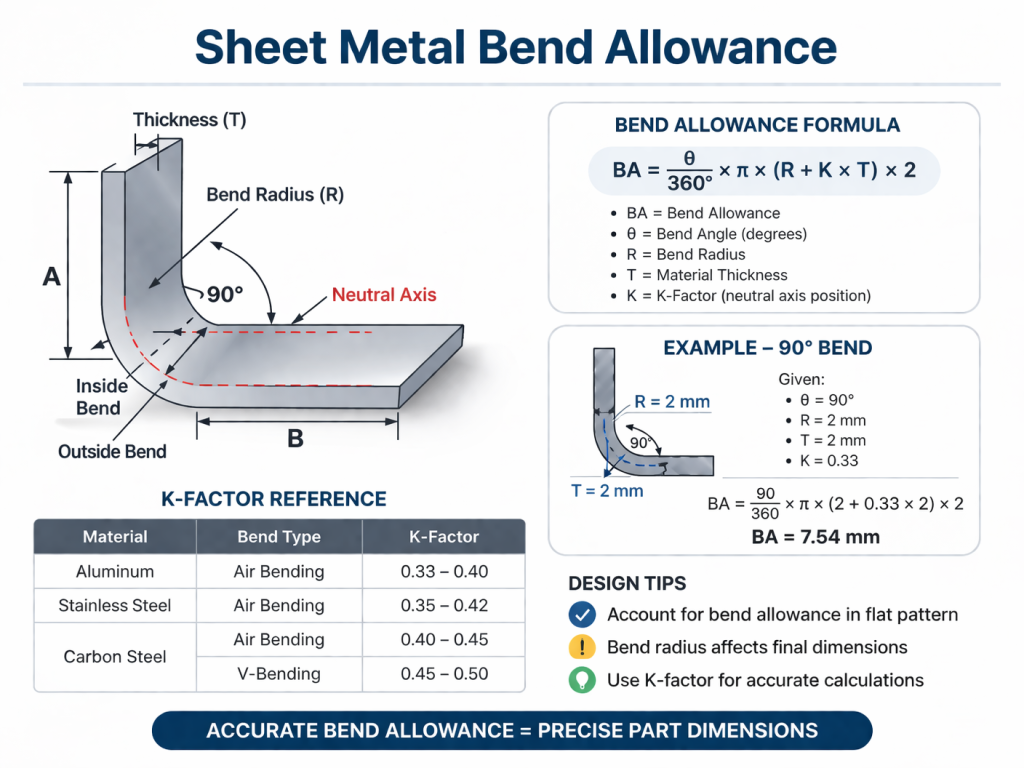
Rule 6: Consider Bend Allowance
Bending changes the length of material.
Engineers must account for:
• bend allowance
• bend deduction
This ensures dimensional accuracy after forming.
Rule 7: Avoid Complex Bends
Multiple bends increase:
• setup time
• alignment difficulty
• cost
Simpler designs improve efficiency.
Rule 8: Optimize for Laser Cutting
Laser cutting works best with:
• clean geometry
• minimal sharp transitions
• consistent spacing
This improves cutting speed and accuracy.
Rule 9: Reduce Welding Where Possible
Welding adds:
• labor cost
• distortion risk
Design parts to minimize welding operations.
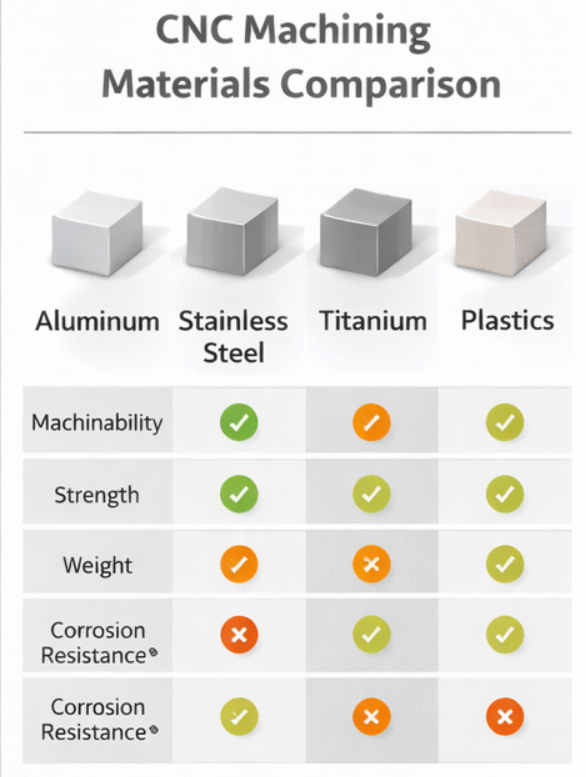
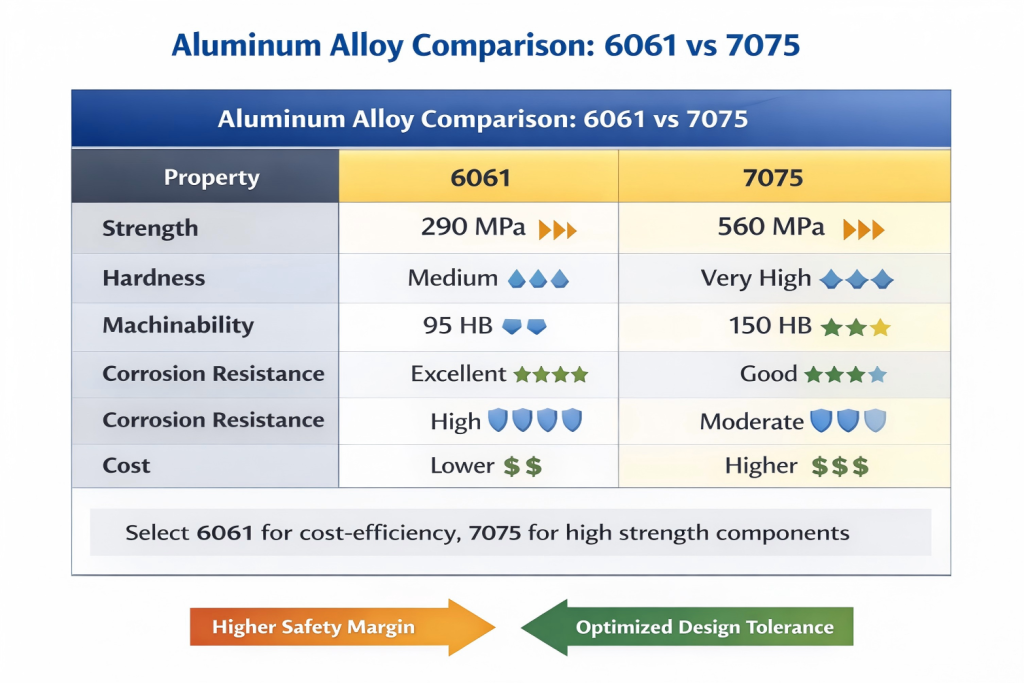
Rule 10: Choose the Right Material
Common sheet metal materials include:
• stainless steel
• aluminum
• carbon steel
Material selection affects:
• bendability
• strength
• corrosion resistance
Conclusion
Good sheet metal design is about balancing performance, manufacturability, and cost.
By applying these 10 rules, engineers can:
• reduce production errors
• improve efficiency
• lower manufacturing cost
Explore More Engineering Guides
Manufacturing Engineering Knowledge Center
https://www.debaolong.com/manufacturing-engineering-knowledge-center/
CNC Materials Guide
https://www.debaolong.com/2026/03/13/cnc-machining-materials-guide-aluminum-steel-titanium-and-plastics/
CNC Surface Finish
https://www.debaolong.com/2026/03/06/cnc-machining-surface-finish-ra-roughness/