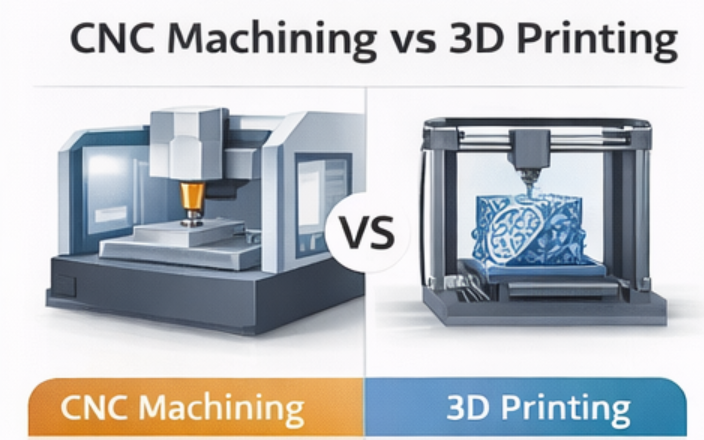


CNC machining is widely used across industries because it can process a broad range of materials with high precision and consistency.
However, selecting the right material is one of the most important decisions in product design. Different materials affect machining speed, cost, surface finish, and mechanical performance.
Understanding the characteristics of common CNC machining materials helps engineers choose the most efficient manufacturing solution.
Common Materials Used in CNC Machining
CNC machining can process metals, plastics, and engineering composites. Among them, several materials are widely used in industrial manufacturing.
Aluminum
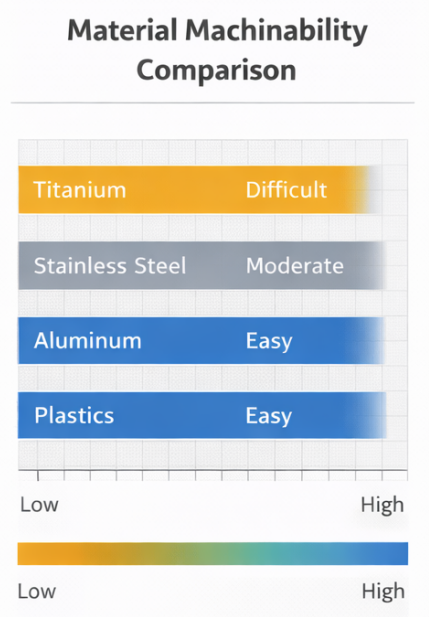
Aluminum is one of the most popular CNC machining materials due to its excellent machinability and lightweight properties.
Typical advantages include:
• High machinability
• Good corrosion resistance
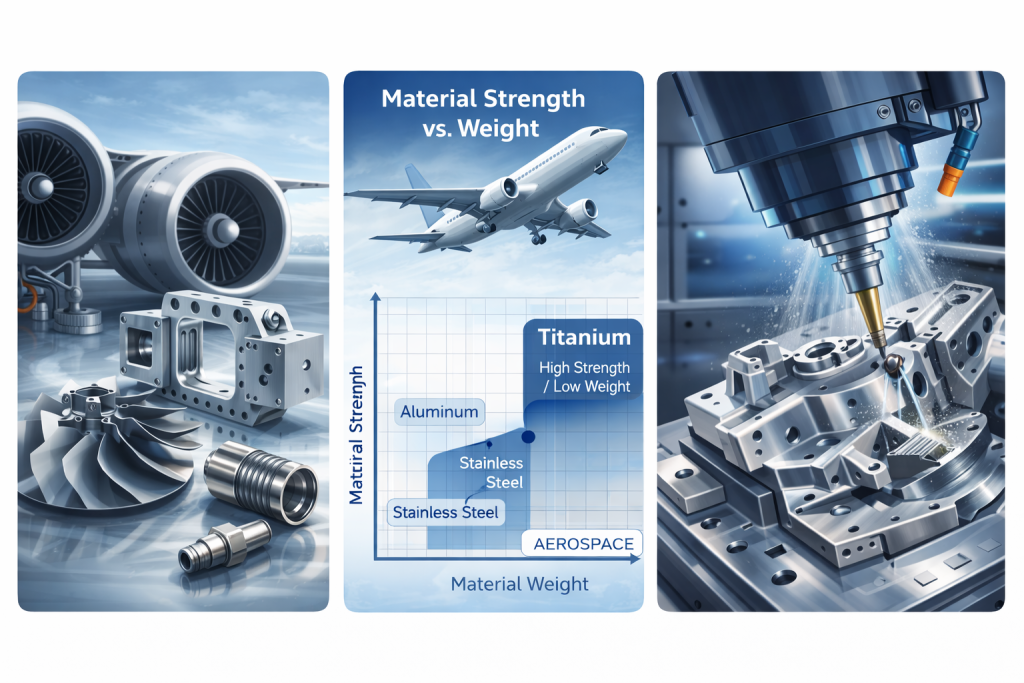
• Excellent strength-to-weight ratio
• Lower machining cost compared to many metals
Common aluminum grades used in CNC machining include:
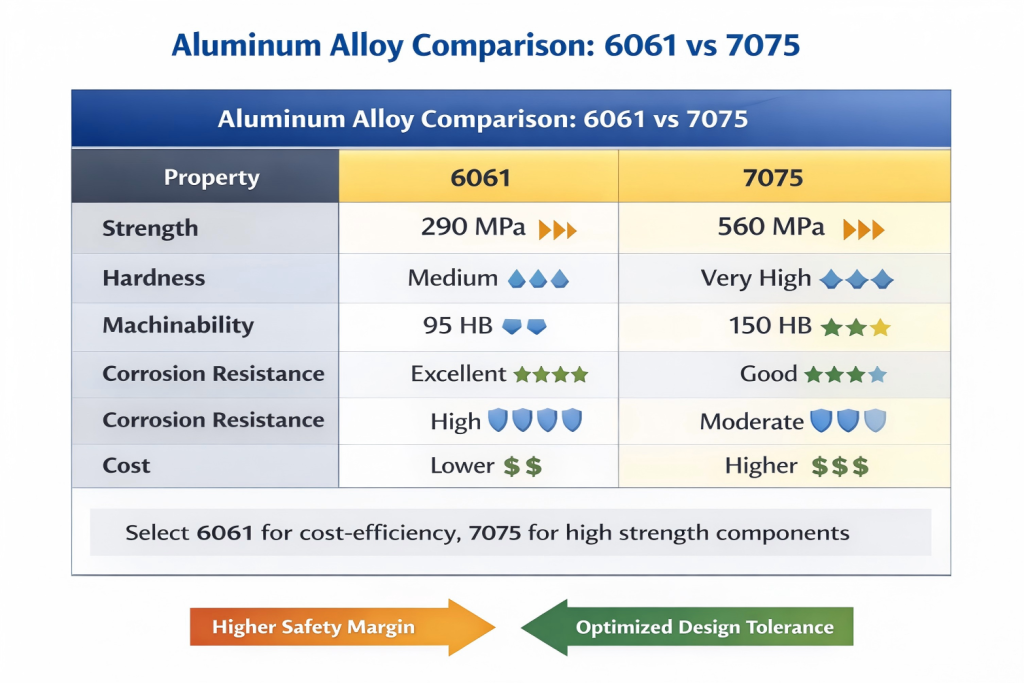
• 6061 aluminum
• 7075 aluminum
• 5052 aluminum
These materials are widely used in aerospace components, electronics housings, automotive parts, and industrial equipment.
Stainless Steel
Stainless steel is widely used when strength, corrosion resistance, and durability are critical.
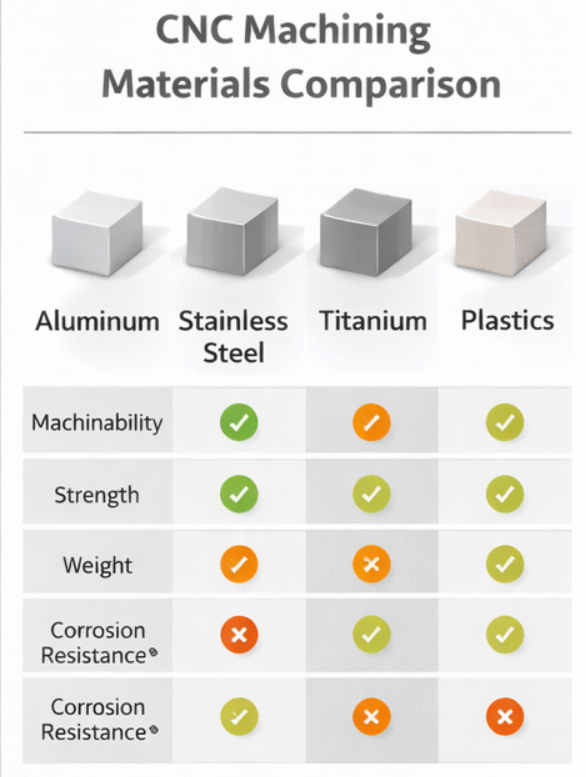
Compared with aluminum, stainless steel is harder to machine but provides superior structural performance.
Common CNC machining stainless steel grades include:
• 303 stainless steel (better machinability)
• 304 stainless steel (general industrial use)
• 316 stainless steel (excellent corrosion resistance)
Typical applications include:
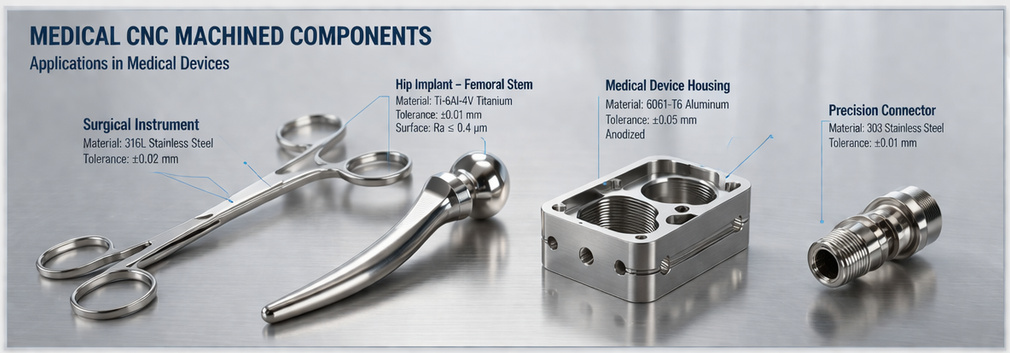
• medical equipment
• food processing machinery
• marine components
• industrial machinery
Titanium
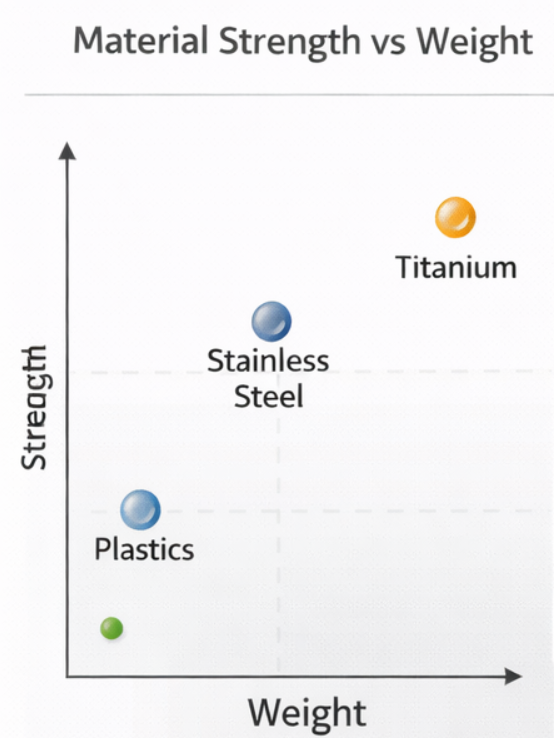
Titanium is known for its exceptional strength-to-weight ratio and corrosion resistance.
However, titanium is also one of the most difficult materials to machine due to its high strength and poor thermal conductivity.
Advantages of titanium components include:
• extremely high strength
• excellent corrosion resistance
• lightweight performance
• high temperature resistance
Because of these properties, titanium is commonly used in:
• aerospace structures
• medical implants
• high-performance automotive components
Engineering Plastics
CNC machining is also widely used for high-performance plastics.
Common plastic materials include:
• POM (Delrin)
• Nylon (PA)
• PEEK
• PTFE
• ABS
Plastic CNC machining is often used when parts require:
• electrical insulation
• chemical resistance
• lightweight structure
• low friction surfaces
Plastic machining is widely used in electronics, medical devices, and automation equipment.
How Material Selection Affects CNC Machining Cost
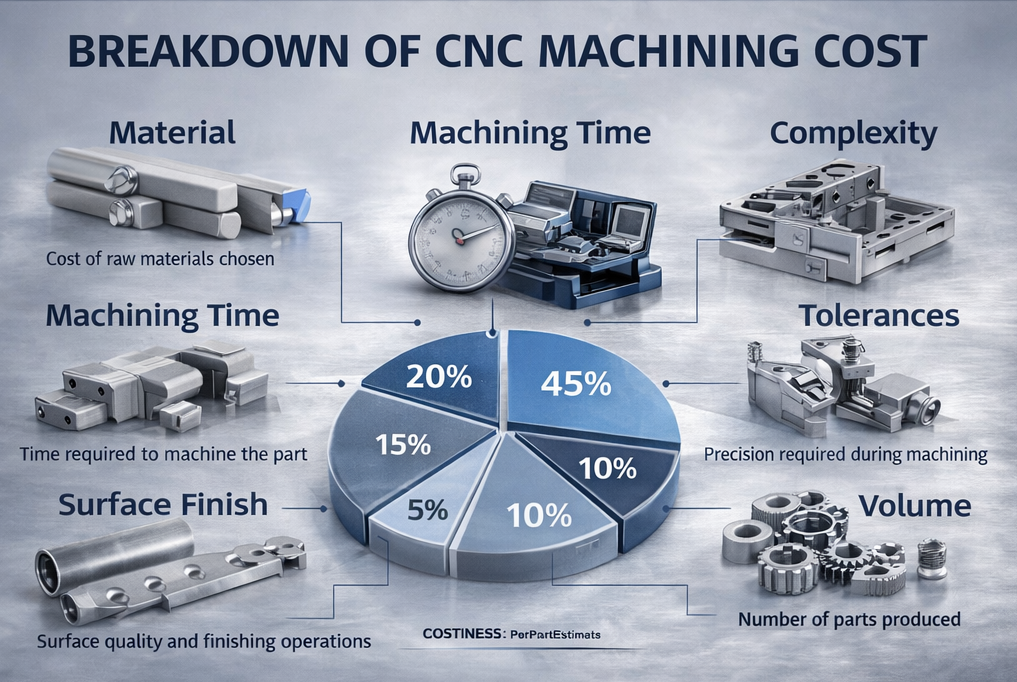
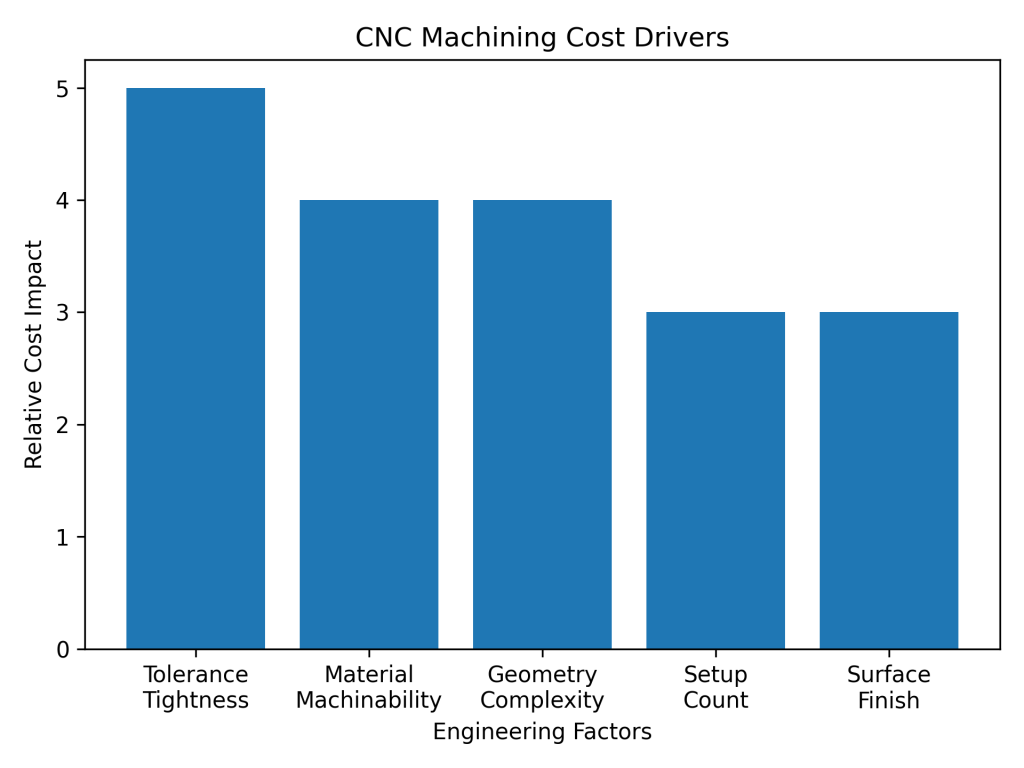
Material selection has a significant impact on machining cost.
Several factors influence manufacturing cost:
- Material hardness
- Tool wear rate
- Machining speed
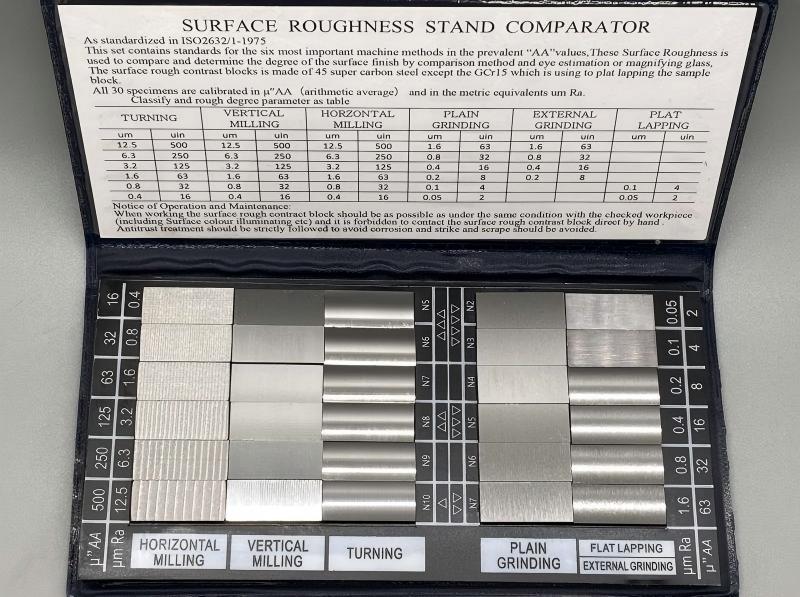
- Surface finish requirements
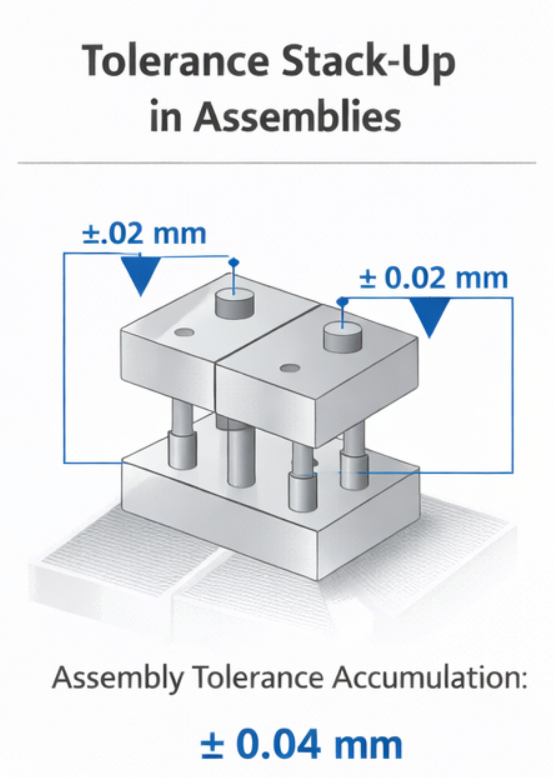
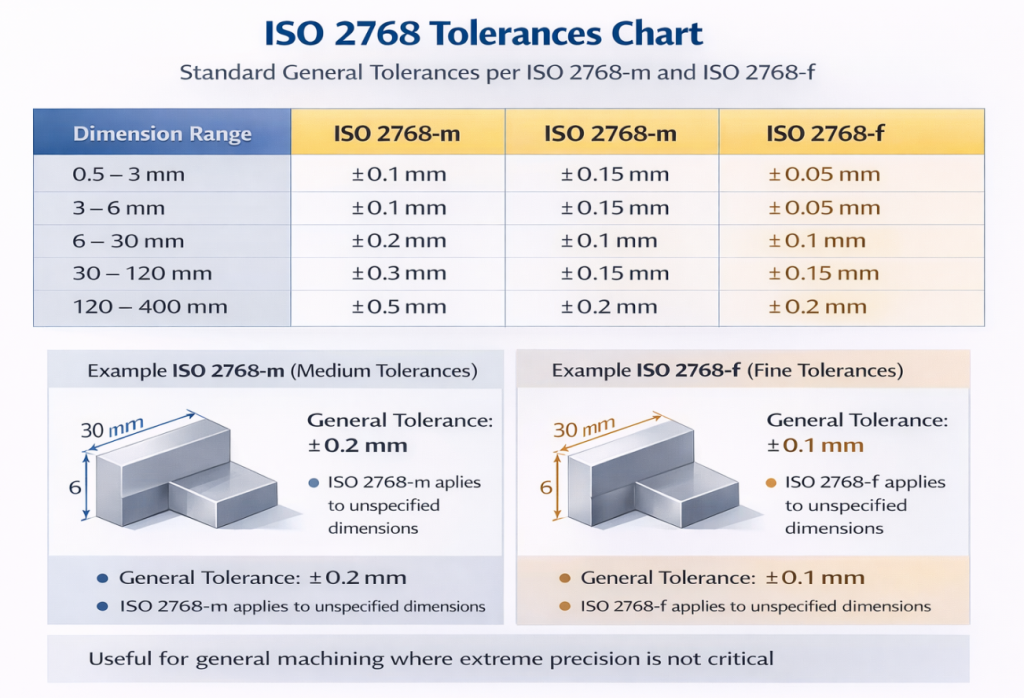
- dimensional tolerances
For example:
• Aluminum can be machined quickly with lower tool wear
• Stainless steel requires slower cutting speeds
• Titanium requires specialized tooling and cooling strategies
Choosing the correct material during the design phase can significantly improve manufacturing efficiency.
Design Tips for CNC Machining Materials
When designing parts for CNC machining, engineers should consider both performance and manufacturability.
Some practical design guidelines include:
• Use aluminum when lightweight and cost efficiency are important
• Use stainless steel for strength and corrosion resistance
• Use titanium only when high-performance properties are required
• Use engineering plastics for insulation or chemical resistance
Balancing material performance with machining efficiency is the key to successful product development.
Conclusion
CNC machining supports a wide variety of materials, but each material presents unique manufacturing characteristics.
Understanding the machining behavior of aluminum, stainless steel, titanium, and engineering plastics helps engineers optimize product performance, manufacturing cost, and production efficiency.
Choosing the right material at the design stage is one of the most effective ways to improve manufacturability and reduce production cost.
Explore More Engineering Guides
Visit the Debaolong Manufacturing Engineering Knowledge Center for more CNC machining insights:
You may also find this guide helpful:
CNC Surface Finish Guide
https://www.debaolong.com/2026/03/06/cnc-machining-surface-finish-ra-roughness/