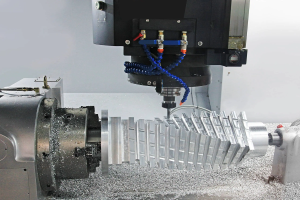


Medical device manufacturing requires extremely high precision, strict quality control, and reliable material performance.
CNC machining plays a vital role in producing medical components that must meet stringent regulatory and functional requirements.
Understanding the unique challenges of medical machining helps engineers design safer and more reliable products.
Why CNC Machining Is Critical in Medical Devices
Medical components often require:
• ultra-high precision
• excellent surface finish
• biocompatible materials
• consistent repeatability
CNC machining is widely used because it can meet these strict requirements.
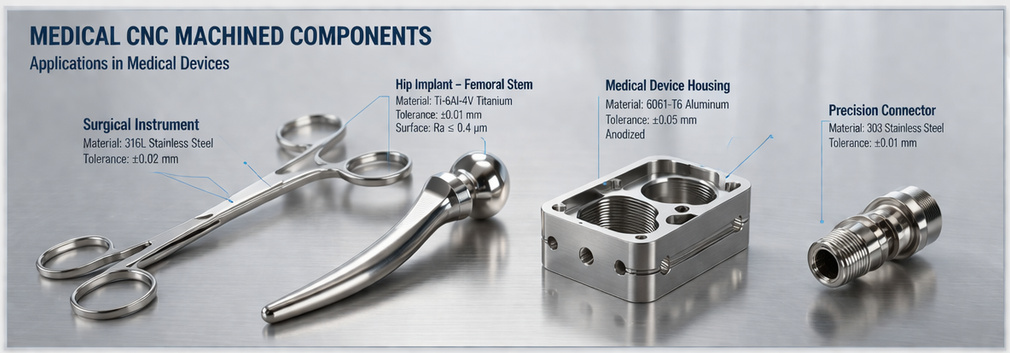
Typical medical CNC machined parts include:
• surgical instruments
• orthopedic implants
• medical device housings
• precision connectors
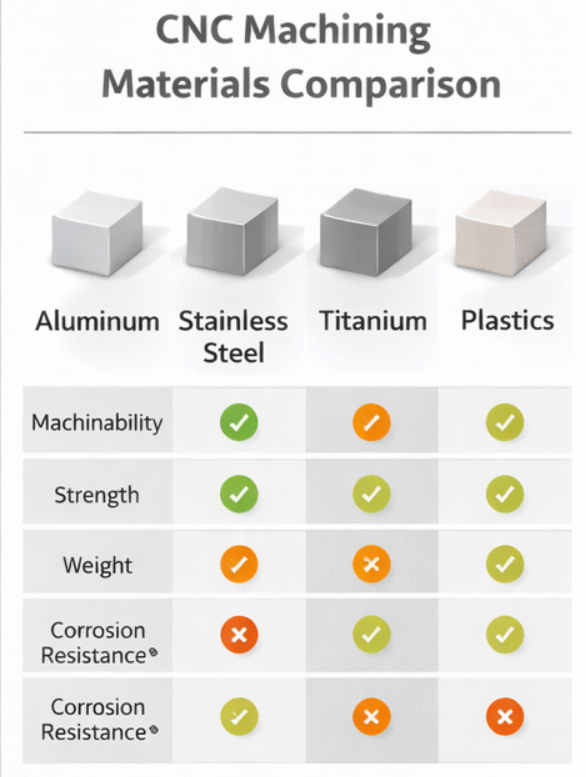
Common Materials Used in Medical CNC Machining
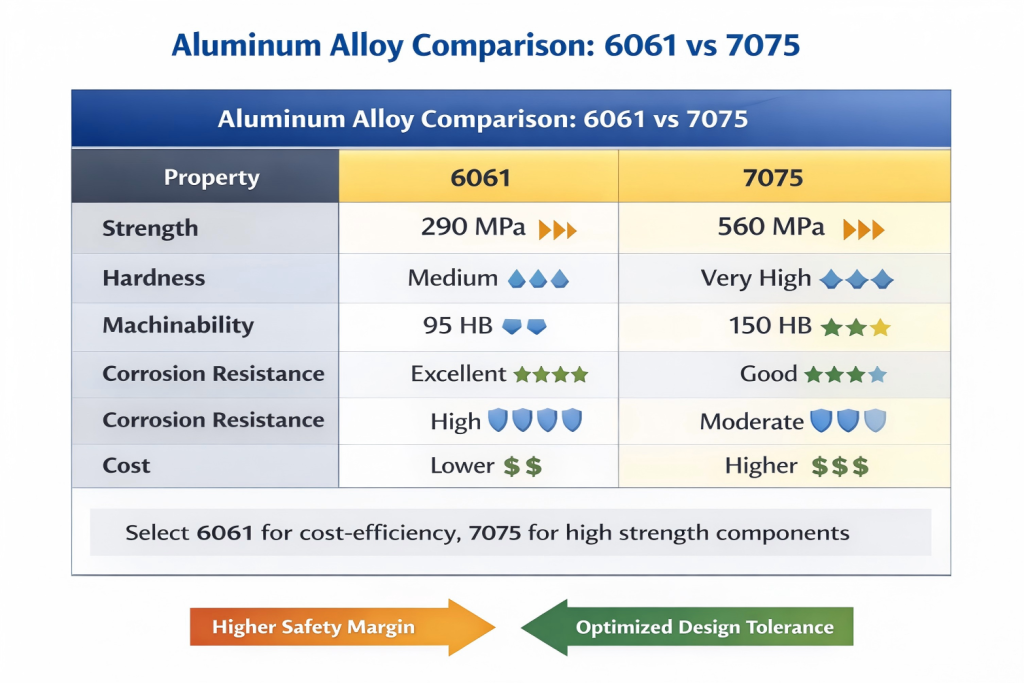
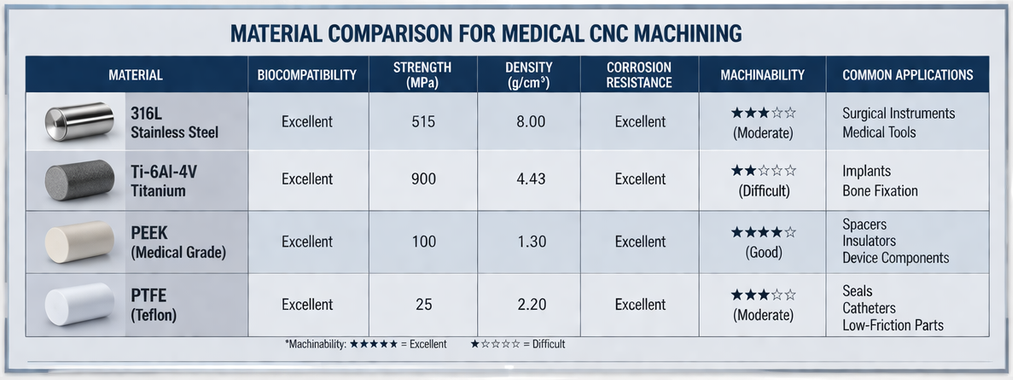
Material selection is critical due to biocompatibility and performance requirements.
Stainless Steel
• corrosion resistant
• strong and durable
• widely used in surgical tools
Common grades:
• 304
• 316L (medical grade)
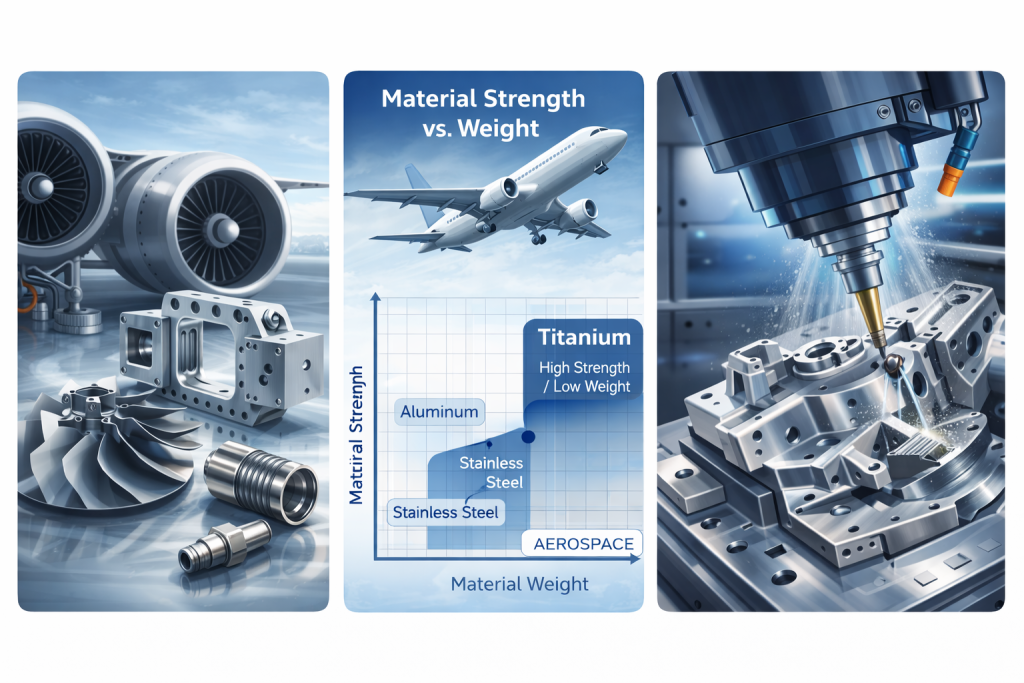
Titanium
• excellent biocompatibility
• lightweight and strong
• resistant to body fluids
Used in:
• implants
• bone fixation devices
Medical Plastics
• PEEK
• PTFE
• medical-grade ABS
Used for:
• lightweight components
• insulation
• disposable medical devices
Precision Requirements in Medical Machining
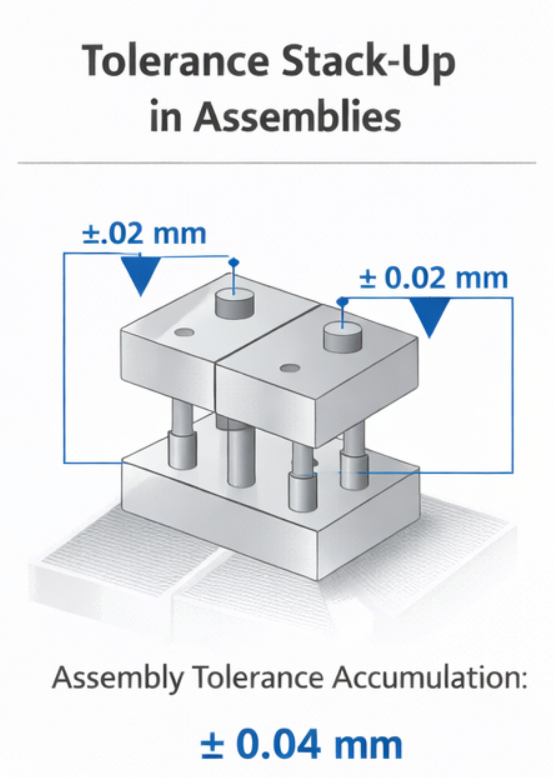
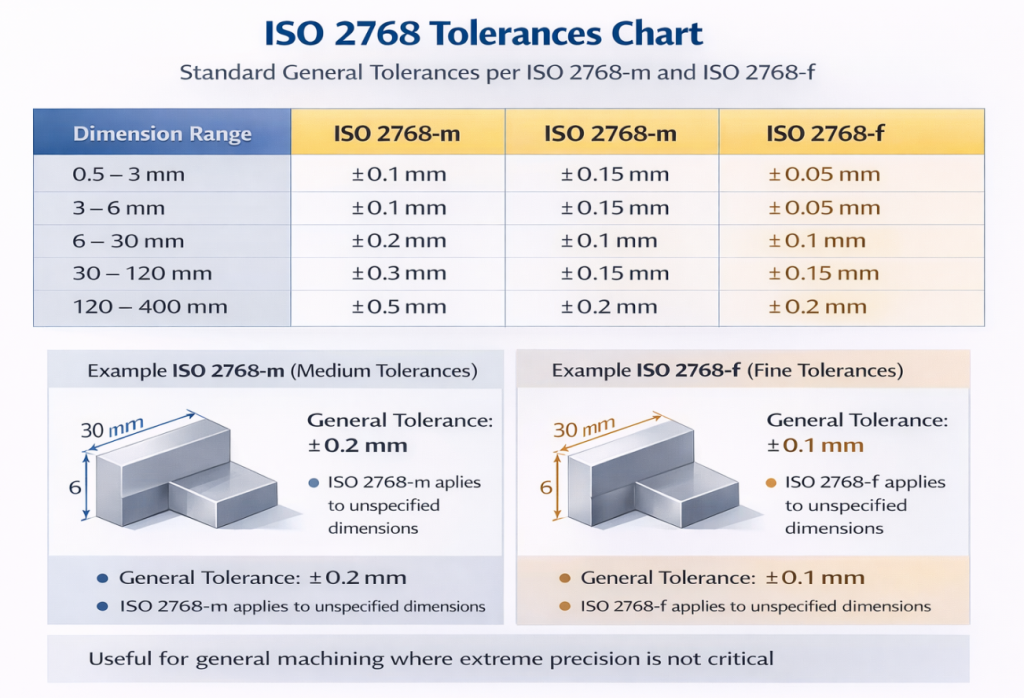
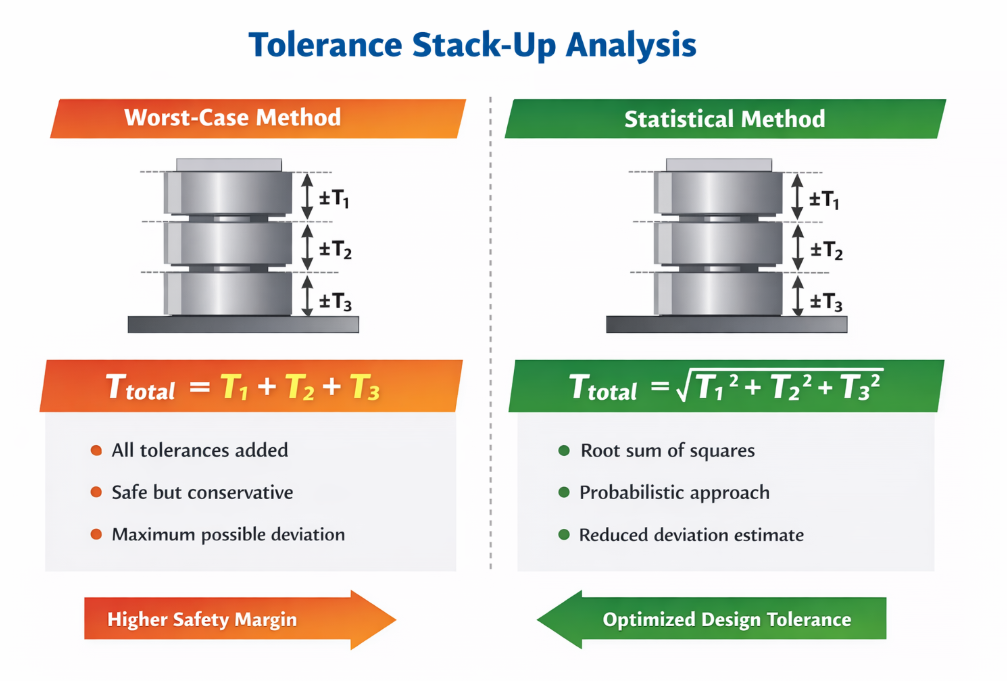
Medical components often require extremely tight tolerances.
Typical ranges:
• standard precision: ±0.02 mm
• high precision: ±0.01 mm
• ultra precision: ±0.005 mm
Precision is critical for:
• patient safety
• device functionality
• assembly compatibility
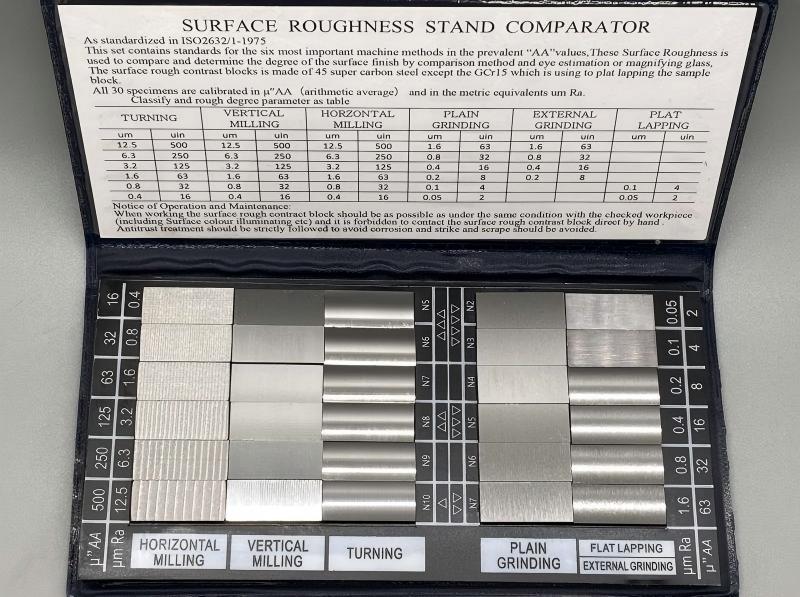
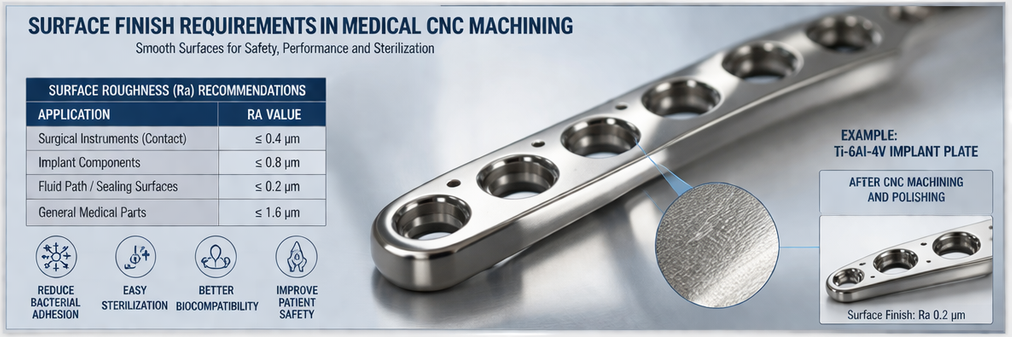
Surface Finish and Cleanliness
Surface quality is especially important in medical applications.
Requirements include:
• smooth surfaces to prevent contamination
• burr-free edges
• easy sterilization
Surface roughness (Ra) often needs to be tightly controlled.
Learn more:
https://www.debaolong.com/2026/03/06/cnc-machining-surface-finish-ra-roughness/
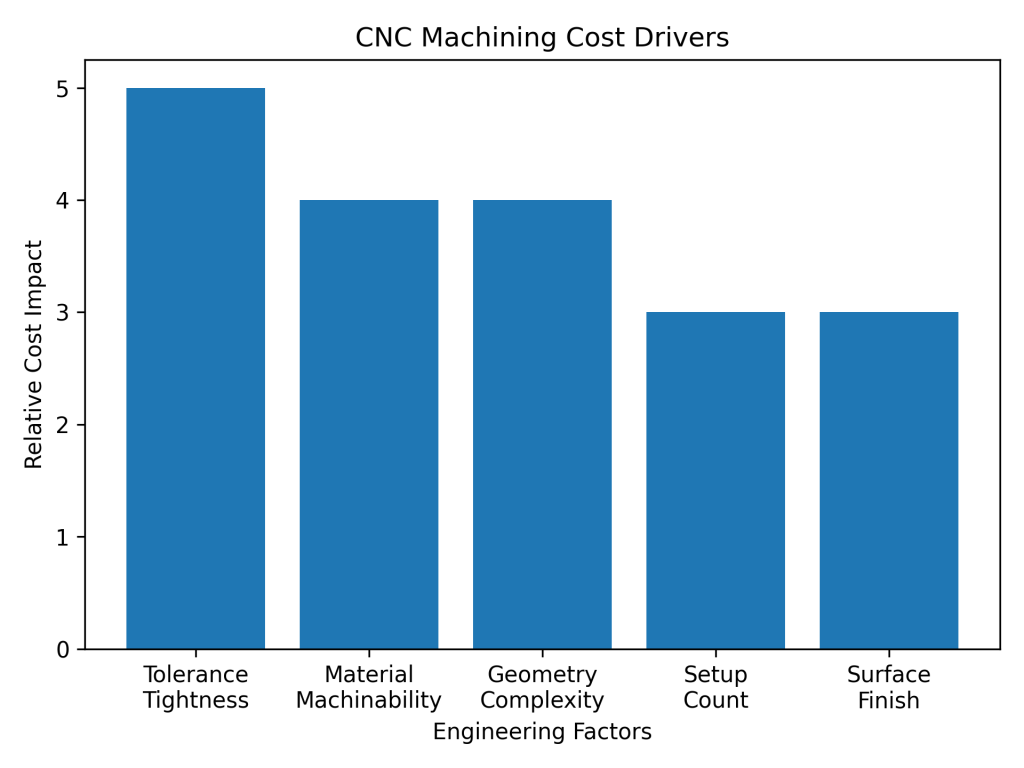
Key Challenges in Medical CNC Machining
1. Tight Tolerances
Small deviations can affect performance or safety.
2. Material Constraints
Biocompatible materials are often harder to machine.
3. Regulatory Requirements
Medical manufacturing must follow strict standards and documentation.
4. Complex Geometry
Medical parts often include:
• micro features
• intricate designs
Design Considerations for Medical CNC Parts
Engineers should focus on:
• precision and repeatability
• surface quality
• material compliance
• manufacturability
Applying DFM principles improves both quality and efficiency.
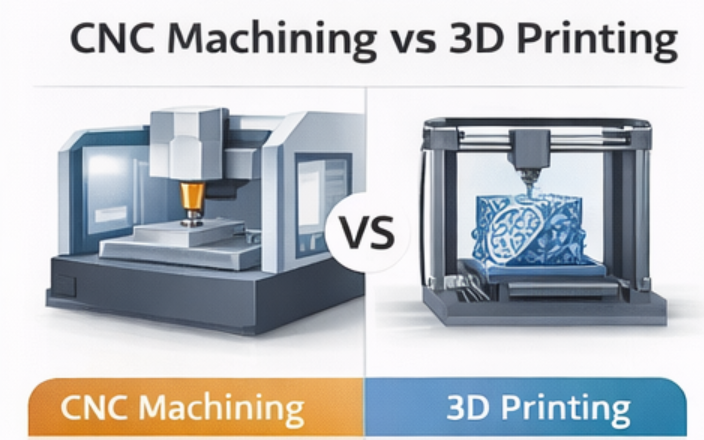
CNC Machining vs 3D Printing in Medical Industry
Both technologies are widely used:
• CNC machining → high precision, final parts
• 3D printing → prototyping, custom implants
Hybrid workflows are becoming more common.
Learn more:
https://www.debaolong.com/2026/03/20/cnc-machining-vs-3d-printing/
Conclusion
CNC machining is essential in medical manufacturing due to its precision, material compatibility, and reliability.
By understanding materials, tolerances, and production challenges, engineers can design safer and more effective medical devices.
Explore More Engineering Guides
Knowledge Center
https://www.debaolong.com/manufacturing-engineering-knowledge-center/
CNC Materials Guide
https://www.debaolong.com/2026/03/13/cnc-machining-materials-guide-aluminum-steel-titanium-and-plastics/