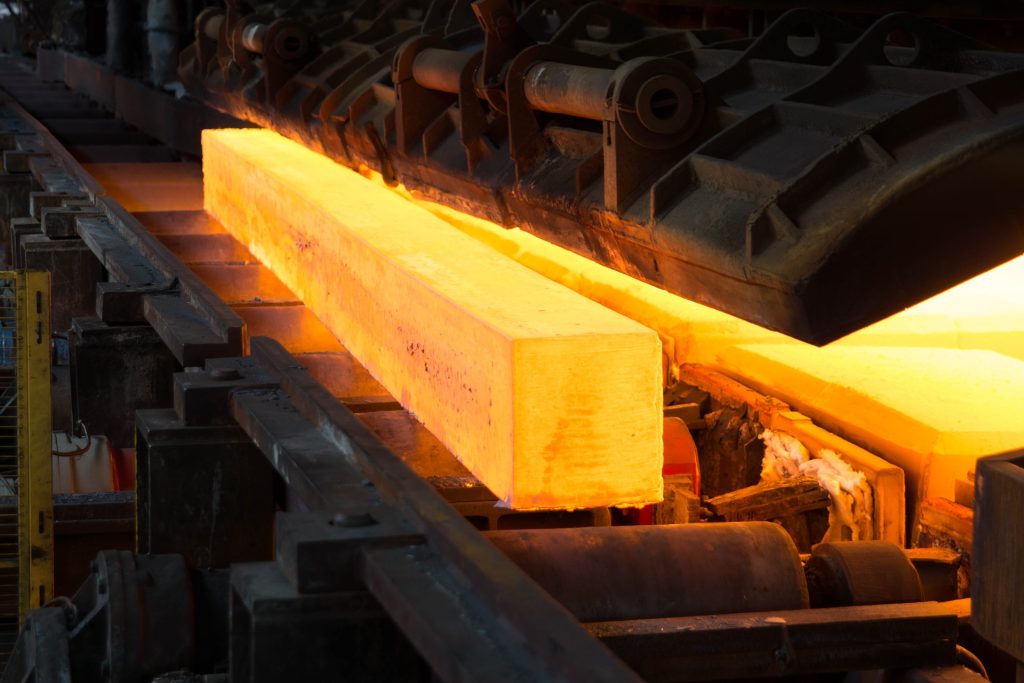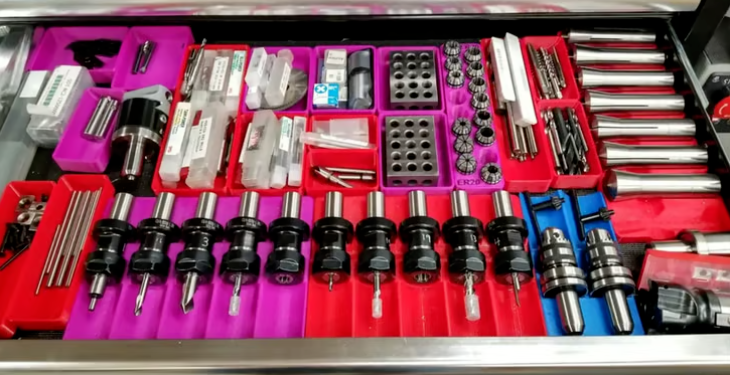


Aerospace manufacturing demands some of the highest standards in precision, material performance, and reliability.
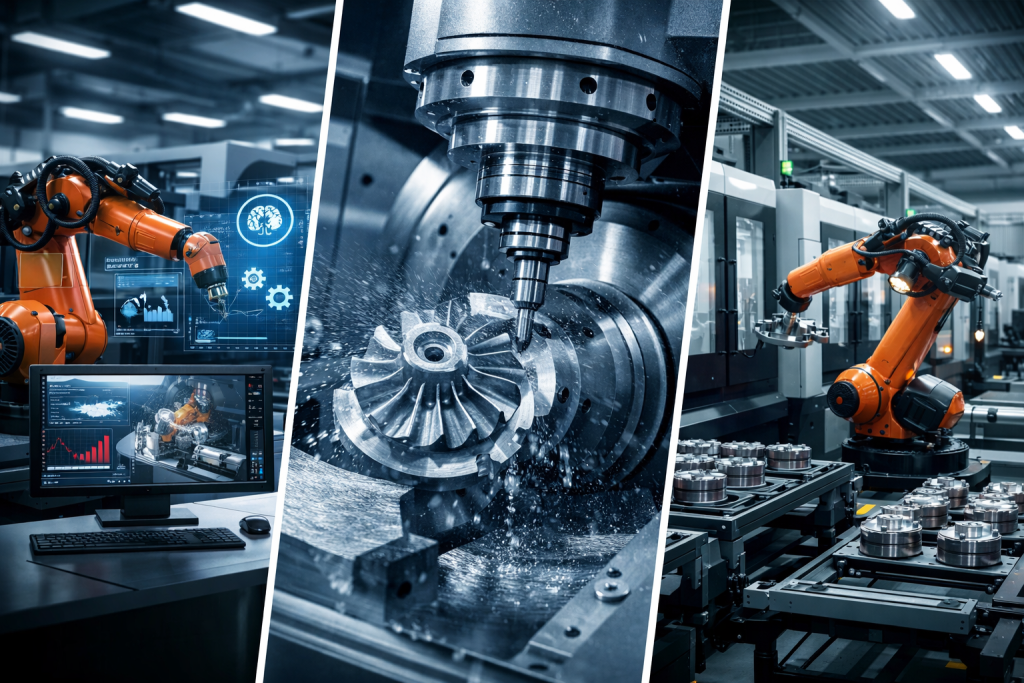
CNC machining plays a critical role in producing aerospace components that must meet strict tolerances and operate under extreme conditions.
Understanding aerospace machining requirements helps engineers design parts that meet both performance and manufacturing standards.
Why CNC Machining Is Critical in Aerospace
Aerospace components require:
• high dimensional accuracy
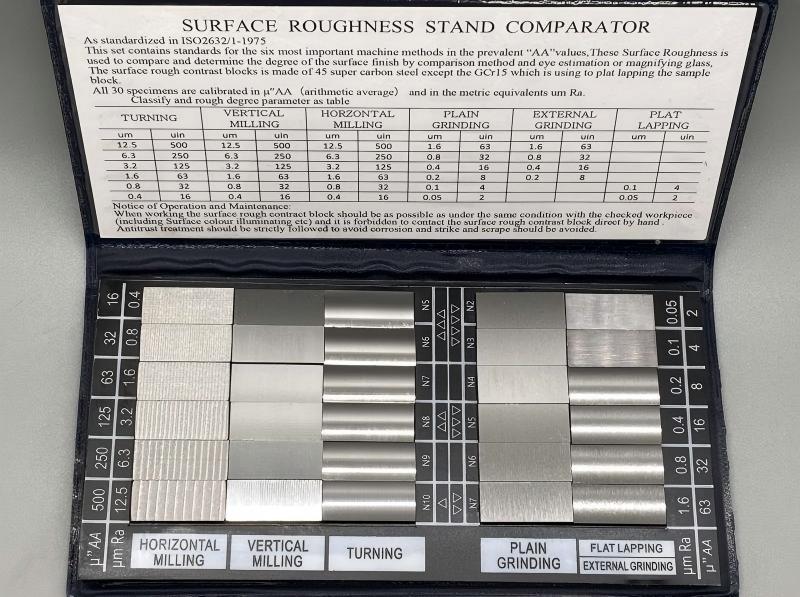
• excellent surface finish
• consistent repeatability
• certified material performance
CNC machining is widely used because it provides the precision and reliability required for these applications.
Typical aerospace components include:
• structural brackets
• housings
• engine components
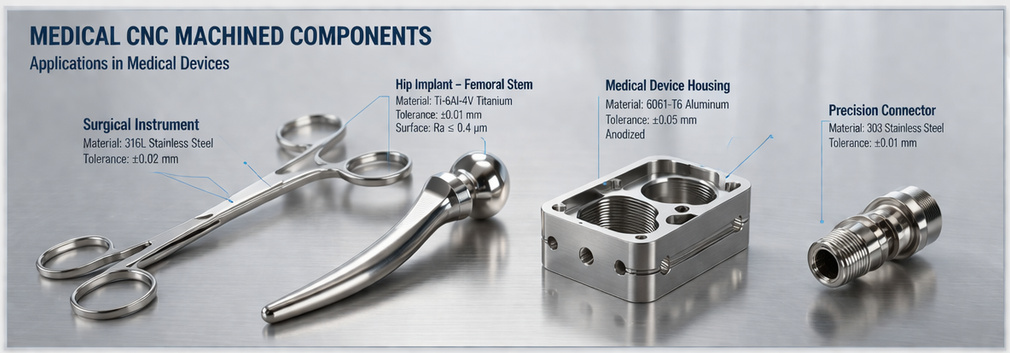
• precision connectors
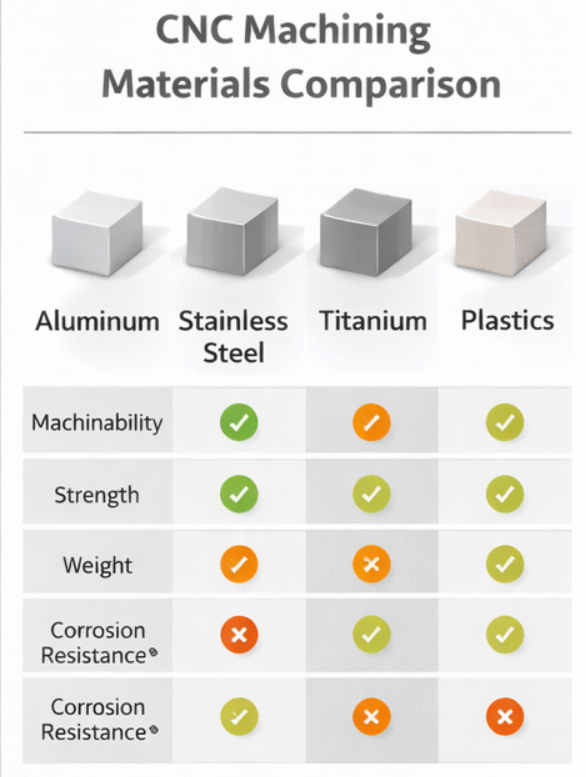
Common Materials Used in Aerospace CNC Machining
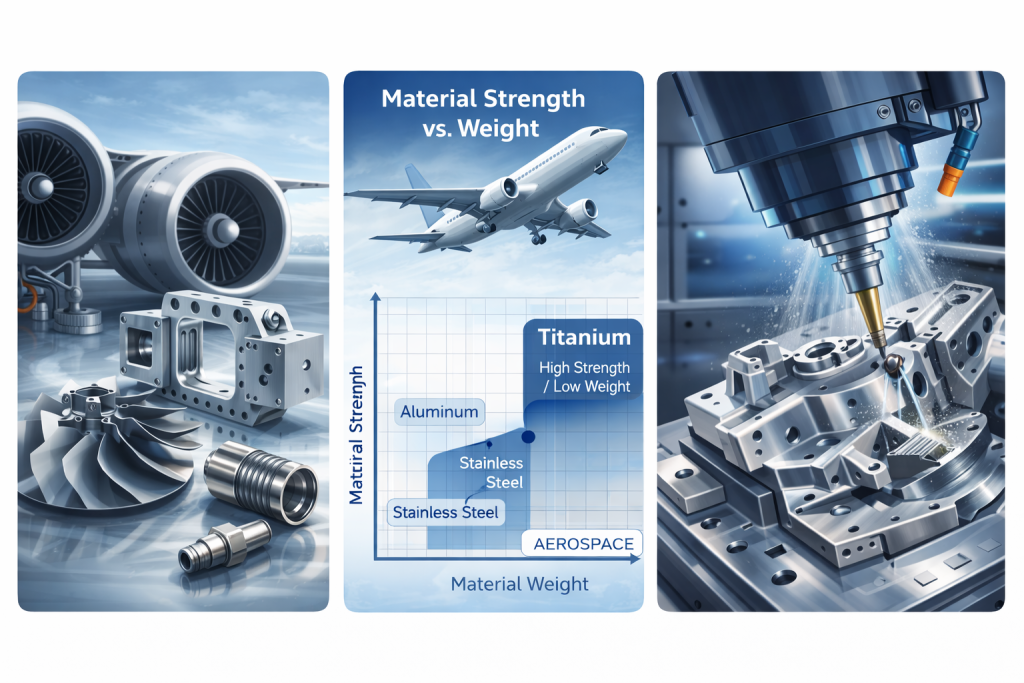
Material selection is critical due to strength, weight, and environmental resistance requirements.
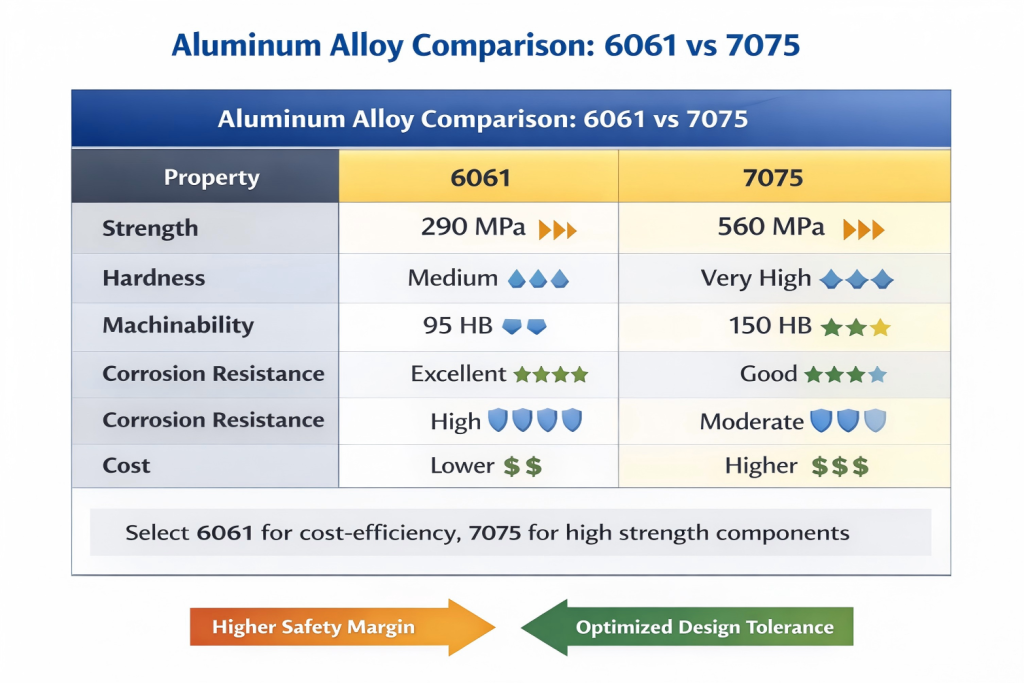
Aluminum Alloys
• lightweight
• good machinability
• corrosion resistance
Common grades:
• 6061
• 7075
Widely used for structural and enclosure components.
Titanium Alloys
• extremely high strength-to-weight ratio
• excellent corrosion resistance
• high temperature performance
However:
• difficult to machine
• high tool wear
• requires specialized processes
Stainless Steel
• strong
• corrosion resistant
• suitable for harsh environments
Used in:
• fasteners
• structural parts
• support components
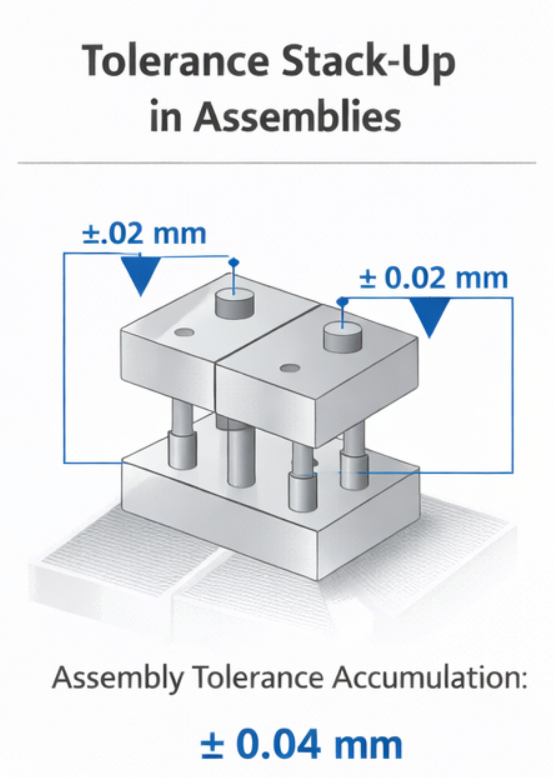
Tolerance Requirements in Aerospace Machining
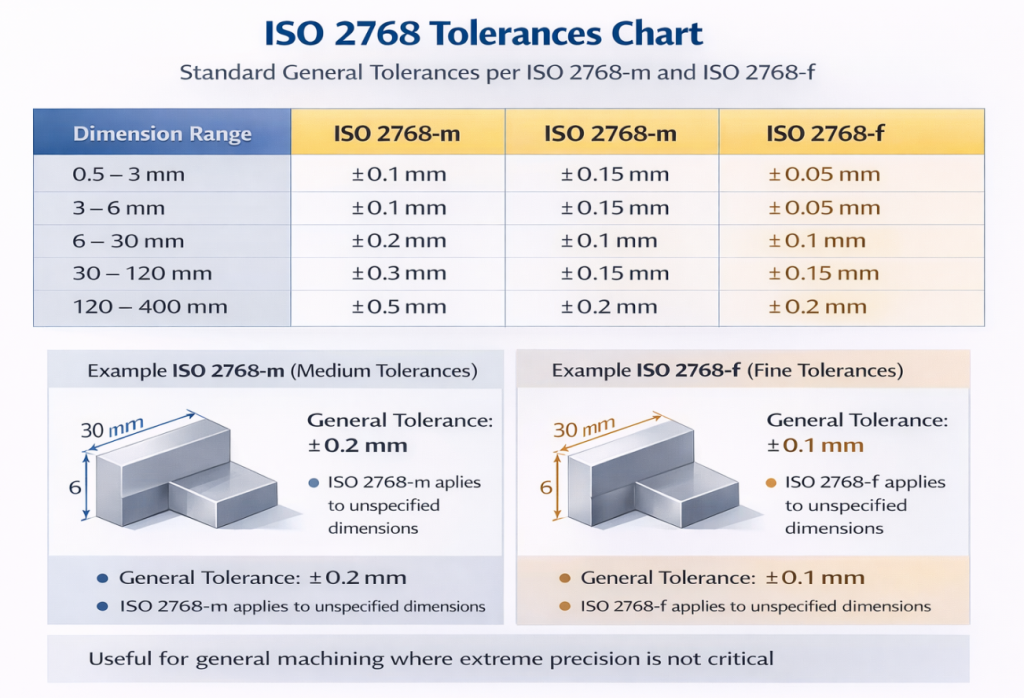
Aerospace components require extremely tight tolerances.
Typical ranges:
• standard precision: ±0.05 mm
• high precision: ±0.01 mm
• critical components: ±0.005 mm
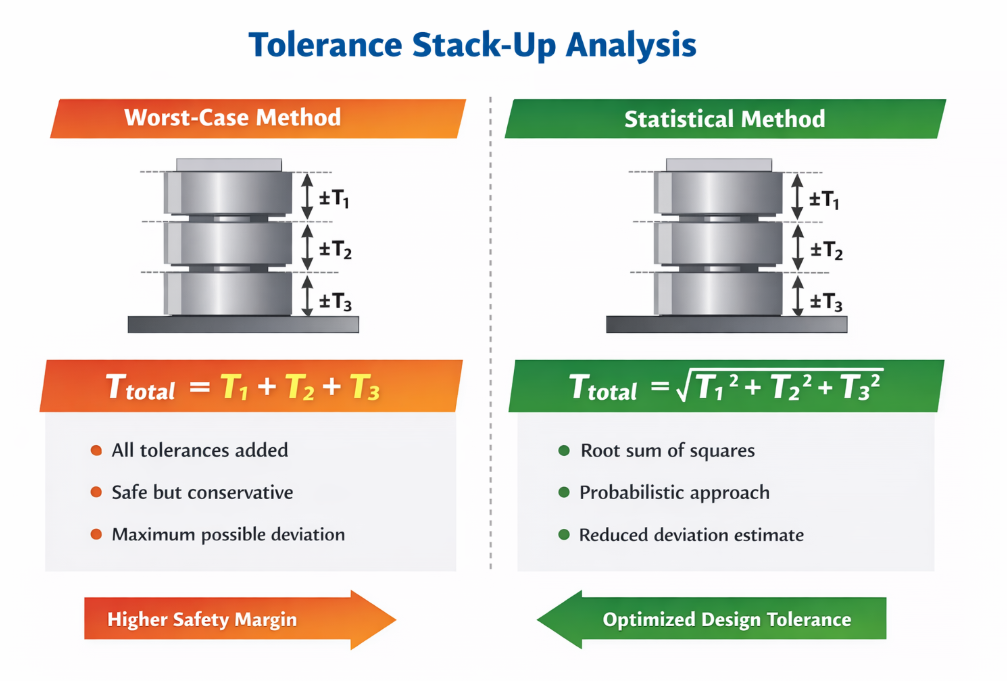
Tolerance control is essential for:
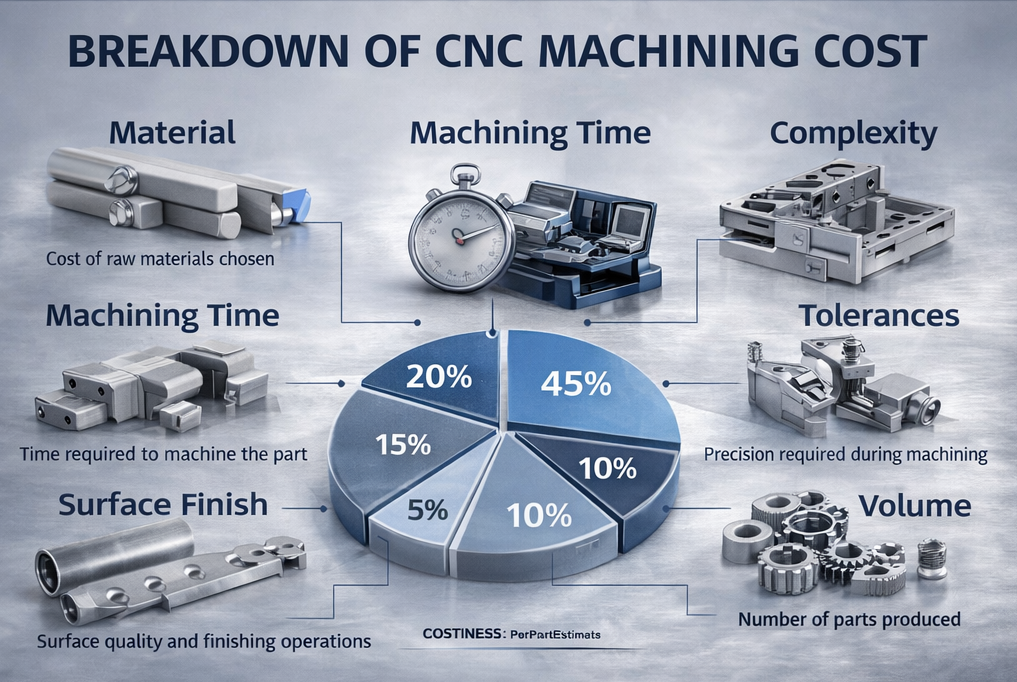
• assembly fit
• vibration resistance
• safety performance
Learn more:
https://www.debaolong.com/2026/03/05/cnc-machining-tolerance-standards-iso2768/
Key Challenges in Aerospace CNC Machining
1. Difficult-to-Machine Materials
Titanium and high-strength alloys require:
• low cutting speeds
• high-quality tooling
• advanced cooling systems
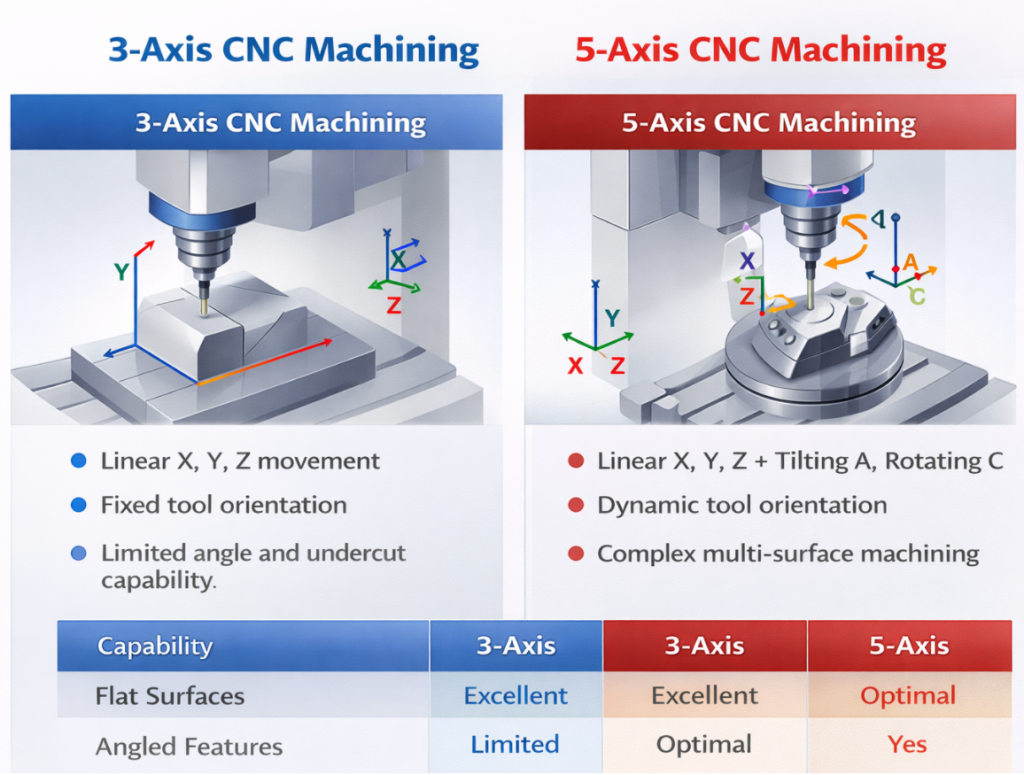
2. Complex Geometry
Aerospace parts often include:
• thin walls
• deep pockets
• complex surfaces
This requires:
• 5-axis machining
• advanced programming
3. Tight Quality Control
Aerospace manufacturing requires:
• strict inspection
• process control
• repeatability
Design Considerations for Aerospace CNC Parts
Engineers should consider:
• minimizing unnecessary complexity
• optimizing material usage
• designing for manufacturability
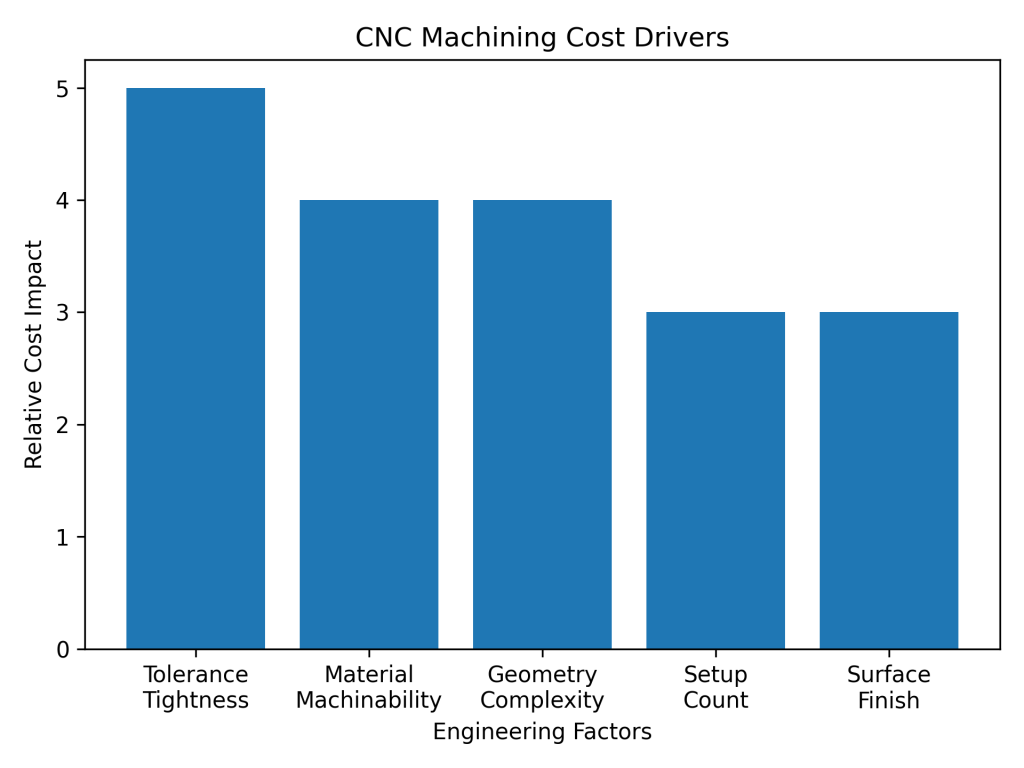
• balancing tolerance and cost
Applying DFM principles can significantly improve efficiency.
CNC Machining vs Other Manufacturing Methods in Aerospace
CNC machining is often compared with:
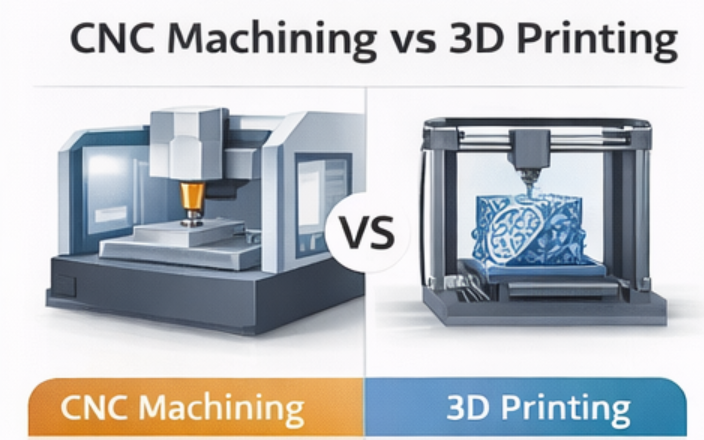
• 3D printing (for prototyping)
• casting (for large components)
In practice:
• CNC machining is used for precision parts
• 3D printing supports rapid prototyping
Learn more:
https://www.debaolong.com/2026/03/20/cnc-machining-vs-3d-printing/
Conclusion
CNC machining is essential for aerospace manufacturing due to its precision, reliability, and material capabilities.
By understanding materials, tolerances, and machining challenges, engineers can design better aerospace components and improve manufacturing efficiency.
Explore More Engineering Guides
Knowledge Center
https://www.debaolong.com/manufacturing-engineering-knowledge-center/
CNC Materials Guide
https://www.debaolong.com/2026/03/13/cnc-machining-materials-guide-aluminum-steel-titanium-and-plastics/
Surface Finish Guide
https://www.debaolong.com/2026/03/06/cnc-machining-surface-finish-ra-roughness/