

Complete Guide to 6061 vs 7075 CNC Machining for Precision Manufacturing
Primary Keywords
- aluminum CNC machining
- 6061 vs 7075 aluminum
- precision aluminum machining
- aluminum tolerance control
- high strength aluminum machining
1. Introduction — Why Aluminum Dominates Precision CNC Manufacturing
Aluminum alloys are among the most widely used materials in precision CNC machining due to their:
- Excellent machinability
- High strength-to-weight ratio
- Corrosion resistance
- Thermal conductivity
- Structural stability
In robotics, automation equipment, aerospace auxiliary structures, and precision industrial components, aluminum offers an optimal balance between mechanical performance and production efficiency.
However, alloy selection significantly impacts machining strategy, tolerance control, and long-term performance.
Two of the most commonly used alloys are:
- 6061 aluminum
- 7075 aluminum
Their engineering characteristics differ substantially.
2. Mechanical Properties Comparison — 6061 vs 7075
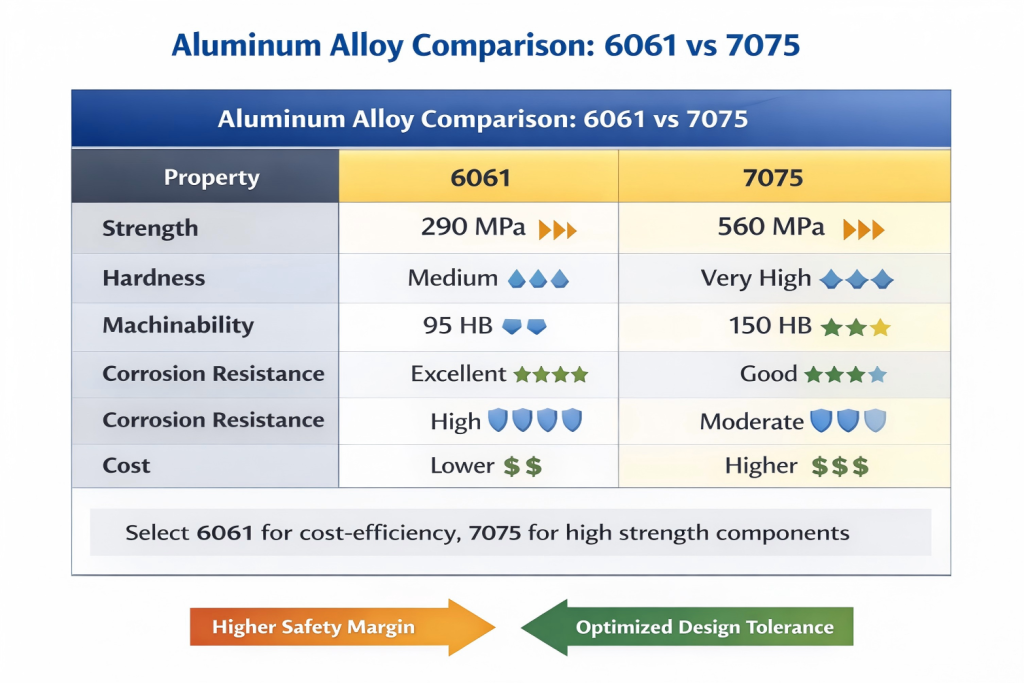
Typical Mechanical Data
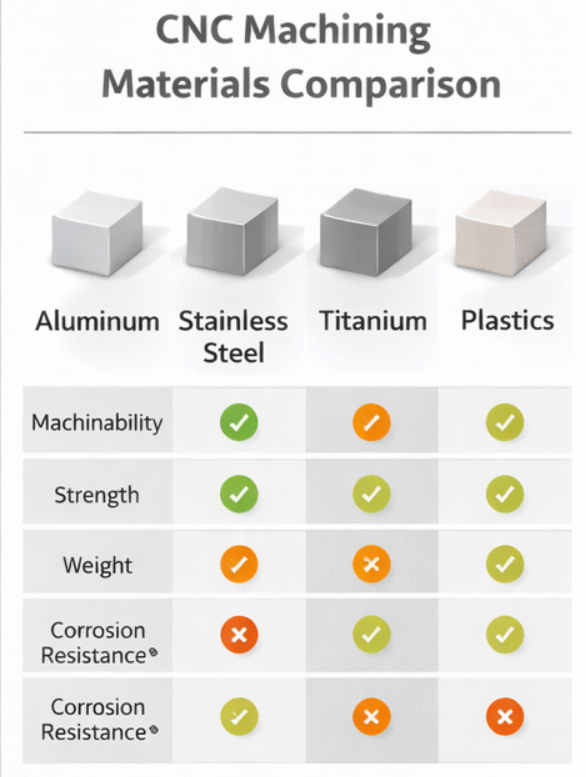
| Property | 6061-T6 | 7075-T6 |
|---|---|---|
| Tensile Strength | ~290 MPa | ~560 MPa |
| Yield Strength | ~240 MPa | ~480 MPa |
| Hardness | ~95 HB | ~150 HB |
| Density | 2.70 g/cm³ | 2.81 g/cm³ |
| Corrosion Resistance | Excellent | Moderate |
| Cost | Lower | Higher |
Engineering Interpretation
6061 is preferred when:
- Moderate strength is sufficient
- Cost efficiency is important
- Good corrosion resistance is required
- Complex machining features are needed
7075 is preferred when:
- High load-bearing capacity is critical
- Structural rigidity is a priority
- Weight reduction with high strength is required
3. Machinability and Cutting Strategy
3.1 6061 Machining Characteristics
- Excellent chip formation
- Stable cutting behavior
- Lower tool wear
- High feed rates possible
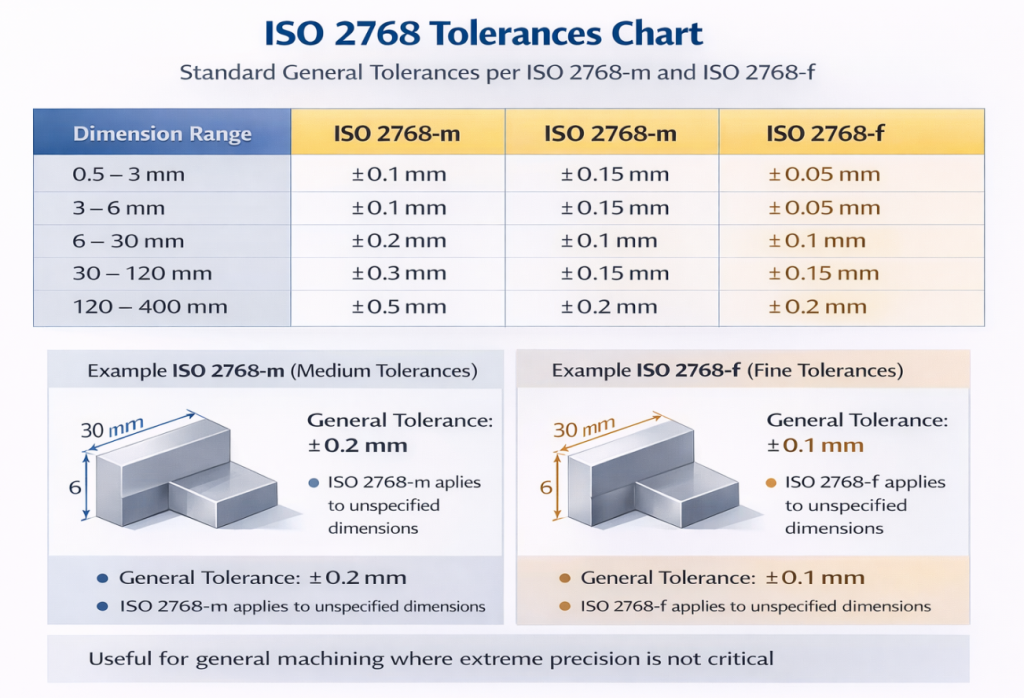
Typical tolerance capability:
±0.02–0.03 mm (depending on geometry)
Surface finish achievable:
Ra 0.8 or better
3.2 7075 Machining Characteristics
- Higher hardness
- Increased cutting resistance
- Greater tool wear
- Requires optimized cutting parameters
Recommended approach:
- Reduced cutting speed
- Proper coolant flow
- Rigid fixturing
- Carbide tooling
7075 provides superior structural strength but requires stricter process control.
4. Thermal Behavior and Dimensional Stability
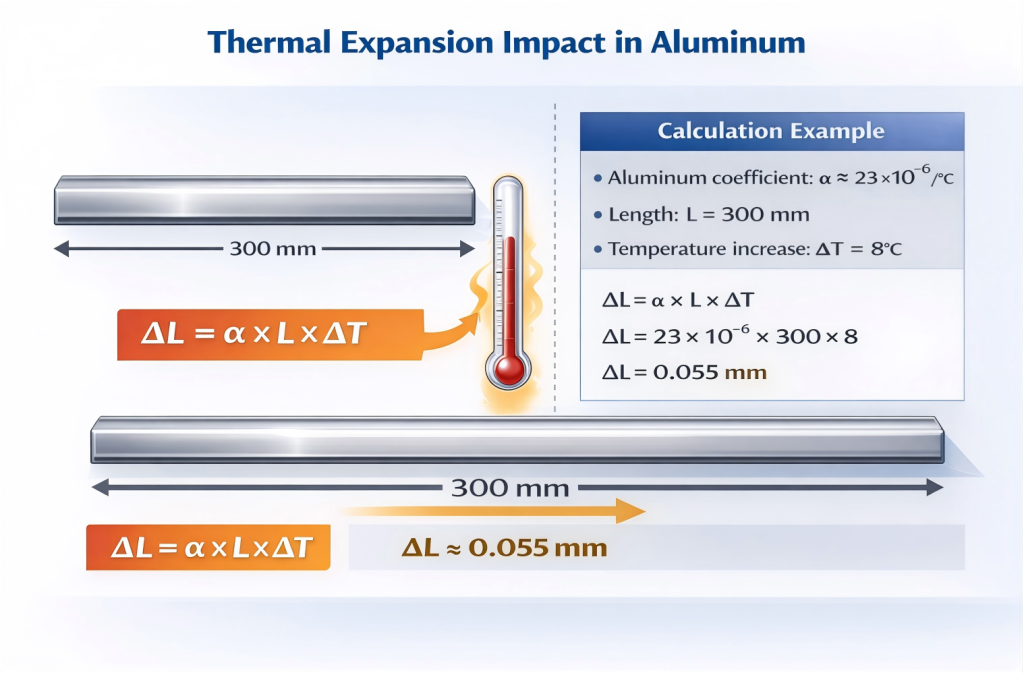
Aluminum has relatively high thermal expansion.
Thermal expansion formula:
ΔL = α × L × ΔT
Where:
α ≈ 23 × 10⁻⁶ /°C
Example
Part length: 300 mm
Temperature variation: 8°C
ΔL = 23 × 10⁻⁶ × 300 × 8
ΔL ≈ 0.055 mm
This variation exceeds many precision tolerances.
Therefore, temperature-controlled environments are essential in precision aluminum machining.
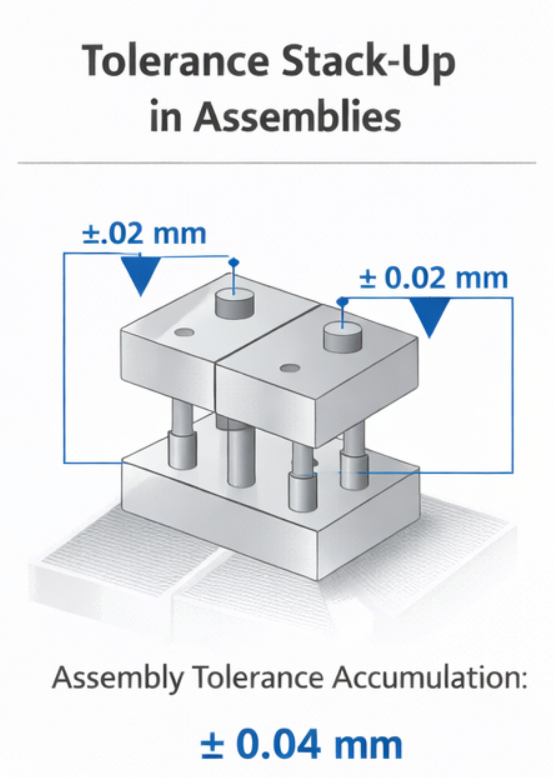
5. Tolerance Engineering in Aluminum Components
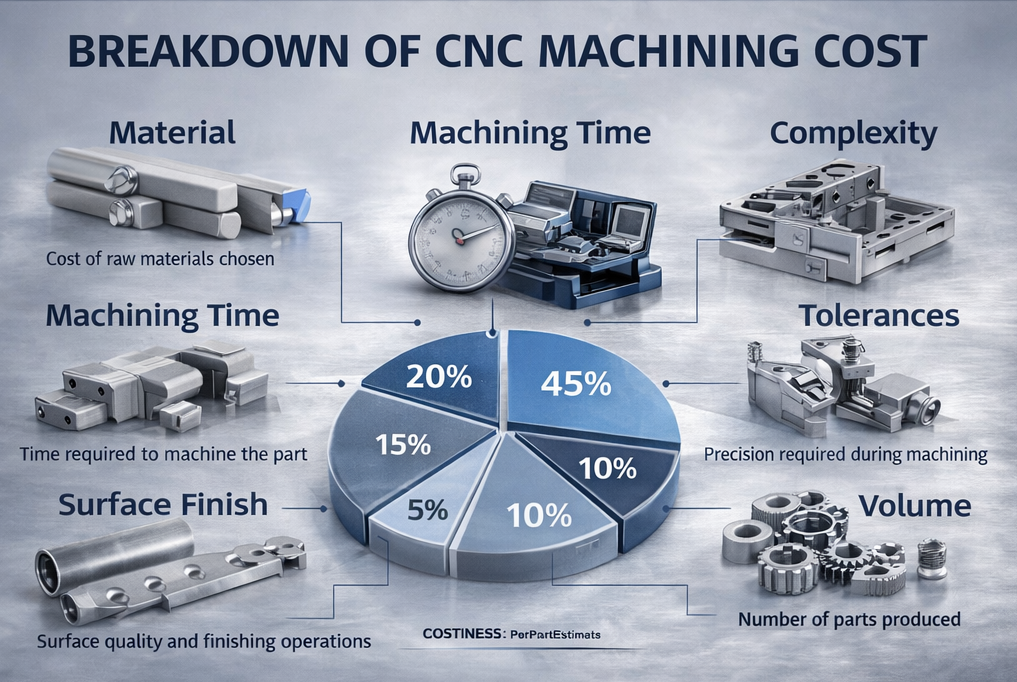
Aluminum is softer than steel, which introduces deformation risk during clamping.
Engineering considerations:
- Balanced clamping force
- Stress relief after rough machining
- Single-setup multi-face machining
- Controlled finishing passes
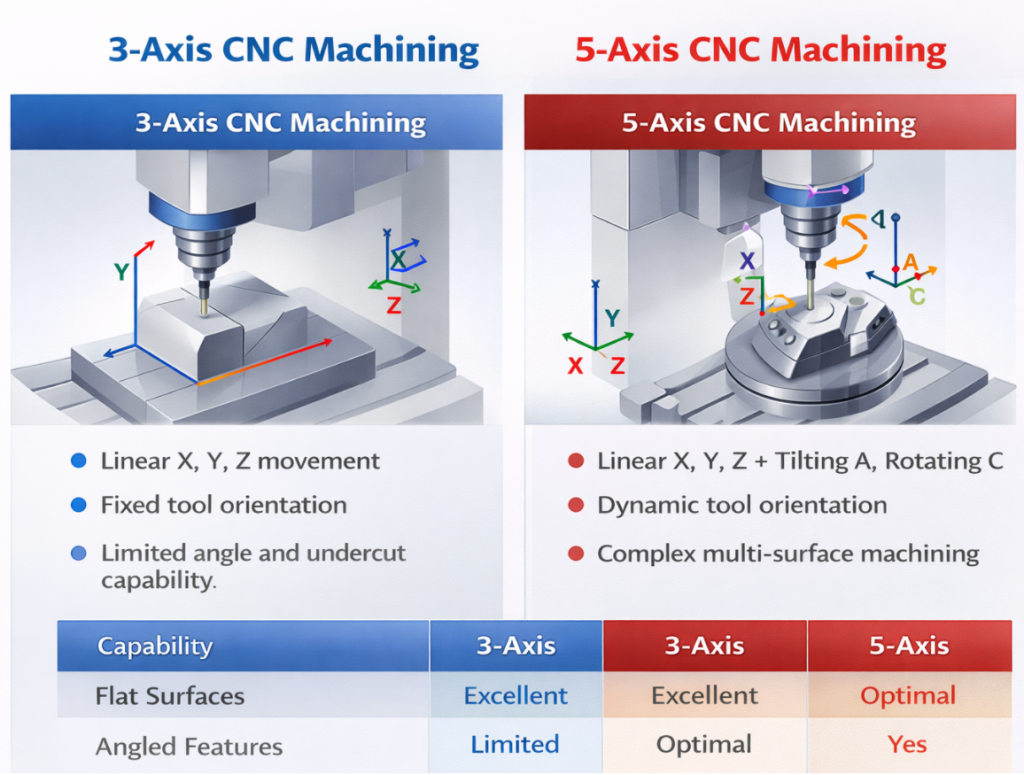
Typical achievable tolerance in controlled 5-axis machining:
±0.02 mm
Grinding or finishing processes may further improve dimensional precision.
6. Surface Finish Optimization
Surface quality influences:
- Assembly fit
- Bearing contact stability
- Aesthetic finish
- Wear resistance
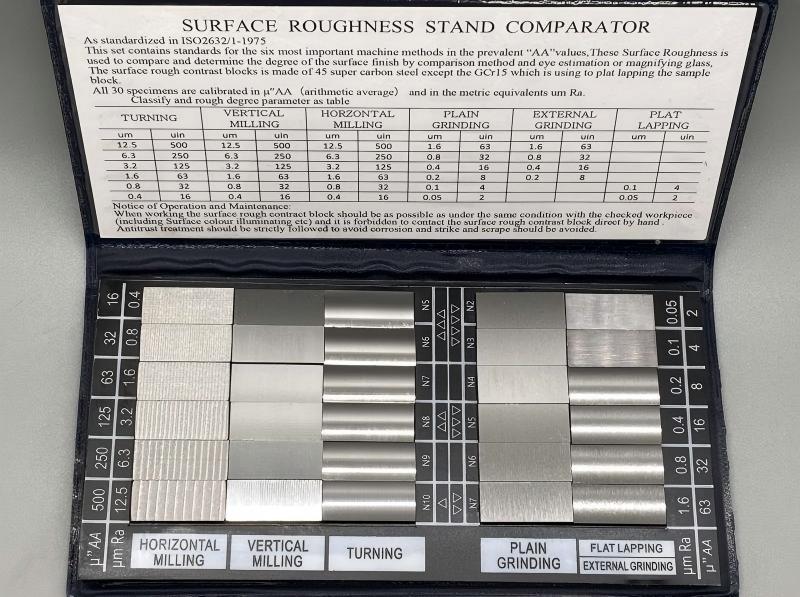
Typical surface roughness levels:
- Ra 3.2 – General structure
- Ra 1.6 – Precision housing
- Ra 0.8 – High precision structural component
- Ra 0.4 – Critical sealing or sliding surfaces
High-speed machining with optimized tool paths improves finish uniformity.
7. Industry Application Analysis
7.1 Robotics Structural Components
7075 often used for:
- Robotic arms
- High-load brackets
- Joint support structures
6061 often used for:
- Housing enclosures
- Frame structures
- Sensor mounts
7.2 Automation Equipment Frames
6061 provides:
- Cost-effective rigidity
- Ease of machining
- Good corrosion resistance
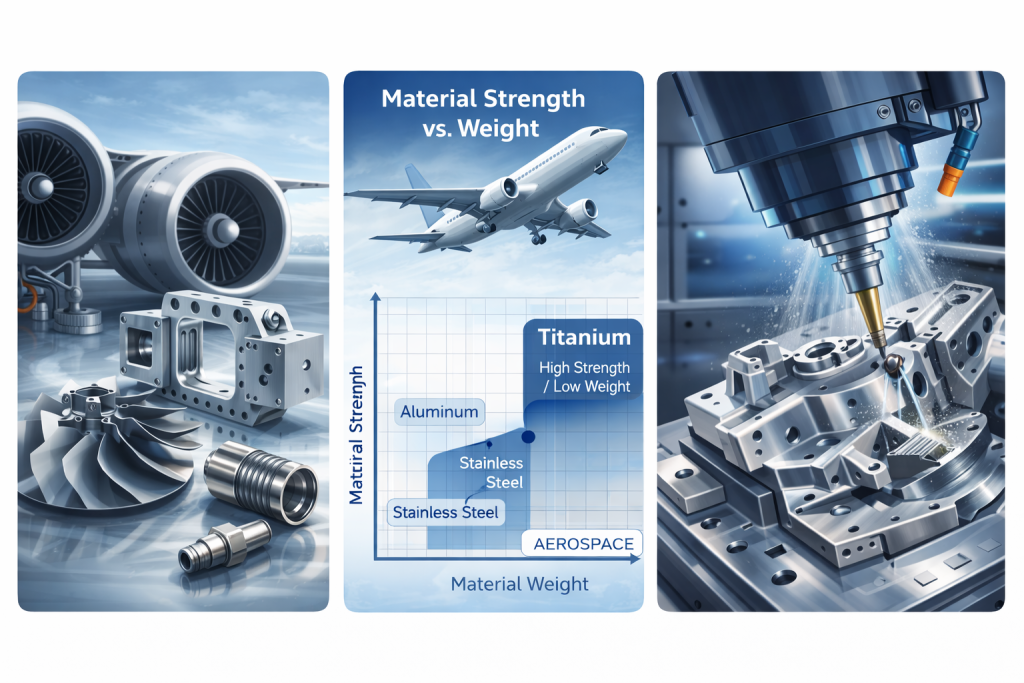
7.3 Aerospace Auxiliary Parts
7075 preferred due to:
- High strength-to-weight ratio
- Structural reliability
- Fatigue resistance
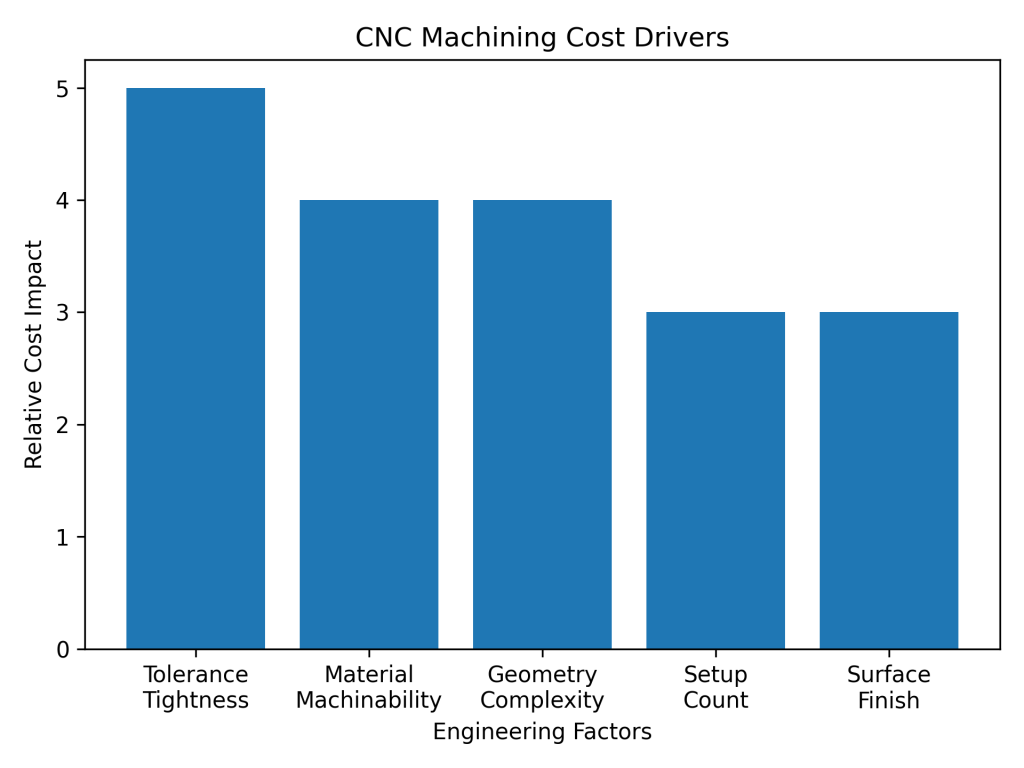
8. Cost-Benefit Engineering Perspective
While 7075 offers nearly double tensile strength compared to 6061, it also:
- Increases material cost
- Increases tool wear
- Requires stricter machining control
Engineering selection should be based on load calculation rather than over-specification.
Overengineering increases production cost without proportional performance benefit.
9. Supplier Capability Considerations
Precision aluminum machining requires:
- Stable temperature control
- 5-axis machining capability
- Engineering programming expertise
- Dimensional inspection system
- Export compliance for international OEM supply
Supplier maturity determines consistency across batches.
10. Conclusion
Aluminum machining strategy must align with:
- Mechanical load requirements
- Tolerance specification
- Thermal stability
- Surface finish requirements
- Cost constraints
6061 offers balance and efficiency.
7075 offers strength and rigidity.
Engineering judgment—not material popularity—should determine alloy selection.
Precision aluminum manufacturing requires integrated control of machining strategy, environmental stability, and inspection reliability.